1 free read left. Create a free account for unlimited reading + AI research.
Create free account
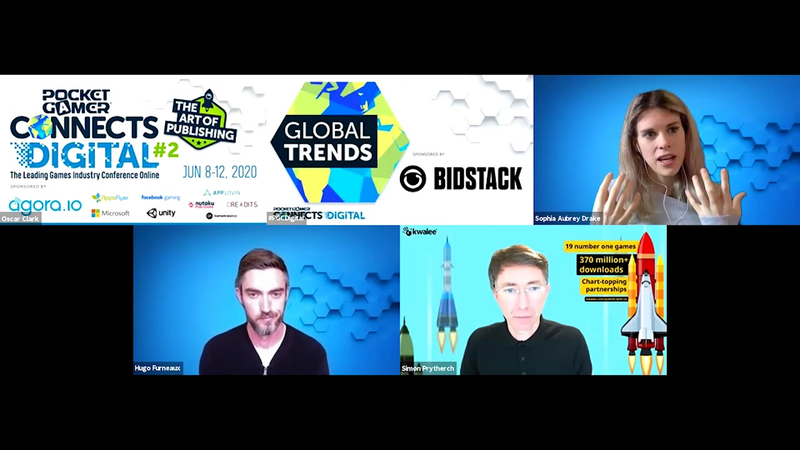
Fireside Chat: The Benefits of Using a Publisher Rather than Going it Alone PGCD#2
Key insights
6 takeaways- 01The modern publishing model functions as a catalyst for growth by offloading operational complexities, which helps transform independent projects into sustainable commercial hits.
- 02Publishers provide essential infrastructure for monetization, user acquisition, and technical SDK maintenance, allowing small development teams to focus exclusively on core game design and iterative refinement.
- 03Effective publisher-developer relationships are built on transparent communication, shared data insights, and a mutual commitment to long-term product optimization.
- 04Strategic partnerships leverage a publisher’s economies of scale and analytical capabilities to bridge the gap between a prototype and a commercially viable product.
- 05Developers should select a publishing partner based on specific requirements—such as funding, distribution, or live operations—while ensuring the partner’s portfolio aligns with the game's genre.
- 06Successful collaboration relies on the integration of data-driven design, specifically utilizing A/B testing and performance analytics to maximize revenue potential.
Ask AI about this video
Transcript
so now we can have a quick fireside chat with Sofia who's gonna talk to Salman at quali and Hugo adapt design company hey Samir and this is gonna be about the benefits of using a publisher rather than going alone hey hopefully you've got Simon gonna join you a second on screen I think he was in the group so great hey Simon hating I'll leave you two it's around thank you yes my name's Sofia Obregon see I work here at still media and most most people know me as the person who runs the big indie pitch always honking horns and shouting and I'll see we've got our pictures coming up one of which are our mobile
pitches sponsored by quali and we've got Simon here from quali and we've got Hugo here from app design company so yeah I'll let them do their introduction so first off yeah tell us a little bit about yourselves like what games you've created how did you start to work together just fill the audience in a little bit about your backgrounds kill so I go free my name is Hugo so I'm a director at app design company and we're a small indie team of three people and we've had four published games so far on called idle flipper and suck to IO pressure washer and clean up 3d with with the quality guys we start making hype casual games in about 2016 before that we were doing just apps and websites but we kind of saw the trend and we thought we'd like like to do that and we met quali about a year ago at
casual connects and about a month after that was when we published clean up yeah fantastic and their Simon Johanna will also fill the audience in a little bit about yourself and I think you're mute at the moment so you might just have to unmute yourself yeah there we go and yeah I've been in the games industry for over 30 years I joined quali last year to head up their new publishing Department and and we're sort of aggressively growing that because we see everything we've done with our internal titles can be applied to working with all the developers that want to have a massive success like quality ricktum big hits such as jet pack junk drawer it shoot out 3d rocket sky and clean up 3d with to go and we're looking this year to grow it even bigger
and we're you know a lot of our revenues have come from internal developed games but by the end of this year we will be bringing most of our revenues from external games antastic yeah well obviously me and you Simon we know each other very well and obviously we've met Hugo but I think it's fantastic to share a little bit of your background with the audience to sort of preface what we're about to talk to obviously we're gonna be talking about the benefits of using a publisher rather than going it alone the indie area is just you know so complex and I mean it can be difficult in a variety of different ways especially if you don't have all of the the knowledge and maybe you know you also don't have a lot of the assets a lot of the time it's just one person going it alone and you need that help and skills but then you know on that point I wanted to start with you Hugo and you know a lot of Indies choose to self-publish rather than to go with a publisher is that something you know
when you did before you went with quali or is it something that you explored before you before you you know got into discussions with Crowley about having your game published yeah yeah so the first game we did was one called 5050 and it was kind of a simple 2d game where you you cut shapes and try to cut them in half and and it did really really well lots of downloads I think it got about 10 million but in hindsight we didn't have a clue about monetization a be testing all of this stuff that a publisher would have done and yeah I think I can safely say would have made a lot more money out of it than we did because we were yeah just kind of mute mutant to it and didn't take advantage so yeah we have that yeah we wouldn't do it again I don't think no suppose you
know it might be a common story for a lot of indie developers is to go down the self-publishing route and but obviously maybe you know being great at designing the game and creating the game but maybe not knowing all the other aspects that go into it so you know for yourself Simon and you guys at quali you know why don't you tell the audience a little bit about you know what goes into the publishing process and like what developers can expect from the likes and yourselves like what is it that a publisher is really helping the developer achieve you know other than some of the things that people might expect and so yeah for us when we get once we get a game on board we're obviously it's obvious that we publish your arts marketing and you iced buns that's so good but I think the major thing that we do is give a lot of feedback on the game design based on a lot of data and so and and also because
we've got a very experienced design and internal button team working within quali but what this means is we've made big changes to games that we have published that has seen them from the moment les line to the globally least sometimes doubling the amount of revenue which generally means doubling the amount of people that are playing the game for a length of time so improving the tension we also have very very honed monetization so we're dealing with like 30-plus networks and those networks are continually being played off against each other so that we can get the best deal for developers particular game for a particular slot in my gun and and then
finally we have our own to the game servers which are very sophisticated which allow us to do detailed a be test on games so rather than just going on a field of what works and what doesn't if we think some it's going to improve the game we will test it on the real audience for a small proportion of them and if that's if that works better for the game and that will then be rolled out to the whole game so it's really about leveraging not just expertise but maybe tools and assets that developers might not have to hand in order to maximize the potential of their game really yeah I mean and obviously I'm saying this and you know I know the
value of a publisher and obviously you guys do as the publisher but we've got one of the developers here you know who worked with you so Hugo what what specifically did you guys as a team get out of work and require Lee you know what were the main benefits and what kind of things do you just think you you probably either wouldn't have been able to achieve on your own or maybe wouldn't have even thought of doing yeah I'd be a huge one is Ferraro's being able to concentrate on what we're good at what we like doing which is kind of creating games creating little prototypes and before that it was all about oh create a game but then we need to do the UA videos we need to look into Facebook we need to keep up with that and I think the smaller team you kind of want to make sure that near as a hundred percent is going into they love developing games not other stuff and so that's huge to kind of
forget about it and leave that up to a publisher and so I'm just said about the gameplay settings on the server's so that really helped with with our work with quali so clean up the margins weren't incredible but through kind of constant a be testing that that really improved and that's something we we certainly wouldn't have done and I think again really at the current industry at the moment with the cloning problem I think if if we had a great idea I don't think our studio could move quick enough when compared to two other publishers or other largest studios so speed and everything like that with a publisher it it makes it so much better and obviously they have low lots of money yeah I
suppose that highlights that you know what a lot of people maybe hope that working with a publisher is but also some people might be scared before going with a publisher is you know thinking that the publisher will take over but as you say it's more of a collaborative process it allows you to focus in on what your core experience is in which is in this case you know like developing and making the best possible game but then on the other hand you know leveraging Derek's experience and expertise in other ways and I'm guessing you're in constant contact with with Simon and the guys over acquire Lee during the process yeah yeah definitely yeah that's a really good thing is kind of getting information from from publishers and because they kind of they know that trends before we do and that kind of constant communication learning those things can yeah can really make your chances of getting a hit game
better yeah for a move on to the next question I just think it's important for you Simon as well to ask you is that something that you would say is essential from developer/publisher relationship as well that communication those there's that trust and the lines of communication between the two and a collaborative experience definitely that's probably if not the most important one in the top three and whichever developer we're working with and Hugo's a really good his company which is the design company is a really good example of this is that we can wear because closely as possible with that with the developer you get the best games and the best results and because especially during those first three months when you gain from the prototype stage of the game - three - they've all launched there things are
changing rapidly you're implementing things rapidly if you don't have a close relationship and you're not able to see that and see the changes that you're making be reflected in the tests that you're doing on the store and then communicate those to the developer so that they can make so they can use that data of them to help them implement the next new feature then very very closely related and I think it's something that's of importance not just to the relationship but to everyone watching around the world is you know obviously one of the key aspects of the relationship is monetization and making money for both the developer and the publisher in everyone and especially in the case of you guys as experts in hyper casual a quali hyper casual as a market is all about that that freemium model and and leveraging a variety of
different things it's not as straightforward as a premium model here's a price type buy again maybe put it on sale so it can be a very complex area so you know in your case especially from quali and especially in the hyper casual market but more in general you know what does the publisher and what do you guys bring to the table from a monetization point of view because I imagine to a lot of developers that might be one of the most important things when they're looking for a publisher is to help help them make sense of this weird world of the free-to-play market so yeah hyper casual games are primarily driven by revenue from advertising and and therefore we've spent a lot of our time honing the ad placements the ad timings the balance between social and videos and banners and then I touched on it earlier we have a very sophisticated ad mediation platform with about 30
networks and that means to develop more whatever they've got their ID placements because we've worked on that those placements together normally the developer they get the best possible fill rates and then the most revenue from those ad placements and the other thing is if you're as a developer you're gonna support 30 ad networks then it will take you that's a full-time job just to support because they're continuing changing while SDKs and keep those updated if you if you weren't it integrates in quality systems into your game which is just once and then we update all the networks for you and then it would take a lot of your engineers and coders away from from the game and I think that's probably the primary benefit around monetization if you guys more just that yeah we wouldn't have a
clue on where to start with that monetization say yeah for us it's been great passing it over to quality or any publishing yeah I suppose that's it that's a really important fact it's not just the you know it starts at the core point of a lot of developers might not even understand the amount of work that goes into simply adding out that's into your game I mean I know a lot developers do but like obviously a quali you're taking that to the nth degree you're leveraging that much much further than just his musicals ads or any of the other major networks you're using this wide network and then obviously there's the expertise of placements and everything else like that which is becoming more and more of a topic so it's not to break game flow and everything like that so yes it's leveraging a lot of that I mean obviously in that case you know as you say that's not just a one click and you're done there's a lot of work that
goes into maintaining those adverts too you know and tweaking and changing like you say as SDKs change or as even trends in gaming change so you know the next question I think for both of you is how long does that relationship last both in terms of the relationship you guys now have but also you know in your case Simon in terms of just wider relationship of a developer and a publisher not necessarily just in this case but yeah well so you Hugo since we're you guys are both here yeah in terms of cleanup it certainly wasn't a you launch it and okay we'll see you later kind of thing it was a kind of a constant process working together and yeah we touched on those a be games out the settings but that certainly saved us a lot of time where quali could tweak little things here and there and so we didn't have to kind of do it and update the game and so often but yeah is it's a
back and forth lots of communication yeah and I suppose it's just kiss and I suppose it's still very much ongoing now did you go we've been working Hualien and you guys have been working together yeah roughly and even now we're still tweeting new features into the game we're just talking about one at the moment and Quarrie is a company we commit once we commit plus global launch to any game it's for a minimalist we use and so that means we're looking to continue to make profits and revenues for developer and us throughout those three years and that means holding a healthy margin between the CPI and the long term value of each music that plays the game and that can
be very tricky to maintain that because the margins are now yeah I mean I mean that's fantastic because that should you know I think that will be of interest to a lot of indie dance you've never worked with a publisher before knowing that it's it's not just all the games out and we're done like you say it's a real long-term collaboration there to ensure that you know it works great for everyone going forward I mean obviously a lot of people will be listening to this and thinking oh that sounds great you know I want to get involved with the publishers so if I start with you Hugo what would you have any tips for you know developers looking for a publisher especially in the hyper casual space I mean obviously I talk about all this stuff all the time in the pitch but I think it's great to hear from you who've actually who's done it and you guys have been working together you know like any tips for anyone any do's and don'ts anything both in terms of looking for the right publisher and working with Crowley balls in terms of like pitching the game I suppose like from your end as
a deaf as well we've found it's important to get to know the people that you're going to be working with and our games or the games that have done well have always been when we communicate a lot with our publishing managers and kind of use them as a bouncing board for ideas and that's kind of works really well so you need to be sure that you like them and you don't mind talking to them each day or sending them the up message and also kind of transparency kind of you want to you want to know that they will give you information back about about what games are working what trends come are on the way out what ones are coming in and I'd also say as well if you make a certain kind of game or you if you're
really into idle games look at publishers portfolio if they if most of their portfolio are idle games then you may want to go with them and so on with other are they kind of once and then transparency as well in contracts I think you want to you want to make sure you're not kind of in for a timeframe that you don't want to be want to be in with and you've got happy with the revenue percentage or whatever deal you get so a lot yeah just a lot of real honesty bear but you say transparency and I suppose one of the things I take from that is you know you which we talked about before is you've got to trust each other that you've got to be comfortable working together so you know and I think that's a vibe that your your get through through chatting I mean and you Simon I mean this might sound like a very repetitious question for myself
given all of the pitches that we do but a lot of the audience won't have been involved in the pitch or anything like that and you know what tips do you have the developers coming to you saying I've got a hyper casual game that I think's great for for you guys what would you have any tips for them to get in touch with you guys and showcase their game well yeah what would you advise is the best thing a developer can do when reaching out to you or showcasing their game first of all let's say contact us as early as possible with the game even when may have just one prototype level you may not have a fully playable build on the device yet but you can catch the videos from the Edit editor send them to us we can give you very quick feedback on whether it's going in the right direction whether it's a an appropriate idea and think think about the three key aspects of a hyper casual going satisfying moments simple simple mechanics and then once you got those to some sort of progression but let's I'd
say this to everyone working in casual area don't forget we're working at the sharp end of creativity there's nowhere to hide really revel in the fact that is waiting you can you're creating games which yeah initially just prototypes but very fast because vision cannons it's simple but in order for people to play past it and 15 minute and 15 seconds add your game has thought it'd be something they they want to come back to and say then it must be full of fun and creativity so if you can do that you're at the top of your game so one of the important things for you as well is you want to see someone whose ideas that all of their ideas are just they're presented you want to see someone who's gonna have more ideas more creativity to keep people going yeah so that's yeah that's
a really good piece of advice actually and I think that actually works for the developers in general who are looking to work with the publisher is you know you want to show your creativity because I think that yeah gives a lot of security to you guys as publishers in the fact that we're working with the right person here um so yeah and I just want to say obviously to everyone we've got you know Simon and Jake from quali you'll be joining us on Wednesday at the big indie pitch the mobile pitch so anyone who's in the audience who's involved with that you've got some great tips it to come along to showcase your gamer to quali and you know when we're very likely I'm very honored to have quali as one of our key sponsors for the pitch moving forward this year and all of our digital events so you know and you guys offering your expertise so I'm looking forward to seeing all the new games and hopefully you are too and I think this is really highlighted that relationship between publisher and developer that I think is so important but it sometimes can can be a little bit mysterious as well to developers who haven't done it it can be
a bit scary and I think showing that it's just another human interaction sort of makes it a lot more welcoming which is what it exactly what it is because everyone's out for success at the same time yeah and so I can see we've got oscar here do you want me to ask we've got a few questions go ahead I'm just I'm just sitting here is your friendly neighborhood go well I think this one actually is specifically for Simon from oh no this question for Hugo actually Cristina is saying and how come you managed to do everything to post publishing and everything else that goes with it and still stay is just a three-person team and guessing part that might be due to the help from Simon and the guys but I'll let you answer yeah yeah that is it it's we've been able to do that because because we just concentrate on those yeah little games and lots of kind of quick iterations
that most publishers want so can it be do a little game and then build on it and if it looks promising after testing and then we put all of our development efforts into that game I suppose do you think do you imagine if you try to have done this you do this yourself you would have if you had have been able to do you would have had to have upped your staff considerably yeah yeah definitely yeah big yeah a big step forward yeah yeah okay great and the other question we've got here is from Rudolf who where I know from there here in Liverpool who's one of our air pitchers and he's asked as an indie developer soon to release my title my question is on what basis or requirements set or goals made you choose quality as your publisher basically did you have a criteria what made you choose them but and then sorry
one second yeah basically yeah exactly that it's a long winded sort of way of Basie saying did you have a criteria when you were looking for a publisher and what main quali fit that that criteria and those core values that you wanted from your publisher yes so we yeah we we talked to everyone that different publishers do require kind of slightly different KPIs and I think certain publishers are they have their games that they they like to do so perhaps more kind of runners and things like that and other publishers such as Crowley kind of perhaps accept a broader kind of spectrum of games and but actually I think it's worth saying that we work with other publishers at the moment as well so it's not kind of a it's a kind of an open relationship that we we
talked with Simon and the guys at quali but also aren't kind of completely with quality say yes all quite open and then I've got one last question for the Simon equality which I just think might be important to some of the developers in the audiences do you guys have a general year-round time when you're looking for publisher looking for games to publish or are you looking for different titles at different times do you ever find yourself with a full catalogue or is this something that anyone can reach out to you at any time if they want to if they think they're going suitable for you guys a quali so there's no specific time that we're looking for games so we're always looking for games and we're not seasonal based business and can you go touched on something there there are where we do have sort of kpi's thresholds like most
publishers in this business which we but they're probably not as stringent or as as high as you would imagine for the publisher set for instance and when we test the game in the u.s. we're looking for a CPI less than 30 cents we change these thresholds we you know with time and then we look for day 1 retention of 35% or more and if it has those criteria we will look to sign again if it was close to that say below 40 cents BPI and above 25% day 1 we would work closely with device to try and get it across the line and that's one of the key things like I see other developers mention about qualities that we are willing to get gains that are close to these thresholds improve
them and then get them across the line that we can work on so it's flexibility and belief in the developer and the tie so that they've created yes message for us to end on so unless in a couple of things so I think yeah yep one of the key things I think's important is that understanding what the publisher will do for you I think a lot of developers don't sit back and try and work out what it is they're expecting the developers deliver and sometimes those expectations can be unrealistic if that makes sense so it's you know some you guys in quality a really understand your space and what you're trying to deliver and how to deliver the kind of value because you're thinking about how you're delivering revenue streams for advertising whereas if you're working with a different company some of them you'll want actually kind of funding to make the game might be your primary thing or this
the access to the portfolio that that particular publisher has and the scale in which they can operate so there's lots of different kind of expectations and but to my mind it's really I'm saying what you're good at as a developer and what you've got to offer as much as it is understanding what that publisher is good at and what they have to offer and getting that matchmaking where it's about the relationship where you've got that sense of trust and authenticity between the two to me my to my mind that's what it's all about does that make sense to some yes something I was going to mention as well there's a lot of people working at quali like myself that ran indie dev studios or in my case that's deejays the bigger than Indies one time attending 20 people in the studio larger than the average indie
no that's the same throughout we've got a lot of people that works in studios around studios and it means that we understand the problems but we also know that we leave the developers do what they they're blessed that which is making the game and we concentrate on all the bits around it that helps them to maximize their time on creating the most playable games yeah I think that's really key and especially for me it's the idea that the whole space publishing changed so fundamentally it's not just a case of no longer the physical thing although there's still some physical distribution parts but it's actually even within the digital distribution area there are so many different niches so you know what we're doing isn't publishing but we're kind of trying to cover off things which publishers kind of used to do because we can I do live ops and we're singularly focused on that
but you guys are focusing on making sure that the game is actually running and delivering revenue as much as it is delivering the experience for the player but getting that sheer volume of content presents different values and different issues and to Hugo's point earlier some of the content that they're working on can often be better suited with other publishers and I'm sure they would come back to you with more games though if though if all the games were perfect match to you is that fair yeah I think it's yeah relationship and yeah yeah you said it well and knowing what what a publisher is great at and knowing knowing what you're good at and guessing that fit just right so they're like big examples since I joined quali eight eight months ago is that I am safely
agree a tech team within function so that developers wouldn't have to do some of their it's the more boring nitty gritty stuff like yeah putting the ad networks in around analytics in game settings server so we help the developers do all that sort of thing so they can concentrate until your point earlier you can create an economy of scale because you can do that once for everybody as opposed to having everybody do it themselves and getting getting that economy of scale I'm assuming also helps you get the best value out of the particular people you're working with because the more inventory you're buying the more or fulfilling depending on which aspect we're talking about the more value you're delivering for the for the the ad provider as well that's great cool on that note I'm going to say thank you very much and we're gonna kind of
move on to our next panel guys I've been great I was always good to remind ourselves that there is a role for a publisher we were through a few years of not being quite sure what the publisher was and I think that's you that's been healthy because now we know we need publishers and we know what we're looking for so thanks very much guys for doing that you
Summary
Independent game development thrives when creators leverage strategic partnerships to bridge the gap between prototype quality and commercial viability. The primary value proposition of a publisher lies in its ability to provide specialized expertise in monetization, data-driven design, and technical infrastructure. By offloading complex responsibilities such as ad network integration, user acquisition, and ongoing SDK maintenance, small development teams can dedicate their limited resources to core game creation and iterative refinement. This division of labor allows developers to maintain focus on their creative strengths while benefiting from the publisher’s economies of scale and analytical capabilities.
A successful collaboration is defined by transparent communication, shared data insights, and a long-term commitment to product optimization. Publishers act as essential partners in navigating the technical and operational hurdles of the modern market, utilizing A/B testing and performance analytics to maximize revenue potential. These partnerships are most effective when developers clearly define their specific requirements—whether those involve funding, distribution, or live operations—and select a partner whose portfolio and cultural approach align with their specific genre and long-term goals.
Ultimately, the decision to engage a publisher is a strategic choice to enhance a game’s market performance through professional oversight. By fostering an environment of mutual trust and realistic expectations, both parties can better navigate the competitive landscape. The modern publishing model serves as a catalyst for growth, transforming independent projects into sustainable commercial hits by ensuring that technical and operational complexities are managed by experts, thereby allowing developers to prioritize the quality and longevity of their creative output.















Comments