1 free read left. Create a free account for unlimited reading + AI research.
Create free account
Fireside Chat: Steps Towards Sustainability – Cases Remedy & Rovio
Key insights
6 takeaways- 01Remedy prioritizes the mitigation of employee turnover and the enhancement of creative output by fostering a culture of psychological safety and building diverse talent pools.
- 02Both companies utilize materiality analyses, which involve direct engagement with stakeholders and employees, to identify and prioritize their specific sustainability focus areas.
- 03Rovio Entertainment and Remedy Entertainment have formalized their sustainability strategies around three core pillars: responsible gaming, people and society, and environmental impact.
- 04Rovio implements inclusive game development through accessibility playbooks and maintains player safety policies to effectively moderate user-generated content.
- 05Environmental sustainability efforts in the gaming sector currently focus on carbon accounting, starting with the measurement of office emissions and travel-related footprints.
- 06Sustainability is increasingly viewed as a standard industry expectation driven by both upcoming regulatory requirements and the strategic need to improve workplace culture and talent retention.
Ask AI about this video
Transcript
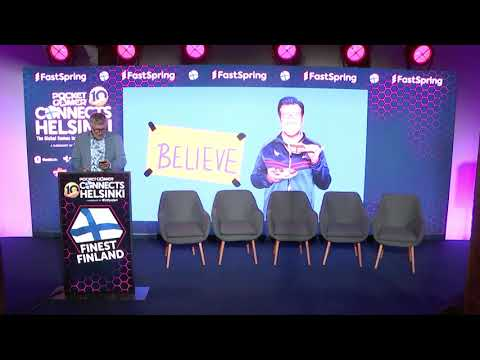
[Music] [Applause] [Music] thank you [Music] next up we have a fireside chat hosted by Neo games and featuring the Two Big R's remedy and Rovio so good morning everyone fires should I chat about sustainability I am Elena from Neo games and I have today with me two different companies as mentioned Rovio and remedy so two different platforms both of them having knowledge and interest in sustainable this topic so super happy about having you both here is sustainability manager from Rovio and
is head of corporate development and IR from remedy entertainment let's jump on discussion right away the slide is still missing there but we see them there but anyway we are gonna talk about sustainability as mentioned and we're gonna start with sustainability strategies we should have the slide soon there behind me but anyway both ravian remedy has their sustainability strategies and I would like them to introduce the strategies a little bit but it's little hard for them to probably explain if we don't see anything it's on the basically let's say the tear but not behind me well it's so simple anyway we can talk about that yeah if you feel like starting a go ahead don't we yeah so
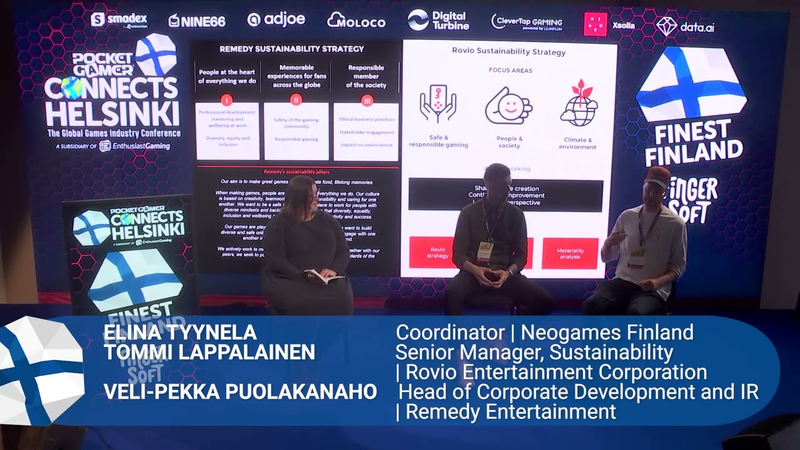
talking about probably a sustainability strategy this is a bit like three years old now uh so we have three components here three important pillars one of them safe and responsible gaming which is talking about the sustainability of the core of our products uh then we have people in society talking about employee well-being diversity Equity inclusion and a contribution to the larger society as well and then lastly of course climate and environment every modern day company needs to have have some kind of agenda on climate and environment as well and then about the way of working how we approach these things uh there's three components shared value creation this is something where where we want to find those initiatives those opportunities where it's good for business and good for sustainability those initiatives have have longevity and then of course continuous Improvement that's really important Concept in sustainability not where you are today but where you plan to be in
the future so that's really important mindset for for every company managing sustainability and also long-term perspective we are not doing this ad hoc based we are talking about planning five years ahead so it's really important to have have also strategy to plan it ahead and the foundation of strategy is based naturally under obvious strategy the business strategy our mission and values and material the analysis which then guides what to focus on what to live out and that's it yeah thank you I will jump a little bit behind here so people can see a little more when you talk about that bus please go on fantastic so we obviously have a lot of similarities um uh why are we doing this well threefold we want to make uh naturally remedy a better place to work a better place to operate and a better business partner for for everyone and sustainability is one key area for
that um our sustainability strategy is defined by three key pillars people people at the heart of everything we do as we all know games Industries yes it's a heat driven industry but it's even more a talent-driven industry and and that's why you you really need to be people need to be in your your focus um there we have two Focus points uh one is obviously di factors the other is professional development mentoring and well-being at work which is more about you know how you feel about being at remedy how your career is progressing and and how we take care of uh our our workers and our talent the second one like with Rovio is about the gaming so we make gay great games so memorable experiences for fans across the globe they're the two aspects that we have defined are
responsible gaming similarly to to Rovio and then there's safety of The Gaming Community I mean our games are made for players so we do need to make sure that the gaming communities are I mean we have zero tolerance for harassment and and they are safe environments for players to to enjoy and the third one is responsible member of the society here we have impact on the environment as as one sub point I mean naturally we don't do need to take that into consideration and educate our our staff and and make an impact uh for for the surrounding environment and uh and uh Society we have ethical business practices as a listed company but as a company in general we need to make sure that you know we do things the way they are supposed to be done and and in a clear and visible Manner and then there's the stakeholder engagement which refers to
us wanting to proactively you know impact the society for instance together with Neo games and other organizations like that to make the games industry a better place to work and and attract more Talent thank you it might sound quite a lot so I would like to hear a little more details about building this kind of strategy I know that remedy has quite recently started built this church so please could you well tell us a little bit more about building this kind of tear certainly and and please cut me off if I'm be if I start to get rambling so obviously remedy as a as a sort of a game industry Pioneer I mean we've been operating for years I've done a lot of actions have taken a lot of actions on these different fronts however last year we started to take more efforts into actually distilling them into a strategy that we
can Define them that we can live with the first step that we needed to take was to figure out what is material what what what are we supposed to focus on you know there's like a million things sustainability is buzzword what's going on what what we should be thinking about materiality analysis is a tool to do just that so you ask your stakeholders your employees your partner's series of questions to Define what they perceive as being material what are those key topics that they see as being really important from a sustainability point of view we did this together with a partner Milton um to to Define that and we got a real really really good answers from both questionnaires or quality quantitative data as well as qualitative data and through this we were easily able to
identify several topics uh for instance people topics were perceived as really material really big things for for people all around uh be it the professional development side or then di matters and and then the second I think biggest category there was was about the gaming was about the products themselves especially when it comes to uh the the safety of The Gaming Community being you know very very you know nurturing positive you know Behavior positive doing and and on the other hand being strict on on the negative side of things one thing that was a bit surprising from there I just this is just an anecdote that environmental factors were not that you know highly rated however we feel that they are obviously important things and we wanted to take them specifically to the to the agenda as well
um it's it doesn't mean that people wouldn't have rated them highly they were high but compared to some other points uh but I guess that's down to the industry we are in we don't actually pollute the world uh that much um from that we started work grouping uh uh with different people we we set up this group uh where we brainstormed things and and went through the the data there were people from our board of directors from our core management team from our game teams from people operations so basically across the organization the filter in that data and and understand what not only what is material but also where can we impact the most do I still have time [Laughter] um and uh through this work we were able to now create and set this strategic sandbox if you will
with three pillars and seven Focus points and now what we are doing currently is finding those business owners in the organizations those Champions who are responsible to take those initiatives forward as Tommy said it's really iterative work I'm I'm not saying that we are ready in all of these we have we earlier this year we made a conscious decision to start with the people pillar work on those topics and and and get them moving which we have done we'll talk about those later we have done a lot of work on some other bullet points as well or Focus points sorry and uh towards the latter part of this year we will start working more on the gaming pillar as well as you know focusing more efforts on the ethical business practices meaning different policies guidelines and things like this so it's you know well it's not ready but it's
it's never gonna be ready we it is an evolving thing and we need to you know keep on keep on working step by step yeah eat an elephant one piece at a time as some people say I'm not sure if it's that if that's too kosher to say but anyway but that's that's that's that's jump to the player part because it's on both of your strategies there uh tell me could you share with us what kind of strategy uh action sorry do you have in Rovio when it comes to player part of sustainability yeah like of course players with gaming companies that's that's the bread and butter uh if I kind of try to highlight what's been done recently and where we have been focusing is that uh one of the recent ones is that we are developing this kind of a tool for our game teams uh playbook for inclusive game development and marketing so here
we try to address things and and try to provide our game teams the tools how we can for example think about it the in the very early stage of game development uh how to have proper representation of our society within a game how we think about accessibility are those games inclusive enough are we excluding some parts of of our society some parts of our players that we just tell stories that doesn't fit to them so for example like those are quite simple things but you just need to think about it like for example let's think about color blindness as a disability if you have a possible game that's full of bright colors do you also offer different shapes and sizes that people who have can't recognize the colors can still play the game so those things are really important and that's why we wanted to create a Playbook then we also have a few years ago we developed probably a player
safety policy where we address what kind of user generated content you can have in our games more social features you have voice chats chats uh then you have user generated content nicknames Guild names players are quite creative where if they want to have those bad words in the game so that's something you need to moderate and think about uh and also one thing I want to highlight is that that you are not alone when you think about the sustainability practices many companies like us like remedy like others are really willing to share the learnings so for example fair play alliance is a good good Network and membership Alliance for us where you can kind of have good some good good resources and good networking possibilities with different companies [Music] then about the people so people making the games well is what kind of actions is there in remedy when it comes to diversity inclusion and equity
well you know people as I said it's it's it is a core component and it's not only about Dei uh it's it's also about this you know as I said professional development mentoring well-being at work nurturing that talent and making making them better and making them feel good making them you know making creating great teams that's that's hugely important when it comes to Dei uh that's um you know one area where we've worked a lot on this year we initiated or started the Year by setting up a DI working group uh so a bunch of people from different parts of the organization to bring in that knowledge the thing is that you know even though I'm you know very passionate about sustainability I don't know everything and I don't certainly I don't know everything about di but we gather different people um with the purpose of you know looking at
the current situation uh assessing where we are good where we need to work on uh in order to increase diversity of thought in the company so it's not just about diversity so hiring more men or women or things like that but also increasing the diversity of thought so the people with truly different backgrounds and mindsets getting that talent pool into a more diverse one preferably when getting more applicants with with broader backgrounds so we can then actually choose that best talent and build that talent pool into into even even a better one that's right the hiring is all about the Merit and about the talent but also that we get the people to think about these things when acting as a hiring supervisor that okay do I just want to hire bold white bearded guys like me even though I like me of course but it
perhaps it's a good idea to think about that we might want to have a have also different people from different parts of the the society there that's true what we are other things doing there is now redefining our guidelines and policies when it comes to something like anti-harassment and things like this it's it's an important topic uh that we want to you know get get into get into get updated we want to create a proper roadmap for the years to come so that it's not just about you know events or single things or small fixes here and there but but how do we how can we improve those matters over a longer time and over several years yeah yeah it's really important thing about inclusivity like for example we are in Finland if you talk about only finish in your company and you try to hire people abroad that's not very inclusive so the diversity actions fall into drain if you don't have the inclusive the stickiness of hiring
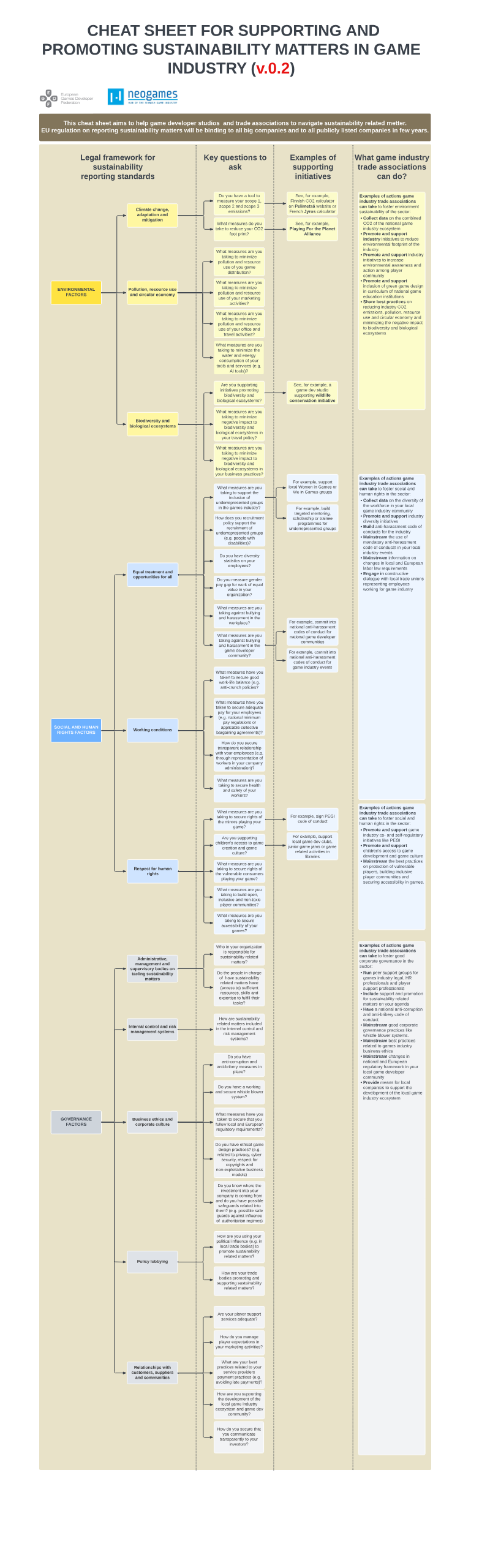
diverse people this is actually a really good point and relates to managing those teams and and making everyone feel good feel safe even though you are from abroad or from a different school or or school of thought and that boils really down to the company culture the management the leadership capabilities and and things like this and it's something that you actually need to actively think about that's true um about environment before asking anything I have to make some advertising here if you're interested in calculating Your Studios CO2 emissions there there's a calculator for that in Billy mitza website so please check that out it's a great tool thank you that wasn't fourth fourth advertise from that that side um Ravi has been calculating CO2 emissions for quite a while now how important do you think is to know the emission level and is there some create this biggest
most important learnings you have had there yeah yeah we've been doing that like heavily like five years and of course like with games companies you know that you need to have your data right so if you want to manage your emissions if you want to reduce your impact to climate uh of course you need to know where you stand today you need to know what are the hot spots what are the big pillars where does your emissions come from so of course that's a really important starting point uh and and the top advice I always give to different companies different Indie companies who approach me and ask like where to start well start somewhere this is something that as I said continuous Improvement is really important so you need to start now you need to start today but you don't need to be perfect after today after year one so you gradually improve you can start calculating carbon footprint of your offices maybe add a little bit travel to that and then
gradually improve your calculation methods maybe bring in a consultant or some external party to verify that am I doing okay so that's that's my key recipe for that and like you would think that climate science is an exit science but when it comes to carbon accounting it's not ready it's not exact science so you need to set your boundaries so that's really important but of course if you start small uh be transparent that I'm only doing this part and I'm thinking about it and there's no shame in that you know starting yeah that's what we have done as well you know book by baby steps to the elevator yeah exactly but to start somewhere around and carry on when you can yeah yeah um at this moment I would like to ask if there's some question from audience side about sustainability no worries I I was prepared because I have one very good question in my opinion um about the future is there something
regarding this topic so sustainability that you are really looking forward seeing more in the future well I'm thinking that that it's just the road for the gaming companies to come we are many times considered as a kind of a young industry but not so young anymore it's a standard thing that you have your sustainability practices up and running uh so whether you want it or not it's coming so why not give it a go right after today actually that's that's a good good reply it is it is interesting to see what what you know uh all sorts of new things are coming some by regulation but but some by also sort of voluntary work that people just want to make uh I mean people want to enjoy life where they work and and sustainability is is one way to increase enhance that that make companies better and and uh and you know
lower turnover uh it's always better because people love to do that with great people exactly yeah thank you thank you Tommy for joining me to this fireside chat thanks everyone in the audience if you want to chat about this with us after this please just crap our um sleeves and come and talk to with us but thank you all thanks [Music]
Summary
This discussion outlines the sustainability strategies of two major Finnish game developers, Rovio Entertainment and Remedy Entertainment, emphasizing the transition of the gaming industry toward formalized environmental, social, and governance (ESG) frameworks. Both companies identify three core pillars for their sustainability efforts: responsible gaming, people and society, and environmental impact. The primary objective is to integrate these practices into long-term business strategy to improve employee retention, foster inclusive work environments, and ensure ethical operations.
Key findings indicate that while the gaming industry is talent-driven, companies are increasingly prioritizing diversity, equity, and inclusion (DEI) alongside professional development. Both organizations utilize materiality analyses—engaging stakeholders and employees—to identify focus areas. Rovio highlights the importance of inclusive game development, such as creating playbooks for accessibility and implementing player safety policies to moderate user-generated content. Remedy focuses on building diverse talent pools and fostering a culture of psychological safety to mitigate turnover and enhance creative output.
Regarding environmental sustainability, the speakers note that while game development is not a high-pollution industry, carbon accounting remains a critical step for corporate responsibility. The consensus is that companies should begin by measuring their carbon footprint—starting with office emissions and travel—and gradually refine their data collection over time. The speakers stress that sustainability is an iterative process of continuous improvement rather than an exact science.
The discussion concludes that sustainability is becoming a standard expectation for the gaming sector, driven by both upcoming regulatory requirements and a voluntary desire to improve workplace culture. By adopting long-term, transparent strategies and sharing resources through industry alliances, studios can effectively address the evolving demands of players, employees, and the broader society.














Comments