
Challenges include the unpredictability of the industry. Companies need professional management as they grow.
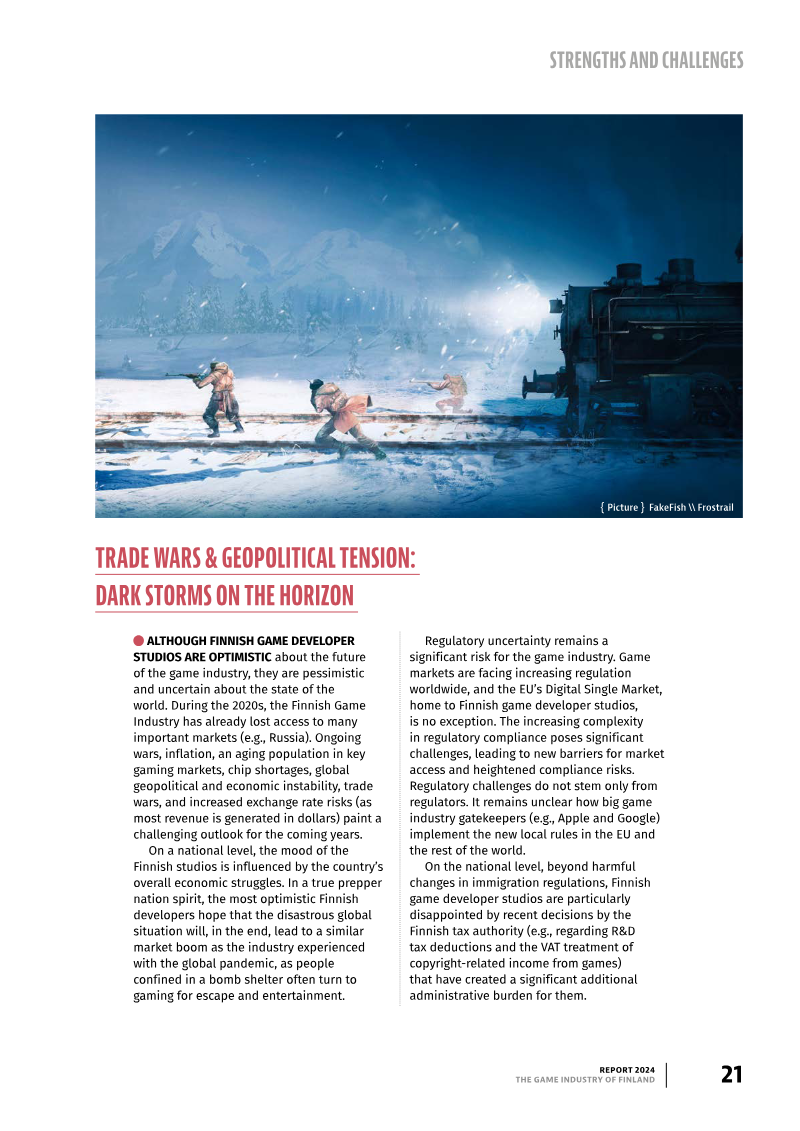
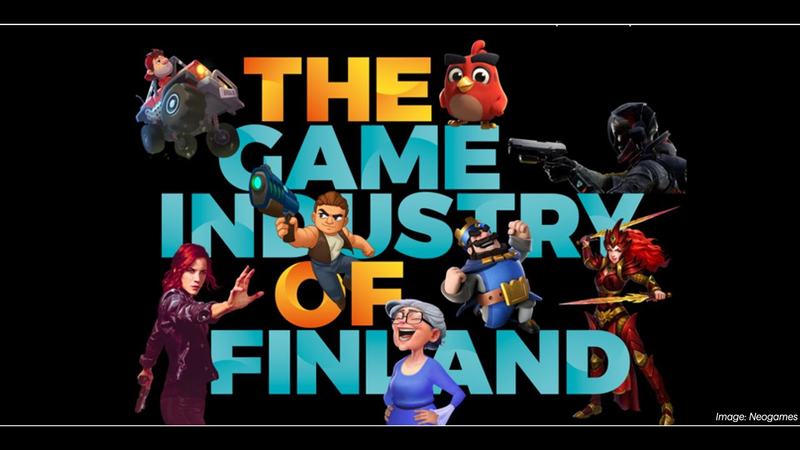
The Finnish game industry reached a pivotal stage of maturity in 2016, transitioning from a period of rapid, unchecked expansion toward a more stable and consolidated business environment. Despite a slight contraction in the total number of active studios from 270 to 250, the sector demonstrated resilience by generating a total turnover of €2.5 billion and maintaining a stable workforce of 2,750 professionals. A notable indicator of this maturation is the record number of studios surpassing the €1 million annual revenue threshold, signaling that while the market is becoming more competitive, established players are successfully scaling their operations through improved strategic planning and professional management.
Mobile gaming remains the primary engine of the Finnish ecosystem, yet the industry is actively diversifying its portfolio to include PC, console, and serious game development to mitigate risks associated with mobile market saturation. Developers are increasingly contending with rising user acquisition costs by leveraging influencer marketing and cross-media branding strategies. To sustain this momentum, the industry is shifting toward data-driven design methodologies and expanding its international recruitment efforts to address a persistent shortage of senior-level talent.
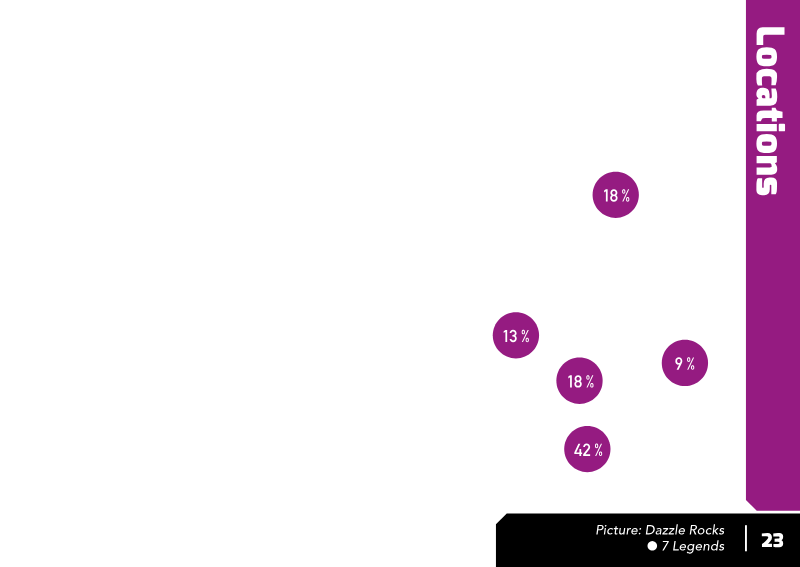
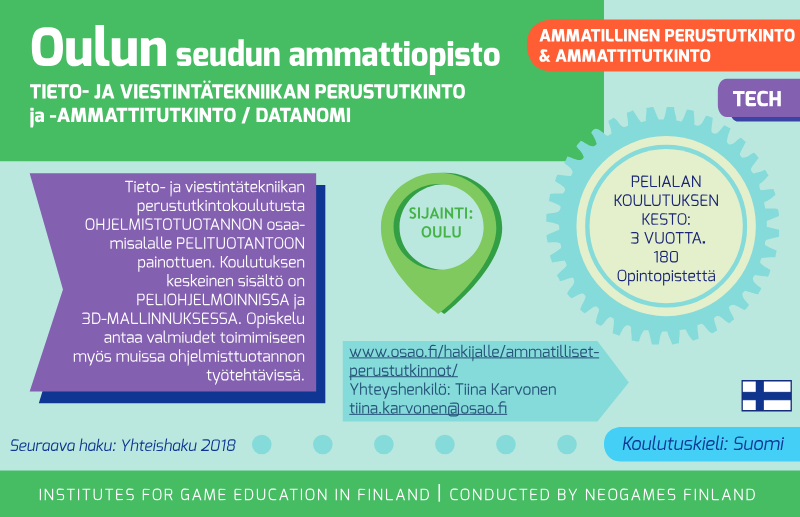
The long-term viability of the Finnish sector is bolstered by a comprehensive, multi-tiered educational pipeline that integrates coding and game development from primary schooling through university levels. This robust infrastructure is complemented by a decentralized growth model, as 63 percent of new studios are emerging outside the capital region, supported by localized incubators and regional development hubs. By fostering a strong community-driven culture and maintaining active support from national organizations, Finland continues to navigate the complexities of the global market, positioning itself to adapt to evolving regulatory environments and shifting consumer demands.
Neogames Finland · 2024
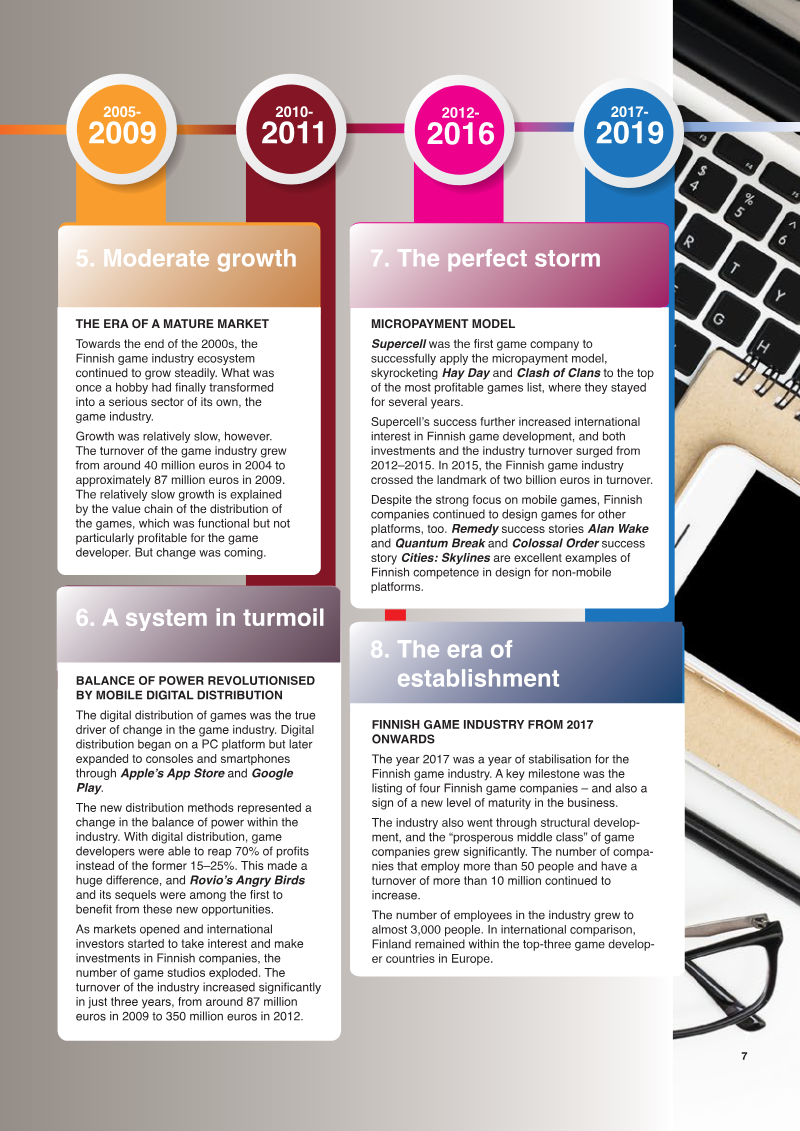
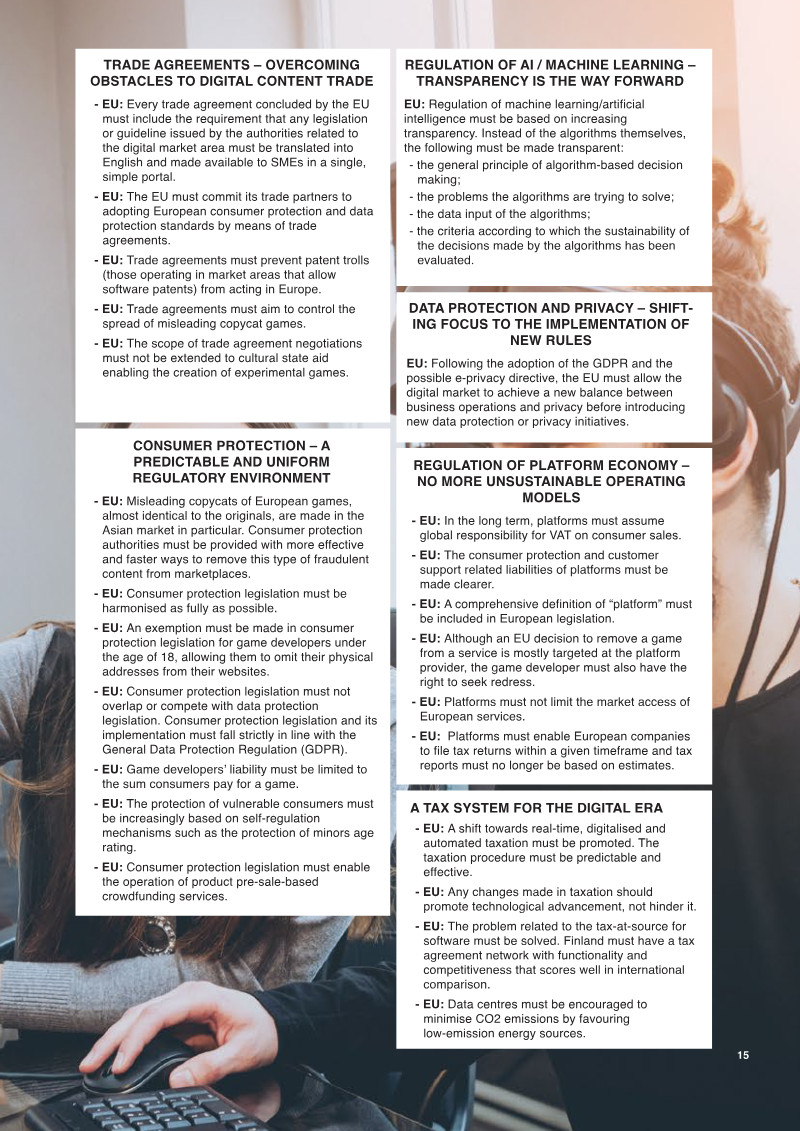
Neogames Finland · 2019
Neogames Finland ry · 2019
Neogames Finland · 2018
Neogames Finland · 2015
Finnish Game Developer Studios Association · 2021
The Game Business · 2026
The Game Business · 2026
Deconstructor of Fun · 2026
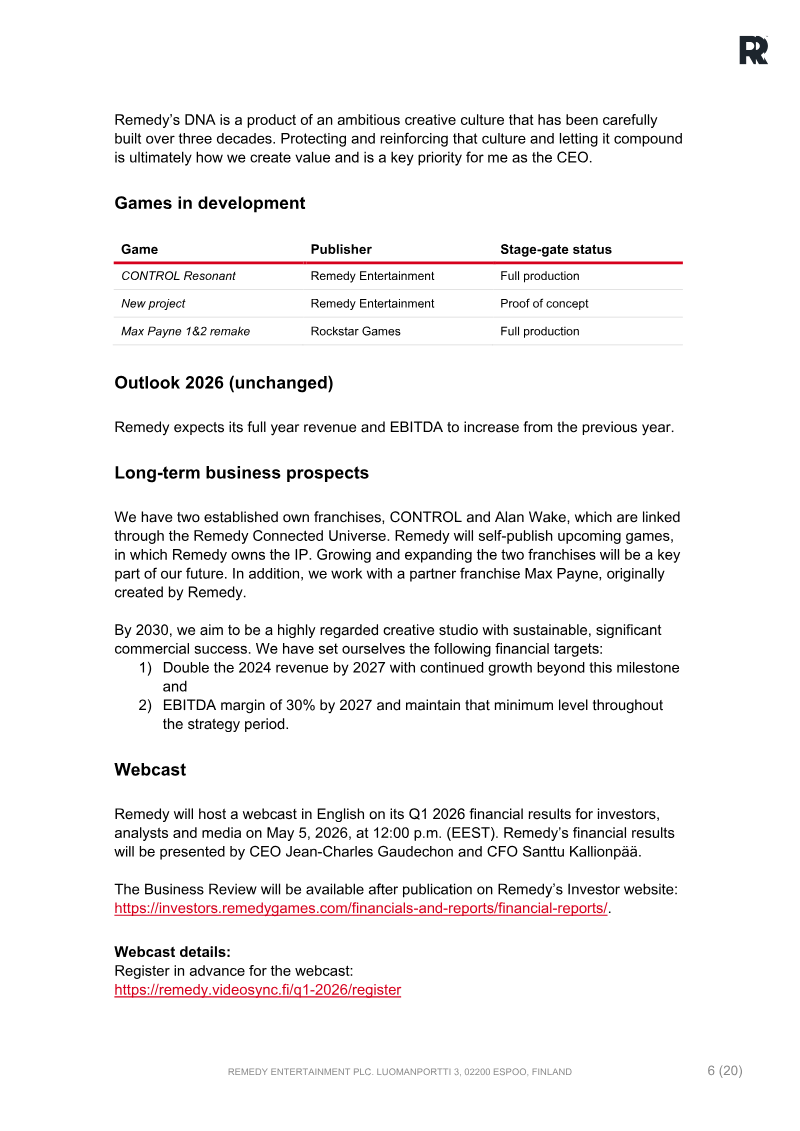
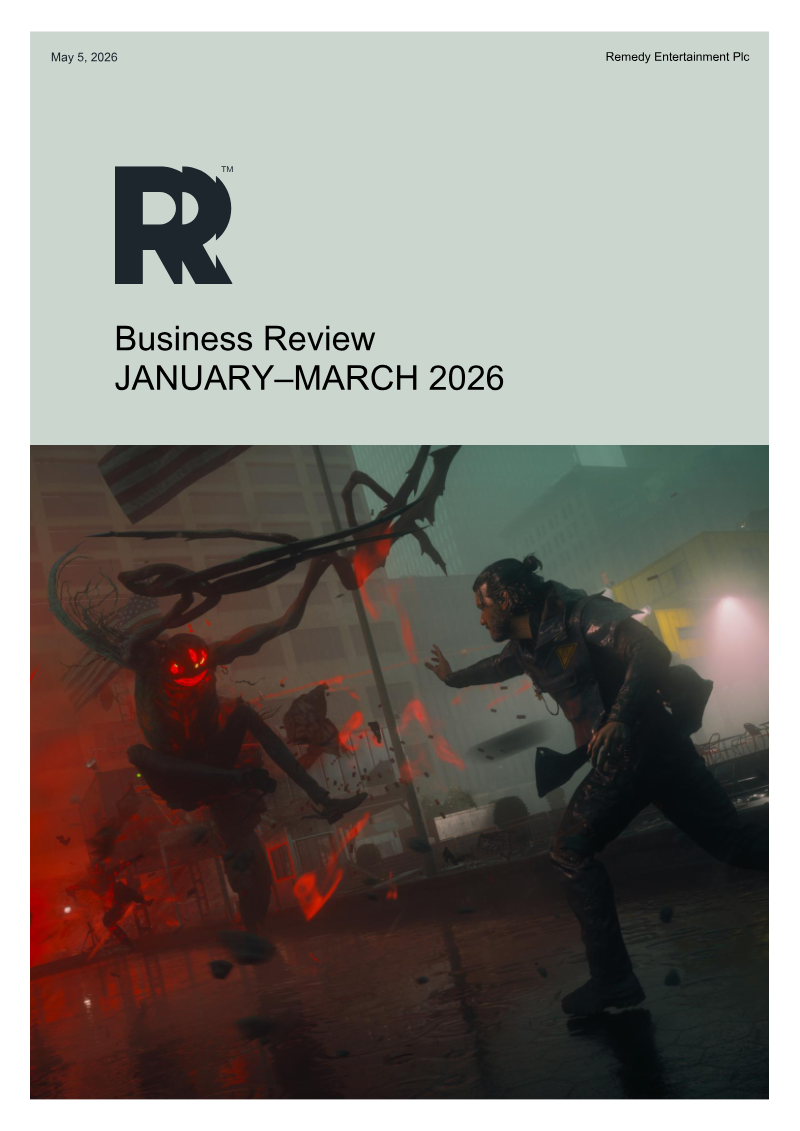
Remedy Entertainment · 2026
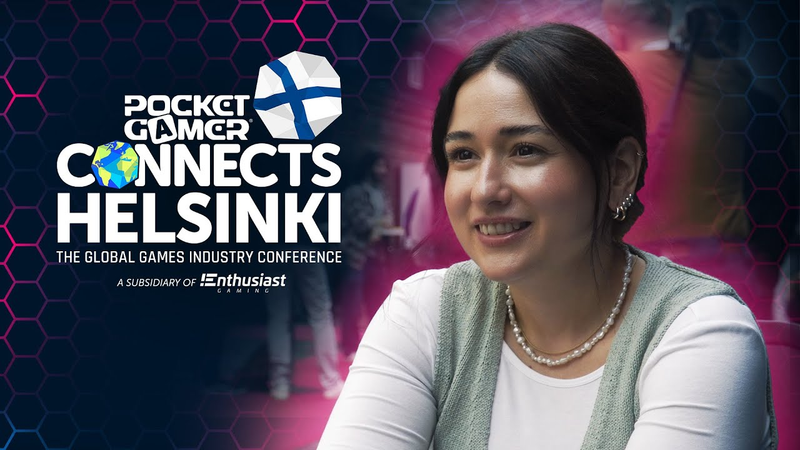
PocketGamer.biz · 2025
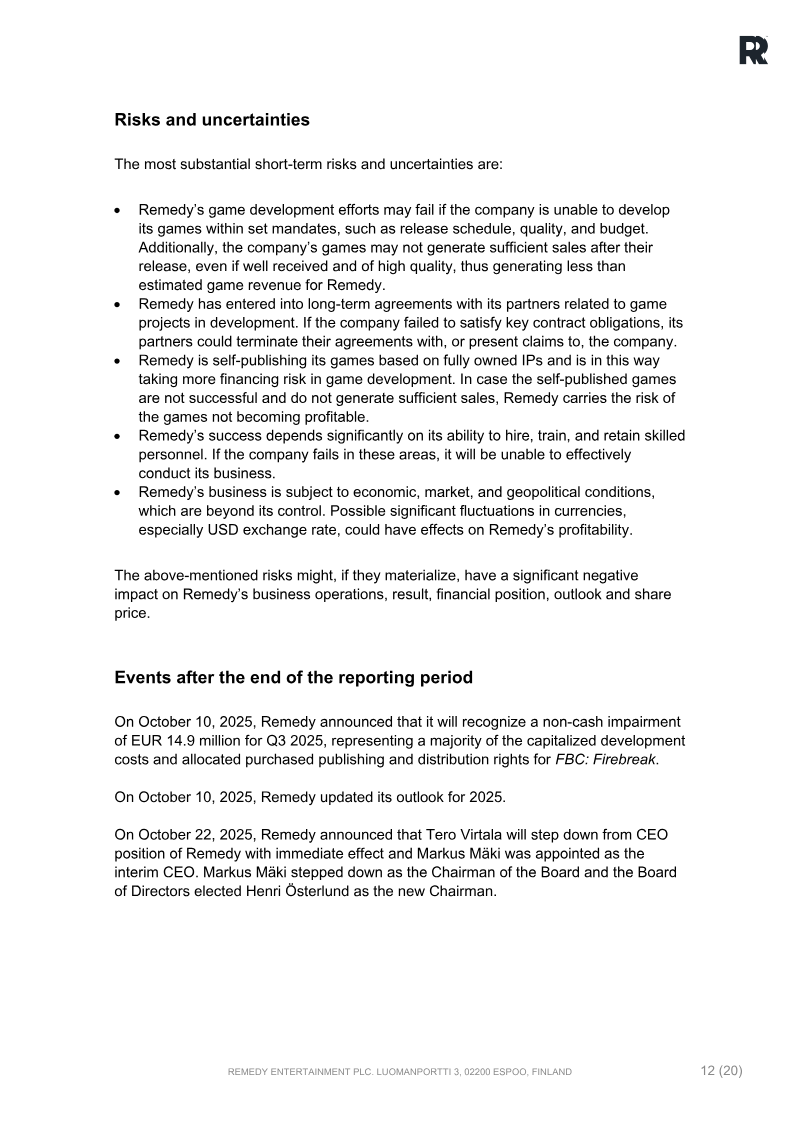
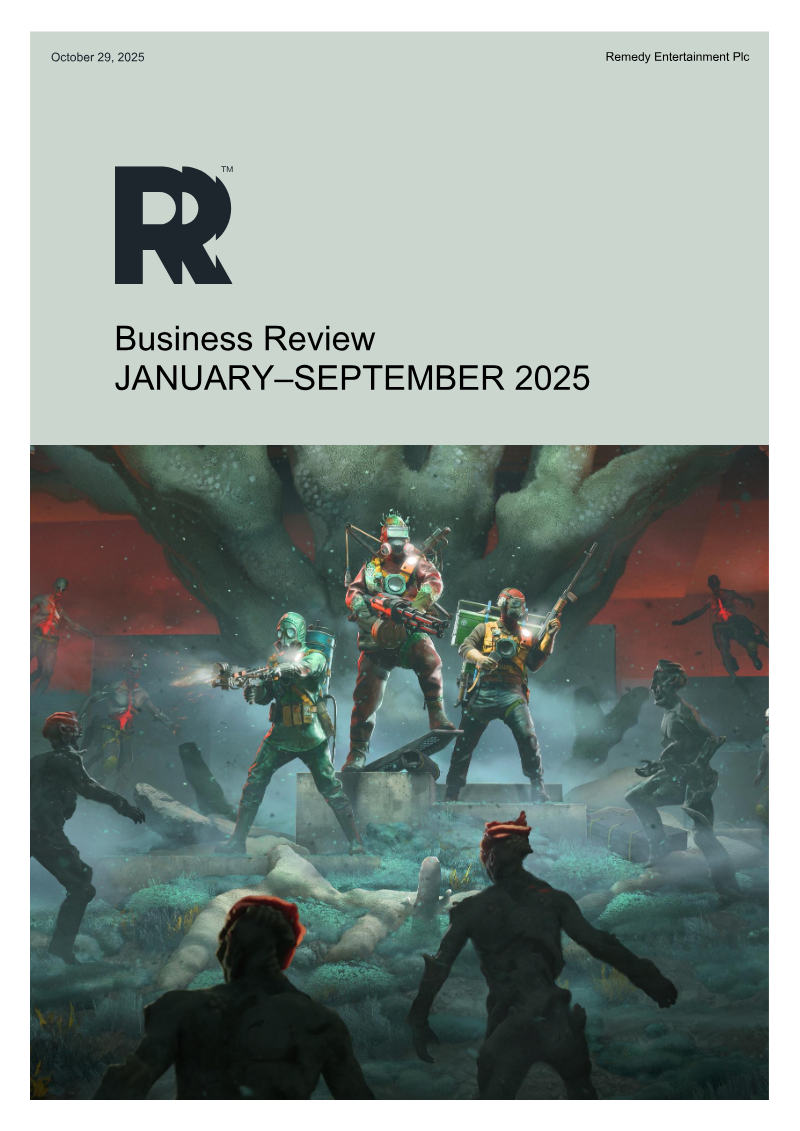
Remedy Entertainment · 2025
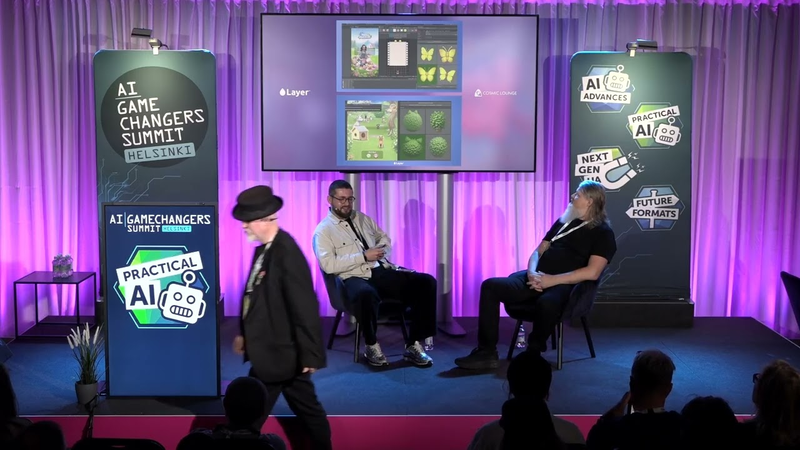
PocketGamer.biz · 2025

Deconstructor of Fun · 2025
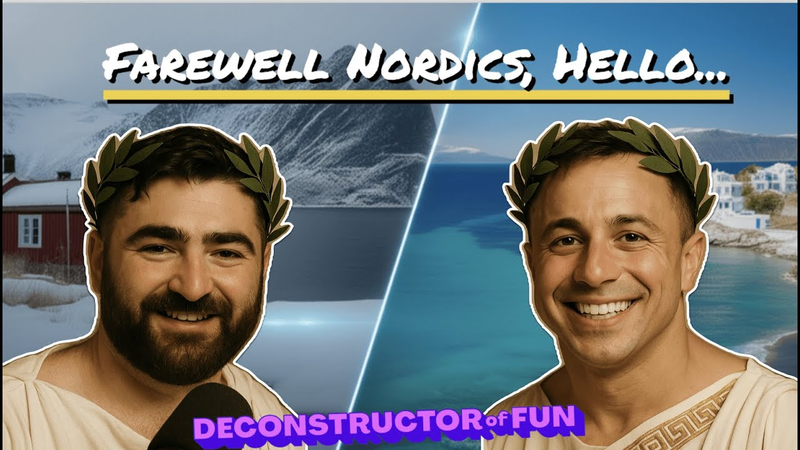
Deconstructor of Fun · 2025

PocketGamer.biz · 2025
Deconstructor of Fun · 2025
Comments