1 free read left. Create a free account for unlimited reading + AI research.
Create free account
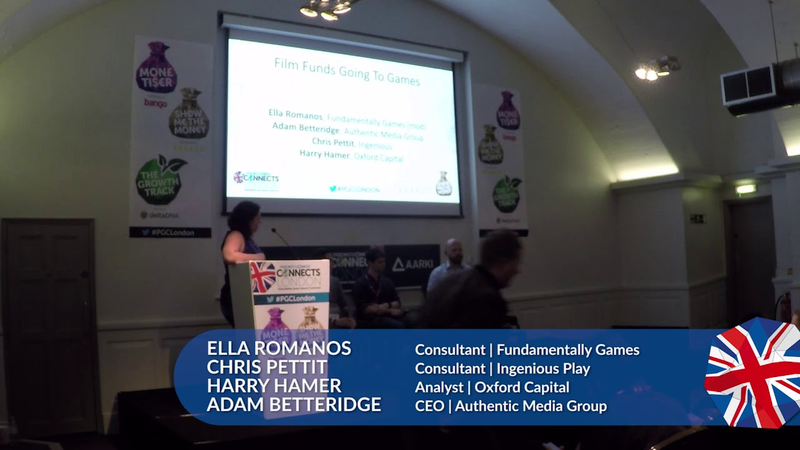
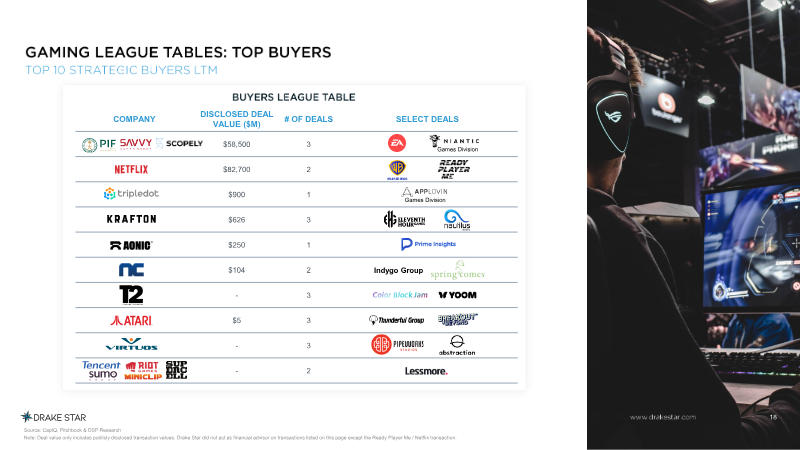
Film funds going to games
Key insights
6 takeaways- 01Financiers are leveraging established film-industry financial models, such as tax credits and distribution networks, to provide developers with alternatives to traditional publishing agreements.
- 02Film financiers are shifting from project-based film funding to long-term equity and debt investments in game studios to foster sustainable business scaling.
- 03Investors now require management teams to demonstrate commercial acumen and the ability to utilize data-driven revenue streams to ensure operational stability.
- 04Investment targets are specifically companies with robust internal content pipelines, strong IP portfolios, and the ability to exploit emerging platforms like eSports and smart speakers.
- 05Investors are prioritizing studios that utilize games-as-a-service (GaaS) models, which are projected to outperform traditional premium sales.
- 06Capital allocation is heavily focused on the cross-pollination of film and television intellectual property with interactive gaming to create interconnected entertainment ecosystems.
Ask AI about this video
Transcript
[Music] right to get started I'm just gonna ask each of the panel members to introduce themselves hi everyone Christmas it I'm the fund head of ingenious play which is our new games funder ingenious quick introduction to ingenious in around 20 years one of the largest investors in the creative industries in the UK we've invested about 8 billion pounds over the 20-year period primarily into film and television we've had various investments in games over the years and my demands has been to develop a new investment strategy for our games sector hi I'm Harry I'm part of the media team ox
capital we're a venture capital firm with 20 years experience kind of building businesses so we have three kind of main strategic areas we have tech venture capital where we're the third most active early stage investor around the kind of C Series a level we have instructure where we invest into certain wind farms as well as real estate and then also media which saw our kind of newest investment strategy and we have a 10 million pound film from the way that we have now deployed and we're now looking at TV and games opportunities hi I'm Adam better age from authentic Media Group we specialize in consultancy services to a number of different funds working across the creative industries I've worked in the film industry for about 20 years now and it's interesting to be one of the film fans moving across to games because actually we've been working in games for about four years now and worked on a number of transactions which such as the
provision of debts so velocity capital accelerating tax credit payments as well as add an app store revenues and also work with a number of investors and funds on s-cis and E is fundraising so equity fundraising honest I also do consulting I work a lot with Adam and various that the investors that have been here this week today even so I'm gonna dive straight in I'm gonna ask a couple of questions then I'll open it up so if anyone does have requests just feel free to put your hand up so let's guess that why our film finances going into games what is it that's made that transition happen why not the main question why haven't they sooner probably another one I think you know it is fair to say that investing in the creative industries generally is quite similar I think there are similarities about working and bridging the gap between financing and creativity that
certain investors have become very experienced over the last 20 years like ingenious and I guess when I joined ingenious 18 months ago I was surprised that it hadn't invested in the game sector for the last 10 years so I think there are natural synergies between working with creatives across all industries and I think if you structure them in the right way you can harness that in the video game sector and I think well we we're focusing our main attentions on the game side is to use all the skills we've learned and employ those same strategies as we help build the companies we're investing into and I think also to add on to that I mean it's great point about kind of creativity an IP have a greater understanding about that and IP being more fungible than ever that we have that expertise and kind of coming over of the different domains from kind of film to to games but then kind of moving beyond that also it's just it's a matter of market size and we are kind of we are VCS and therefore finance does Drive the kind of
after salaries at the end of the day and so with games now I mean the games market is now bigger than TV and video there was a kind of latest report and so there isn't there is an element of there being the the rapidly expanding market but then also fantastic new opportunities that have been built out from the UK and that I think the UK is very well placed to to perform on that on the world stage I think that relative to any other sector I think the UK is best placed to to have the kind of the next big gaming company so I mean I'm really excited about the opportunity there there's not so much I can add to what's already been said except maybe two mentioned some of the challenges that our industry such as the domination of Netflix has quite massively changed the traditional method by which many finances that many producers will go about investing and creating films so
amongst those challenges its kind of forcing people that were traditionally invest in an industry that they very well understand to see that at the moment kind of go through various changes which means that they no longer understand it quite as clear as they once do it once did and so are now in a position that they're looking beyond the film industry at you know a number of other creative industries and I think the video games industry is doing a fantastic job presenting itself to the world currently a lot of growth a lot of excitement and so that is a very clear target I think amongst a number of organizations that were traditionally invested in films and what are the good maybe not so good aspects of from a developer's point of view of film finance is coming into games I mean I think we slightly touch upon this with our answer to the previous question but I think there's definitely an element of their being divided between kind of a tech VCS who are coming or have previously invested into scalable businesses where you have negative unit
economics but you have that kind of one product that you're gunning for and once it reaches scale that it's positive whereas on the on the other hand you have kind of a content generating companies and it being more hit driven business and from like kind of us coming from I think we definitely understand that and that we can have the patience to actually achieve the right content and to introduce them to our network of creatives but then also have the patience and have have the advice honestly about kind of where the company's going on what content we want to kind of put out there really you know I think patience is the key isn't it so from from a ingenious play perspective we're looking and investing over a five-year period minimum so I think it's about giving those creative management teams the ability to breathe to recognize what their business strategy is and to work with them over an extended period of time you helped build those businesses so could you just repeat the question I missed the beginning just asking what
are the goods or maybe not so good aspects from developers point of view of film finances coming into the industry the good and not-so-good well I think I mean one of the benefits certainly is that film finance is film funds do have extensive networks of investors they're very used to working with high net worth individuals so you know their network if nothing else is something that would be a pleasure I think for a lot of people to be introduced to its saying that there are going to be some adjustments that people are going to need to help film funds make because the way in which we might touch on this in a moment the way in which film financier is traditionally invest it tends to be more project-based rather than VC Bo there and I've already been a number of discussions where film funds are kind of sort of slightly struggling to adjust to this kind of new way of being I mean I I just like to as in that's completely true although there's and although we're now kind of more up saying you don't have to educate us necessarily on the
content play there is also there are film funds who only previously it's been kind of more project finance basis as Adam was saying there begin kind of SP v's and therefore the mindset of a lot of finance here's has been kind of short term and therefore they're coming across to equity finance and they might think in a similar way and ultimately it's it's up to them and it's up to you in order to educate them and say no Luke this is a long-term investment you're gonna be on our board for the next five maybe ten years and that's kind of I think in the 1970s or 80s that was the average length of a marriage so it's just think about it in that way that we're gonna be there for a long time and therefore you need to and we need to provide kind of the sufficient value out that we can advise you that we can kind of be with you through those times helping you scale that business but then also producing great content and that's kind of what we're all about because yeah I think one
of the biggest advantages actually is probably the fact that most of the creative people that I've worked with over the last 20 years have a better or worse being quite siloed the type of intellectual property that they're creating and they've always viewed it as a television program as a film as a game and I think it's not it's all of those things and I think one of the greatest things about bringing people who have funded and have relationships in other sectors but are adjoined is that cross-promotion is being able to sit with a company and say this is a great piece of IP this is a great franchise forget about it being a game what is it really it's something that a consumer will like and we as an investor investors understand a different piece of the market and can help you access that so not only do we bring capital and experience we also bring access to a whole nother market whether that be in film or television you know books music
publishing a whole raft of different areas that actually complement perfectly what you're already doing in your businesses but probably don't have the relationships or the time to think about so what we're doing is we were able to come and say yeah we think this is a good investment opportunity and by the way we think it's a good investment opportunity because we think we can help build your company up in many areas that you never thought you could I can't just touched on this but obviously there's a lot of similarities between filming games but there's also historically been quite a lot of difference in how this the funds are structured and be just if you could talk a bit about kind of how film tracks are typically structured things and how you're applying that into games and particularly the sort of thought that might be different or worth worth highlighting yep sure so as I said it was attended to be project-based and the way in which you know someone would typically approach a film transaction or a film project would be to look at the
collateral that's available in that you know look at what they can what might have value and up to what extent that was a certainty and trying to establish the certainty of certain aspects of the collateral say a tax credit was actually relatively straightforward presale contracts so this is where a film at the concept stage is sold to a distributor who would when the film's completed put it out in the cinema and so savvy film producer would negotiate these pre-sales and a number of pre-sales on that on their project in order to then approach a bank who would then lend them the money against that presale contracts so effectively this enabled film producers to raise in some cases quite substantial amounts of money secured against their tax credit and presale contracts now this sort of
arrangement obviously we have tax credit arrangements and games not so much presale contracts I know that it's into games but the way in which the distribution network works is that each territory around the world so each yet territory around the world would have its own set of distributors so rather than going to one publisher who would cover the whole world you would go to a series of distant different distributors some in Australia some in the UK Germany and so on so you would need to have quite good relationships with a whole range of different distributors based all over the world and this is where the role of a sales agent would generally come in which is an organization that would have all of these relationships with distributors all over the world so it would be important for a film fund to basically have good relationships with both the distributors and the sales agents in order to negotiate those
presale contracts so typically that would be in in some cases you could get up to 70% of the budget of a film would be secured against the pre-sales and tax credits and then the remainder would be equity which typically would come from say an EIS arrangement yeah I mean independent film financing which I suppose is probably the best analogy to draw here is hugely complicated and there are not only many different moving pieces and number of bits of the jigsaw you have to piece together when you're putting together your one the monetization model where those revenues come from how they're collected who's responsible for paying them are huge and complicated and require a huge amount not only of diligence but also legwork in collecting those revenues and I think what certainly from an ingenious perspective we're finding particularly refreshing about the games industry is those
monetization models are a lot more straightforward there's a much simpler route you know revenue stream you can understand that you're dealing with counterparties like Apple and Google you can understand those revenue streams very clearly I think one of the things that's probably frustrating us the most is how expensive the publishing community is and how much they charge in comparison to say film and television where you've got models of between say five and twenty five percent we all know how expensive publishers can be on the game on the game side so I think we're interested by how the model has thus far developed in games and we hope by coming into it we're able in many areas to disrupt what's happening and be able to create an environment in which we can coexist with publishers with developers and actually probably in many ways play slightly more power back in the hands of the developer in this relationship and build out their bottles and their businesses and I think as more film finance is coming to the market they're probably gonna be able to upset that
applecart a little more I mean I just like to add because I actually had a six months on the tech venture side and then I went into films and then I came kind of back and so it was quite kind of intriguing to me because when I talked about actually previously I'll talk about proper equity investment into the underlying company and so I helped them kind of two deals early stage with that but then I came to the film world and equity is almost at the bottom of the waterfall and it's viewed as bad or what kind of a soft money as it were that with this SPV structures Adam as a kind of outline that you would be kind of lost on this water full of money kind of trickling down and so it's great that kind of now where we're coming back and we're properly investing into it isn't again short-term you don't have these at least for us we're not looking at the project financing but we're actually looking in the the team and we've we've got to gain investments previously under a previous strategy of tech ventures we kind of
warm business there's a great game but the team itself wasn't great as Amit was there's some kind of that there was dysfunction and ultimately end up being liquidated put out some great games so and then the other one is called outplay they're up in in Scotland doing very well and that as in great founders and so for us it's really a team bet as to okay what are they one of the founders what's their track record what is their vision for that for that game how is it unique within the market and so that's for for us it's having that commercial analysis to both are creative but then also the financial structuring to enable visitor scale so I think that we're very well pleased to do that any questions audience okay right and I've got plenty don't worry so can you talk a bit about what you look for when developers approach you in particularly you know what should they understand and is there
areas that you may focus on more or differently to finances that they may be more used to sure so we it's probably fair to say we go 5050 50 company 50 games so we spend a huge amount of our time analyzing their management team and everyone always says that what does that basically mean it effectively means you know can we work with this management team for a minimum of five years do they have something that is special and unique do they have an element within their business plan that we think is going to enable us to scale that business substantially over that five year period so when we're looking at a management team we're really thinking right here's a business plan it's going to look like a hockey stick I don't think I've ever seen a business plan that doesn't like a hockey stick can they deliver on that hockey stick can they actually deliver on it do they do they have the right where we all is the underlying strategy there do
they have the route to market do they know and what we want to know is where where are their deficiencies in their business plan where do we think we can add significant value so as to keep on that natural trajectory so I think on the team side hugely important to us and it for me it comes down to a spark it comes down to the people and if you don't think you can work with them for a long period of time then it's not going to work secondly it's the game itself or the games themselves I really want to see a portfolio from a VT perspective I'm not any diversifying across a portfolio of companies I'm diversifying across a portfolio of games so if I don't feel that the games that they're developing are sufficiently robust and we don't think that there's an X Factor to those games then I think the long short of is we're not going to end up investing and we do a huge amount of research into the teams that are developing those games the underlying Jever T of that particular game the market as a whole the data that sits behind it so we'll probably spend at least 50% of our time
analyzing that as well but broadly speaking for me it's down to the team and obviously down to the games of their developing I mean just like to kind of echo that it's the case of okay the families are again going to be there for the next at least kind of five isn't it or until they the company kind of wraps up and it's okay we're investing into people how what is their what is their rationale for this product because if if they're just kind of there for a salary if they're just kind of doing it - were the cogs then will they stick with this company is it real kind of is it a passion of theirs because if they actually love their company if they love the product they're producing therefore they're going to stick through through thick and thin and with startups it's going to be a lot of ups and downs and for us it's about kind of having that founder who who sticks with it who believes in their vision and essentially like for us we're looking for founders who kind of scare us a little bit
because if if there's a like a really interesting or unique opportunity then kind of one has to question okay why hasn't anybody else done that and so you kind of have to have half-half people thinking they're genius and then have people thinking that you're really stupid why are you going into the sector and so it's about its having that kind of either unique content or having a track record within a competitive space that means that you are the best and you will kind of again have that x-factor and I think just to add to that also as well as equity financing I mentioned earlier on debt financing so where companies will effectively lend money secured against certain pieces of collateral in in your business that film organizations are often very versed in this type of financing as well so and in fact that might be their preference in the film industry you might even kind of typically got two groups of finance yes
some equity some to focus on debts so maybe do a bit of research before you approach the film fund to make sure you're approaching one that does the bit that you want and if it is a debt financier that you're speaking to you know maybe have a look at you know what what collateral you have available on your your balance sheet you know what kind of tax could it do you expect to get what are your ad revenues looking like from Google Facebook and so on you know what's going on with the App Store have you just received a statement and you've got to wait you know however many days it is to draw those funds down but you actually could really do with it now in order to boost your UA so just have a think about what type of fund it is that you're actually about to speak to you before going in and pitching to them I mean yeah despite our advertising that's a great positive signal for us because as in games by their very nature a kind of recreational and therefore it's about having a product that everyone enjoys but at the same time there has to be
some underlying steel to it where you have a founder who has this amazing vision that they've kind of really enjoy this game and it's a fantastic game but then at the same time is aware of the business element the commercial acumen and having an idea okay yeah there's this this unique gap in the market and we're going to exploit that yes the games going to be fantastic but it's not to kind of lose the the forest for the trees etc and for them to still have a vision for the next kind of fun but we're in it for with you can we talk a bit about forecasting and your expectations are kind of what you expect to see when people give you a forecast and how you deal with that and how you kind of drill down into that detail I mean I can just add to that the one guarantee about any business plan is that you're not going to keep to it at the same time it's very useful for us to understand what assumptions underlie your business model and so again it's it's more of a signalling perspective that as in we're happy even with people
that we only met one two times actually chat about your finances okay is this a realistic assumption if you're going to have it like a CPI of this and the LTV is going to be this do you really think that's realistic do you have to change some sort of kind of monetization strategy that in order to achieve that goal and so I I think that for us it's useful as to think more about what you'll think about where is this game going do you think that it can be kind of multi-million dollar or pound revenue generator but then also for us to kind of like stress tester and say okay you've presented this this model and we we present our model where we slightly adjusted some assumptions how does this change your your view on things so I it's not a tick box exercise it's more of a discussion at least for for me and for us and I think from our perspective effectively what we're gonna do is take a business buy top to bottom we're looking at every assumption that's been
made from resourcing operational overhead you know there's some times you're making around particular KPIs that you need to achieve to make a successful outcome based on that hockey stick I was talking about earlier and effectively we're gonna look at that we're gonna discount it we're gonna stress test it and we're gonna see whether when we've done all of those things it still makes for an interesting business plan so I think it's an it's a collaborative process effectively when people come to us with an opportunity we're gonna look at it we're gonna analyze all the things I discussed earlier and then we're gonna sit down with you and work to pull that business plan apart and put it back together again but if the key fundamentals are there you a great management team you have a proven track record or if you don't have a proven track record you've got something that's so special that we really want to build effectively we're gonna rip that business man up we're gonna come up with one that we think makes sense if we're gonna still help you on your journey so the business plan for me is about getting you in the door it's about demonstrating to us why you think it's a great opportunity and then it's about working with us to demonstrate how we can work together to
build what you think is a great company so when it comes to business plans I mean they are just one element of our overall analysis I feel like yeah business plan for a company it's you know it's very very difficult to do I'd I think from my perspective is about demonstrating to us that you have a real depth of understanding of your particular game where it fits in the market who the competitors are why you think you can look up to and replicate what someone has done in that market and why we should believe you and in this about figuring out what we think those underlying assumptions should be based on that would it help to just mention how some film funds would traditionally look at forecasting just so that people have an understanding and because the VC approach that has just been described is going to be relatively new to some of these film funds now bear in mind they still do have very deep pockets and are probably therefore quite well worth speaking to they would traditionally as I said look at things
on a project basis and that would involve as I mentioned earlier them having discussions with a sales agent who they would find sort of reliable reputable organization and potentially distributors that are interested in that particular project and this would typically involve looking at the sales estimates that the sales agent produces and comparing that to the amounts that certain distributors might be prepared to offer as a pre-sale a this is kind of early inception stage of the of the project and then potentially discount and in fact usually discount the sales agents sales estimates and then based on those estimates they will then make potentially make an offer to the project so I'm just sort of mentioning that that is the typical way in which film financier and I'm sort of skipping over a lot of details would approach the project project based financing
arrangements so just bear in mind when you approached them that that might be the way in which they are trying to look at your project but because you know what we are talking about here is the more conventional VC style of assessing of projects and investing in a long-term business that they might need a little bit of help in in in in in getting as clear as they can on what the opportunity is that you're presenting to them and I think identifying where those sources of revenue are going to come from what off the types are going to be because I I think as we were saying earlier it's those revenue streams are extremely complicated in film they are done on a territory by territory basis there's a lot that goes into it so therefore their assessment of the sales agent who ultimately sells to those territories and the estimates they provide and what they hinged and on you don't have that in the game sector so therefore what they're going to be very interested in is understanding the relationship you have with the market
whether that be through a publisher or whether that be through a self-publishing model and they're you're gonna have to explain to them why you believe you think that those revenue streams are likely to happen because they're not going to have those same estimates so they're gonna really have to get comfortable with that route to market and to start with I can well imagine that a lot of the film funds that are coming into the market will inevitably look at that publishing relationship so they'll probably expect you to have a publishing partner because that's the model that they're used to in film so for each of you what areas are you specifically interested in right now at what sort of companies games teams are you looking to invest in I mean I can go first but I mean for me I maintain a kind of level of mental plasticity about kind of what areas wanna invest in because ultimately I'm a fan of fines here you're an entrepreneur
and you're more likely to know more about your market than than I am but in terms of like interesting sectors I think actually very relevant for this talk the IP as I mentioned before is more fungible than ever and that there is within the film and the TV sector that there is a kind of a slow recognition that if you actually lands and the licensing fees that you can kind of make ancillary and extra revenues on top of the original IP within the game sector and so I think there's an exciting opportunity to have more interactive games and also kind of license games within that space and then kind of in terms of like talking about kind of new platforms quite interested in say like kind of a our VR is I would love the R to be a great investment because I love actually interacting with it as a recreational user but the consumer play isn't there AR as a as a tool at the moment is is far more viable
to talk kind of money but I think there are lots of kind of exciting gamification plays through AR not necessarily only to single games and also to kind of other verticals and so it's really exciting to see games being be used for say kind of actually more specific advertising for kind of the application of the Pokemon go model but to kind of different areas in order to generate for example further footfall I think it was snatch which is that they raised around four million a while back they were doing that for kind of like businesses in order to get people to come to their to their like coffee shop they used to have kind of a are pointers and they doing kind of all of these events and I think though although we say okay this is the games industry the games industry is slowly starting to grow and grow in of itself but then also into into other industries and so yeah I'm excited about that and I think the
men geniuses perspective we're looking for probably three different types of investment opportunities one is working with publishers who are looking to develop their own content we see publishers more and more looking to drive traffic on into their pipeline I think it's fair to say it's a pretty competitive market and therefore a lot of the publishers we're talking to are very keen to launch their own studios to develop their own content and use that route to market to capitalize on that so that's the first thing the second thing is just you know great studios effectively we're looking to invest between 250,000 pounds and five million pounds company we can invest a maximum under the enterprise investment scheme of 12 million pounds over a three million three-year period so we've got scope to really scale Studios that we think have got the right games and portfolio of games that we're looking for and the third area is looking at IP
so traditional IP that we may introduce to studios through our relationships on the film and television side so again getting back to my point franchise is looking at that franchise potential for a specific piece of IP is how can we take that and who's on top of it so studios that we think you've got access to strong licenses or have great IP that needs exploiting in other areas like film and television or real sweet spot for us as well so they're probably the three main areas we're looking to invest in over the next year and just I'd also mentioned that in a number of pitches that we're seeing recently I mean if we broadly split them into premium based games or service based games that at the moment where games of the service is really a big area of interest and in their premium based models what's sometimes interesting to see and people often don't mention is you know what
aspects of their business in the longer term may be adaptable to service based arrangements because when they're not mentioned at the moment and we you know we might be wrong here but you know our project our projections are the games as a service good to continue growing and the premium games sector is going to gradually shrink in comparison so what we would like to see is some understanding of how the business as I said might adapt into service based model in future and I just like to also add again relating to film funds in terms of how there might be kind of similarities like in terms of a film actually doing well either it's or the the caste underlying that that film or the John or the specific script within that genre is kind of like first in class and so for us it's about thinking about okay where can your company win
can it win on yes again I've said this before yes it's a really competitive market but your team is amazing and the vision is great and we think that there's that it's gonna have fantastic unit economics but then the reason why was talking about AR and and kind of another example is voice where can you exploit gaps in the market there are new platforms massive penetration of like smart speakers for example and also eSports in terms of user adoption vs. and monetization where can a company kind of grow most effectively is it kind of again to use an analogy of say to use plans like say are you gonna be in the rain forest and therefore you're gonna be a got a very strong tree to drive up through the canopy or are you going to kind of take a punt in a kind of new new field where there's kind of lots of sunlight but then you've got to really kind of grow grow it yourself and go to
it alone and that's what we're it excited about okay any questions [Applause] [Music]
Summary
Film financiers are increasingly pivoting toward the video game industry, recognizing it as a dominant entertainment medium with significant potential for intellectual property expansion. This shift represents a move away from traditional project-based film financing toward long-term equity and debt investments in game studios. By adapting established financial models—such as leveraging tax credits and distribution networks—to the unique requirements of game development, these investors are providing developers with greater autonomy and alternatives to conventional publishing agreements.
The primary objective of this capital infusion is to foster sustainable business scaling rather than relying on short-term, project-specific returns. Investors now prioritize management teams that demonstrate strong commercial acumen and the ability to navigate data-driven revenue streams. Business plans serve as collaborative tools for stress-testing operational assumptions, ensuring that studios are well-positioned to manage the complexities of modern development. This approach encourages a more integrated relationship between financiers and developers, focusing on long-term growth and organizational stability.
Investment strategies are heavily concentrated on the cross-pollination of film and television intellectual property with interactive gaming, alongside the rapid growth of augmented reality and commercial gamification. There is a distinct preference for studios transitioning toward games-as-a-service models, which are projected to outperform traditional premium sales. Key targets include publishers with robust internal content pipelines, companies holding strong IP portfolios, and firms capable of exploiting emerging platforms such as eSports and smart speakers. This evolution reflects a broader industry trend toward creating interconnected entertainment ecosystems that leverage the strengths of both film and gaming to maximize audience engagement and commercial longevity.

















Comments