Transcript
[Music] Welcome to the Navit Gaming Podcast, where it is our mission to explore the business and future of video games. We bring together the industry's brightest builders, investors, and thinkers to keep a pulse on current events, dissect emerging trends and games, share lessons learned, and have a great time. This podcast is also part of Navik's growing ecosystem which ranges from free and premium research to consulting and advisory services. For more information, visit [Music] www.navic.co. This episode is brought to you by Heroic Labs, which powers some of the world's biggest games with its heroic game stack. Its composable products are Nakama, the open- source back-end game server. Hero, the game development framework for all your live service game features, including the complexity of managing offline mode. Satori, the worldclass live ops product
for maximizing monetization and retention. And lastly, the heroic cloud to provide massive scalability. After nearly 10 years of operation, thousands of studios trust Heroic Labs to help them focus on their games and not worry about game tech or scaling for success. To learn more and reach out, make sure to visit heroiclabs.com or check out the link in the show notes. This episode is brought to you by Tik Tok. Tik Tok wants to remind you that Q5, the marketing period right after the holidays, is a prime season for mobile game publishers to maximize their impact and build momentum that lasts well into the new year. Q5 offers unique marketing efficiencies with up to 28% cost reductions in top markets, making it ideal for engaging audiences and optimizing ad spend. Powered by automation and precision, Tik Tok's advanced product solutions work seamlessly with its newest creative tools, making content creation easy,
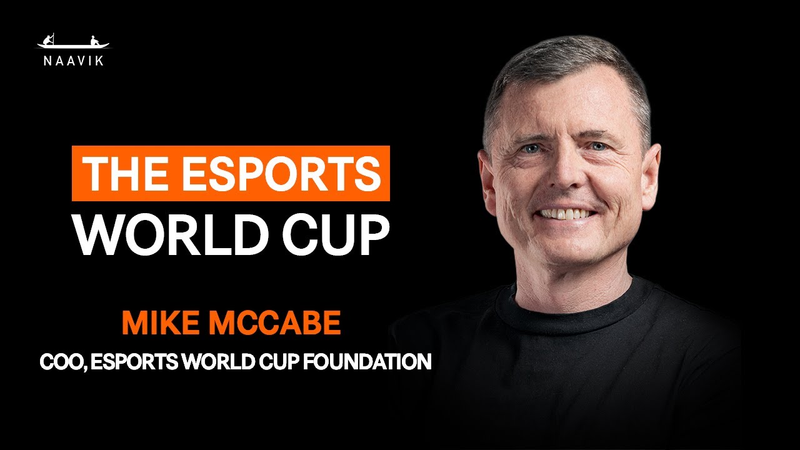
effective, and scalable to drive installs and boost in-game revenue. Learn more about making the most of Q5 with Tik Tok by visiting the link in the show notes. Make sure to check it out. And with that, let's dive into the episode. Hi everyone, I'm Novoc, co-founder and your host today, Aaron Bush. Over the years, we've had all sorts of interesting conversations about esports on this podcast. We've talked with the leaders of competing esports teams, event platforms, and of emerging tools and services. And along the way, it's been abundantly clear that esports is not only undergoing massive recalibration and change, especially with all that we see in the West. But the story isn't the same around the world. Saudi Arabia, for example, has remained bullish on esports and continues to make outsiz investments that will leave a mark on the entire industry. One of those investments is through the Esports World Cup Foundation, which is building a massive annual event pulling teams and fans
together around the world, all backed by a $70 million prize pool. Clearly, the world of esports continues to evolve. And to help me break down the latest and how the esports world cup fits into it all is my guest today, Mike McCabe. the COO of the Esports World Cup Foundation. Mike, welcome to the podcast. Thanks very much, Aaron. Lovely to to meet you. Sorry we can't be in the same room to do this. That is totally fine. We're uh across the world at from each other at the moment, but I'm I'm sure the conversation is going to be super interesting nonetheless. And Mike, um I am excited to dig into all things esports with you, and we'll spend most of today's conversation on that. But before we get there, I'd actually like to spend a couple minutes learning from your past because before esports, you spent time doing other interesting things at other notable companies um inside and outside of gaming. Uh to start at EA, you received global
exposure and were involved in important franchises like FIFA. And I'm curious, what did you learn about operating in emerging markets through EA and at the forefront of emerging trends that set you up to succeed later as a games industry leader? Yeah, it was look, it was a really interesting time. I I had the the fortune to be part of EA both from a publishing and a and a studio standpoint and uh really helped build out both the publishing but also the studio capabilities in in a lot of emerging markets and building products specifically for those markets. I think the most interesting piece for me was was really around the product and and actually tuning both the product and the live service really to support uh the needs, the desires, the aspirations of those players in those emerging markets because it was it was quite different the way that people wanted to play with the game, some of the mechanics that we used as well. So that was the the the
really enduring piece for me was was identifying talking to the community, understanding looking at the products that were being successful in those markets and then taking a product like like FIFA or EFC as it is now and and actually building something specifically for the market. And that was a a unique opportunity and it's it's rare um to be able to do that with such a big franchise, but it was great that that EA were really open to that and we built a a dedicated version of of FIFA at the time to be able to operate in markets like Southeast Asia and a a slightly tuned version for Korea and the same for China as well. Awesome. And so after EA or I guess between stints at EA, you were at Nike where you uh oversaw digital products and and innovation and Nike obviously isn't a gaming business. Um, but are there any compelling lessons you learned
from Nike about winning in digital that you think games teams underappreciate or maybe about how uh gaming insights are applicable elsewhere in ways that those outside the games industry might not know? Yeah, it was it was a really interesting time. I was there for 4 years and it was really interesting to see how a lot of a lot of the elements of of game design and and live service are relevant in other industries as well. And that's what Nike was specifically interested in. Personally, I was just interested in the brand and being able to take some of the vision that we had and some of the things that we did within gaming into an amazing brand like like Nike. And what we saw was a lot of the the mechanics that we built to to drive engagement to to keep people engaged within a an an experience and bring them back and and reward them was directly transferable into the world of activity and and you know many of us sometimes struggle to stay active and
and there's nothing better than than taking some of those cues and bringing them across. And so it was really good fun to to identify the things that that worked and bring them across to help people be active in a in a healthy and a sustainable way. Um, but it also was great to bring some of the community elements that are critical to to game development, game operation, and bring them over as well to to really be able to listen and understand. And that's we used a lot of that within the innovation space. It's sometimes a little too easy to to bring technology for technologies sake into into those types of situations, but it was really good to use the the actual athlete or the consumers as the as the barometer there as to whether these uh these mechanics made sense. Yeah. Just a quick follow up on that. One big trend that people are talking about around gaming right now is just the idea of gamification, right, of other apps or services. Is that what you're talking about here? Or or I'm
curious like maybe could you give like a specific example of like what you guys applied or or learned? Yeah, there was I I think gamification absolutely leaderboards, rewards, those kind of recognition for achievements, but also content. I mean, what what you and the team do in creating really engaging content. I think one of the other things that we we brought across was that and and something as simple as giving people cues to help them through a journey in the same way as we when we're playing a game sometimes we need need cues to get through things or to to optimize or improve. Same for running. How it should feel when you're running. If you cannot breathe and you cannot talk, you're overdoing it. Back off. And so we built um guided runs as something really really simple using distance or uh timebased cues or just checking in with people. So all elements really have that have that ability to transfer across and it was it was really fascinating to to bring those across. Um I I wish all
industries developed at the same pace as the games industry when it comes to code development and creating uh and bringing features to life. Um but uh it was amazing to to be there and be able to to bring all of those uh some of well some of those ideas across. Cool. And your uh final career stop before joining uh the esports world cup foundation uh was at Epic Games where you saw oversaw international publishing uh between 2021 2024 which obviously has been an important time period for Epic in its own history with UFN Epic Game Store and publishing itself um becoming a bigger deal and and so I'm curious like any memorable takeaways or lessons learned worth sharing from being at Epic during this time. Yeah, look, it was a it was a fascinating time to be there. Obviously, part of that was was the
COVID uh the COVID period and a lot of the COVID boom within the games industry and being there then and then um seeing that chart through through the correction uh that we've seen over over the last 18 months or so. Um, but there was a couple of things that were real standouts for me. And one was, uh, specifically within Fortnite, just seeing how different IP could merge and live in in a in a persistent place together at the same time. That was for me was something truly unique in the industry where IP had historically been very siloed. And so it was really fascinating to see how that could all interact and working with those IP owners to be able to get them to a place of comfort where you're able to have all of those things happening once. So I think that was one of them. And then you you touched on the other one of UFN and and user generated content and the explosion that we've seen there whether it be with Roblox um or or UEFN or other platforms that are there as well. this
idea that almost as we created more and more sophisticated tools for people to create games in parallel at this we've got an opportunity for anyone to create a game and anyone to create an experience and and that democratization of of creativity I think was something that's really fascinating and and I'm still really interested to see how that goes and to see what is the next huge breakout game that we're all Yeah. Right. And we we talk a lot about UGC on this this podcast as well. And I guess you you're also involved in the publishing um publishing deals like with Remedy and Alan Wake 2, which um was one of my favorite games of recent times. So So thank you for for publishing that one. But let's go ahead. Too scary for me. It it it does have some scary moments. Those those jump scares are still seared into my brain um you know, a year or two later. But, uh, anyways,
uh, really awesome game, but let's let's go ahead and zoom to the present. Um, and I I teased it at the beginning, but, um, can you tell us more about the Esports World Cup Foundation and what you are up to as its COO, and then we'll we'll dig much deeper into everything going on with esports and the esports world cup. Yeah, absolutely. the the the foundation that we're all part of here um and and is a nonprofit and and really part of of one of the many strategies in in the kingdom that are really pushing towards uh the growth of uh the growth of gaming esports and and all of the the elements within that. Um, for us within the foundation, uh, we're really focused on on the esports world cup and and we have a few objectives there really uniting the esports communities and the gaming communities for a the biggest competition in the world. So really focused towards creating that esports
world cup champion. It's a truly unique event because it's it's club-based and so we have a huge number of clubs who are who are joining that. We had our inaugural event last year and there was a huge success with that first event and we're just in the in the final phases of uh putting the finishing touches to EWC 2025 which is in July. It's coming up pretty soon. That's right. July 6th. Yep. Oh man. Kickoff July 6th. Yeah. Well, that'll be exciting. And so let's get we'll get back to the the nitty-gritty details of the esports world cup in a moment, but uh I want to zoom out a little bit first to get your thoughts about the global state of esports as a a backdrop of this conversation first. So at least in the west, esports has been going through a challenging reset over the past 2 or 3 years. Let's let's call it. many team organizations and leagues
um raised too much capital and you know they've had to deal with the repercussions of that whether it's restructuring making some type of big changes some have even shut down um and I know you're based out of Riad these days but maybe starting with the west like where do you see westernbased esports going from here? Yeah, look, a great question. And I think to answer that, I probably zoom out a little bit first and and just look at honestly the gaming industry as a whole. And so the the gaming industry as a whole over the last couple of decades, we've seen a continual upward trend. Yes, there's been a couple of little corrections, but if we ultimately look at it, then we see ultimately an an upward trend. And we honestly feel the same for esports. Esports has had uh some corrections definitely, but we think that there's there's a significant amount of untapped opportunity when it comes to the growth of esports and I
think esports has really satisfied the the endemic need for competition and and the passion that is within that audience. But for us, we see the biggest opportunity in actually taking the fun of competition, some of the incredible stories that exist within the players, the communities, and the clubs, and really evolving that and connecting people. And so for us, when we look out, if we look in the next five plus years, we see definitely growth there in the west, but also worldwide as well. And I think if you look around the world, you start to see some of those uh some of those leading indicators which are really demonstrating what I think is going to be a pathway for the west. And we've seen this so many times within the gaming industry where it doesn't those initiatives don't necessarily start in the west. They have often started in the east and then find their way to the west in an in an evolved state. whether it be the advent of free-to-play gaming or a
whole host of other things that have kind of started in in different parts of the world. Sure. So, I guess we can we can talk about the global piece a little bit cuz I mean, as you as you mentioned, and it's totally true, esports is very much a a global business and how it works in different parts of the world. Um, is is just different, I guess. Um, and uh, I'm curious like as you've ramped up in this industry, like what have you learned about how esports differs um, as a business or anything else, you know, in other parts of the world like Asia and the Middle East that maybe can uh, like pave a new path or, you know, show the West that has struggled, you know, a better or newer way of of doing things. Sure. I look from an Asia perspective I' I'd probably point to China um and see what we've what we've seen from a a growth within competitive esports there and honestly
everything around it uh in China has been a a huge huge development and for us as the esports world cup we've seen incredible success from a viewership from an engagement standpoint in China as well I think some of the um some of of the things that have particularly surprised me um and give me a lot of of hope and and anticipation for the future is uh going and seeing some of the events in China and being part of those events. I was at a honor of Kee event recently and the clubs there are on a different level when it comes to the support that they have. And what was fascinating for me were uh seeing the the passion of those fans traveling across the country to see their club compete on on the big stage. And it was very much like what what I've seen with with football and seeing fans follow their football or their soccer
team from city to city to be able to to experience that. And so that level of fandom is unique. Also, when I look at the the diversity of those fans and seeing the the gender split uh as well and seeing in many cases more women following those clubs than men um is also uh really really fascinating for me. So I think when I look at that and I see uh the opportunities for the clubs to build out their rosters which we're obviously uh we want to support them and and that's one of the u pivotal elements of the esports world cup is to have multiple rosters um to be able to compete and we only see that increasing which is uh which is fantastic. And then if we talk about the the Middle East and seeing um the growth here in in Saudi Arabia, the growth of of esports and and the gaming industry as a whole, um that's also really really interesting and seeing some of the the big clubs uh
locally, whether it be Falcons or Twisted Minds or Power like the big the big three clubs that that we have here, we're we're obviously seeing a lot of investment in other clubs being created as well. So I think that as we see that growth and as we see the number of people who are not just playing games but also want to compete um it's it's really fascinating and between those two markets I think the other thing that I've seen that's changed is really the perception of being um being an esports athlete and seeing the the recognition and it's it's a an okay job to do and actually people are encouraging uh if you have the ability to to take part and play competitively, whereas when I was younger, that probably wasn't the case. Um, and and I love that there's now a recognition that these players have incredible skill. Well, they're training like athletes in any other sport and they have an incredible career opportunity
whether it be playing or casting or creating other other uh career paths within the industry, right? Um yeah, I guess when when I look at this, I mean there obviously is a lot to to learn from all sides around the world, but I mean just I guess to make like a east west comparison, it definitely does seem like the east they have u like culture advantages and scale advantages that are just hard to to replicate. And so some of it just kind of is what it is. But I mean with uh how your company is positioning itself and even um much of the Saudi Arabian investments generally, it's interesting to see um like a focus on on one hand consolidation of like you know pulling together a better business by bringing events and and stuff together under one hood. But also when you you do that um such as with the esports world cup, you're um you're like one location for all of the world to come together um under one one roof, one
one big event. Um and so I'm curious, I guess just connecting this to um like why Saudi Arabia is betting so big on esports like um as I mentioned like much in the west has suffered. the East has a like a massive scale from, you know, just like a big population that is interested in in esports. Why why exactly is Saudi Arabia betting so big on esports? Like what does it see from its vantage point and like like what is that opportunity? Yeah, there's there's there's a couple of pieces there. Um, a couple of stats. uh 70 close to 70% of the the population are under 35 and of that population 7 you know close to 70% of that population identify themselves as gamers um which is which is there so there's a passion there's an inbuilt passion in the in the community here that people love games
and I experience this on a day-to-day basis when in everything you do in life and people you meet people are playing games and they have played games their entire lives and now they're playing games with their kids and and so on and so it will continue. So this isn't this isn't an anomaly. This is something that you have an entire country who predominantly identify themselves as gamers. I think coupled with that you have from a government standpoint and from a leadership standpoint um there's a recognition that let's let's connect passion with investment. Let's connect passion with with opening up an element and and a large portion of IG against the games industry because it's always great to do something you love. And so that kind of fostered as part of vision 2030 uh the creation of the national gaming and esports strategy. And that has a whole host of goals whether it be
uh jobs focused goals of of 39,000 um jobs by 2030 or 50 billion contribution of GDP but it's within 13 different sectors of which esports is one of which the one that that we're involved with directly but it covers every other sector of the industry as well whether it be uh from a development standpoint from a support from um ultimate ly running uh events as well and content creation. So it's it's really an investment across the board and and as a result of that there's organizations such as ourselves who are who are running uh running events but then you have uh the likes of of EFG who are running events globally um or Savvy who are investing directly in in game studios like like Scopely and and many others as well. So it really kind of hooks back to that national strategy and there's to my knowledge there's no other
countries in the world that have actually put it down and said yeah we are going to focus on this this is a national strategy and we are going to invest and resources resource this in such a way that it can be successful and compete on a global stage right the the government backing is very unique especially with the scale that it's it's operating at so uh I mean I've been interested in in following um you know Saudi Arabia's moves in esports and broader gaming over the past few years and I imagine we have many many more years of of watching all of these investments unfold and and continue to evolve which will be really interesting to see. One last uh bigger picture question for you before we dive more specifically into um your business, which is how do you think the next decade of esports will look differently from the past decade? Where are we going with all of this? So, I think we're going to if I look Yeah, it's always fun
10 years out. I look I I think that the core DNA of competition people love competing against other people. This has been there since we started walking around this this planet whether we're running faster or we're throwing something further whatever it we would be competition is it is wired within us and so competition will continue I think the content that we compete with the I hope that we evolve and we have more genres that we're competing in and there's new and exciting games that we have to master so that would be one I think that's that's more of a um a wish rather than necessarily a pathway. The other thing that I think is going to change within the next 10 years is something that I think we've been waiting for for a while and we've kind of we've hoped it was going to happen and it hasn't necessarily happened on its own organically and that's really the the move of competitive esports into
a more mainstream audience. And I know I've I've tried this in the past and it hasn't been successful. But I think that we've learned now and we've seen and we we've seen other sports who have been able to open the aperture. They've been able to look at the cues from honestly from the gaming industry and from entertainment and from other sports and be a be able to build that path to a much more mainstream audience. So for me I think that is probably going to be the the biggest delta and and that's something that we are absolutely committed to and really investing in and and experimenting because you know not everything will be will be perfect and work first time but we feel that that is critical for the the success and the the growth for us over the course of the next 10 years. And then to reinforce that, you've got the likes of not just what we can create within the event that we're doing at the moment and what the publishers are looking to do and what we
do within entertainment, but is that other institutions like the IOC are now recognizing that um competitive gaming is something that they want to be involved with too. So the idea of the Olympic esport games is is something that obviously we're working very closely with them on as as well. Gotcha. Um maybe maybe you could talk about that a moment. I I actually don't know much about the Olympic esports games. What is the the latest on that or how is that working? What what should we expect from the Olympic esports games? So we're working on that in the process or we're in the process of working on that with the IOC at the moment. And really it's it's a pathway to to really open the aperture of of esports is exactly what I was what I was saying. And the idea there is that we take some amazing games that people are playing and we're able to bring that that sense of competition in a slightly different way. So obviously it won't be club-
based like the other um esports tournaments that we we generally operate. It's going to be nationbased. And so we think that there's a an incredible opportunity for nationbased gameplay again to open the aperture. Um, if you think about the Olympics and and when you're watching the Olympics, I I don't know about you, but there's certain sports that I will sit and watch during the Olympics purely because there is somebody British competing in that and I don't understand necessarily everything about that particular sport, but I will cheer that person on. And so we see that as being another avenue for us to bring nationbased esports into the ecosystem where it whilst it's existed, it hasn't necessarily broken through and the tier one athletes haven't necessarily been competing in in those environments. So we're working on it with the IOC at the moment. Um, we're incredibly excited to continue that that partnership with them and and we as a as
a founding partner in in that OBG is is something that obviously we're we're very committed to. Yeah, that's really interesting. But, okay, let's go ahead and and dig more into the the details of the the esports World Cup. Um, first of all, can you maybe just break down in more detail what all happens at the esports World Cup, which as as we mentioned earlier begins in a month or so? Uh, like what makes it such a a notable spectacle compared to any other esports events out there? I think I think though there's a few things. So for us um bringing the best games is is critical and you you mentioned this earlier the idea that we bring multiple titles from the biggest publishers in the world and put them under one roof. Last year the the team operated over eight weeks um with with 21 different games, 22 tournaments that we operated. This year we'll be doing 24 games with
25 tournaments over seven weeks because we don't like to make it easy for ourselves. We want to to compress it a little bit. Um but that that first one want to bring in the best games that that people are playing from around the world. And so we have great representation of games that are huge in the west. Um some that are huge in the east, some that have just got global appeal as well. So we can really bring uh all of those uh incredible IPs together. Um the second is is the fact that Sure. Can you name some of those big games just to get so people have some context like what are the big ones? Absolutely. So League of Legends, Valerant, EFC. We'll be bringing Crossfire this year which is a new title. Um we'll also be bringing chess this year which is a which is a new title. Um, but we have a whole host of what would be considered traditional esports games like Starcraft and uh,
Dota, but then also bringing new games that we feel are an opportunity for us to open the aperture. And then when we look at Asia and we see games like Honor of Kings and MLBB being huge uh, having huge resonance in China and Southeast Asia as well. So really we want to have everything from VR to to Mobs, we've got sports games, we've got strategy. Um so we feel like we've got a really good mix. And then in addition to that kind of club competition, so we've got those huge games. We've invited and we'll have over 200 clubs competing as as part of the the tournaments. And the concept is really interesting because each club can have multiple rosters and compete in as many different uh games as they want if they if they qualify. Um and ultimately whoever is able to amass the most points from all of those different tournaments
that they they compete in will ultimately be crowned the esports world cup champion. Um and so that's the pathway. So huge games, the best players. We have uh an incredible prize pool that we will be bringing. Last year it was just over 60 million US. Uh this year it'll be over 70 million um that will be provided to to players to clubs um all the way across that that ecosystem really with the objective of supporting the growth and the stability of of the the the gaming ecosystem in in the community. Yeah. Um, first of all, I think it's cool that you're working with so many different games, like like pulling games together across publishers, across leagues, you know, all in one spot. Like that strikes me as, you know, a big deal. Um, and then second, just a followup to this. Um, could you maybe share like I I assume, you know, you're pulling all of these
people together, bringing them to Saudi Arabia to compete, like like what does the event on the ground look and feel like? Maybe you can even just share um some details about last year's event. Um like for for those going or those interested, what is what is that like? There's a lot of logistics. So we had we had over 1500 players from 100 countries last year. So there's a there's a lot of logistics on the back end, but once we tried to make it as seamless for people to get here, whether they be a fan or whether they be an athlete. So we're trying to create pathways. Um and for us on ground participation is something critical. So we we obviously care massively about the viewership and we want to be able to broadcast and share this worldwide. And we had over 500 me 500 million people watch uh the esports world cup last year and 250 million hours watched um across all of our all of our platforms and and distribution streams. But the other element is is
people being here. And we had over two and a half million people uh cycle through all of our venues over the course of uh the eight weeks last year. And it's a combination of a couple of major things. One is the esports world cup, the competitive esports across all of those different games. And the second is is the festival. So we have a huge festival which is running in parallel with uh the competitive element the club championship where people can celebrate gaming everything that is gaming whether it be uh actually taking part in a community tournament or play tests or seeing their favorite IPs and understanding and learning more. There's a whole host of different elements that we have there. a lot of experiential gaming opportunities that people love playing, but we want to level up the play. And so, because we have that amazing platform for multiple weeks, we're able to really create some
compelling and really, really fun activities for people to come as a family and and really engage with it. And so that's the focus um for us is building that festival in parallel with the club championship. And this year we're really focused on creating uh weekly themes around the IP that will be happening in any given week. There may be a sports focus or a mobile focus, but the idea to create multiple opportunities for people whether they be in a region or or locally or traveling internationally to come for multiple opportunities to to see, experience, and engage with a whole host of these these different opportunities. Yeah. Wow. I mean, that sounds exciting. Hopefully, I can check it out one day myself. You're welcome. You're welcome. I mean I mean it it sounds really fun. Uh but also I can't imagine uh just putting my my business hat on. I can't imagine how much organization goes into making uh a
big event like this happen every year. And as COO I I bet you're involved in countless logistical details here. Um, so I think what could be interesting is just for you to peel back the curtain a bit and and share some of what goes into making this event happen operationally. Like what are some of the the crazy things that it takes to to bring this all to life? Yeah. Well, we touched a little bit on logistics and uh there's there's a there's a couple here. one, we are incredibly lucky that we have um incredible support from basically the rest of the kingdom. Um our our partners, government stakeholders, everybody kind of pulls together. So, I'll be honest, it's it's a real team effort and that makes it a whole lot easier. Uh because it it takes um what may be red tape in other parts of the
world away and and really everybody is is has a concerted effort against the goal which is making this as big and as fun and as engaging and as seamless and easy for people to enjoy possible. So, that's the that's the good bit. That's the that's the like we're all in this together fun bit. the the challenging bit is just the sheer scale and and the duration and it's it's a it's a long event. Um when you look at other multisport multi-week events, they don't last seven or eight weeks. The Olympics does not last that long. So for us to be able to build uh build that capability and build the flexibility for us to be able to cycle things in and out whether it be the games that are being played uh or those festival activations that are tied to a specific thing. We need to be really agile and we need to be really nimble in the way that we think about these things and and we create them. And
then the last piece for me is honestly is the jigsaw puzzle of pulling it all together. Uh we wouldn't be here if it weren't for the publishers. Uh we wouldn't be able to do this if it weren't for the amazing games, the amazing clubs um that come here and compete. And so basically playing that jigsaw puzzle of being able to make sure that what we do is additive to the ecosystem is critical. So every game that is taking part in the esports world cup already has their own calendar. They already have their their own competitive calendar and we have to find a way to fit ourselves in where this doesn't impact doesn't detract from what they're doing but is always additive. So, I spend a lot of my time on all three of those pieces on on navigating and and making the connections on on being able to support the logistics of of getting all of these things to fit together. Um, but ultimately making sure that we we keep an eye on really on the fans, the
clubs, and the publishers and just making sure that what we're doing and have that constant check and balance like is this is this helping? Is this a good thing? Is this making it better? Whether it be from a fan experience or from a publisher to open up a new market or open up a new audience for them. So, yeah, it look, I'll be honest, keeps me out of mischief. Uh, keeps me busy. Um, but it's look, it's it's amazing and I've uh I've loved every minute of it and uh I think it's a it's a unique moment and a unique opportunity. So, yeah, it is has its challenges, but uh I very much love it. Well, that's awesome. And are you guys in partnership or interface with uh ESL Face It at all, which is obviously part of of Savvy. Uh I'm just curious like how that might connect for you guys since you're both backed by by Saudi Arabia. Yeah, EFG, are one of our one of our key partners,
one of the partners that helped bring it to life. um the scale of the operation and the scale of the tournament is is so huge that we we can't just have one partner. So we have many partners and and EFG are one of our integral part partners. They helped us uh last year with the inaugural EWC and they're they're helping us again this year. And so yeah, we start we start planning well, I'll be honest, we've already started planning 2026, I bet. So we have to keep one eye one eye one eye here and and definitely we're already starting to to look one eye uh one eye in the future. Yeah, I saw you guys are at least confirmed through 2027. I think I read on on the website somewhere. But um that's awesome and and obviously just to hit on Saudi Arabia maybe one last time here. Um the country has made big financial bets across um you know many sports at this point and you know from my uh perspective it sort of seems like your
$70 million prize pool echoes similar aspirations. Um I I'm I'm curious is there any truth to that observation? like is the esports world cup aiming to grow the esports market and capture market share in a similar way that these other Saudi backed sports leagues have attempted to um or am I just making incorrect assumptions there? Yeah, look, this isn't a market share play. Um this is not something that that that is the focus. The focus for us as as the foundation uh as a nonprofit is really in support of the ecosystem. And so for us, we see ourselves very much as a as a catalyst um for growth and for sustainability across the whole ecosystem. And this is supporting and that's why that prize pool is not it's not exclusively player focused or club focused. It's it's supporting the
supporting the full ecosystem and then we're building that in partnership with the publishers. So that's where almost a little bit what I was getting at before of just making sure that what we do is additive and what we do is is being able to to support and help the the growth. And I guess another example of that is is the club program because we know that and you mentioned this earlier that we've seen we've seen a lot of investment in clubs. We saw corrections. some people that struggled and and we see that and we see that the best way for clubs to be sustainable long term is by having diversity in the IPs that they're supporting that their games go up and down um teams are successful and sometimes they're not. So being able to have more rosters across more games helps build that long-term sustainability for them. And for us, the club program, we support, this year, we're supporting 40 clubs through that club program where we invest in those clubs directly to help them build
rosters, to help them really build that solid foundation that is a sustainable foundation that they can grow from rather than being a huge investment. They they build out and then they they've got a burn rate which is is just not sustainable. And so for us, we see this as much more um than a market share play. This is an ecosystem play. And we are passionate like I would pretty much all of my career in gaming. We love games and we love building out the capability so more people can not just enjoy them and play them, but make a career uh in engaging within the industry. Right. Um, could you tell me a bit more about the nonprofit elements of this? Um, as you mentioned, the foundation reinvests the proceeds from the event back into the the sector um advocating for the esports industry. Um, can you tell me more about what that means? Like why is this structured as um
a nonprofit and can you tell me more about what you are reinvesting into? And and you mentioned like how some of the prize pool goes beyond like the players and teams like where else does it go? Just uh just talking about this in a bit more detail would be really interesting. Yeah, for sure. And as as a foundation uh our goals are not financial. Our our honestly our our KPIs are are building the ecosystem, building viewership, building um building the the the number of visitors that that we have um coming into the the kingdom here. And so we really are building towards a a self- sustaining model. And so we obviously have support from the government to help us build, but we also work with a whole host of commercial partners in through sponsorship and through other mechanics that we've seen within the industry as well. And so when we're focused as as that, there's a couple of things. So,
one, yes, profit is not a priority, but it also positions us that we're not we're not actively trying to make a profit and therefore the partnership with the publishers is is a collaborative one as well that that they're not necessarily thinking that okay, this is this is a this is a margin play because it's absolutely not. It's about building that foundation and from our, you know, whether it be the IP agnostic nature of of what we're creating, it's it's just not about profit. And so the prize pool, yeah, it's it's one part of it um that we're we're investing into the the success of the tournament all the way through the qualification um to the the clubs themselves to the individual players to bounties and other things that we can really see that to to sustain um that that operation. I mentioned the the club program as well that is is unique from that perspective as well and that's something that we will we we started
last year. We'll continue to invest in that. We've scaled it up um this year as as well and as I say we have 40 clubs that are up from 30 last year and we've got up to a million dollars um of funding coming to to those clubs during the course of of of this cycle. Yeah. And so really we're we we look at it along that way. Um we have obviously as I say u really great support from the government as well uh who are who are invested and as part of that national gaming and esports strategy uh we see investment uh coming from there as well. Cool. Um and I guess one one final question on this before we begin to wrap up. Um, tell me about the future. Like what what do you envision for the future of the esports World Cup? Like what does long-term success look like? What does improvement look like? You you just talked about some of the goals and
aspirations and maybe some of the the metrics that matter, but maybe you can unpack what you aspire for and the future a bit more. Yeah, it's it it's easy to say it's it's about being bigger or better, but it it look, it's a a lot more than just scale for us. Um, we want to be much much more efficient in the way that we're actually operating and we're able to uh be a lot smarter in the way that we do things. So, we we make sure that they're as impactful and meaningful as they can they can possibly be. But there's there's a couple of different areas when I look at improvement. And the first one is is really probably around structure and access uh in the way that we're we really want to be able to to bring more people uh into the event. And we're doing that through the the creation of pathways through different qualification pathways around the world to be able to have more clubs, more players from
diverse backgrounds being part of that. um and building connection with the the creator community as well so we could have more people come and and experience the event firsthand for themselves as well. Uh the festival we we launched with a festival last year. We are doubling down with that this year uh bringing a lot more structure to that as well. I mentioned the themes based on a on a weekly basis of being able to switch and evolve those themes over the course of the seven weeks of competition. Uh but really for us we see that as a massive opportunity for us to really create a celebration of gaming. Um we've been to I'm sure you and I have been to so many game shows around the world and have experienced different things in different parts of the world and we're trying to bring as many of those different elements into into one place so people can really celebrate that convergence of entertainment. we've got uh whether it be through music or
gaming, pop culture, everything that we've got uh coming there as as well. So, that one is really an opportunity for us to open the aperture and and really have a a familyfriendly event that everybody can can come to. And the last piece is is really around more connectivity and and really connecting people in the way that makes sense for them. And so when we're building the experiences, we've we obviously have a core esports audience and we know how they consume esports and and what they want to do, but we really want to open the aperture on that. Um, we really want to create much more of a mainstream experience that we can have people enjoy competitive esports and the tournaments that haven't necessarily engaged with that. And so a lot of that is going to be on the broadcast products that we create, the way that we position it, the way that we package it. Um, and to create those those moments like the incredible opening and and closing
ceremonies to be able to bring people to an event and and have them experience it in a way that they've never uh experienced it before. Awesome. Well, I really look forward to seeing where you all take this. And as I mentioned earlier, I hope I can check it out in person sooner than later. But I have uh three quick final questions for you before we wrap. Um first one being just what are you personally most looking forward to? Like do you have a favorite event that that you're looking forward to um to attending or bringing to life this year? Um I look I I love Battle Royale. So, um I'm going to be particularly excited to see um see some of those those games and the scale um of those as well. But look, I'm I was lucky enough to be uh part of uh some of the esports world cup last year and honestly just seeing seeing the passion. I'm most excited about seeing people with smiling
faces and people running to get in and to see and and really soak up that that that excitement. And so yeah, that's that's for me it makes it all worthwhile for the team when they see that and makes all of the late nights and the hard work and the and the missed weekends um worth it when you just see the the passion and and see the the celebrations and see how much it means to people as well when they when they win these tournaments and hear some of the personal stories. And we just uh we just announced yesterday a documentary that we're we're releasing on Pride Video. And so we're starting to try to find more ways that we could share some of those incredibly personal stories for people so that more of us can connect and and really understand how much of a difference or how how tough it is sometimes, but also how much of a difference uh some of these opportunities make. Amazing. Um, and
then I mean obviously we talked all about esports today. You're completely dialed in on on esports day today, but what else in the the games industry are you excited about these days? Uh, like when you look around, what what piques your interest? Look, I I love playing new games and I love I love seeing um where the creativity is going. So, I think what excites me about the game industry at the moment is seeing some of the great content that's uh that's coming out in in the months ahead. And I think that for me is is the most exciting thing and seeing how we're seeing this evolution and seeing the evolution of gameplay. Uh I really hope that we continue to see new IPs. I really hope that we continue to see uh new gameplay mechanics uh coming as well. And I really I really hope that you know as we've seen the the
advent of UGC as we start to see some really material um highly engaging games within that UGC world actually break through and and start to to jump out. And so there's look there's a lot to be excited about. There's there's more people playing every year with this is a this is a one of the few trends in the world where it's it's going upwards and to the right consistently because every day there's more people playing games and that will continue to be the case because we know that the new generation who are who are joining us and going to be coming up like games are are are integral to their entertainment and their social life. So, um, yeah, I there's there's a lot there's a lot to be excited about. Um, and, uh, it's going to be great to to be part of that journey. Totally. And I think some of these UGC games popping off is is already happening. We I think like as we're speaking right now,
there's like a a gardening game on on Roblox that's been like hitting I want to say like 8 to 9 million CCUs. like it's it's just absurd what some of these games that, you know, a lot of people haven't even ever heard of or will never hear of are are doing. And that's, you know, it's still early days in so many ways. But, uh, final question for you. Um, if anyone would like to reach out to yourself or your organization, and we have a bunch of listeners that are leaders of their own companies all across the games industry. Um, where should they go? How should they best reach out? Um, LinkedIn's probably the easiest either. Um, feel free to reach out to me personally or or definitely the the foundations page um on LinkedIn. They're probably the easiest way uh to connect with with me or part of the broader organization. Awesome. Well, let's go ahead and wrap up here. Mike, it's been a real pleasure um chatting with you today and learning all about your world of esports and best
of luck with the big event uh in I guess a couple months from now. Yeah, thank you. Thank you. It's going to be it's going to be a busy few weeks for us. Uh we yeah, we launch on July 6th and uh yeah, it's going to be an amazing seven weeks of of Yeah, can't wait. And to all of our listeners, thank you as always for tuning in. It's a pleasure having these conversations for you and we'll catch you all in the next episode. [Music] If you enjoyed today's episode, whether on YouTube or your favorite podcast app, make sure to like, subscribe, comment, or give a fivestar review. And if you want to reach out or provide feedback, shoot us a note at [email protected] or find us on Twitter and LinkedIn. Plus, if you want to learn more about what Navic has to offer, make sure to check out our website, www.navic.co. There you can sign up for the number one games industry newsletter, Navic Digest,
or contact us to learn about our wide-ranging consulting and advisory services. Again, that is www.navic.co. Thanks for listening and we'll catch you in the next episode.
Auto-generated captions from YouTube — names and numbers may be misheard.













Comments