Transcript
[Music] welcome to the Novi gaming podcast where it is our mission to explore the business and future of video games we bring together the industry's brightest Builders investors and thinkers to keep a pulse on current events dissect emerging Trends and games share Lessons Learned and have a great time this podcast is also part of novic growing ecosystem which ranges from free and premium research to Consulting and advice services for more information visit [Music] www.nic.edu number of digital channels
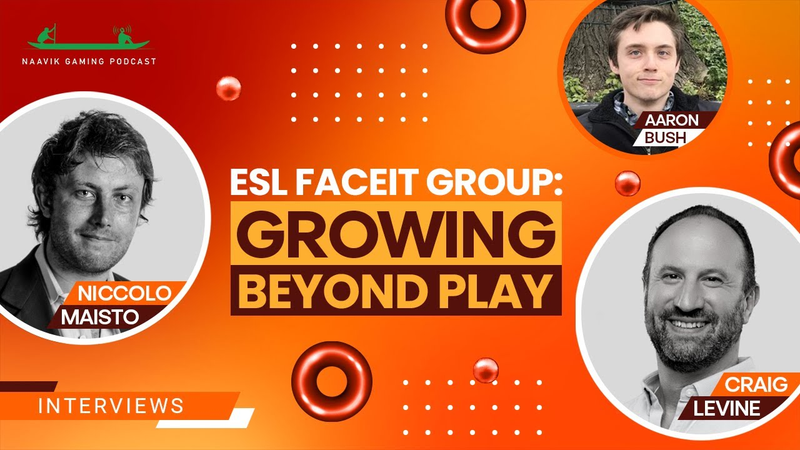
Harbor is a foundational technology loved by millions of Gamers and integrated into the communities of the largest mobile PC and web 3 gaming products on the market to learn more about this Flagship product simply head to harbor. or check out the details in the show notes and with that let's dive into the episode hi everyone I'm your host Aaron Bush and today's episode is going to be awesome but before I jump in and introduce our guest let me provide some quick context this episode is part one in a three-part series about Savvy games group for those who aren't familiar Savvy is fully owned by Saudi Arabia's public investment fund which set aside roughly $ 38 billion to invest and build up its Global presence in the video game industry now $38 billion do is a lot of money because depending on how you slice it there really are only four to five video game companies that are larger
than $38 billion so how Savvy goes about deploying capital and building its business will to some degree alter the landscape of our entire industry in fact with the Acquisitions of scopely ESL face it not to mention major Investments and companies like Nexon Nintendo EA and more one could argue that Savvy is already making its presence fully known and from our point of view as observers and Consultants to the industry it's absolutely worth trying to understand how this quickly growing group thinks operates and Views its future so in this series we're meeting with the leaders of savvy's most important operating groups we're chatting with Javier fer co-ceo of scopely next week and I'll also be interviewing Brian Ward savvy's CEO after that so there's a lot to look forward to but today we begin this series in the realm of Esports early last year it was announced that Savvy was acquiring ES SL gaming a leading
Esports events company and face it a platform for managing Superior Online PVP play for a collective $1.5 billion doll and then merging them together as one operating group so with all of that Preamble said it's my absolute pleasure to welcome Craig LaVine and Nick Mesto co-ceos of ESL faic group to the podcast guys how are you doing great thanks for having us awesome well excited to have you here as well let's begin by laying the foundation for those who are less familiar with your business but before we jump into the business details let's go ahead um and start with you I'm curious uh maybe you can spend a couple minutes describing what your professional Journeys were to becoming co-ceos of ESL face it Craig I'll start with you sure uh so a lifelong gamer grew up uh loving playing games started playing
uh competitive Counter Strike and competitive quake and games like that in the late 90s I guess counter- strike it had come out and then in 2001 it actually started the first pro team in North America uh Esports back then looked uh very different to what it is now and what's been been known um but really started my journey as a player as a team owner uh and then in 2014 joined DSL with the acquisition of some uh uh communities and companies that had Ed in the space so um then obviously since then uh continue that Journey with the ESL faic group together with Nick that's awesome and Nick what what's your side of the story so I come from Finance uh way less exciting and more boring than a correct story uh worked in investment banking for a few years uh in London uh eventually I moved to New York for a short time worked in private equity and at at a certain point I had to decide
whether to continue in that dark side of uh uh of the industry or whether to uh as I eventually did uh go into gaming uh I started a company called fa it that was roughly 11 years ago 11 12 years ago uh and bootstrapped it scaled it over time doing a number of things and eventually finally managed to go through the ESL fa Marge and here we are that's awesome um and congrats on on the bootstrapping success there U but really um enjoyed hearing both of your your stories um and really before we move on could you just remind everyone of the modern history of how ESL face it came to be because what the entity is now um really is a result of various different trans actions Acquisitions mergers um
could one of you maybe just kind of describe the modern history of how this operating group um came to its current state sure I think it's uh uh extremely interesting how we're uh a number of companies together I think you see ESL face it but it actually goes even beyond that um I think it all started uh about seven years ago I'd say I think that was the first time we started talking about uh merging the companies or in general finding a way to work together you had ESL on the events and uh Esports circuit side uh and Esports ecosystem side while facing on the digital side and uh finding a way to work together made a lot of sense we've been talking for five six years before we actually uh found an opportunity Unity to um really work
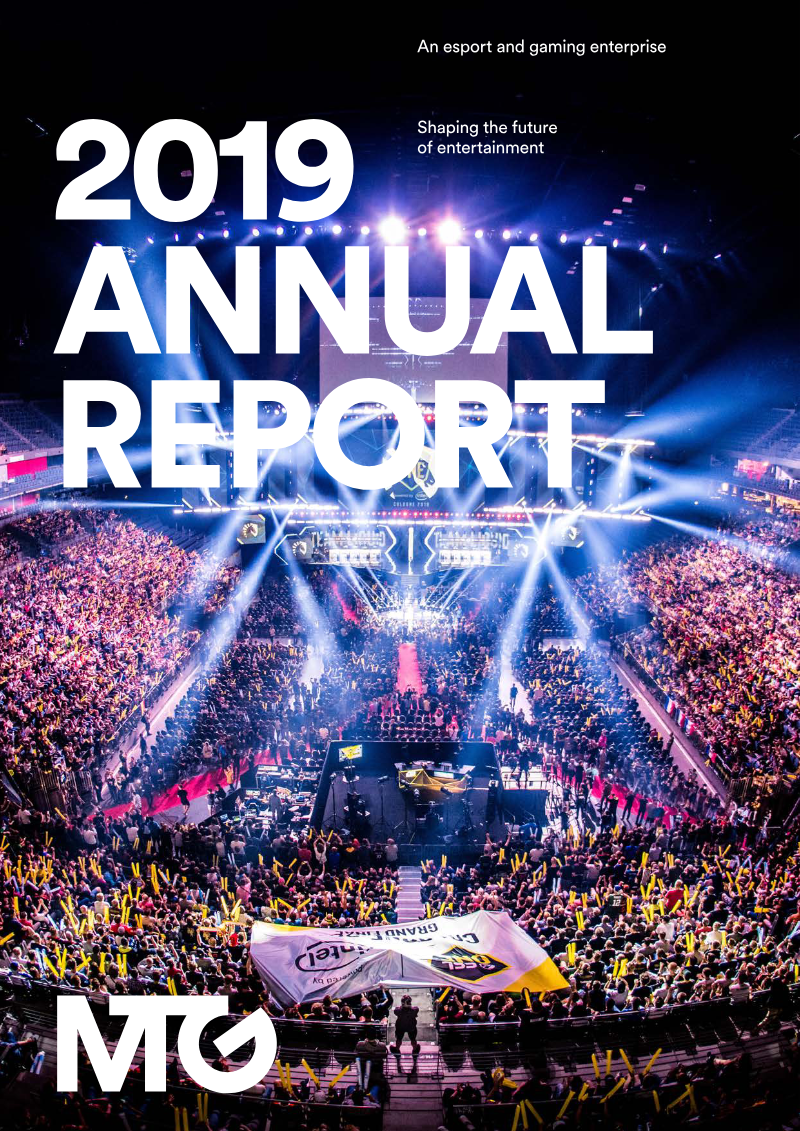
together and I think that was in 2020 as Co hit and uh there started being the ways of working in orts really changed uh in a good way in a bad way depending on how you look at it and I think that opened up an opportunity to uh really put the two companies together we uh worked a little bit on it in 2020 2021 we decided uh on both sides it made sense to uh merge the two companies and uh pursue uh go public together uh which uh never happened we worked together for a year uh before uh we actually got the offer to join savis and dor and that's well the rest is history Craig could you maybe unpack the history a bit more too because I know um you were at ESL uh which was part of uh modern times group
ended up merging with dream hat could you maybe walk through your side of of how this came to be um and and up till you know with fa it as well yeah so similar way as Nick described right known each other for a long time and I think that basis of or that familiarity is the basis of I think the trust that ultimately brought us together through the mutual respect and admiration of our organizations uh but as Nick was describing you know aside from let's say the years of talking to one another saying how could we work together Co on the ESL side I think was really the impetus for it uh recognizing like most companies you had to certainly you know become more digital uh the importance of the relationship with consumers and rethinking how you did things so simply having massive Esports events with Arenas full of people and tens of millions of people watching was great we actually needed to strengthen our relationship with our consumer uh and the digital platform of what face it offers of really being uh that that home
for those players playing games connecting with one another became um really important and then similarly we recognize the opportunity to get closer to game developers and Publishers uh through that uh and that if we're able to actually help power their Core Business of multiplayer play um that on top of an orts relationship we're actually adding a lot of value to them and what faces technology is allowing us to really do that so uh as Nick described in September of 2020 sort of I think when we resumed talking uh some heated rounds of negotiations um and when we all kind of figured out let's say the strategy and really got into how much it made sense probably took us another seven months then to figure out the how and exactly as you described iron ESL part of modern times group uh I think wasn't that attractive for uh Nicolo and the fa of team to to join up with uh and so we started to look at alternative ways together with MTG that says how could we spin ESL out and and merge together with
faet to create this new business um so that's as Nick described sort of a process that we were under to potentially go public through that we got to meet The Savvy team Savvy Games Team um and through that as Nick said sort of the rest is history but I think you know interesting a little bit to the correction let's say in your introduction uh the merger of of ESL and face it uh was I'd say the brainchild of the management and our shareholders or the support of our shareholders it wasn't savvy and figuring out how do you put these two companies together we're on a track to do it based off an extensive relationship together um and obviously Savvy being a great enabler to our vision made a lot of sense cool and I didn't mean to imply savy was was the brains but that is a is a good correction and note to me that's that's why we're on the podcast AR that's what we're here for well I guess on to that um could maybe this is a good time to kind of talk about why Savvy was the right partner you know at the the time time to kind of unlock um you know that upside
and merger possibility for you both could you maybe just talk a bit more about why why Savvy uh was the right choice and I guess since you you've been operating under them for a while just you know quick quick notes on how that's been so far with any partnership especially in business right it's about people uh and I think first and foremost we had the opportunity to get to know the people that were working on Savvy for quite time uh even prior to their form formal announcement so we had an understanding of what the vision and ambition was of Sav even prior to the announcement and I think what was really compelling uh for us all together was the opportunity to have a long-term shareholder with a long-term investment Horizon being part of MTG we were sort of let's say beholden to quarterly earnings uh obviously you know Venture funds you know have certain profiles of of investment and so forth um but Savvy being part of pif um having a 7 to 10
year investment Horizon we thought was incred or was really attractive to us to really enable our vision and knowing how nent the Esports industry is and how Dynamic the video game industry is and having the opportunity to impact as you described in your introduction sort of um some some big influence was super compelling to us um so I think you know for Savvy for my perspective was about people the belief in it the understanding the long-term support and also the um foresight I would say of what we have of how you've seen Mina as a region coming online into the global video game business you know 20 years ago it was all about China 10 years ago it was Emerging Markets like Brazil and I think what you've seen of the demographics uh of the region here it's starting to play an increasingly important role uh for different game Publishers so again being closer into that region I think also gives us unique Insight uh and opportunities to to grow
and develop our business gotcha that makes a lot of sense um and we can talk more about that alongside your your company strategy and views for the future in a moment but first I I do want to take some time to talk about your view of the state of Esports um because you you know many have called this recent era of Esports unsustainable and clearly you know with examples like the delisting of phase group shutting down the OverWatch League valuation resets across the board there is something um to the concerns out there but I am curious about your uh your view on the industry's sustainability and its Evolution um right now and and I suppose uh efg's uh position in all of that change um Nick I'll start with you uh if you want to share your thoughts I think that connects a little bit to uh the previous question as well like why Savvy
is the right partner I think it really gave us the opportunity to navigate all of us looking at it as an opportunity uh and with a very long-term lens rather than having to go through quarterly earning schs and having to explain short-term profitability and that's something that we were sort of I don't want to say expecting but uh I think we knowing the industry and where Esports is in it let's say life cycle uh I think that's what the industry needs the need there is a need for longterm capital there is a need for Investments rather than uh rushed uh decisions in order to maximize short-term gains and that's roughly what we did uh I think what you're seeing today uh is not necessarily uh a full reset but it's definitely a normalization of things and
it also ends up showing the the need you have in the industry for a stable partner that can uh really deliver a full ecosystem that is not only shiny but is also sustainable and that's what we do as ESL fa It ultimately yeah I fully agree and I think even though there's been let's called headlines of some of the challenges that you described Aon I think what uh continues to give us the confidence and conviction is that the underlying kpis behind the industry uh and the audience are there right we have increasing viewership increasing attendance increasing player player usage um so what that tells us is that video games is than entertainment medium and Esports as probably the strongest manifestation of community um is healthy and I think this period of correction that we're sort of describing uh as Nick said is is super healthy I think it's long overdue and I think spefic specifically when you think about Esports separate from video
games Esports is about fandom and fandom takes time and traditional Sports fandom has taken generations and centuries uh to really develop and I think there was an influx of investment money uh with different Technology based Venture Horizons let's call it that thought they could incubate and accelerate it um but as Nick described this is still very early in where it's going and being able to shape this in a stable partner uh we think is going to create a a better position for the industry through the other side so there'll be some short-term pain as things get sort of figured out and cycled through but we're more confident than ever in our position uh and ability to navigate and be a partner for the entire ecosystem through this gotcha yeah I mean Esports has followed the hype cycle uh to to the tea like many emerging Technologies and industries do as well um so it'll be interesting to see you know what the the path is uh to
kind of lead us to the other side um in the past couple of months we've had two other um Esports leaders on the podcast we had Nicole Le Point Jameson who uh well who was CEO of Evil Geniuses when we recorded and also John Robinson who is president and COO of 100 thieves and we asked them both one question which was if you could change one thing about the current space of orts to make your life easier what would it be and Nicole's answer was media rights and John answered that perhaps we should change the underlying structure of like who runs and manages orts because the incentives um aren't always entirely aligned when Publishers run the the full Esports show and he actually praised some of what you guys do in his answer but um and I want to ask you the same question in a moment but but first I I'm curious Maybe maybe maybe uh uh Craig
you can lead on this one what is the benefit or tradeoff of how ESL dream hack or are structured compared to Esports being run by Publishers usually in a franchise model yeah I think as as ESL face group what's super unique about us is This Global infrastructure that we've set up around the world uh both in the physical and the digital sense of this uh and when you think whether that's running competitions whether that's Standalone events like IM filling Arenas around the world whether that's dream hack festivals where you feature different Esports content coming together or it's face it where the community is coming together and logging in and sharing and connecting with like-minded players um that ultimately is the audience or that's the activation platform that we believe any game in any Community can be a part of so I think that the benefit that we've offered Publishers in particular is the flexibility to come quickly into our universe to scale up to scale down to
hit certain regions of the world based off where it is and ultimately um what Nicole and John were hitting on is monetization and uh what that comes back to ultimately is about having the Right audience at scale and what we've seen is that SCA what we know is that scale matters I think that's the challenge of an individual team I think that's the challenge of many ways of an individual game or community that a publisher hosts orts for but being able to build long-term Partnerships uh with Publishers with players and teams that allow us to share in the economics when we could go to Market within highly attractive audience at scale is what's going to accelerate the industry forward do you think there's also something to the economics side of it where you know if Publishers are fully running Esports um there's more of you know less of an incentive to you know make a profitable environment for that East for and more of an in incentive um for it to kind of be more of a marketing vehicle and you
know through through that lens you know it just has Ripple effects on all the participants in the ecosystem in a in a way that's different from how you know you guys coming in um you know creating more of that Esports ecosystem um you know kind of from the ground up to ensure that all the participants on all sides um including yourself when in some way is there is there something to like the economics side of that that's here too I think there's two things you have to remember I think one for Publishers Esports is the how the why and the what is engagement retention and monetization so what we know is that Esports creates a more engaged audience than non-competitive players we create content that keeps the community involved into those games longer and ultimately they're spending more time on platform and money in game so that's why Publishers are doing it um and Esports is a little bit of the marketing tactic let's call call it in many regards to how um the challenge that you're
describing though isn't a fault of the publisher it's about how do you monetize the engagement model of how this audience participating and for Publishers it's through microtransactions and for let's call it the thirdparty ecosystems of teams and organizers like ourselves in many ways today those uh engagement uh models are being uh broken down and redefined versus traditional Sports so as Nicole described things like media rights it's because uh right there's a a business around Sports and carriage fees and advertisers that are connecting with the audience in that way Esports is the tip of the Spear of technology and disruption and I believe broader changes that are happening across a demographic in an audience that Esports is just first experiencing that others will but our ability to take this audience and reimagine how they uh how we engage with them how we add value to them will then create new monetization ways on top of it in the same way that Publishers have
uh with their gains as a service model so a little bit of a you know fluffy sort of answer a little bit but ultimately we've got tons of attention tons of eyeballs we need to figure out how to add value to these consumers and to monetize it whether it's in a direct to Consumer model whether it's a b to B to C model or whether it's through advertising you know uh you know that drives media right so those are the chapters I think of Esports that now with some of the frothiness behind us I think it's bringing together stakeholders in the right way to sit around the same side of the table and says as Nick described how do we build something sustainable and sharing that uh in a healthy way yeah that's a really interesting answer and I want to go ahead and actually ask you the same question that I asked them and um Nick I'll start I'll start with you um if you could change one thing about the current state of Esports to you know make your life easier or to even make it more sustainable what would it be I think sustainability is the key question here
uh everything we just talked about and the correction that is happening none of this would have happened is every if everybody would have focused on taking decisions that were aimed at the sustainability of the ecosystem they were building so I think if there is one thing I change is to make sure that every stakeholder starts thinking about long-term Partnerships and uh about the long-term impact of the decisions we take on the ecosystem that we're building and really start thinking about an ecosystem uh around the games and the teams and uh the competitions that we're building Craig what would be your answer think we spend too much time together as co-ceos I'd give the same it's I'd call it stakeholder alignment exactly as Nick described um right there's lots of value there's lots of opportunity but if we don't work together uh and everyone share participate and add value in the right way um then you're competing with
each other over what the pie is today versus what it's going to grow to uh and that's going to hold back some of the Innovation that we were just speaking to moments before so uh figure out how to work together in a more long-term uh let's say more holistic approach to the ecosystem as Nick described a spot on okay gotcha glad glad you're both aligned on that answer then and we can spend a bit more time um later in the episode talking about uh the future what what you're thinking about for your own organization and how that could play into to some of this industrywide as well um but before I do that um one thing I'm curious about more looking backwards is the impact of of coid obviously it it came in like a wrecking ball for for the events side of of Esports um really propelled the industry to turn digital in a lot of ways and and you were at the Forefront of figuring all of this out and adapting throughout the chaos in in real time um
but Craig I am I'm curious to to hear from the event side of things how do Esports events today compare to pre-co times like are we back to normal is there a new normal because things are different and more digital now how would you compare today to to two three years ago feels like an eternity ego and so much has changed uh I think what we've seen is that the thirst for Live Events and live experience across all of entertainment is arguably stronger than what it's been before um so I think that's been um you know a net impact let's say through that um that being said there were opportunities to look at some of the uh or through the period of coid where you had to rethink how you did and why you did everything there were opportunities to take best practices forward uh so for us we've you know figured out new ways to create uh different types of competitions uh so something like Dream League is an example as a predominantly online season
of play with the top DOTA teams in the world versus in esl1 where you know filling out an arena uh with you know 10,000 fans and all the best players there but as Nick described creating an ecosystem for DOTA now that blends both the online play that has a little bit more sustainability I think from a player perspective and the live excitement that comes for fans and players ultimately competing in those biggest stages I think creates a more balanced product uh as part of that for for for the players and fans of those titles so I think there were let's call them competitive um learnings that we took from it certainly from a workflow perspective remote broadcast things like that have changed it even traditional Sports and or traditional television You' seen now that before every show always had every onair talent in the studio uh now you see much more commonly like podcast that we have today where it's people joining in remotely because Home Technology gotten so good internet speed Camas um that you could achieve a
similar kind of effect without let's say all the in studio cost that come with that so I think there's been the blend across that from a pure Esports perspective of competitions then how you do things um that I think are some of the lasting benefits to it um but there's no substitute for the face tace uh there's no substitute from a player perspective of being you know your heart pulsing and racing in front of 10,000 people uh either cheering forward against you and that's at the heart of competition Nick how about the the faet side of things how did Co change the way that you think about running face it as a business or the way that just people naturally started engaging with it yeah I think you I mean you mentioned it on the digital side obviously it was easier to manage than on the physical side at least in the short ter in the short one uh we uh basically started the seeing our growth rates increasing significantly
overnight and under a management perspective what was most painful was to scale uh as quickly as our user base uh which uh was was challenging in any case but I think what changed the most is in terms of what we got as an inheritance of coid in a certain sense is the way we work as an organization which um I think is extremely interesting and this goes across different types of businesses We Now now find find ourselves with offices all over the world and employees working in teams that are Global and that are used to uh a flexible work environment that are used to uh work in a way that under a communication point of view is um uh remote and um finding the right ructure I think is the challenge of the
next 5 to 10 years and this affects I think any business that went for coid interesting uh well maybe we can talk uh about this a bit more towards the end of the episode in terms of how you are both you know integrating or have integrated your teams together our position globally remotely and how how you manage um the chaos of of all of that um but before do that I do want to talk maybe a bit more broadly about your your company strategy a bit more about the Savvy piece of the puzzle here too um and so maybe maybe to to kind of Kickstart this side of the conversation um in terms of what ESL phent currently does what are your largest opportunities for the future and this might be a good opportunity to also just unpack a bit more specifically what you do like what are your sub Brands and then kind of build on top of that um to to kind of
hit on specifically like based on all of the things that you already already do uh what are you most excited about in terms of pushing the business forward Craig I'll I'll start with you sure I think uh what's super interesting is EFG is we're not ESL we're not dream hack we're not face it we're not dream hack Sports we're not vindex we're not Esports engine uh we're one company as ESL fa group or EFG and with that I think we've been able to create a really exciting Vision uh for the company that's all about doing something different it's about building worlds Beyond gameplay where players and fans become community um so I think as ESL previously uh we're very Esports focused but now with the power of the merger and the combination we have the opportunity to be more uh more things to more players more things to more fans more things to different types of communities um so our opportunity ahead of us is to become more than an orts company uh I think that stakeholder alignment that's going to drive the Esports industry is
underway uh I would say the opportunity or the uh ability to Aggregate and scale audiences I think is underway uh and now for us I think it's about how do we take that next chapter for for ourselves and think about communities coming together in different ways and the kinds of digital and physical experiences that really keep them going um so each of our different brands ESL face it dream hack and so forth I think all have a very specific role within that strategy of branching out Beyond these Sports and to ultimately uh be a Nexus or connector um for the for the community altoe gotcha Nick maybe you can unpack this a little bit from your points of view as well um obviously saying that you know the future is going to be very different from the past in terms of what you're building that's that's a it's a pretty big thought and if you look at just you know previously face it individually or just you know ESL and dream hack
individually um it's sort of hard to see you know either of those pieces individually being able to make that kind of leap but together where you combine different types of audiences more than one type of end product the synergies I guess start to make more sense and the building blocks maybe become easier to build on top of could you you know just talk a bit more about those synergies and what that means going into building something new in the future sure and I think that's uh connected to what Craig said we we see it as one company now because as you said like on a standalone basis we would not probably not be able to do and see what we're seeing today and the opportunity would be different I think the opportunity we have today is really around creating something completely new and this Beyond play strategy that we put together uh I think when it comes to and that's something that is possible thanks to the combination of these
businesses let's not forget about vindex and Esports engine too uh who joined the family uh recently um I think when it comes to the synergies ultimately emerge and everything we've done since is focused on one thing which is creating more value for our stakeholders whether it's uh game Publishers and game developers whether it's brands uh and or our players it's really all around that uh I think Craig mentioned monetization engagement and acquisition being drivers for most of our B2B clients that's what we focus on with a different parts of our products so whether it's creating a the best Esports ecosystem around the game and uh um or sending that same audience towards one of our digital products and retaining that audience that we went send back to uh events
whenever we're live that's a good example of a Synergy and it's a good example of something we do in order to maximize the value we can create for our partners uh if you think about our players uh and and our viewers ultimately it's the same segment so it's really about uniting a user flow and looking at it holistically not just for that short amount of time during which one of our specific products engages with them I think that opens a Pandora's Box when it comes to opportunities that we can start looking it under a data perspective to better understand that audience and ultimately also to better understand the ROI of specific initiatives which again most of our partners would not be able to do without working with us and without this company basically being one I think these are many different examples of uh uh how uh we can work together I think ultimately
all of this together gives us the opportunity of start thinking of not just Esports but as Greg was saying of everything that lives around the game that we call beong inlay awesome well this conversation has been super interesting so far especially hearing about how you know once you both have merged together how your vision for yourselves in the future has has also grown to and one interesting note here is the comments about um expanding Beyond play Nick could you explain a bit maybe help ground it for us what does that really mean for you as an organization and what are you aiming to to build or achieve there in the coming years sure when it comes to Beyond play the way we look at the industry in general is that the community around games is uh what has been uh really a growth pattern uh in the industry it's something that changed
the way we play video games already and it's a constantly growing aspect of gaming and uh uh that's something that we target as Beyond play the community tends to live outside the 20 minutes during which they have a game session they start interacting outside the game they start organizing outside the game that's what we call Beyond play and that's why we say that's where players and fans become community and that's what we want to really focus on as a company we believe that Esports and competition is uh the most visible aspect of uh these communities Beyond play but it's not limited to that and what we're doing is looking at different ways that we can engage with all of these different communities starting from competition and orts but as as we said going Beyond but um let me double click into that one thing that I'm I'm
curious to ask is um how you um kind of pull off new products new experiences and make them successful across your entire audience because I imagine um at least currently how some of your audience use itself is they're less members of EFG and they're more you know a user of face it or they enjoy dream hack events or ESL events um when it comes to kind of spinning up new things and expanding your vision of what you do but also how they all of these users engage with you how do you bridge all of these Brands and experiences together I think we started creating more and more bridges we started with a number of uh initiatives and I give an example of something that went live uh super quick I think just in a few weeks post merger uh we were basically featuring I am inside the facy
client making sure that uh players that were interested in watching one of the streams had it visible and were reminded of it now this is a a very small example of something that starts connecting those experiences I think we went beyond that and over the last few months started doing more and more of his Integrations whether it's a face it proof or a face it experience within um IM Rio or IM Kern to having the esa experiences on face it and similar sort of things so I think very are many different opportunities to start connecting the products because ultimately a very relevant subset of the overall population using our our each of our products is a common subset and is a common segment that tends to use all of them and that's something that we keep studying and keep doing uh phic drops
during a broadcast that I mean I think we we have probably over a hundred different examples uh and as you said you're right it's different products that interact with each other and what we try to do is maximize value for among average the consumer when they use them yeah and I think as Nick described earlier I think that's also where data becomes such a key important so understanding who our users are across our different family of Brands whether you're coming to a dream hack event or logging on with friends and face it uh having that unique identifier that's uh unifies that identity of how you're experiencing our company as super important and the data of understanding those consumer habits Beyond it so um I think that's the unique identifier let's say to all of this as Nick described the um oceans of information that we think are available to us as a business is there anything else about the operating under Sav that better unlocks this opportunity for you obviously being able to work
together as ESL face it and other companies together under one operating group um helps build your scale enables synergies to exist and you you mentioned earlier in the episode how Savvy you know provides a long-term um you know way of thinking so you don't have to obsess over quarterly earnings or or anything like that is there anything else that by oper under Savvy it unlocks for you to be able to you know help make these these goals and aspirations reality I think you touched a little bit on this in the intro era which is right recognizing also the breath of Investments that exist uh through Savvy and pif into uh the largest video game companies in the world uh I think increasingly as the indust the video game industry had faced headwinds overall the last 12 months The credibility that we've had as EFG uh I think was um further recognized I would
say as a stable partner for these companies uh through that in large part because of being part of Savvy and also in many cases large or largest shareholders into companies like EA and Activision and um Capcom and and that right Nintendo and and on across the board of what they is so um you know I I think that's also is just the beginning I would say of the opportunities that we have have uh to build more meaningful relationships as a more integrated partner uh across uh some of the largest IP in the world uh as well as to House of where the next generation of hits are going to be coming from this is uh perhaps a tangent but um you know everyone paying attention knows that Saudi Arabia has invested many billions of dollars into sports more generally um you know such as soccer foot golf Etc really you know upending uh the landscapes for some of these more traditional Sports is there any parallel
to the view on orts here from the Saudi Arabia point of view that you're you're operating under I think really for you know it's uh the belief and the conviction that Esports is the future of the digital the sport of the digital generation uh and video games is an attractive investment industry on top of that so um you know I think it's all about relevance and relevance drives Revenue uh and this is clearly where an entire generation is spending their time as they're experiencing uh from Ground Zero within the um within the country themselves gotcha uh well before we move on uh just to kind of wrap up the Savvy um piece of this conversation I'm curious to to also briefly hear your thoughts on the broader Savvy games strategy is there anything else Beyond ESL face it um within Savvy or you know in its future uh that excites you or maybe that you think the industry at
large underestimates or doesn't quite see yeah I think when it comes to the strategy I think it's uh the benefits for us as Craig was saying like we're talking about a group that aims at being the they are one of the largest video games companies in the world and uh ultimately looking and understanding at video gaming is a broader form of entertainment also including eorts so if you look at it it's the perfect fit for us and uh uh the question for me is not if this is going to happen it's a question of when is this going to happen and some might claim that following the scopely acquisition we're already on a very good path to becoming that uh which uh I think is extremely exciting and we're very very glad we're a part of it all right well let's go ahead um and and move on um I want to talk about the
lessons in leadership what you've learned working together um and as part of managing change and such but uh I guess before I do that one last question um could you tell me about gii for all uh what's the goal there what are you trying um to to unlock as part of um that project yeah so we launched GG for all um gosh it was uh in 2021 or so or so uh and for us it's all about uh you know to be a leader you have to act like a leader and for us it's really trying to drive a more Equitable experience uh and and and responsibility across the industry uh so for us whether that's things like integrity and fair play whether it's things like uh you know carbon neutral in the effect on the planet of what we have uh or whether it's creating a safe environment for players of different genders and backgrounds to come together and compete uh I think within GG for all programs
like ESL impact and what we've been able to do in women's Counterstrike has been awesome to see and awesome to see also how the fan base is attached to that and whether that's a dream hack events it's you know literally Standing Room overflowing crowds whether it's the viewership numbers that we've seen exceed that of other traditional male-based Esports competitions I think it show continues to show that when you create a safe environment for people and you give them the platform to express themselves and to just showcase what they're capable of um that there's a lot of potential out there uh so GG for all is something that we've been um I think excited to to Pioneer um and still very early also in in where it's all going great well before we we hit on the leadership points to to wrap us up is there anything else about the the future of EFG that you want to to highlight or make our audience aware of where you're heading that might be different from where you are now I think maybe one thing is just you know how much has
happened in so little of a time I think that's something that I continue to pinch myself on and remind myself of of you know the ESL face it merger has only officially been done you know April of last year so 16 months or so into that um and the effort to build one company one culture a new vision out of that um to get the business working operationally to get the products developed against this new joint road map um this is going to be a very long game and we're still in a very early inning of it all so I think it's easy to get lost and where it is now um and more important to think about still where our company in the entire industry is going in three years five years 10 years 30 years um is what excites me an incredible amount yeah I totally agree with Craig I think if you look at it we're at the beginning of a journey and uh what's ahead is extremely exciting and what I'm extremely excited about is
the many different ways that we can increase the value we create for the stakeholders if I look at it I think we already improved it quite a bit uh in the last 16 months and uh for any of the stakeholders working with us comes with a serious Advantage uh and ultimately if I look at all all of the opportunities we talked about it's uh we can go well beyond that so awesome uh well I have to know what is it like operating under a co-ceo structure um any tips on how to make it work well what have you learned how do you you know resolve any disagreements uh would just love to to kind of hear your general thoughts on how you both make this work Nick I'll start with you Aon do you have a family member you really dislike sake of this going public I'm gonna say
no looks aside I think it's um for me it's a new one I think it has its pros and cons and ultimately it's uh something that can add a lot of value uh if you do it with the right person uh and Craig don't get too excited uh but um ultimately if you have a right person and uh uh next to you and it's someone with whom you're compatible with or you end up it ends up creating a Synergy takes a lot of your table because you can count on someone that sees things at your same level and at the same time has a very complementary point of view uh I think the Coo's job is an extremely lonely job uh at least in my experience appearance probably the most lonely have ever been and having someone to serve it
loneliness with is uh is pretty cool yeah fully agree and as Nick said I think it's about compatibility right and that mutual respect and I think we've been fortunate in that our relationship was forged over a longer period of time as Nick told the story of how we'd met right so that familiarity the understanding that as we were getting into this adventure together that we'd already seen the world so similarly and shared such a common vision uh on the business on the culture on the organization of where we wanted to go um and like any relationship uh in life it's about compromise and and being able to work together um and I I feel in a positive way we've been so aligned there's been very few points of compromise uh and when it is it's you know the little things right whether you want the wall painted in you know thick stripes or little Stripes doesn't matter the room is going to look great um and uh been fortunate being able to to get to know Nick as he's Des described as well uh over this period of time and I think to his point it's allowed a more
complimentary skill set that has I think uh benefited ourselves and the organization great well you also together and separately have experienced a long string of changes coid mergers Acquisitions you know new teammates changing priorities um I'm really curious to know what you learned about integrating um your organizations and even other organizations together and leading them through times of change Craig I'll start with with you on this one I know you've seen a bunch of this on the ESL side over the years yeah it's uh laughing to myself as you talk about all that change that has happened in or all that those call unsettling right kind of moments uh and I was just thinking it's all been sort of in the last three and a half years so it feels like the constant thing in this period of time is is change uh but to your question I think what I learned through this is that uh ultimately everything's about people uh it's about understanding
their point of view and whether it's you know going into integration and making sure that you're people Centric or doing the work uh to understand what motivates people um ultimately it's our responsibility and opportunity As Leaders to inspire those that we work with um but to do it in a context that gives them a great sense of pride of uh not just being part of something great but also being a value piece of that Journey um and I think uh over the last three years it's reminded that being able to connect with individuals and Inspire them and understand them uh has been key to building an organization that's been able to take a business uh through so much to that change and come out on the other side with momentum right Finance strategy all of that stuff matters but at the end of the day companies really at their very core are are people and and Nick obviously uh um you know alongside people and and integrating priorities comes integrating
cultures and and you specifically have you know went from a a smaller team to now working and leading a much larger team in a very short period of time what have you learned about you know integrating cultures together but also what have you learned um about the differences and how you've grown as a leader to you know serve different types and sized teams I think it's the culture topic is a super interesting one as Craig said ultimately it's people and people first means that you need to take into account how do you lead people and how do you make them feel part of something that is uh exciting if they want to be a part of that's probably the biggest difference between what you can find on paper and what makes sense on paper and what ends up not working or working in reality and culture is ultimately a mean to that it's how do we work together what we all
believe in and it's something that is extremely important I think um before going into the experience of the ESL fait merger I had seen it happening in my youth when I was at Leman Leman bravs went bankrupt and within uh a couple of weeks got acquired from separate entities the European side was acquired from the Mora Japanese Bank completely different culture and ultimately what I saw from the inside and what I suffered was the toy breaking and uh people really changing overnight uh which is something that I think and I hope I made Treasure of as an experience so I think going into the yesl fa merger we really looked at how could we uh really work on culture putting people first from day one and making sure that everyone would feel part of the process
to get to a culture that was optimal for the company so I think the the whole experience was amazing I think I'm extremely proud of what we built in terms of culture for EFG again I think it's only very stepping stone and there is plenty of work to do as Craig knows I'm fixated about keep work keeping our work on it and keep progressing on it but very very proud about what we do so far awesome and final question about this I'm I'm curious um what you both have done to to grow and improve As Leaders amongst all of this change maybe it's you know books you read or habits you formed or you know a coach you got I don't know um but I'm just curious how you both have gone about improving as As Leaders Craig any anything from your end oh there's a lot here uh I think for me
it's uh being a better listener uh and trying to really understand and listen and uh where people are coming from how things are perceived uh kind of through that so um yeah I think that's super important especially in such a dynamic industry there's so much change with different cultures and companies and businesses coming together uh it's been um exciting for me I I second that with being a listener while at the same time being able in all of that chaos and with all of that input to keep firm on a direction without going up and down too much and that's probably the one thing that um I and I think we in general keep uh fighting with in a certain sense is how much change in the direction is too much uh and sometimes it's hard when you get inputs throwing you all over the
place especially in a fast changing industry like gaming uh it's something that sometimes can be hard I think we everything under personal point of view and I'm not the right one right person to talk about it but stability uh I tend to be if I look at at the past 10 years of my life something I wish I would have found earlier there was a little bit more stability and less extremes whether it's how much you work how much you uh end up putting into uh building the company and so on I think having that stability actually allows you to have a very different point of view and uh be with russer so uh at times uh thinking about uh uh having more stability both as a manager and as a person most importantly is something that helps a lot awesome well those are both really really
compelling answers and I'll be be thinking about those myself uh well we do need to start wrapping up but a couple very quick final questions we talked a lot about Esports today we talked a lot about EFG you're you know how you're thinking about the future what you've learned from the past um but I just want to take a moment is there anything else in the games industry that you're particularly excited about right now it could a game maybe a company maybe an emerging Trend beyond your your day-to-day of thinking about Esports what else is exciting you out there Nick I'll start with you on this one you always manag to start with a one person please go ahead to other one I think look personally we have so much excitement within uh Esports and the wordss of communities I think especially given everything that is happening that what uh really excites me today is our ability to uh be big GL between
different stakeholders in the industry and for once to finally align everyone's interest to make sure that the ecosystem we're talking about and what we're talking about is not dividing a small pi and the small ecosystem but what we're talking about is really how to grow an ecosystem that can become the largest sports in the world and that's what excites me today personally I like Forex games so I'm looking forward to new Forex games coming out but uh I think it's way more exciting to talk about uh Esports and what we we can do out of it I think it's super exciting to see how communities are coming together and how video games are woven into people's lives beyond the time they place they spend playing them the friends they make the relationships they build watching content going to events being part of
communities you just see how much more pervasive this is um and I think that's one of the things I find super exciting and as Nick described a big opportunity to hopefully for EFG to be the glue uh that can stitch it together across the board there inside and out of game and across these different pieces of it so um from an industry perspective or Community perspective I think that's super exciting um and I think on the industry side you've see there's a lot of excitement around things like Roblox and ufn and GTA 6 uh again of how if these gains become platforms for people's times uh and different experiences get built around that I think it's going to continue to shape a generation in a different way the same way that social media gen you know shaped the generation before I think everything has the potential to be turned upside down in many regards um over the next five or 10 years again exciting um and final question from me if anyone um from our audience wants to
either reach out uh to you individually or as a company or learn more about what you're up to or how maybe they can get involved um in in some way from probably a business side um where should they go how should they reach out yeah I think get on LinkedIn follow ESL Facebook group on there I think we do a ton of uh things posting everything from job interviews to uh company uh employee profiles to what's happening across the business and trying to share in insights across the industry as well uh so for us I think that's one of our our biggest platforms to share who we are and going encourage anyone who's interested in the industry to give us a follow amazing well thank you again Craig and Nick for for joining me today this has been a lot of fun and to all of our listeners remember to stay tuned for parts two and three of this series in the coming days and with that we'll catch you next time if you enjoyed today's episode
whether on YouTube or your favorite podcast app make sure to like subscribe comment or give a festar review and if you want to reach out or provide feedback shoot us a note at podcast nov. or find us on Twitter and Linkedin plus if you want to learn more about what navic has to offer make sure to check out our website www.nic.edu newsletter novic digest or contact us to learn about our wide- ranging Consulting and advisory Services again that is www.nic.edu [Music]
Auto-generated captions from YouTube — names and numbers may be misheard.




















Comments