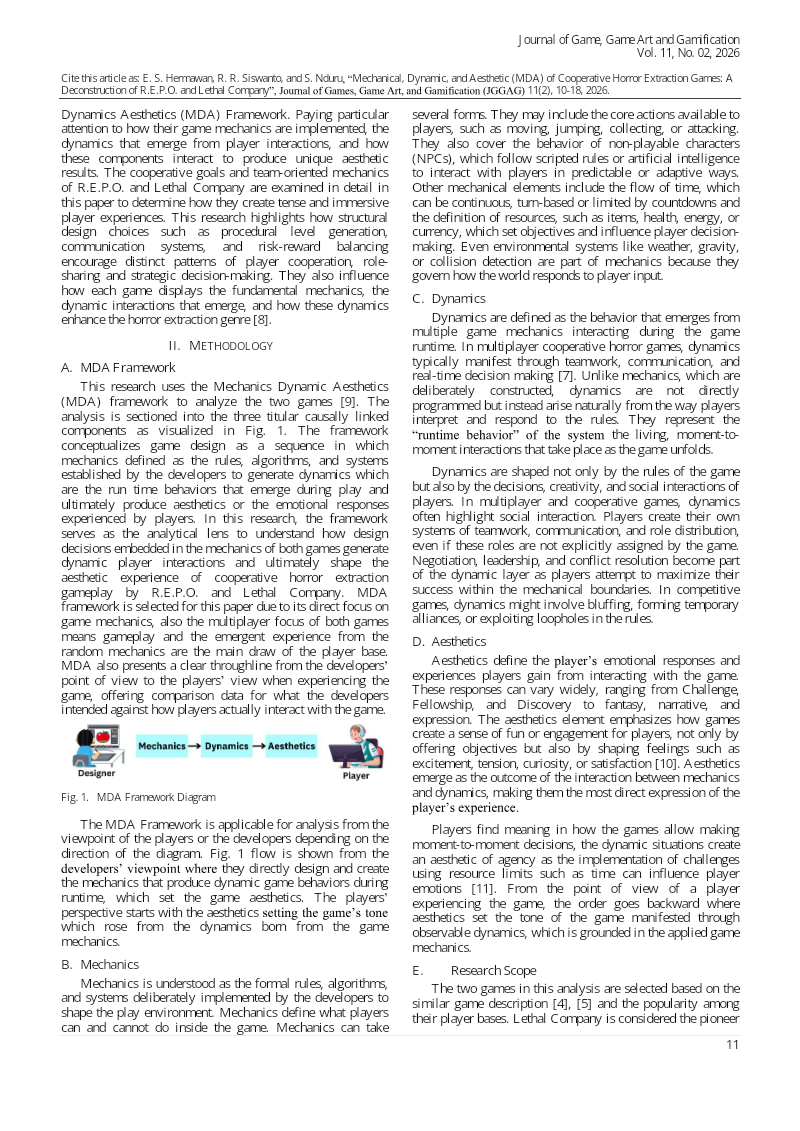
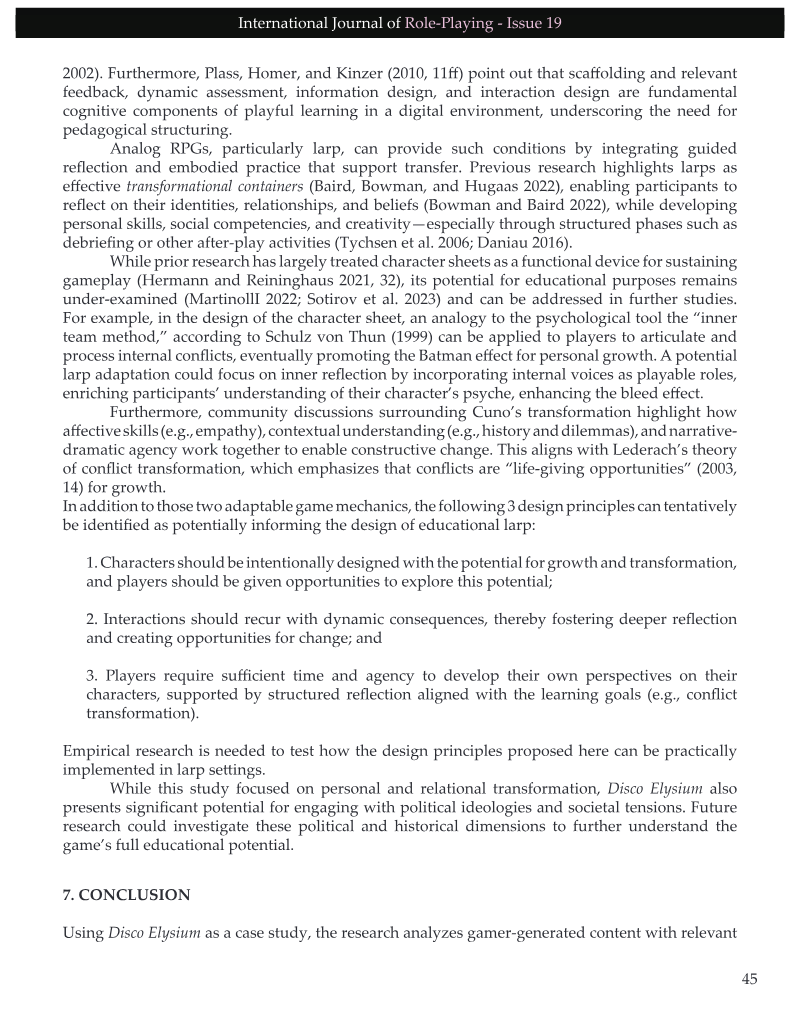
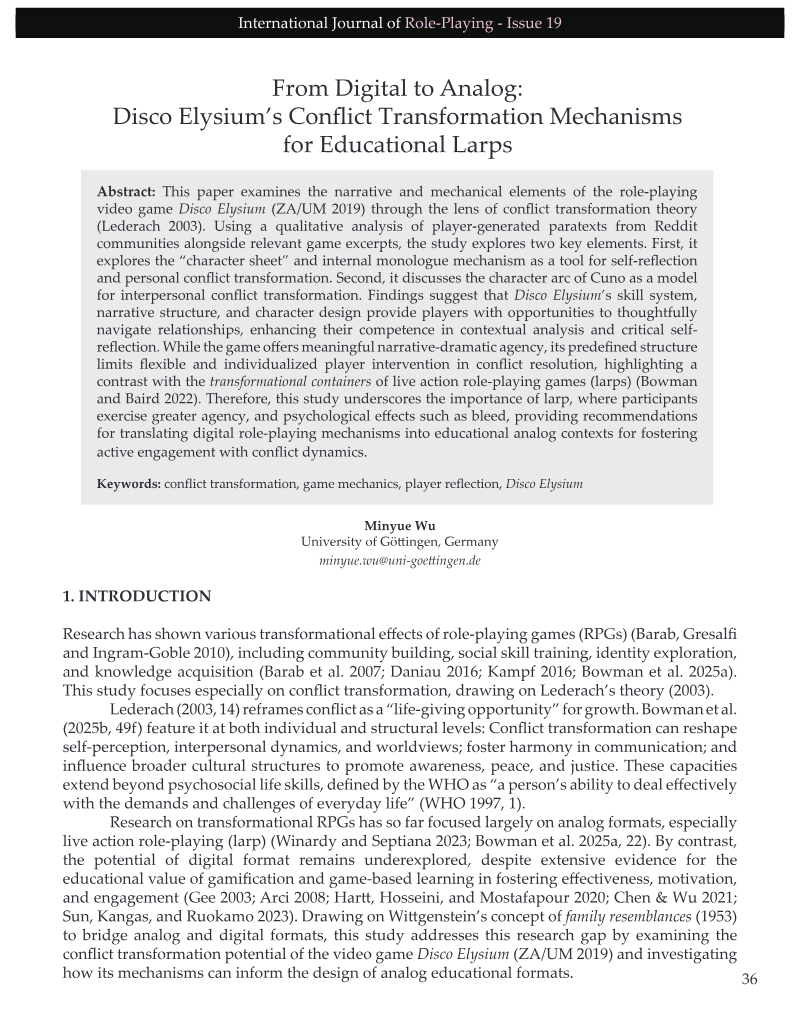
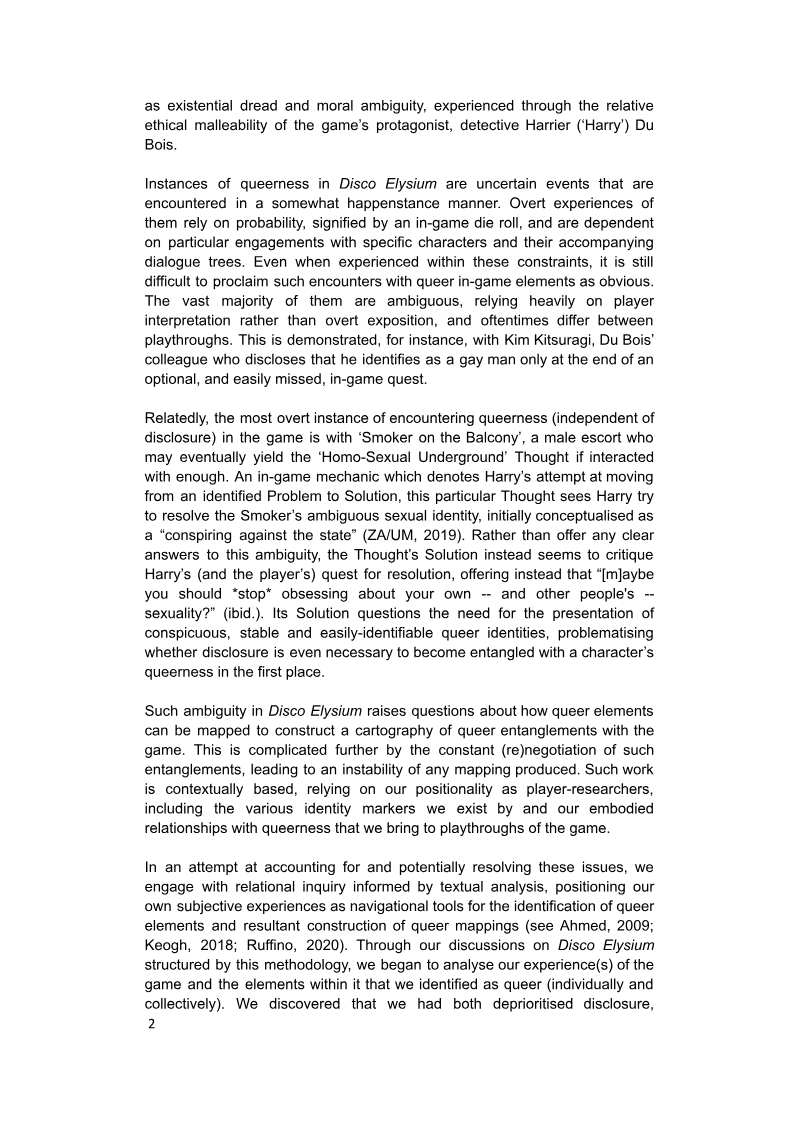
Key insights
5 slides
The core issue
Over-promising on AI depth creates a gap between player expectations and technical execution.
This gap ultimately undermines the perceived authenticity of the gameworld.
Key finding. Over-promising on interactive AI systems creates dissonance between player expectations and technical execution, undermining gameworld authenticity.

1 / 5
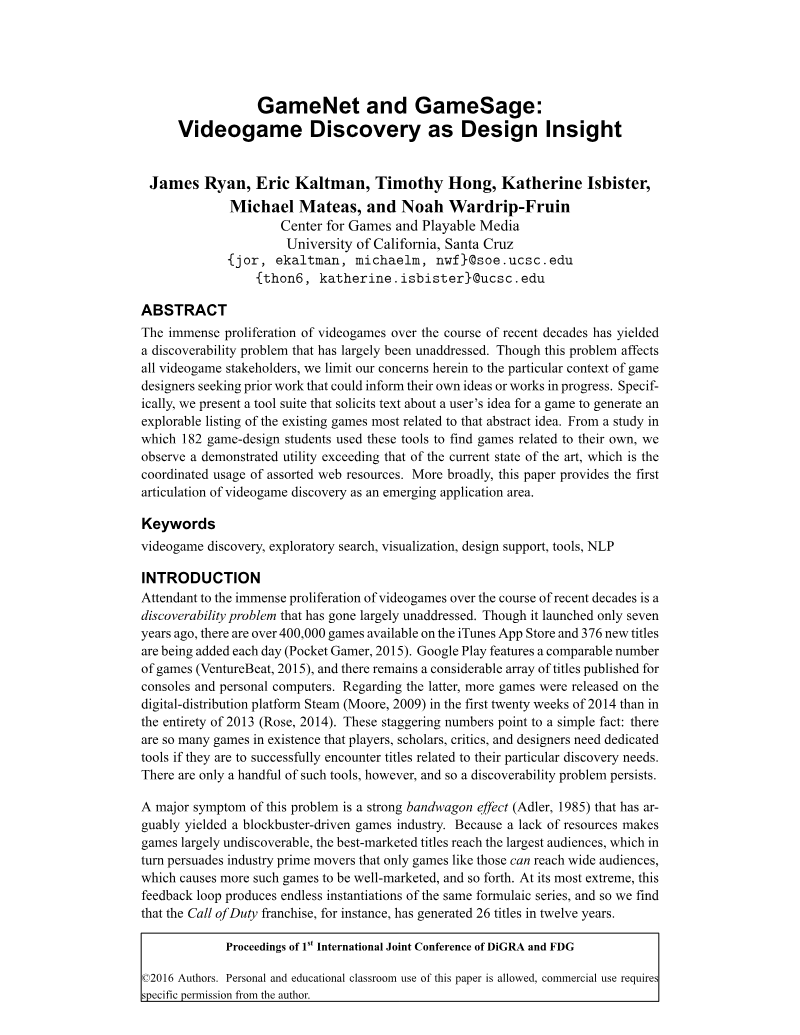
- 01Over-promising on the depth of interactive AI systems creates a dissonance between player expectations and technical execution, which ultimately undermines the perceived authenticity of the gameworld.See it on page 18
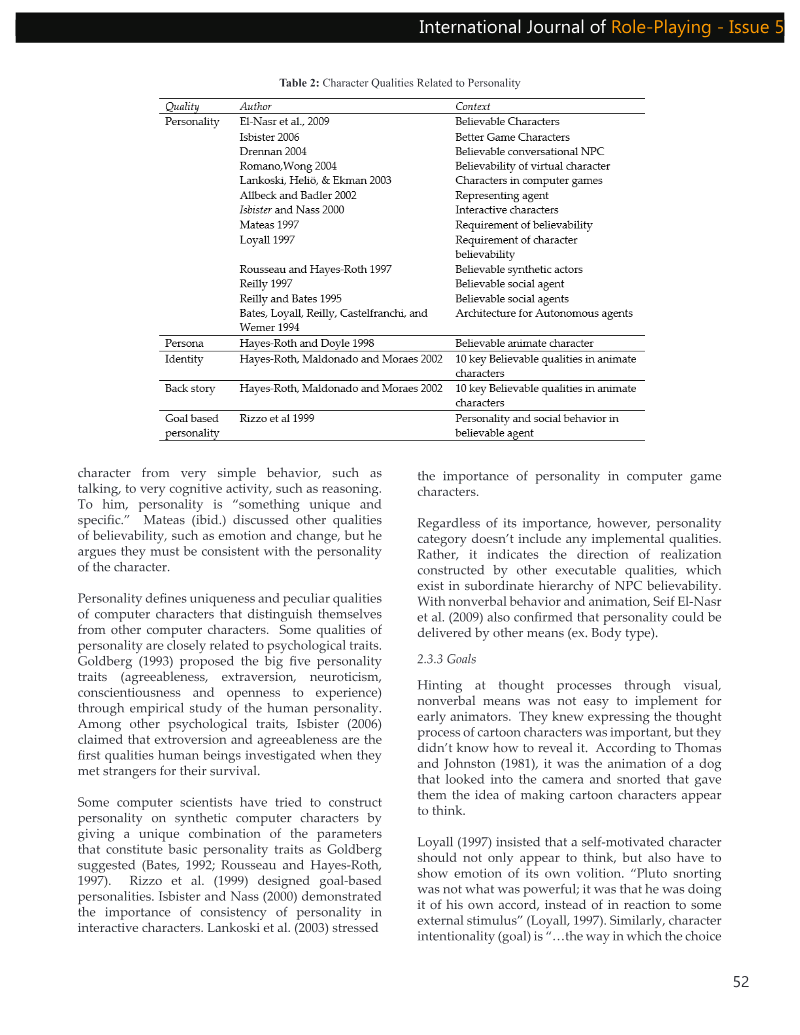
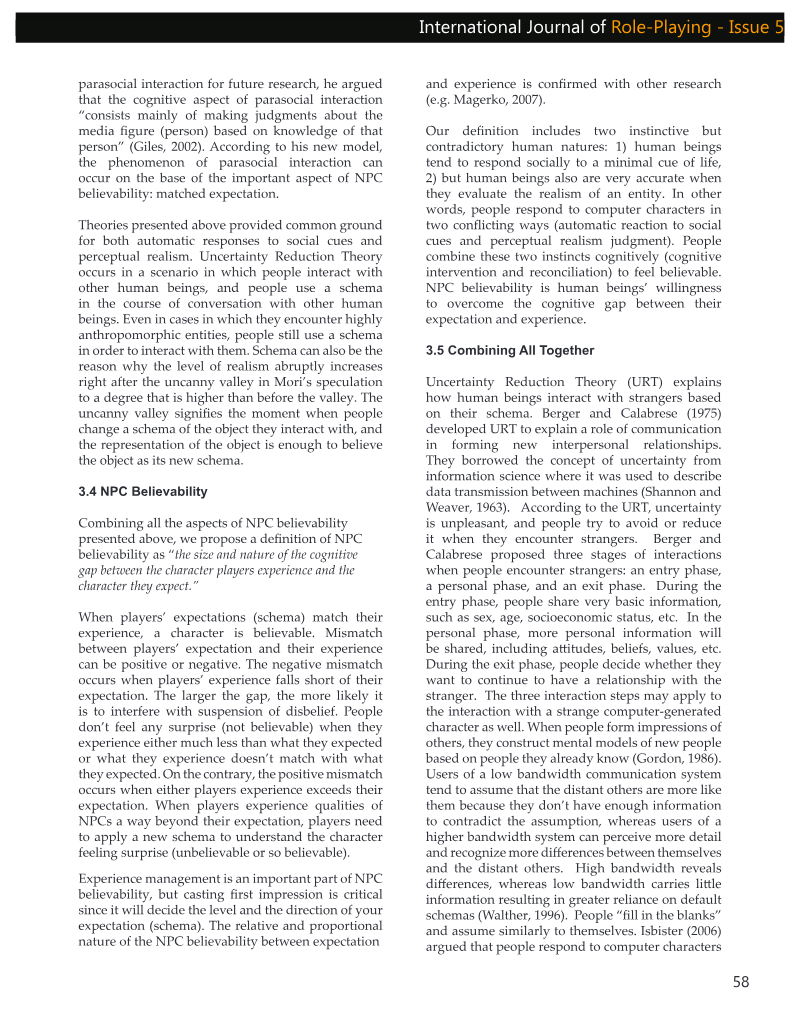
- 02The 'uncanny valley' effect in open-world RPGs is frequently triggered when sophisticated modeling attempts exceed the underlying technology's capacity to sustain consistent, human-like behavior.See it on page 11
- 03Adaptive systems that rely on rigid stereotyping and class-recommendation algorithms often fail to account for the nuance of individual player choices, leading to biased or inconsistent NPC interactions.See it on page 15
- 04Designers must prioritize the alignment of narrative conventions with actual technical capabilities to prevent the breakdown of player immersion.See it on page 18
- 05Future development should focus on transparent design frameworks that ground the responsiveness of the game world in its functional reality rather than attempting unachievable levels of autonomous characterization.See it on page 18
Ask AI about this report
Summary
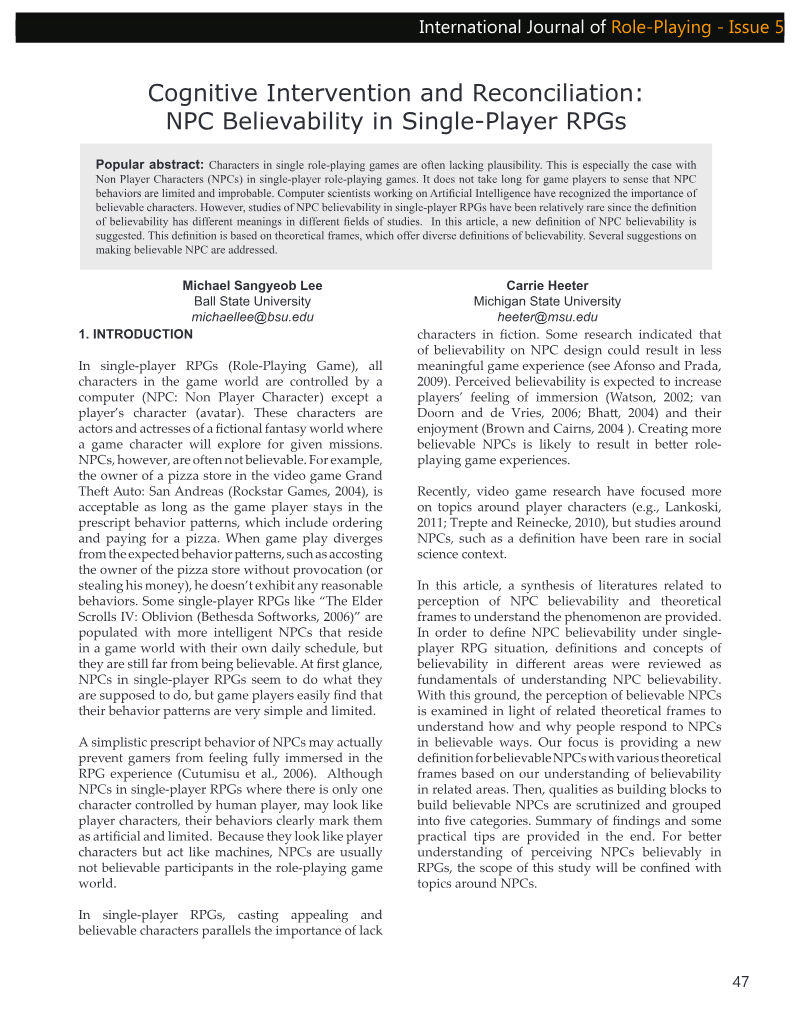
The Elder Scrolls: Oblivion serves as a primary case study for examining the tension between intelligent personalization and the psychological phenomenon of character believability in open-world role-playing games. By employing a close reading methodology, the analysis evaluates how the game utilizes adaptive systems to categorize player behavior and tailor narrative experiences. The core thesis posits that while the game attempts to foster immersion through responsive, human-like systems, it ultimately creates a dissonance between player expectations and technical execution, leading to a breakdown in the perceived authenticity of the gameworld.
The research highlights that the game’s reliance on stereotyping and adaptive class-recommendation systems often fails to account for the nuance of individual player choices. Instead of creating a seamless, personalized dialogue between the user and the environment, these systems frequently exhibit inherent biases and inconsistent non-player character behaviors. This failure triggers an uncanny valley effect, where the ambition of the design promises a level of narrative depth and interactive intelligence that the underlying technology cannot sustain. Consequently, the game’s attempts at sophisticated modeling inadvertently expose the limitations of its own artificial intelligence.
Ultimately, the study concludes that designers must prioritize the alignment of narrative conventions with actual technical capabilities to maintain player immersion. Over-promising on the depth of interactive systems creates a gap that undermines the believability of the experience. To avoid this, future development should focus on managing player expectations through more transparent design frameworks, ensuring that the responsiveness of the game world remains grounded in its functional reality rather than overreaching into unachievable levels of autonomous characterization.