1 free read left. Create a free account for unlimited reading + AI research.
Create free accountWhitepaper DiGRA
1 free read left. Create a free account for unlimited reading + AI research.
Create free accountWhitepaperDiGRA
Distilling the key insights…
The paper presents the KEEP project, a European initiative launched in January 2009 and funded through the Framework 7 program, aimed at building an open emulation access platform for preserving digital games. Its central argument is that game preservation is currently piecemeal and insufficient, that preserving access to a game requires more than the final artifact (including patches, versions, build tools, middleware, and community-generated material), and that emulation offers the most viable strategy for retaining runtime functionality over time. The authors illustrate these points with the case of S.T.A.L.K.E.R.: Shadow of Chernobyl, whose multiple releases, patches, localizations, and modding history demonstrate how complex a complete archive of a single title can become.
The paper distinguishes between migration, which alters objects to suit current platforms and accelerates data degradation, and emulation, which recreates original environments virtually and leaves the object untouched. Although emulators have their own obsolescence problems and many console emulators depend on copyright-infringing BIOS files, the authors argue that emulation is the more practical approach. KEEP's distinguishing feature is its design as a virtual machine framework rather than a platform-specific emulator. This modular architecture allows multiple existing emulators to be integrated, offers both automated and manual access modes, and enables access to the surrounding tools and codebases alongside the games themselves.
The project's consortium includes the national libraries of France, Germany, and the Netherlands, preservation software firms, the ComputerSpieleMuseum, and the University of Portsmouth. Its first phase, running until 2012, aims to produce a working prototype seeded with existing archive holdings, along with a transfer tools framework and metadata extensions for emulation. The authors acknowledge unresolved copyright questions and the substantial effort required to write new emulators, but conclude that KEEP represents the first systematic, large-scale attempt to address the technical challenges of game access retention and a significant potential resource for games research and education.



DiGRA · 2016



DiGRA · 2016



DiGRA · 2016



DiGRA · 2016



DiGRA · 2016



DiGRA · 2016

DiGRA · 2015



DiGRA · 2015



DiGRA · 2015



DiGRA · 2015
DiGRA · 2015
DiGRA · 2015
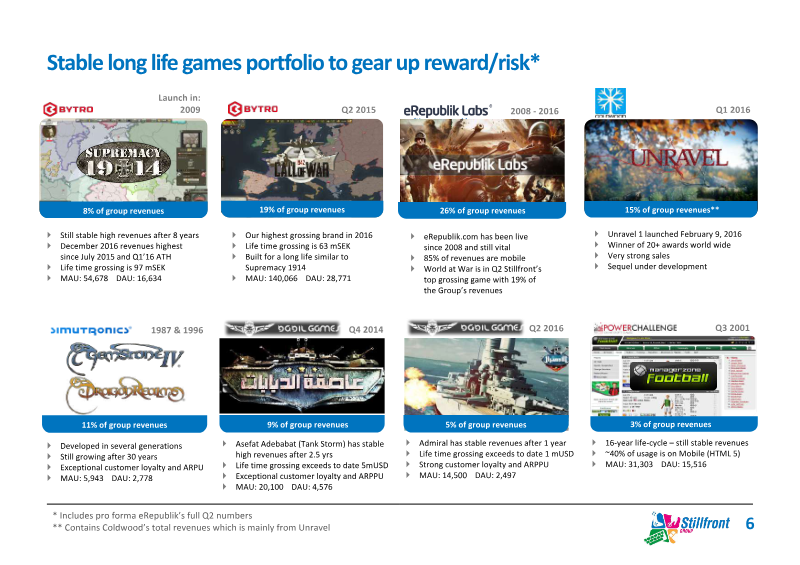
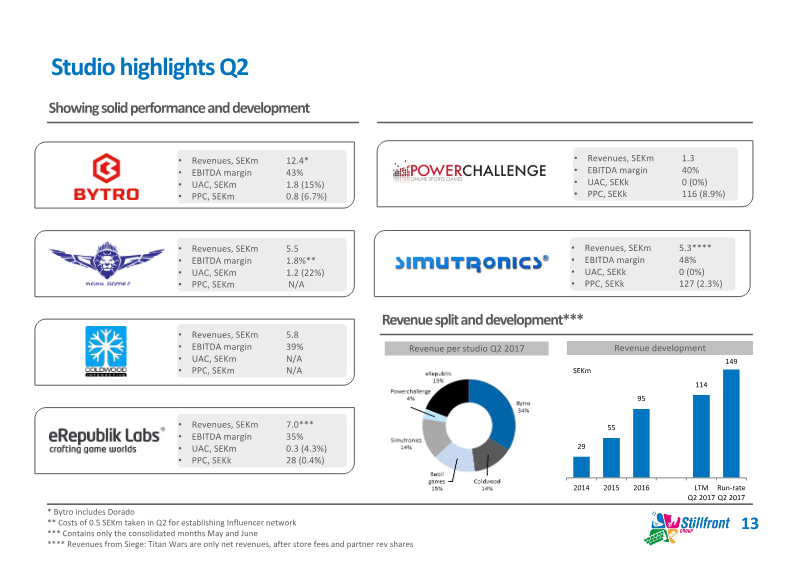
Stillfront · 2017