1 free read left. Create a free account for unlimited reading + AI research.
Create free account
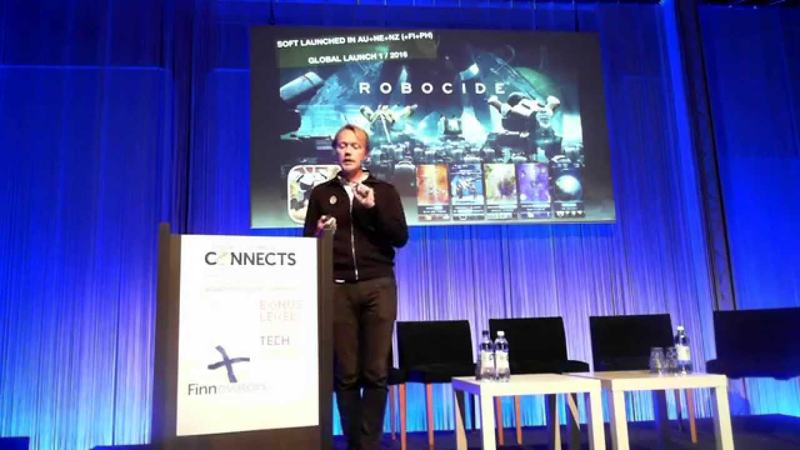
Embrace your mistakes and chase your passion, says Rovio's Niklas Hed
Key insights
7 takeaways- 01Rovio transformed a single game into a global brand by aggressively expanding into merchandising, animation, and diverse genres like RPGs and racing.
- 02The company has adapted to the shifting digital marketplace by embracing the free-to-play model and launching publishing initiatives like Rovio Stars to build multi-platform ecosystems.
- 03Early technical constraints, such as limited heap memory and GPRS connectivity, forced Rovio to master content compression and efficient design, which proved critical for the transition to touchscreen gaming.
- 04The development of Angry Birds originated from internal experimentation during downtime between contract projects rather than a top-down market planning strategy.
- 05The success of Angry Birds was driven by intuitive physics-based mechanics that removed the need for tutorials and a commitment to continuous post-launch updates.
- 06Rovio developed 52 titles before achieving global success with Angry Birds, demonstrating that iterative learning and persistence are foundational to long-term success.
- 07Rovio maintains a corporate philosophy centered on an 'underdog' mentality, prioritizing product quality and fan engagement over short-term financial gains.
Ask AI about this video
Transcript
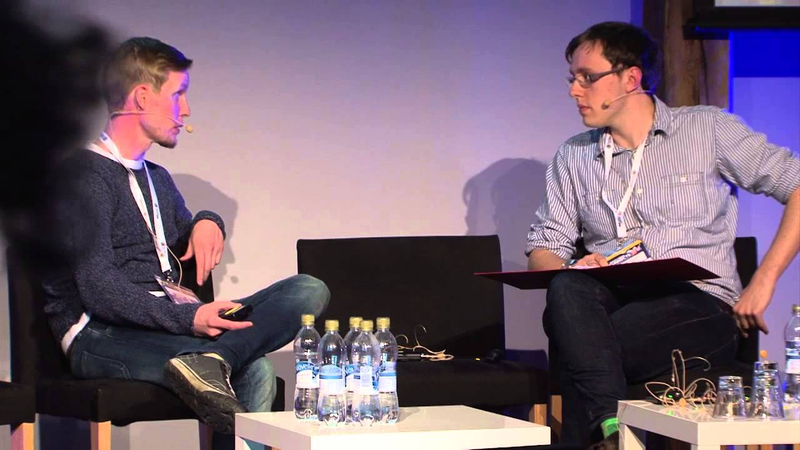
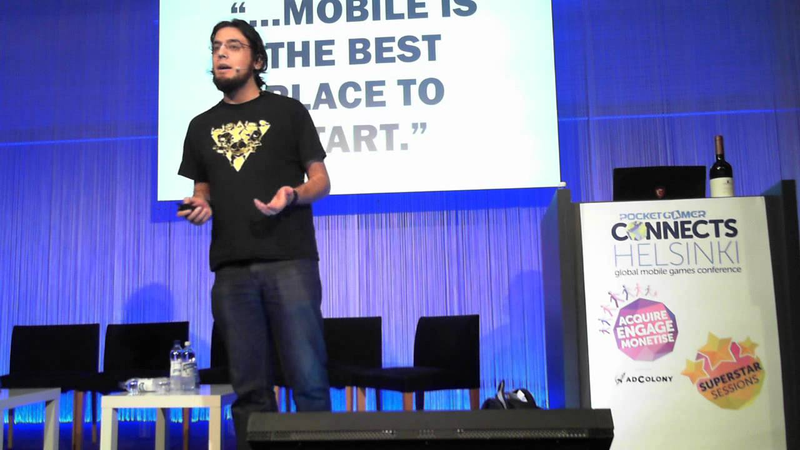
well we've segue quite nicely into our far side chat um with roio and I think obviously well thank you very much for joining us thank you for me um and I'm going to just I mean just to explain to everyone we're going to go through a gentle caner through the history of Rio we're going to have a little look about how you guys got started how you managed to lift off and get towards that phase where you reach that really massive success and maybe go off and talk a little bit about the future of the company so the first question I've got is can you tell us a little bit about how Rio started you know how did you get how did you get off the ground as a mobile games company and what was the industry like when you started out first of all everything was was carefully planned until today so we knew that angry birs is going to come out uh a bit later and we're going to make a huge huge success okay of course uh of course uh yeah uh it actually started from assembly so uh me and two of my uh fellow students uh uh we were having a
school project and we did a multiplayer game over there and then we saw uh the competition at assembly and then we decided to to participate in that so it was sponsored by HP Bazar so Peter Waka was there uh messing around and then uh also no was sponsoring for their new devices that they would like to have some new games on on the platform and then we decided to to participate for them that and then uh eventually we we we actually won that competition okay so it was all about having a uh realtime multiplayer uh over GPRS mhm which was uh we have to deal with four second uh lags and and low Heap memory etc etc so very interesting summer let's let's put it this way yeah no that sounds that's really interesting the way you started out well that's an ambitious idea especially sort 2004 2005 we're talking wow multiplayer over GPRS
you know that's that's really impressive stuff but I mean when you initially started out obviously you decided to found this company and you started off small how did you survive in this early era of the industry because it was a tough industry to survive in let's let's not lie about that so what did you have to do to keep your company afloat uh I would say that it it didn't start from the from the money perspective so it was a passion of of mine I I've always wanted to do games and if you look at the uh PC industry at that time uh you had fairly big teams at that time already and then we decided to uh put it together and and just to execute the dream and and what I loved about mobile games was that you have fairly small teams so I can actually affect to the product quite a lot and that that was kind of the the inspiration how to make money with the company we didn't have a clue but you knew how to make games and you you have to make a lot of these
games because I think the the FED story is prior to Angry Birds you had 51 51 games I believe that 52 52 I apologize I'm very inaccurate of me but so you had these 52 games I mean what did you learn through the process of developing these games I mean obviously you would have started out with games that maybe perhaps were pretty basic but as you bu built up your skill set how did you use those games to build the skill set up necessary to create a really great mobile experience yeah uh well we we've been always on mobile so you have to do different design than on on PC games uh and and another great thing is uh when it comes to Mobile gaming is that uh the projects are quite short so there's a lot of learning put in into that so when you can have lot of lot of games you will definitely you will learn learn a lot and uh uh I was lucky enough to go through a lot of different game genres at the same time and we were doing like so many different mistakes
but also learning a lot and and without those games uh I would say that Ang angry Bir wouldn't be here so let's let's think about those games at the mo at the moment I'd like to know out of interest you know which games perhaps you thought were your best games and why and why they particularly helped your thinking and at the same time maybe some of maybe some of the worst games maybe the ones where you thought I wish I hadn't touched that and what you maybe learn I mean because I think that's interesting because Mobile gaming today obviously people release their games and they soft launch them and they spend months tinkering with things and playing around and it's interesting to see you know by looking at these games I'd like to see how maybe you had that process as well iterating and learning new skills but by creating different titles so could you give us a few examples yeah we started from casual gaming actually the first game was was super casual although it had the multiplayer aspect in it then we uh we did a few casual titles after that as well then we went more into the hardcore
gaming uh and what what I learned from that is that you can put a lot of content into small package because we had only like 64 kilobytes of of Jar size so the package size it was fairly fairly small so maybe the key learning uh from there was yeah how to compress your uh your content into very small space uh the best games uh I really liked bouns that was that was one of my favorite games and and I was I remember that was super proud of that the game as well how to take 3D with with soft uh rendering uh but still have something fairly casual it was kind of hard to to control it but but in any case that was one of the uh the games that I'm I'm really proud of and also we did uh for EA we did a few racing games so their first 3D games for those those platforms and actually those
games they they sold a lot so we saw that uh with the skill set that we had uh there is commercial potential behind it and actually the market is fairly fairly big at at at the same time uh but then the worst games uh they are my kids so all of our games are beautiful all of your games are beautiful oh well that's I mean that's good to hear there's not many people with so many beautiful games as yourself of course but there was a particular game that was very beautiful when it was created and that was of course Angry Birds you know that that arrived but one of the things that everyone talks about there's this whole story about I mean I think an unfair thing where people say 52 failures and then a hit that's not of course correct in how that happened but I'd like to know about how you guys decided to come up with the idea of Angry Birds and why you decided to make it because from what I heard I spoke to Matthew Wilson at Ria who's senior publishing manager and he told me about how you managed to take advantage of a small break given to you when basically a a company dropped out
of doing a contract with you and that allowed you some time to develop the game I mean could you explain a bit more about how that came about how Angry Birds started off yeah so so we did a few games for iPhone before Angry Birds and we got severely beaten uh wrong kind of controls a lot of different kind of mistakes and and although we've been making uh games for mobile for for years but the touchcreen uh control it required some it required different design and and I think through those games we we learned how to how to make the best guess uh for a touchscreen device angry birs itself it started from one one image uh drawn by yako isalo and it didn't have a proper game at that time but the whole energy in in that picture was just fascinating uh but we didn't have time to to do that
so we were running four or five project at the same time and then we decided to take some external Partners to to assist with the actual development so we could uh free some time for the for the own IP because that that was something that we really really wanted to do and and and we saw that the smartphone volume might kick off and actually at that time it was it was already uh uh that market was growing quite rapidly so we free some time from the pro project so uh all that slack time we we we went and and and started developing Angry Birds uh and we put a budget uh of 400 uh 40K and uh after the summer uh I think it were somewhere like 50k already uh and we started thinking that should we take the other other idea because it seems that we are not going anywhere thank God we gave some more time for that and then y started polishing the game a
lot uh and and all of a sudden we noticed that everybody was was playing the game at at the studios so we had the the the work for higher projects but that game all the slack time we had we we put all the effort into that we also we we also had uh like a master Excel sheet we were comparing the scores so I I think that people knew that there is something special in in that project a lot of effort into that and and I and I think that was one of the the factors that we we decided to to to carry through so what turned it out of interest from because you you were saying about how you had invested a lot into it and then suddenly you realized that everyone's playing it what was it and what do you think was essential in the essence of Angry Birds that turned it from something that was just a project you were working on into this game that you suddenly were all were playing this addictiveness what what were the key elements of it would you say
uh if you look at the basic elements I I really like physics games so you don't have to explain the rules so you don't have to have any like uh extensive tutorials and that was one of the lessons that we learned from many many different games that that we did and then uh it's the Polish in the game those small details when you get that right it just feels good I think that was it that was it so exactly and so I mean obviously you realized that you had this great game on your hands and You released it but I think when you look at the I mean obviously it spent a year at the top of the American chart this was like one of the major factors that really helped boost it success is that this it managed to cement its position at the top of the appst chart but how did you it took about a year between the actual release and that chart topping year there was a kind of there was a buildup time in which you turned it from a really great game into a really great game with this massive audience you know how did you go about that process of turning it from small game into massive hit I would say that it it was fully organic uh we we
launched it in uh December 2009 and it took six months until it top topped uh the US charts uh the first comments that that we received from from the audience was that I love the game uh but we would like to have some more content and that was kind of like untypical uh when it comes to a releasing a a a product you you make the product you catch it in and then you take the next one and then we decided to just add more content and and also form a connection between us and the fans as well so they kind of felt that hey we actually we are listening and we we were forming this very like unique uh relationship with with with the fans and then we just kept uh doing that until the we top the charts yeah and when you got to the top of the charts I think one of the well I mean I mean for
me what I recently found out um I went on to YouTube and listened to Chris Moes who's a very famous radio presenter in BBC basically going I love Angry Birds and that was one of the moments that he went and had basically went forward to being this massive success in Britain was this famous DJ talking about how he was addicted to it but you didn't just stop there you didn't just go we've got an addicted game let's leave it there you went we want to build a brand and particularly Peter vacker I think's being one of the people who's been really credited with this and I mean you know when I walk around I've I've been in the last few months I've been in krackov I've been well I've been here obviously of course and recently I was in Berlin and in each of those cities I've seen kids wandering around with angry birs t-shirts on I mean how important has been that building of the brand and constructing it in a way that you've added not only just the original Angry Birds but you've agreed deals with Star Wars and today I've seen Angry Bird Transformers so you know you've been really working hard to construct that I mean how how important has that been to the success of Rio and why do you think
other companies perhaps didn't pursue that route even though it's worked quite so well for you it's taken a long time I think for other people to catch up with you in that regard I think it was it was all about timing as well because the market was growing all the time so that was the reason that we were able to keep number one because there was always fresh uh uh blood coming in into the ecosystem uh but very early on uh we realized that we were like going back and forth that how do we how do we build a brand that was a dream we wanted to bring a build a strong brand and we're thinking that okay if we drop the price to1 EUR will it make the brand uh less attractive and then we realized that actually no if the experience is good if the product itself is super good so let's get that piece working first and then it was all about the question that how do we maximize the
volume and then another thinking that we had that when you're controlling the character itself you're typically controlling the red bird and if if there's a good feeling related to that and if you see that on the retail uh or in in retail uh and if you remember that good feeling it's it is very likely that that people will also buy that physical product uh so how how how did we you managed to get it uh so big it was I think it was party timing uh getting a good relationship with the with with the fans uh keeping keeping the update cycle quite short uh having the dialogue basically yeah and then we were having like millions of dollars when when Peter joined and then he was uh putting the think to the next level Yeah so basically leaning forward a lot on many many things yeah I think I mean the characters we' Angry Birds I mean obviously there's red Terren Chuck we've
got these attachments to these characters and you've strengthened it by using things like ton TV of course where you can sort of see the Angry Birds episodes and Angry Birds film is is moted it's in the works um but beyond that you've also expanded into other genres of games so recently of course you released Angry Birds Go last year which is the cart racing game Angry Birds Epic came out last week um I mean how has that change the dimensions within the Rio when it comes to developing games because you're obviously branching out into different types of games I mean how does that affect your thinking as a company like what what is it in ter in those games that changes the way that you make your games and design them yeah how the the the question is that how do you make a brand longlasting and my only good example I'm sure there are many good examples but one of one of the good examples is uh Mario and I think it's a it's a promise of good quality and they are able to
surprise time to time in in a positive way so how to keep it fresh I I believe that that by making it interesting to make to to keep up uh with with with the surprises good surprises that's the way to keep it fresh and therefore uh you have to do a lot of uh crazy things you have to do mistakes to find the true surprise element in it well exactly I think I mean because I guess I'm coming around to one of my last questions and probably the last one of this little far side chat which has been fantastic but you're now obviously a massive company that's making hundreds of millions of dollars each year in revenue and there's loads of interesting things that you're you're doing as a company at the moment you've got Roo Stars you've got your publishing program and you I think you're publishing plunder Pirates I believe or which is coming up soon um and at the same time you've made a more concerted move towards adopting the freeto playay model definely um and I guess the question that I'm wondering is
what's next for roia but what are your plans I mean what are you hoping to achieve within the next couple of years and how do you think you're going to get there I guess that's the real question it's it's to really great great products and services I mean it's just hard work and also uh we have to be very humble because the market is it's it's changing and moving so rapidly uh I kind of like being in in an underdog position so so that that keeps us hungry to deliver great great things I think there's no one silver bullet in the end it's just hard work and and also the desire to to delight and and surprise the fans so well it sounds to me that you've got well I mean you've managed to build this company from nothing really and managed to turn it into this Global brand and I think there's a lot of people who are looking at that and looking at how to make their games really successful and how to make them stick in the mind of the player not
just when they're playing the game but long Beyond it while they're thinking about other things and I think roio have been one of the companies that have really managed to do that spectacularly well so thanks very much for joining us Nicholas give him a round of applause for really PR thanks
Summary
Rovio Entertainment’s rise to prominence in the mobile gaming industry serves as a case study in the importance of iterative learning, passion-driven development, and brand expansion. Founded in the mid-2000s, the company initially focused on contract work and small-scale mobile projects, developing 52 titles before achieving global success with Angry Birds. This early period was characterized by technical constraints, such as limited heap memory and GPRS connectivity, which forced the team to master content compression and efficient design. These foundational experiences were critical in shaping the company’s ability to navigate the transition to touchscreen-based gaming.
The development of Angry Birds was not a result of immediate market planning but rather the product of internal experimentation during periods of downtime between contract projects. The game’s success is attributed to its intuitive physics-based mechanics, which eliminated the need for extensive tutorials, and a commitment to continuous post-launch updates. By fostering a direct, responsive relationship with its player base, Rovio transformed a single title into a long-term, globally recognized brand. This strategy involved aggressive expansion into merchandising, animation, and diverse gaming genres, such as racing and RPGs, to maintain relevance and surprise audiences.
Rovio’s evolution reflects a broader shift in the mobile industry toward the free-to-play model and the necessity of building multi-platform ecosystems. Despite significant revenue growth, the company maintains a philosophy centered on humility and the "underdog" mentality, prioritizing hard work and the desire to delight fans over short-term financial gain. The company’s current trajectory emphasizes the creation of high-quality products and services, supported by publishing initiatives like Rovio Stars, as it continues to adapt to a rapidly changing digital marketplace.















Comments