Loading the document
More from Sichuan University
View all

More on Serious Games
View all
Whitepaper
I Was Just Too Busy: A Newsroom Game for Studying AI Reliance
Tsinghua University · 2026
Report
CORDIS Results Pack on Gaming for Good: Serious Video Gaming for Education, Research and Health
European Commission · 2026
Whitepaper
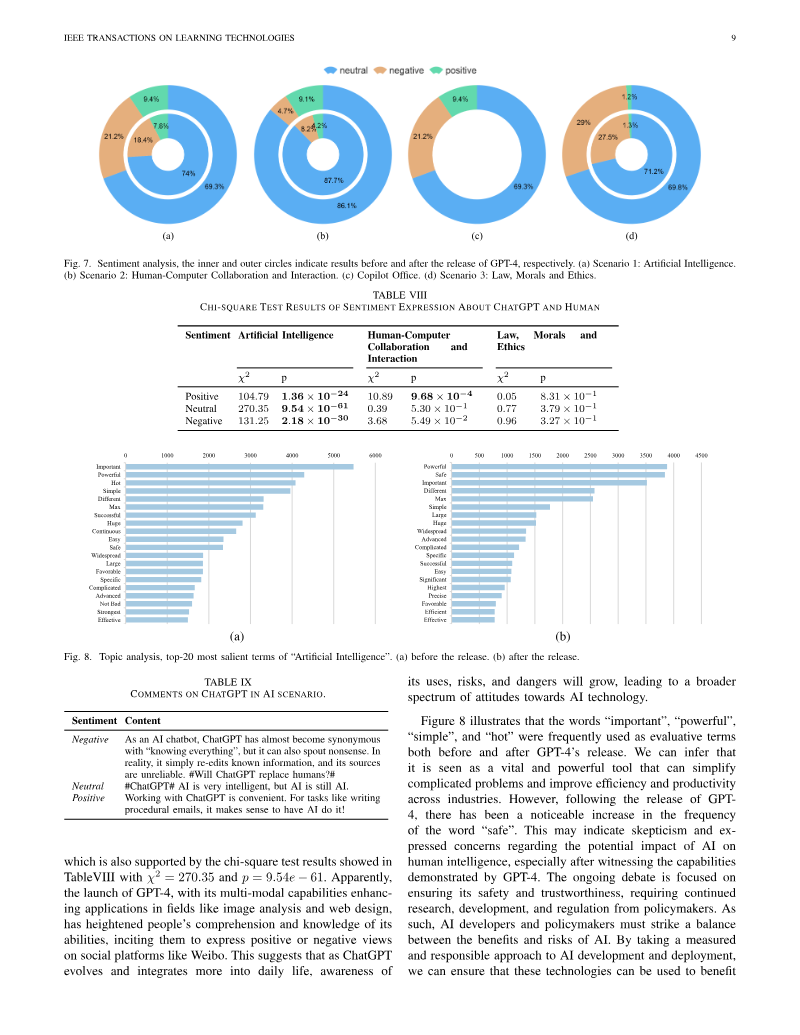
Last Week with ChatGPT: A Weibo Study on Social Perspective Regarding ChatGPT for Education
arXiv · 2026
Whitepaper
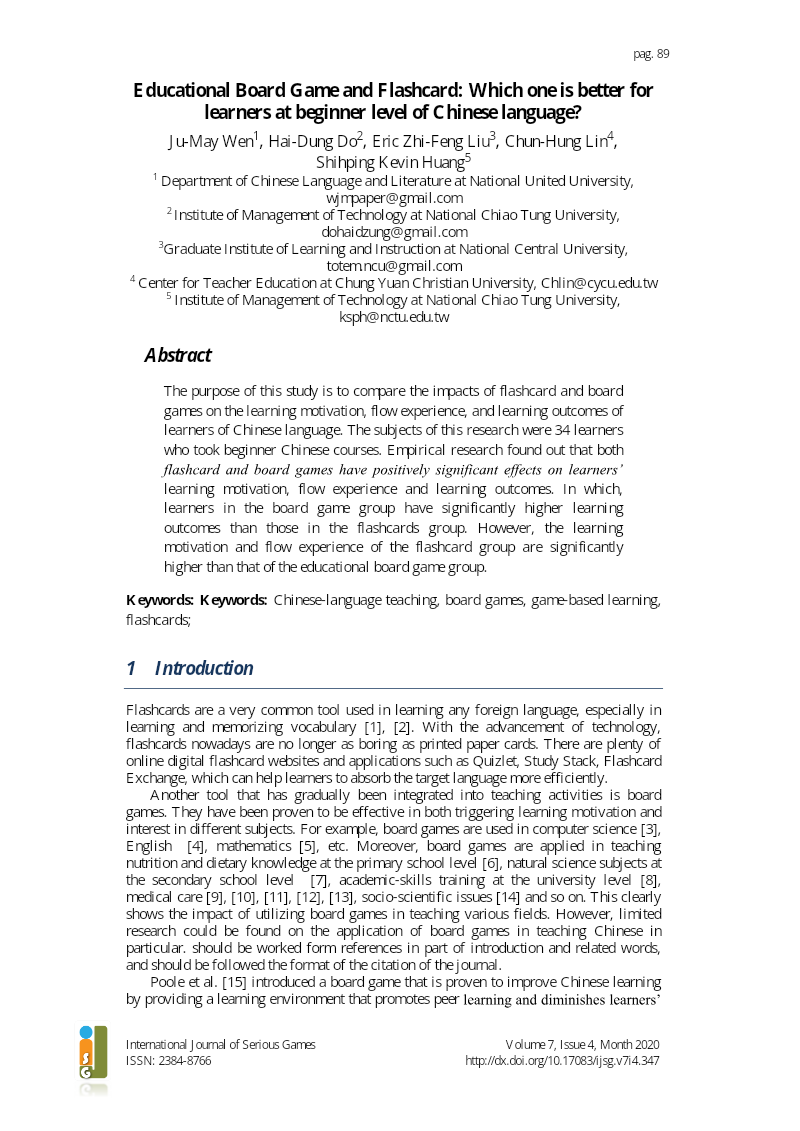
Educational Board Game and Flashcard: Which One is Better for Learners at Beginner Level of Chinese Language?
International Journal of Serious Games · 2020
Whitepaper
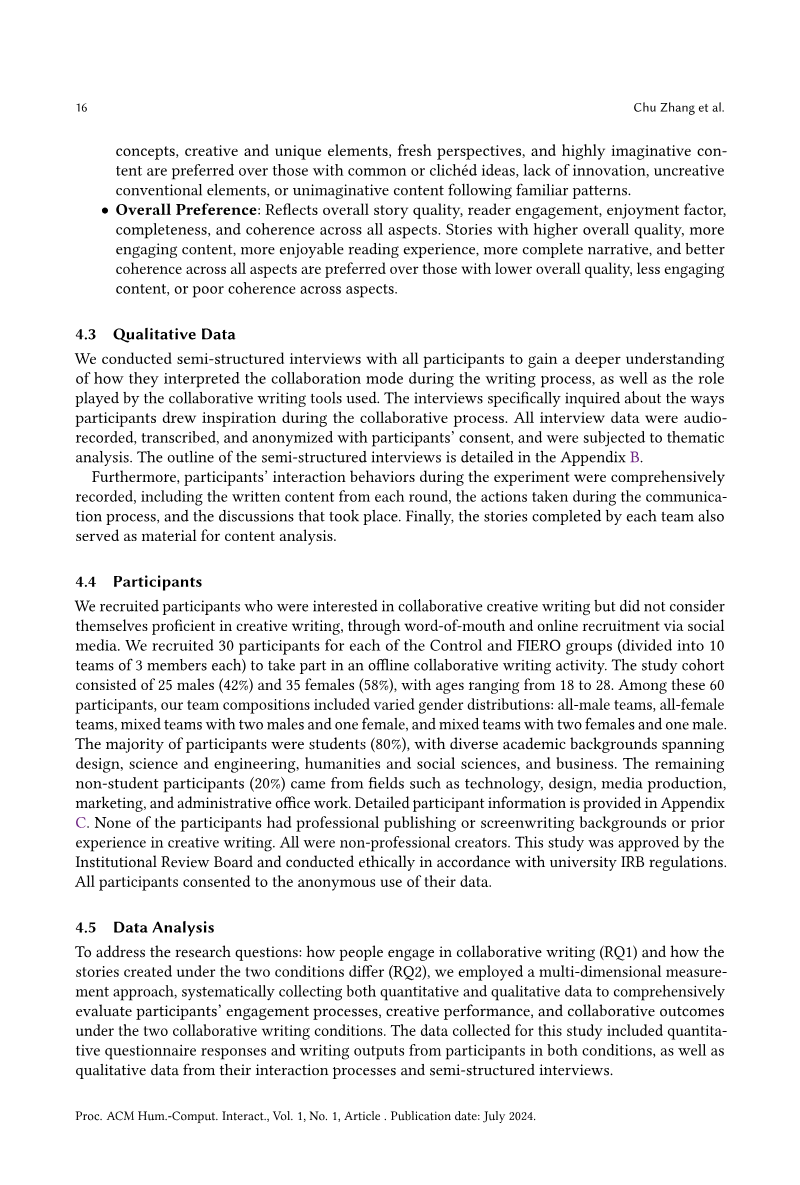
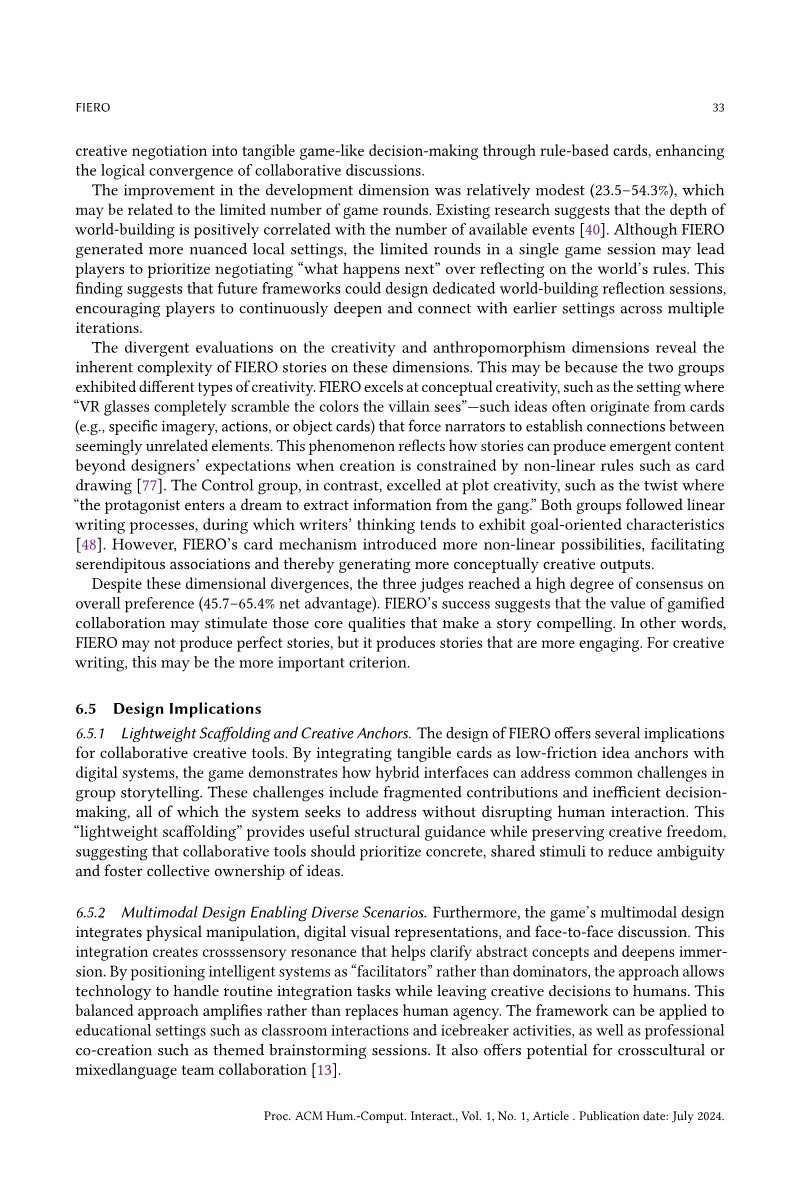
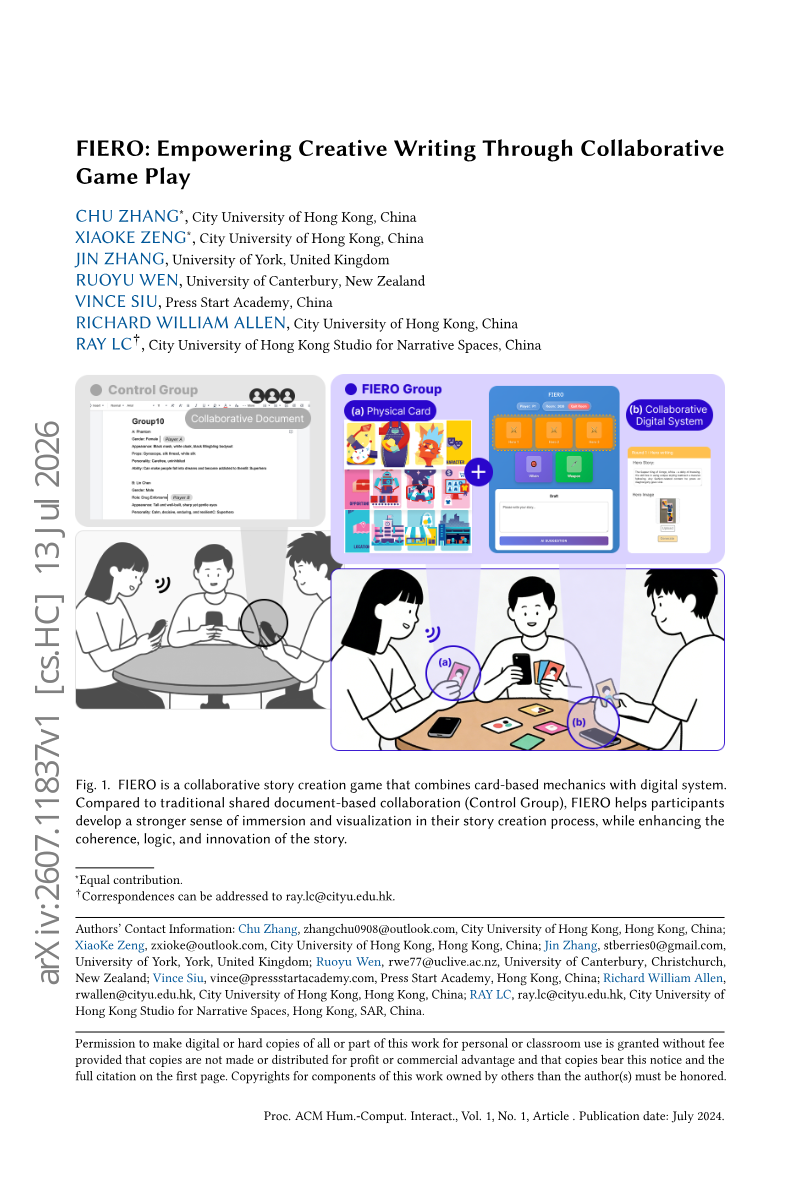
FIERO: Empowering Creative Writing Through Collaborative Game Play
City University of Hong Kong · 2026
Whitepaper
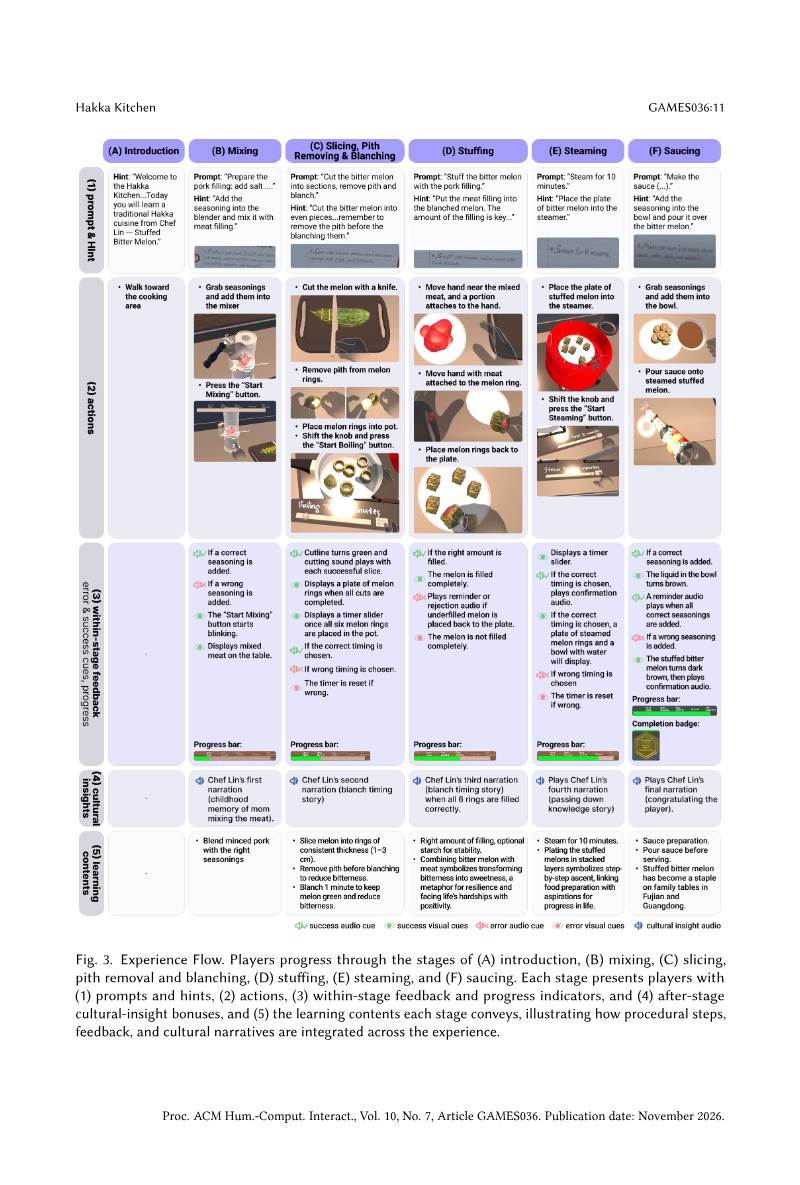
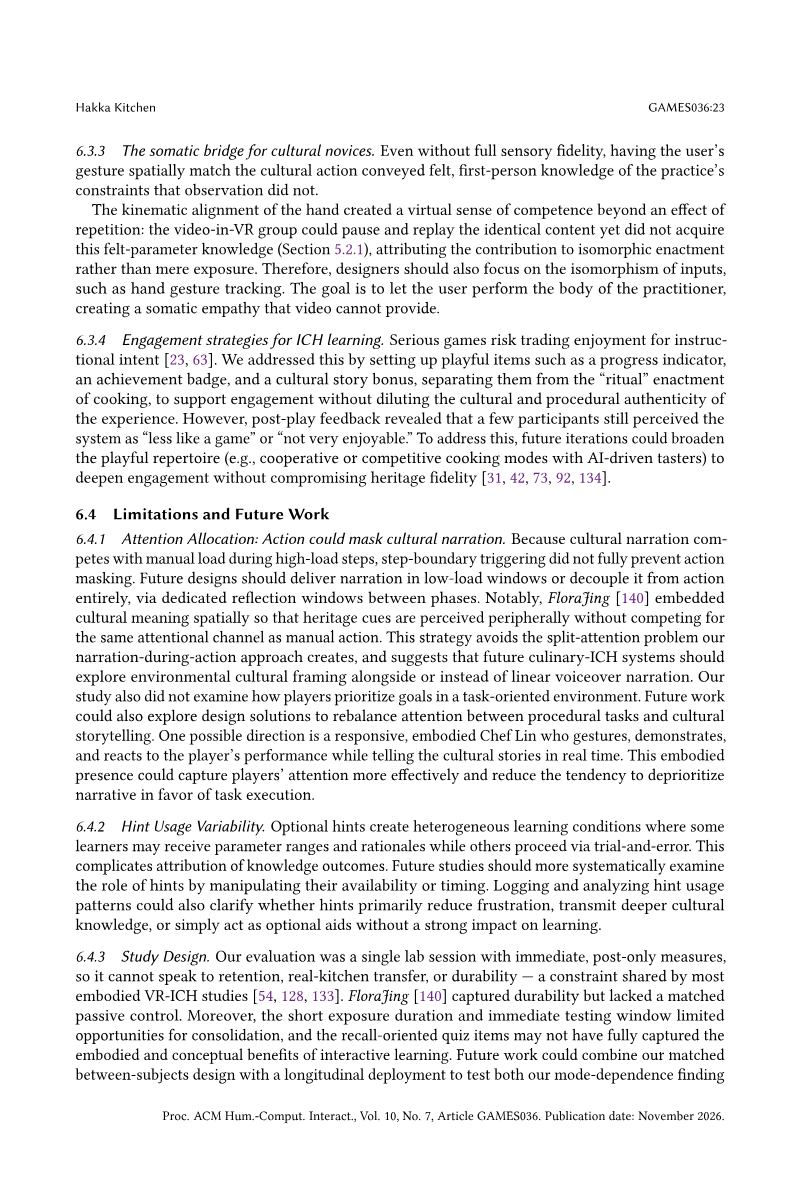
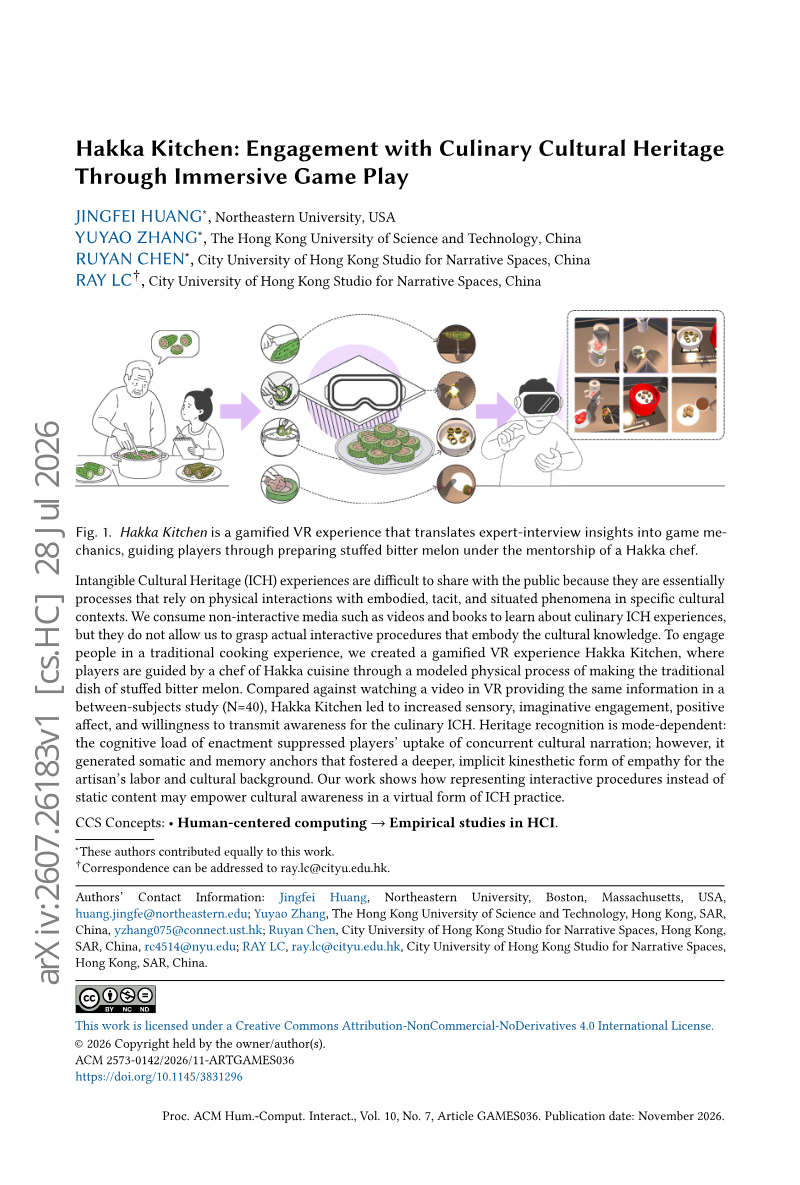
Hakka Kitchen: Engagement with Culinary Cultural Heritage Through Immersive Game Play
Northeastern University · 2026
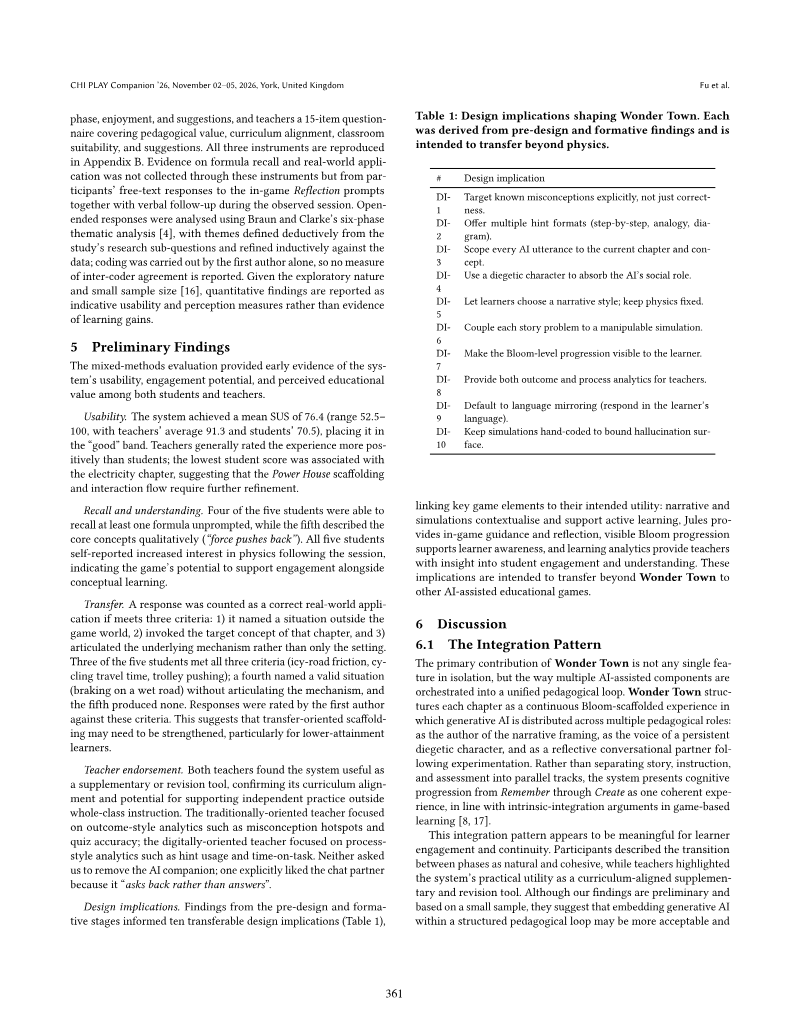
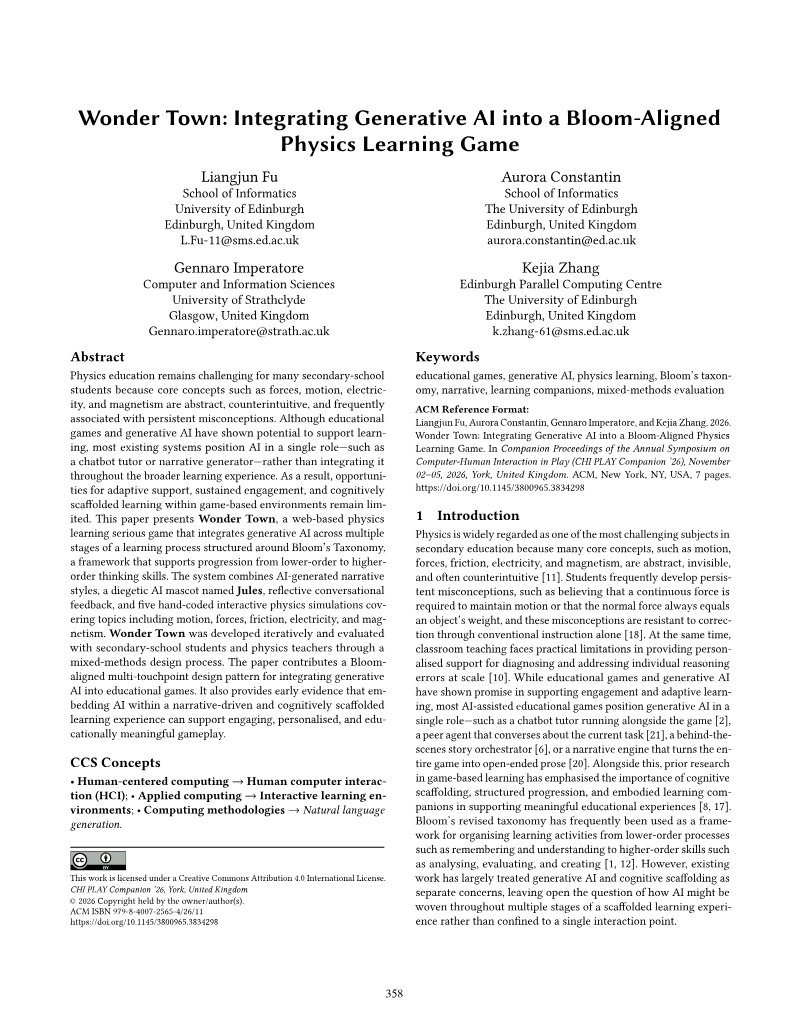
Whitepaper
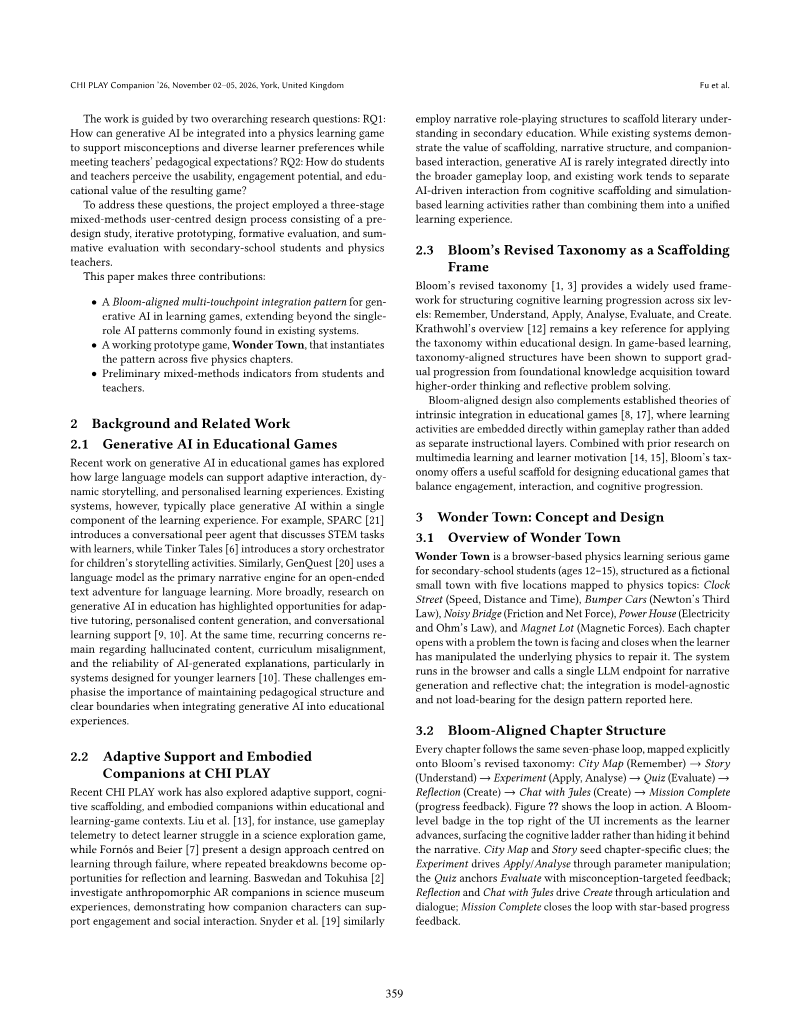
Wonder Town: Integrating Generative AI into a Bloom-Aligned Physics Learning Game
University of Edinburgh · 2026
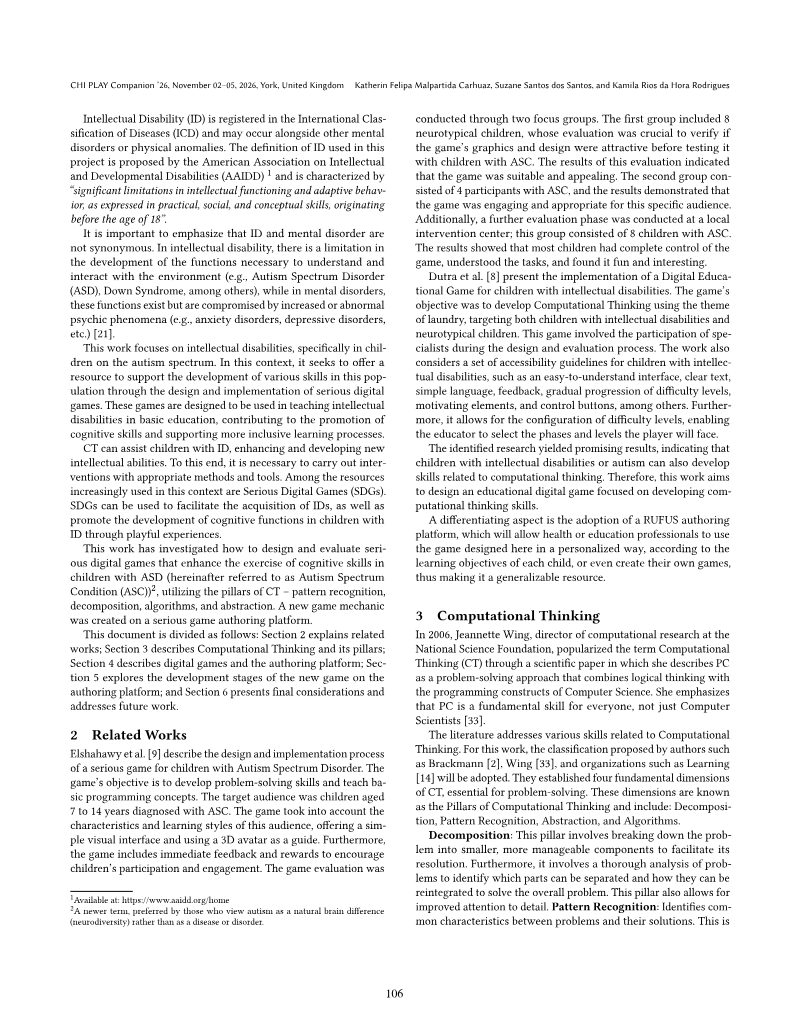
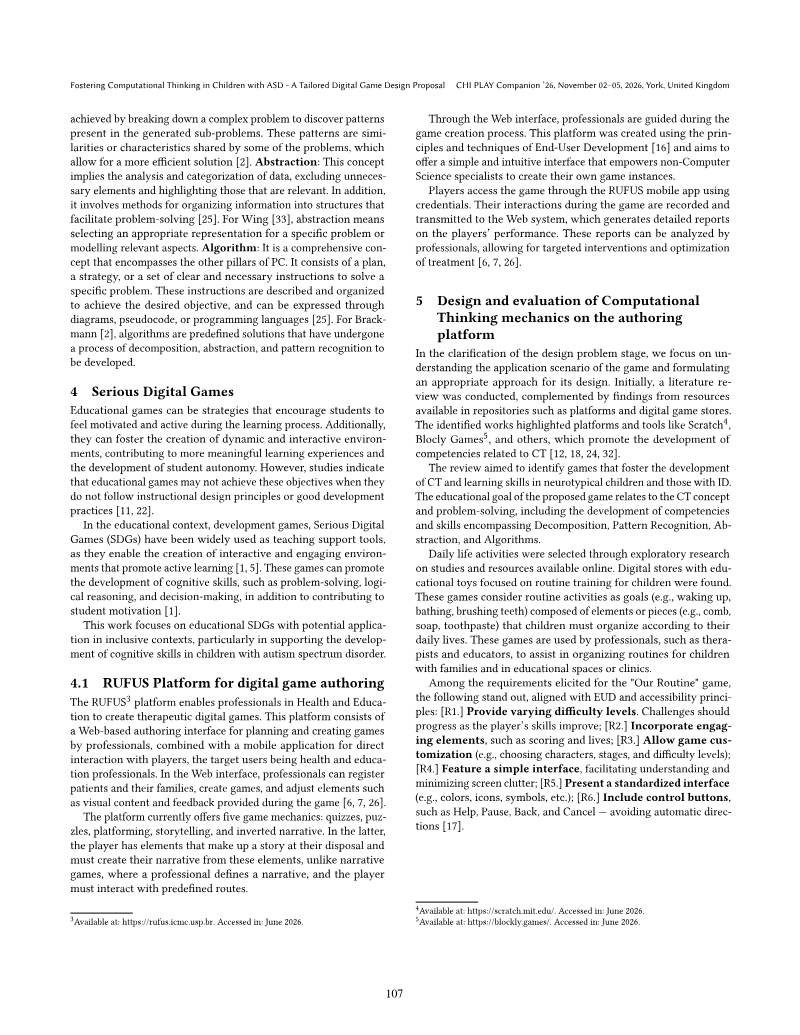
Whitepaper
Fostering Computational Thinking in Children with ASD: A Tailored Digital Game Design Proposal
University of Sao Paulo · 2026
Whitepaper
The Gift of the Tenth Month: Early Design of a Partner-Inclusive Prenatal Education Serious Game
The Chinese University of Hong Kong · 2026
Whitepaper
Gamification Elements and Their Relationship with Creative Motivation in Higher Education: Uzbekistan
European Conference on Games Based Learning (ECGBL) · 2026
Whitepaper
Playing the Climate Future: Evaluating Climate-adaptation Games for Higher Education
European Conference on Games Based Learning (ECGBL) · 2026
Whitepaper
Extending The Project Win Game: Teaching Real Options and Moral AI Project Decision-making
maxmetrics · 2026