Loading the document
More from Fudan University
View all

More on Serious Games
View all
Whitepaper
Pedalling With Purpose: Relational Action in Children's VR Cycling Exergames
Cardiff University · 2026
Whitepaper
The Jade Gateway to Exergaming: How Socio-Cultural Factors Shape Exergaming Among East Asian Older Adults
University of Waterloo · 2024
Whitepaper
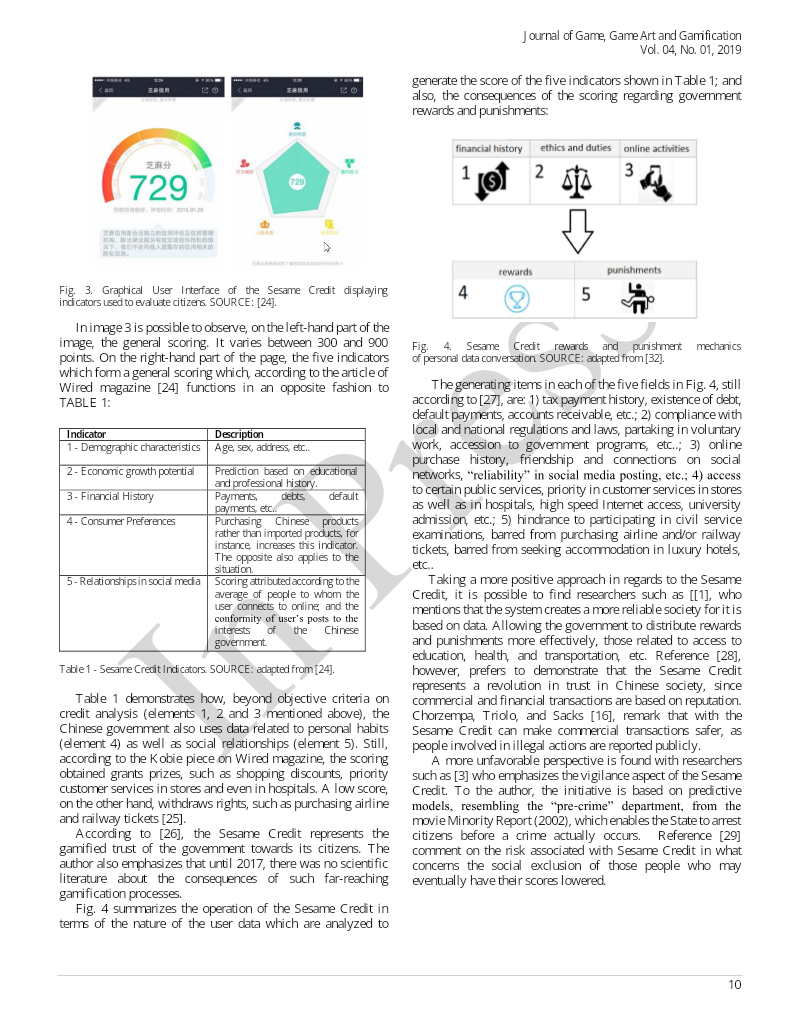
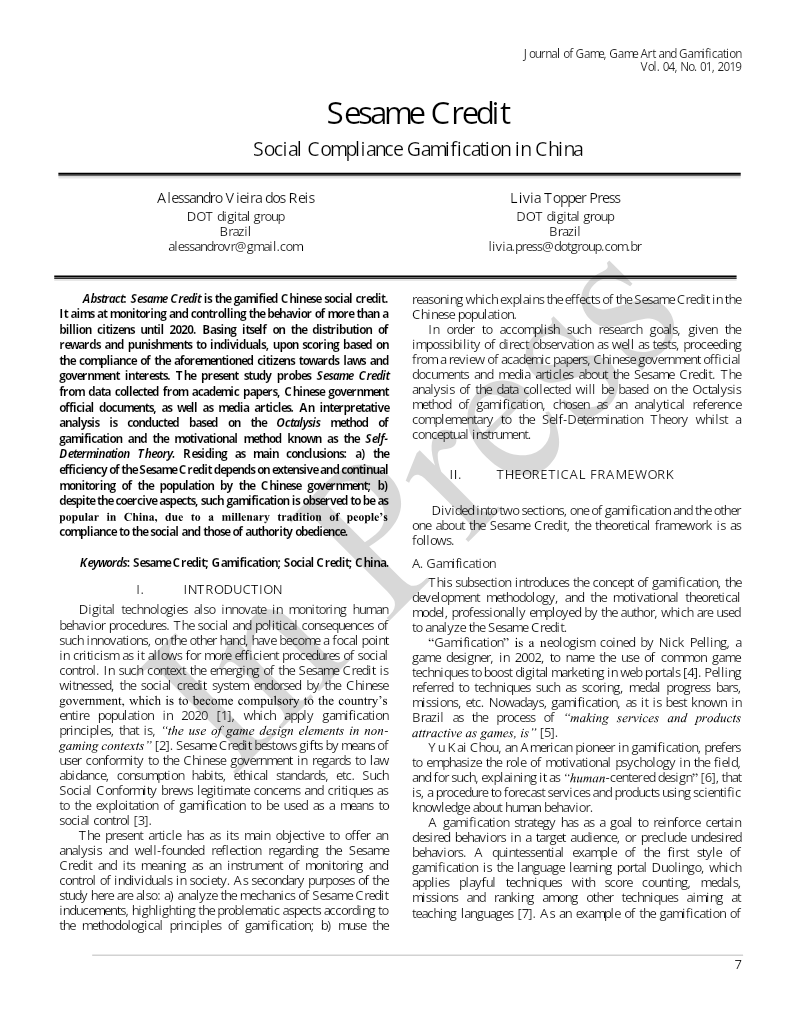
Sesame Credit: Social Compliance Gamification in China
Journal of Games, Game Art, and Gamification · 2021
Whitepaper
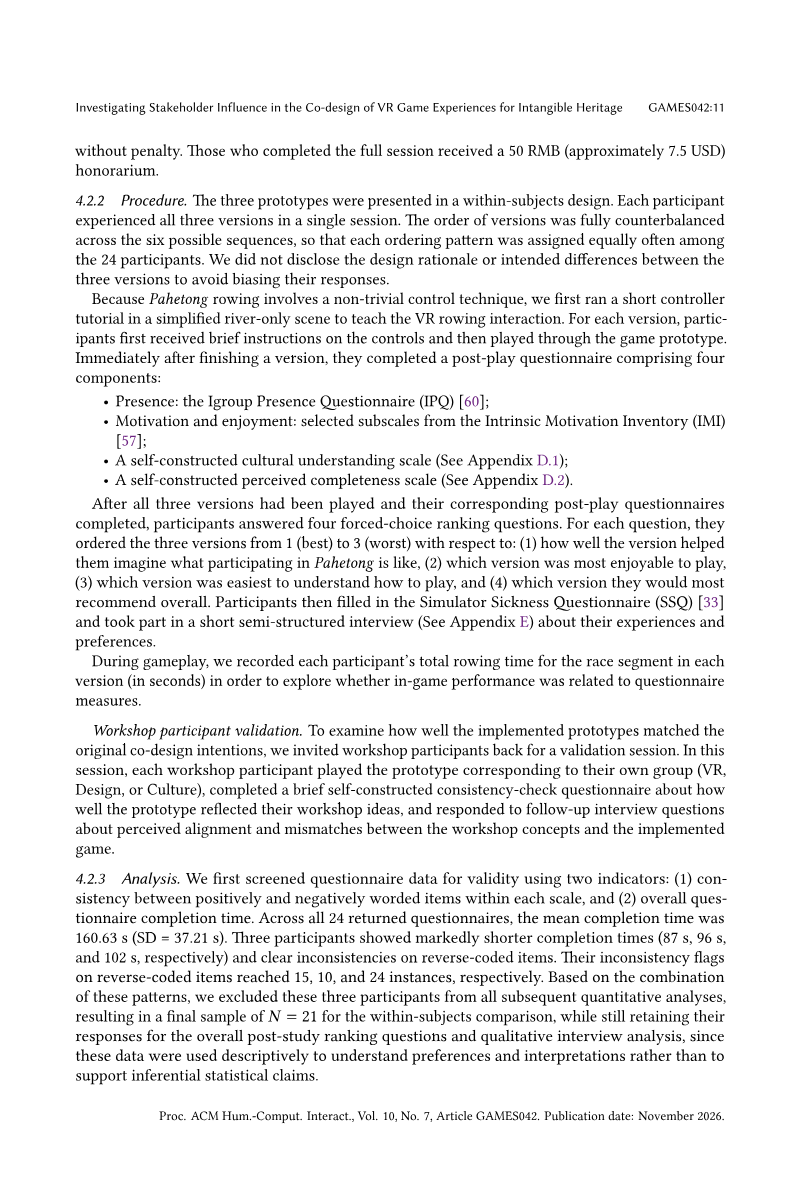
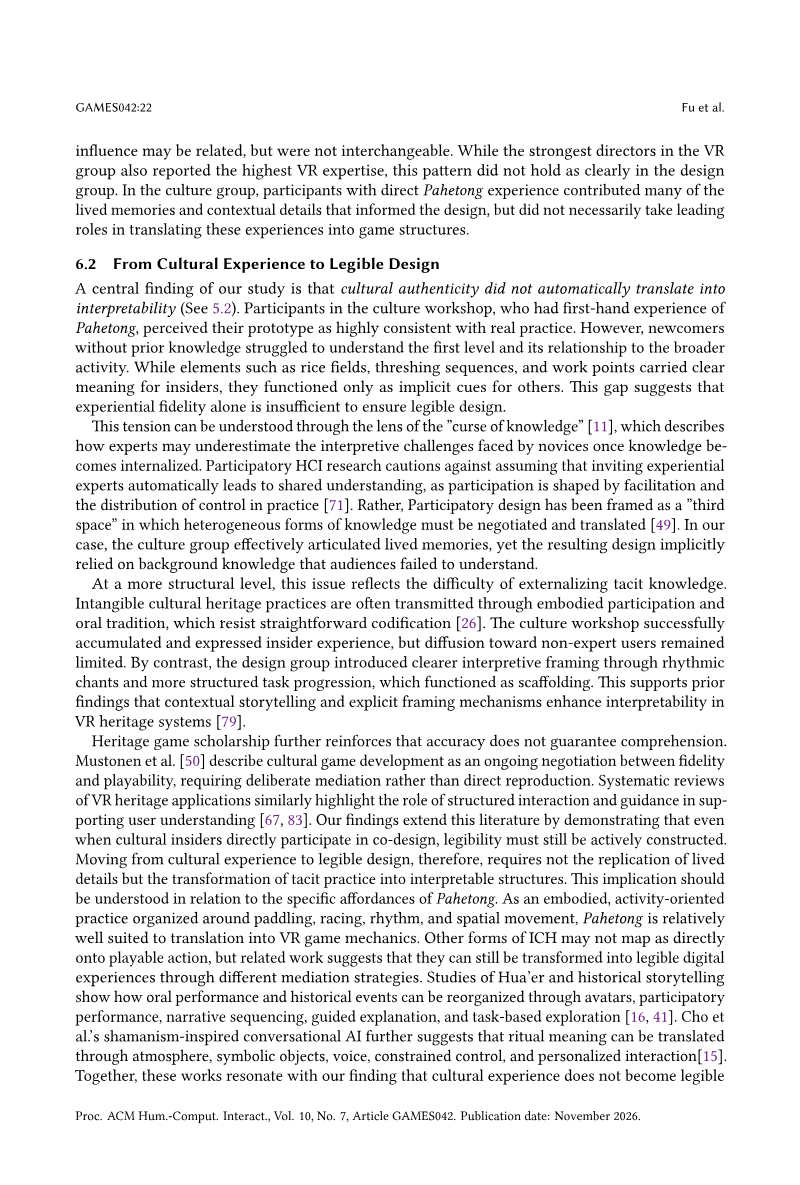
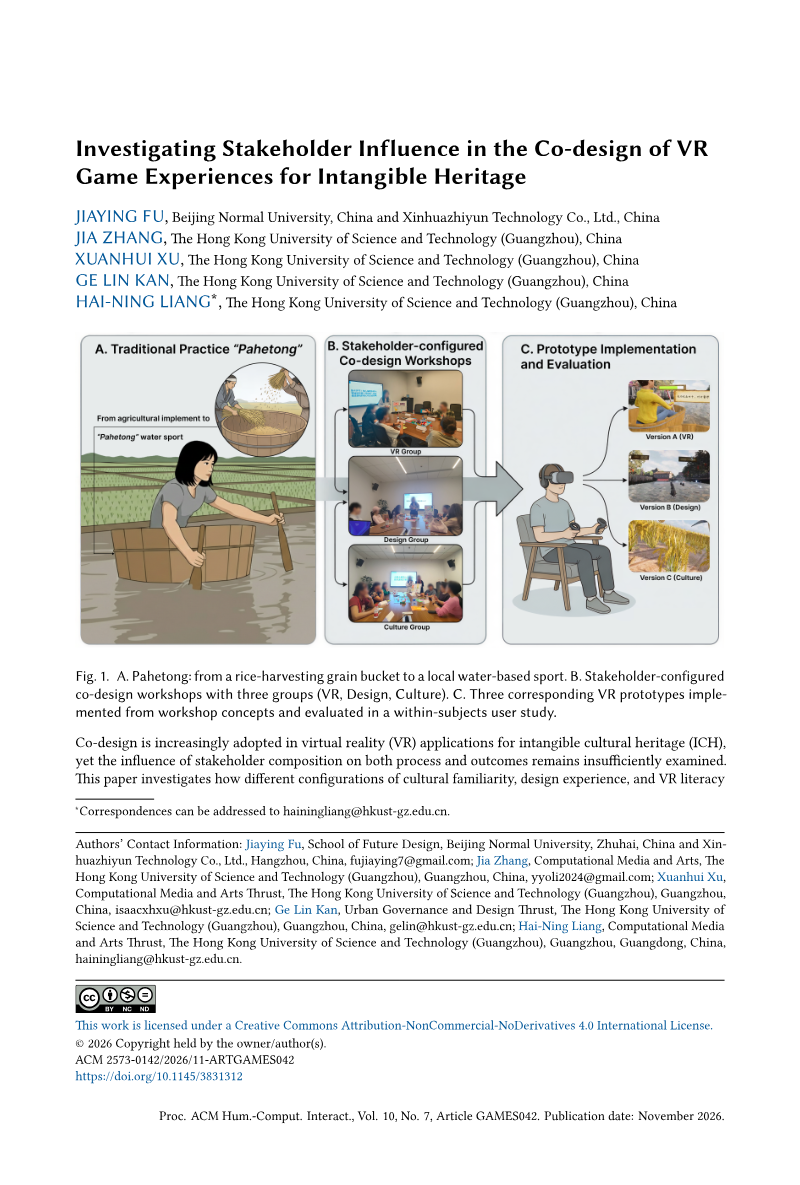
Investigating Stakeholder Influence in the Co-design of VR Game Experiences for Intangible Heritage
Beijing Normal University · 2026
Whitepaper
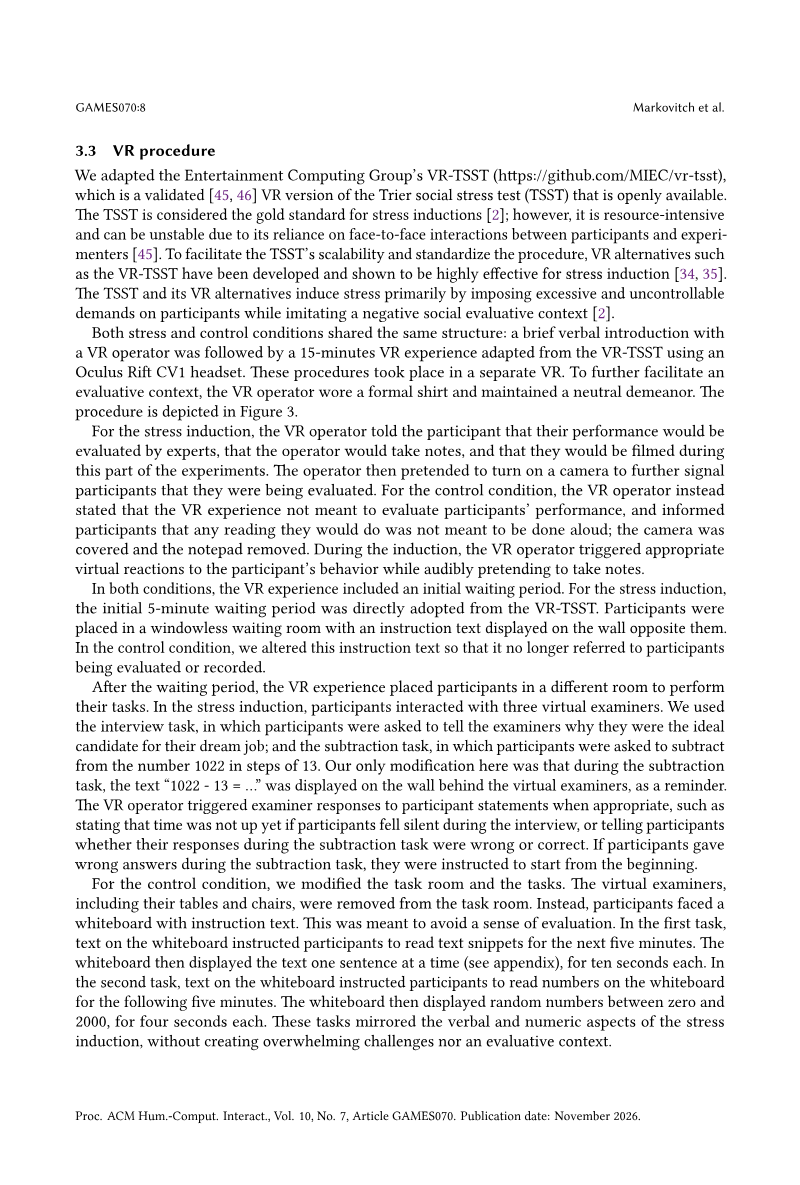
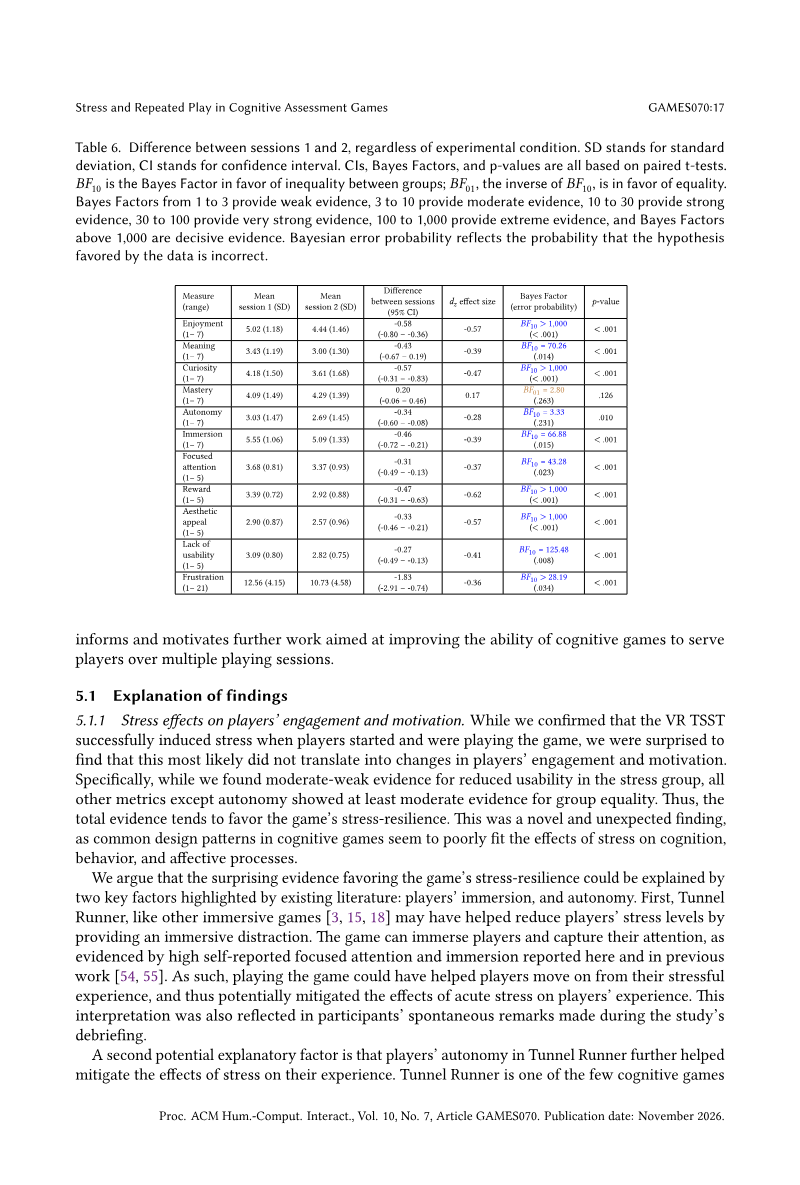
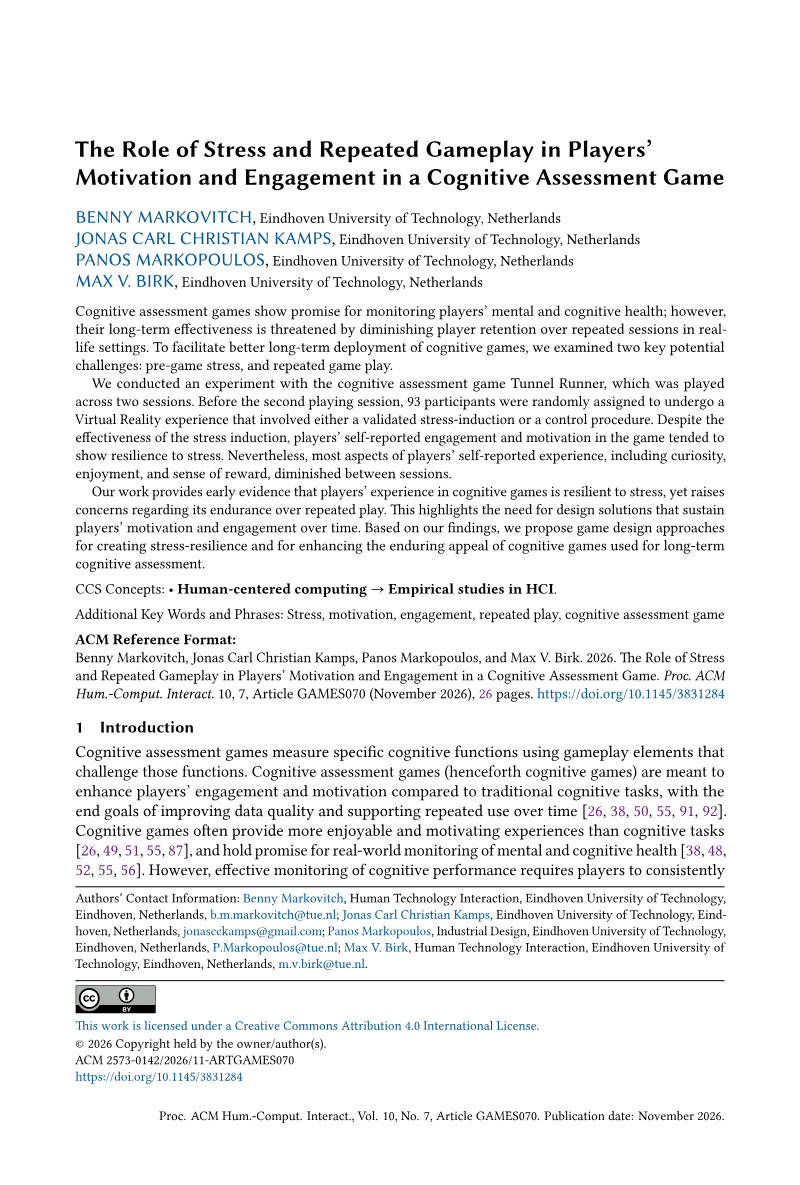
The Role of Stress and Repeated Gameplay in Players’ Motivation and Engagement in a Cognitive Assessment Game
Eindhoven University of Technology · 2026
Whitepaper
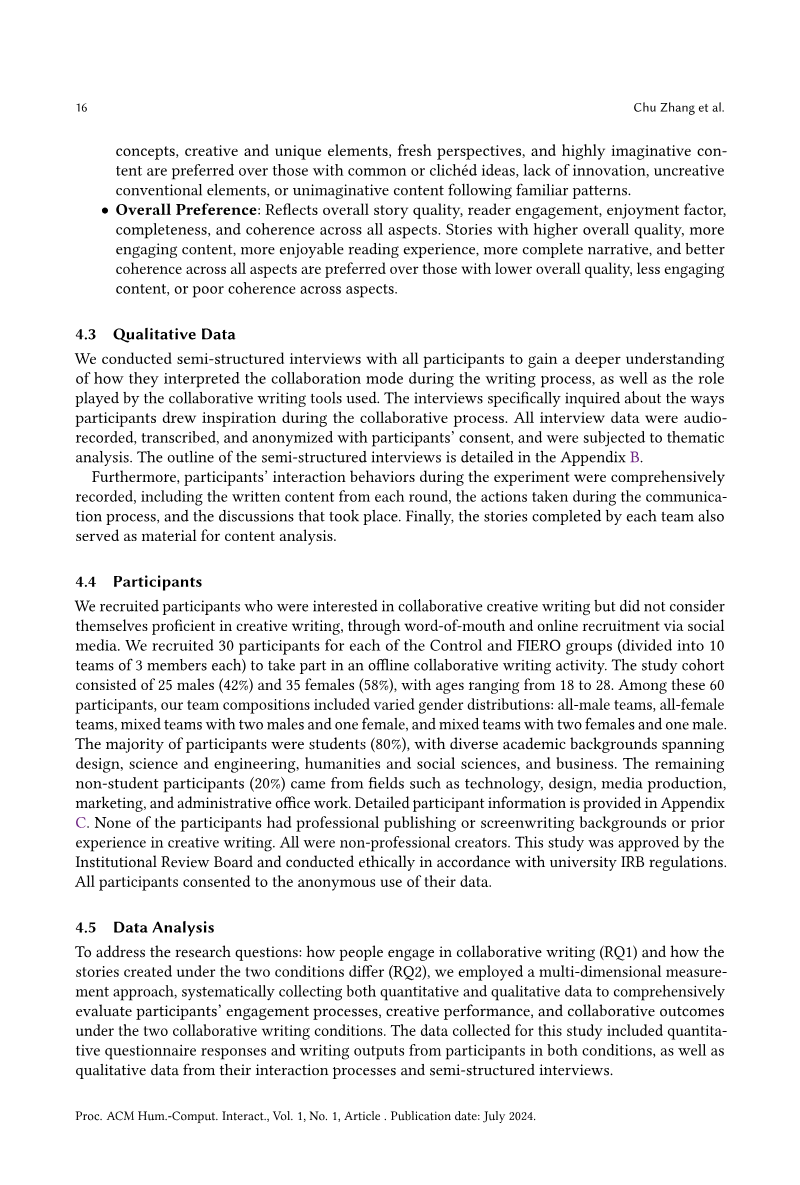
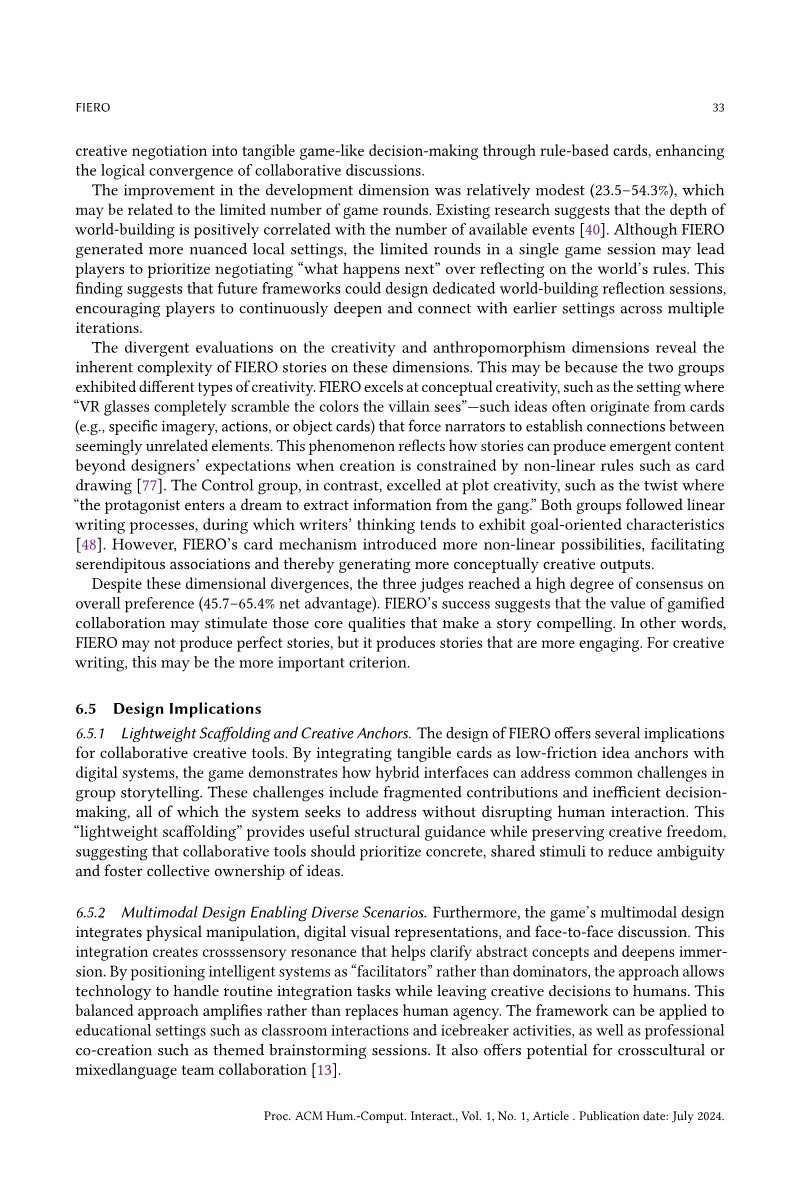
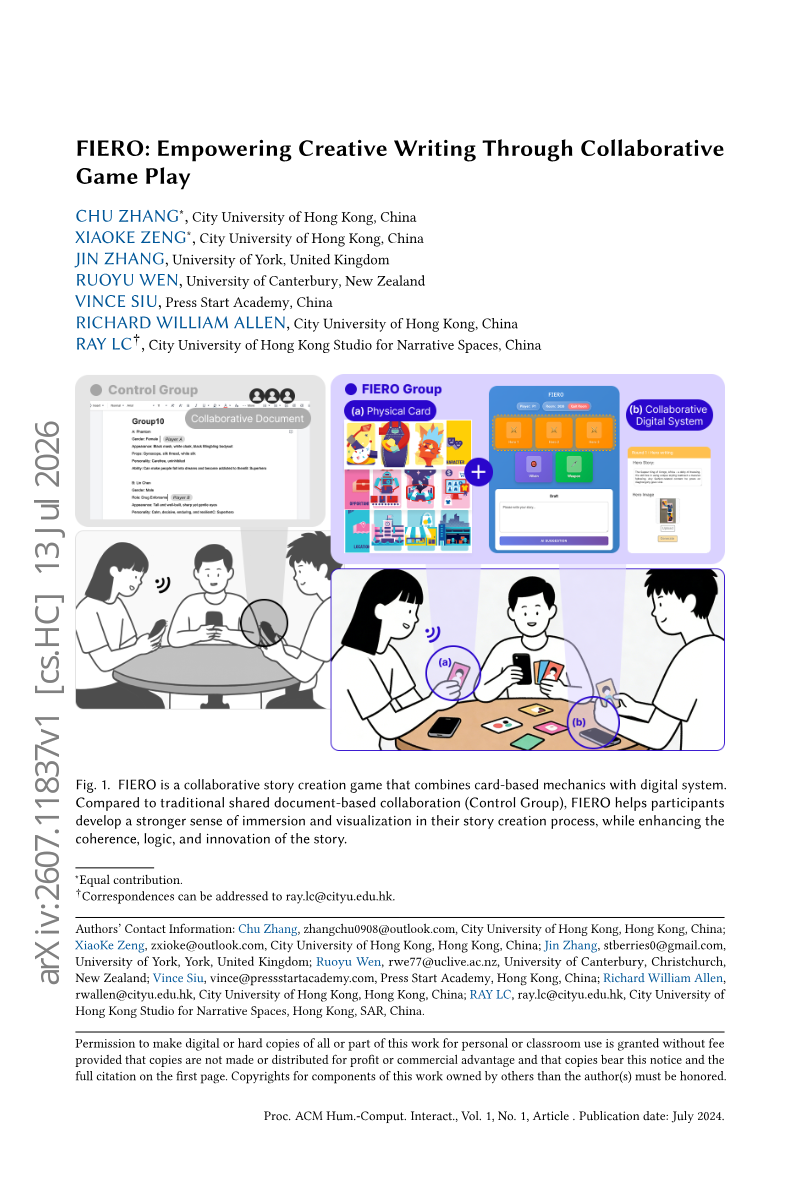
FIERO: Empowering Creative Writing Through Collaborative Game Play
City University of Hong Kong · 2026
Whitepaper
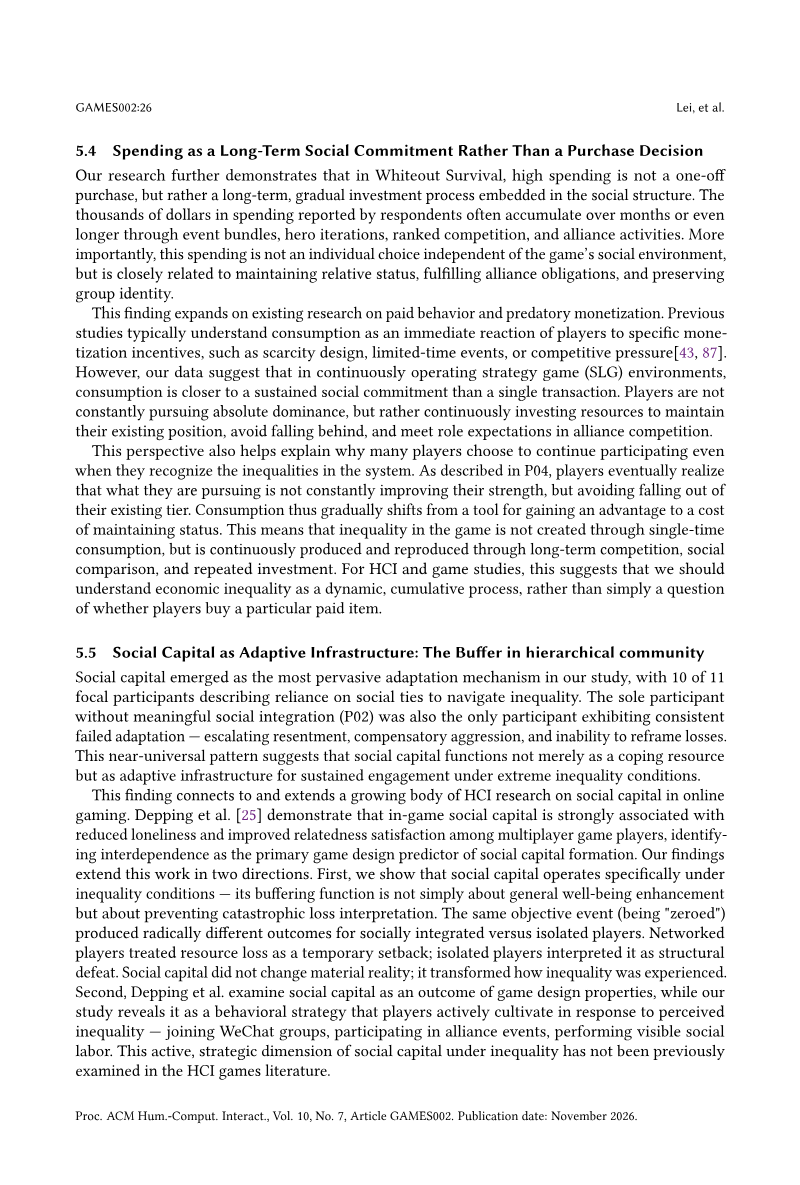
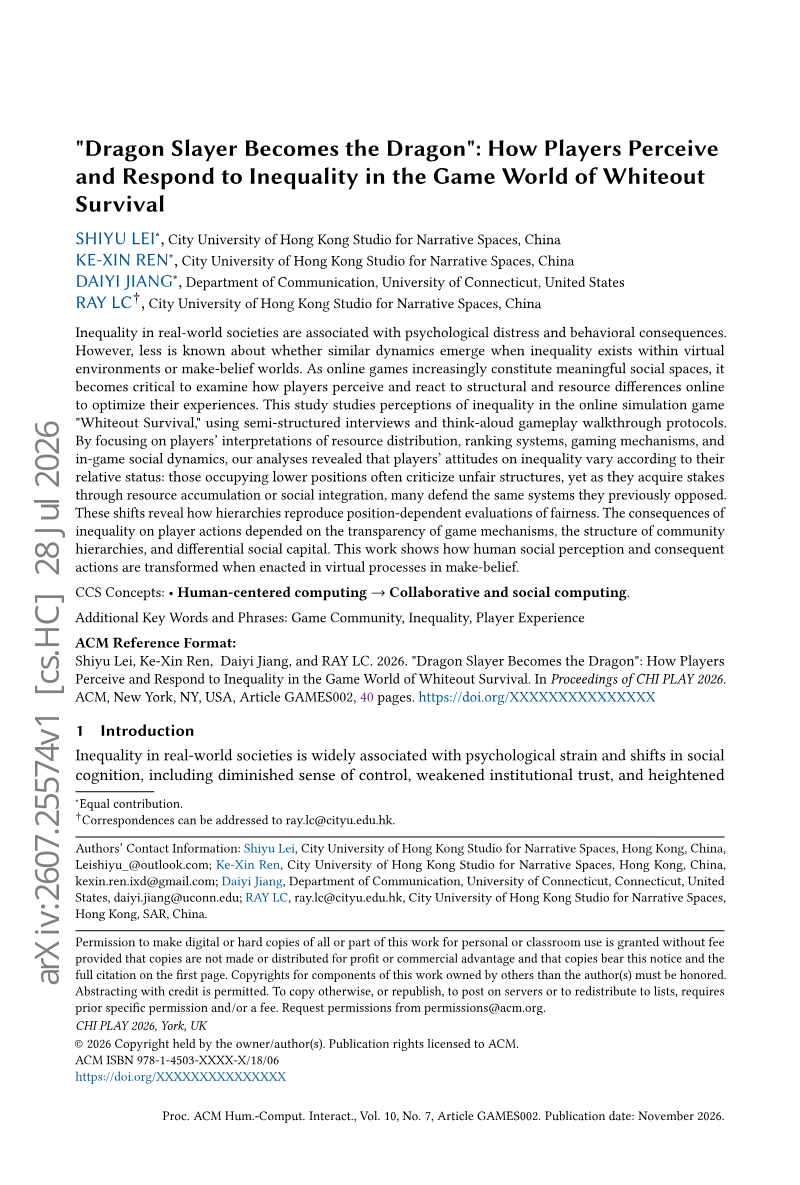
Dragon Slayer Becomes the Dragon: How Players Perceive and Respond to Inequality in Whiteout Survival
City University of Hong Kong · 2026
Whitepaper
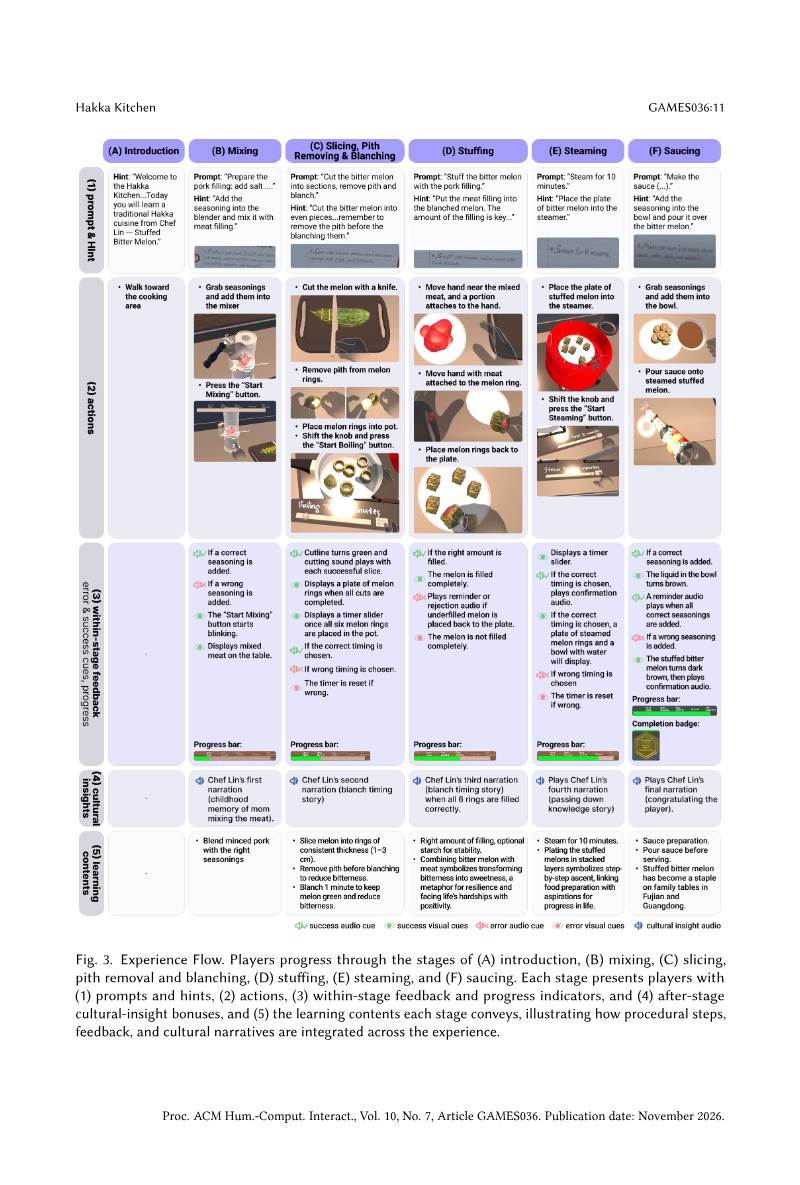
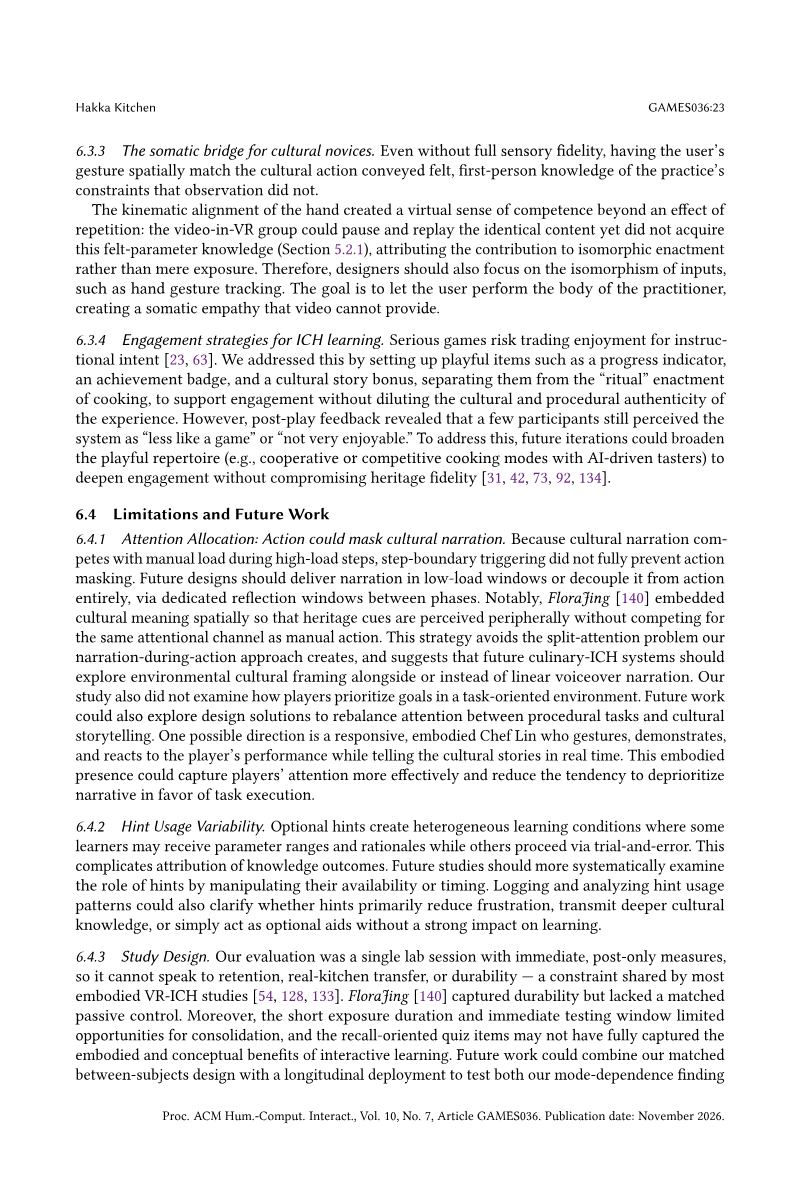
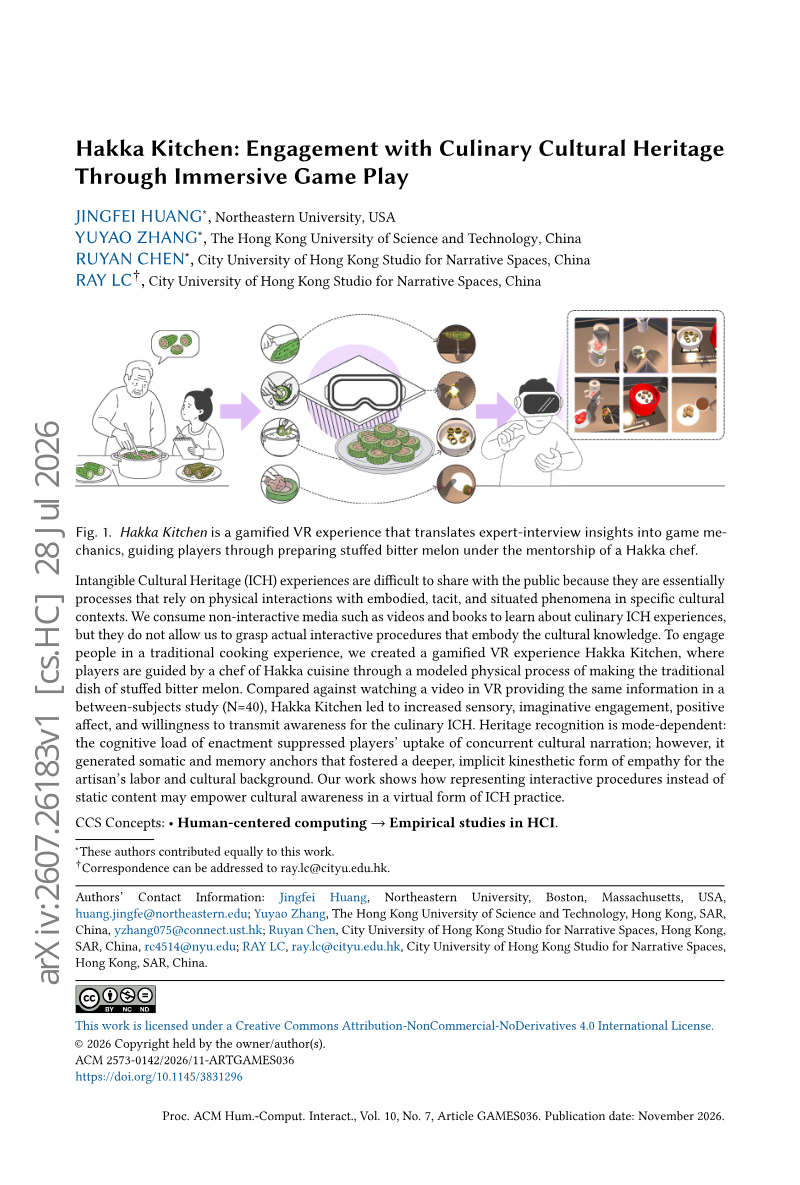
Hakka Kitchen: Engagement with Culinary Cultural Heritage Through Immersive Game Play
Northeastern University · 2026
Whitepaper
From Play to Action: Designing Game Endings for Environmental Engagement
Key Conservation · 2026
Whitepaper
The Gift of the Tenth Month: Early Design of a Partner-Inclusive Prenatal Education Serious Game
The Chinese University of Hong Kong · 2026
Whitepaper
How Serious Games Can Support Expertise Development in Software Use
University of Saskatchewan · 2026
Whitepaper
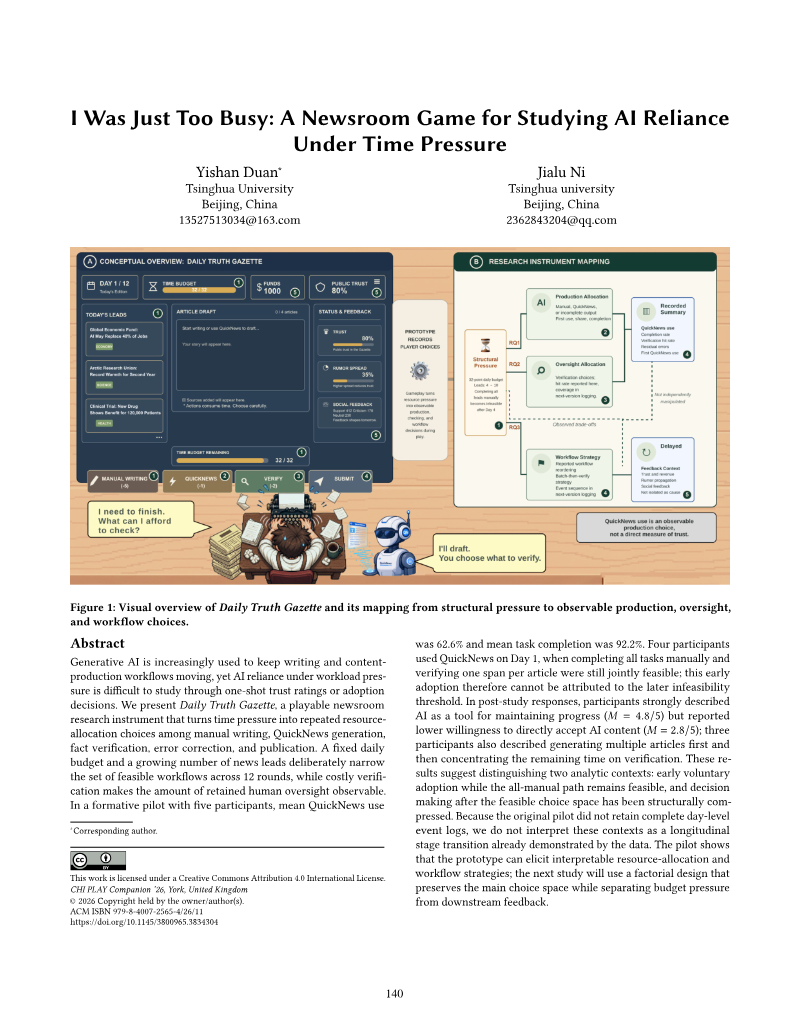
I Was Just Too Busy: A Newsroom Game for Studying AI Reliance
Tsinghua University · 2026