1 free read left. Create a free account for unlimited reading + AI research.
Create free accountArticle a16z Games
1 free read left. Create a free account for unlimited reading + AI research.
Create free accountArticlea16z Games
The article argues that founders must learn to spot nascent markets before they become visible on conventional market maps. Early opportunities rarely resemble mature markets; instead they appear as strange, niche behaviors within small communities.
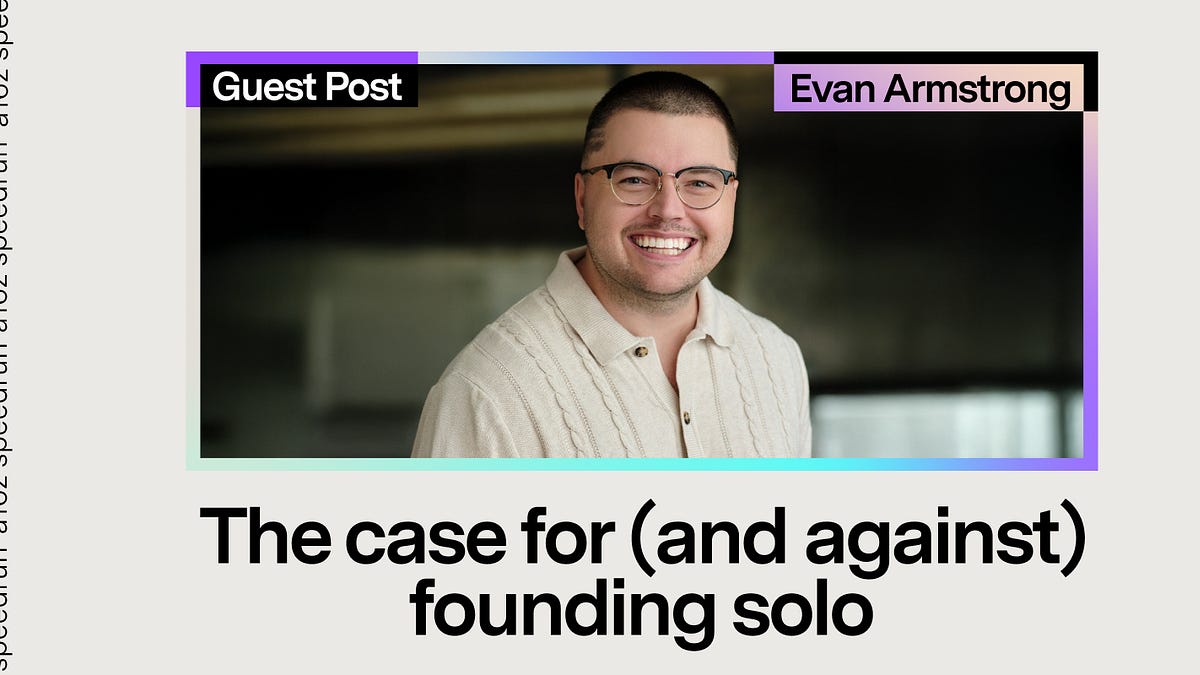
Emily Bennett, an investing partner at a16z speedrun, argues in this guest newsletter post that spotting early markets is a learnable skill, and that founders who wait for a sector to become legible enough for a market map have already missed the most valuable entry points. Maps are described as useful to investors but dangerous to founders, since they lag behind the behavior that creates a market. The most promising opportunities, she says, tend to arrive looking strange rather than looking like opportunities.
Her central thesis is that behavior precedes categories. Markets begin as behavioral shifts in small, overlooked communities, such as a few hundred developers fixated on a tool, and the intensity of usage matters more than the volume. She distinguishes between an app people open often and one that changes how they work. As an example she cites OpenClaw, an open-source developer project requiring terminal fluency, which restructured its adopters' workflows. Within a week or two of its launch, speedrun saw pitches to make such agent systems accessible to non-engineers, followed by pitches for agents running whole business functions like legal and HR, which helped accelerate the agentic workforce thesis.
Bennett offers three signals of real demand before a product is fully built: genuine intent around pre-launch waitlists, including unprompted sharing and referrals; organic early community, where users create tutorials and explainers without company prompting; and intense use by a small group, who either replace existing tools or bend the product toward unplanned use cases.
She also advises founders to avoid endlessly adding features and instead pick ten or fewer users, study them closely, and ship constantly, arguing that what ten power users want generalizes directionally to thousands. She concludes that founders should build the habit of watching fringe spaces like Discord servers and subreddits. Reader comments include one critique that investors rarely back such markets early, and another applying the lesson to go-to-market discipline.
Each row is a game or company this document names, each column a document, oldest first. A mark means that document names it. Select a row to see those documents.

a16z Games · 2026

a16z Games · 2026

a16z Games · 2026
a16z Games · 2026
a16z Games · 2026

a16z Games · 2026
a16z Games · 2026

a16z Games · 2026

a16z Games · 2026
a16z Games · 2026

a16z Games · 2026

a16z Games · 2026
Deconstructor of Fun · 2026