ArticleVideo Games Industry Memo
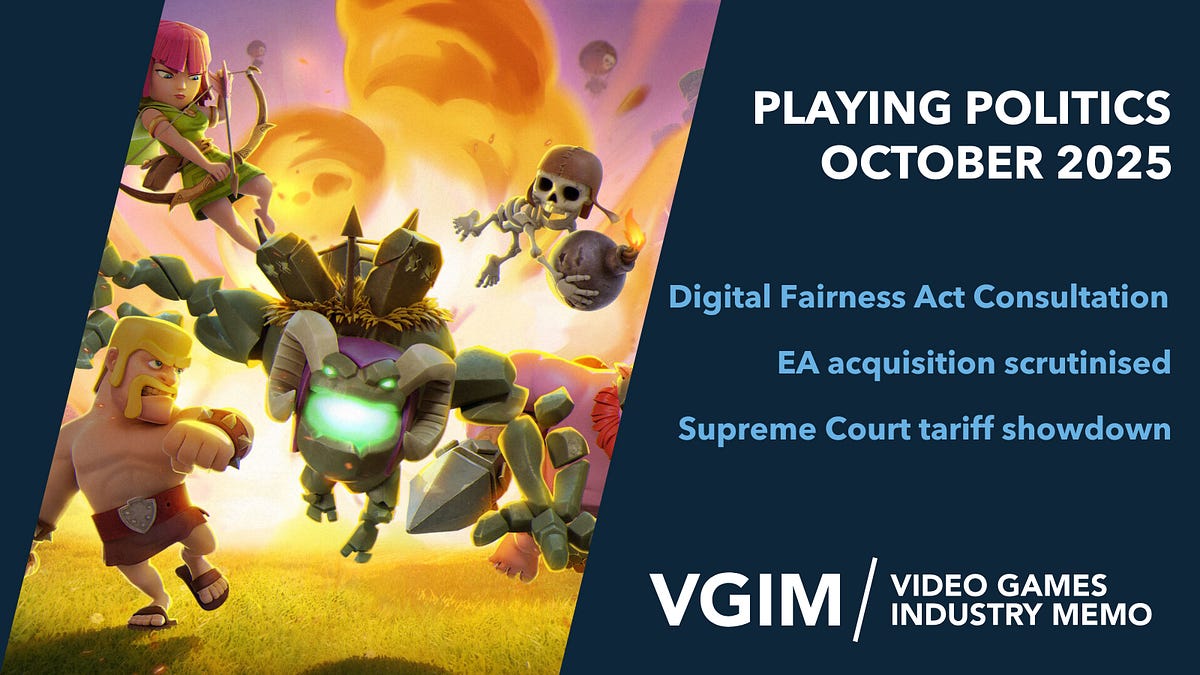
Digitally Unfair Action: Playing Politics, Oct 2025
17 Oct 20251 page~3 min full read
Key insights
4 slides
The core threat
The proposed Digital Fairness Act targets core game revenue drivers.
The EU's proposed Digital Fairness Act targets addictive design, influencer marketing, and the sale of in-game currencies. These are core revenue drivers for the regional games sector.
Developer viability
Supercell's CEO warns the DFA could undermine developer viability.
Supercell CEO Ilkka Paananen expressed concern that the proposed regulations could impose prohibitive barriers on the sale of in-game currencies and items. This could threaten the economic viability of European game developers.
The hypocrisy charge
Critics accuse the Commission of using the dark patterns it seeks to outlaw.
The European Commission faces accusations of hypocrisy for utilizing biased consultation design patterns. Critics claim these patterns mirror the very 'dark patterns' the DFA seeks to outlaw.
The reactive scramble
Late industry engagement has forced lobbyists into a reactive position.
The gaming industry’s late engagement with the regulatory process has created a reactive environment. Lobbyists are now scrambling to mitigate the potential negative impact of the DFA on European GDP.
1 / 4
Ask AI about this report