1 free read left. Create a free account for unlimited reading + AI research.
Create free account
Developing engaging and interactive storytelling in games
Key insights
6 takeaways- 01The development of the title 'Thieves' demonstrated that narrative 'chaff'—functional text used to test pacing and visual clarity—is often necessary during production even if it is not included in the final game.
- 02Technical constraints, such as the transition from a 2D movement system to a 3D environment in 'Thieves', directly dictate the feasibility of specific narrative mechanics like social engineering.
- 03Excessive narrative elements, such as background 'fluff' dialogue, can create visual clutter that disorients players and obscures essential gameplay information.
- 04Narrative must be subordinate to gameplay; if a story branch or dialogue sequence hinders player navigation or goal comprehension, it must be removed regardless of its quality.
- 05Successful interactive storytelling requires a symbiotic relationship where writers define core narrative inputs and outputs while designers iterate on mechanics to dictate the final scope.
- 06Development is a cycle of prototyping, testing, and aggressive editing, often necessitating the disposal of significant amounts of written content to maintain coherence.
Ask AI about this video
Transcript
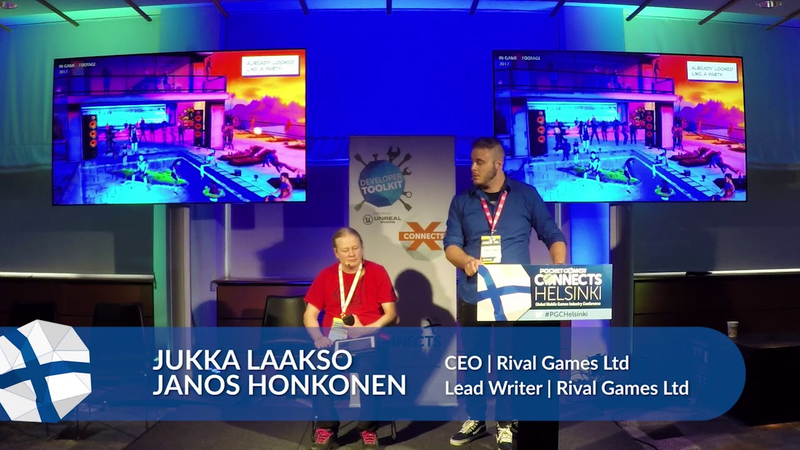
[Music] hey there so we're here to talk a little bit about working on game design versus narrative and let's get started so first of all a little bit about who we are here on the stage so first of all I'm Yuka the CEO and co-founder of rival and I've been in the business about six years made my mistakes learn from them and made some new mistakes and hopefully I'll learn from them as well and I do a lot of business recruiting all that like boring stuff but I was also part of the design team for the game that we're talk talking here about right and I'm ya know song Conan and I'm one of the lead writers in rival games and before my
background is in journalism and media I have been working in games industry in PR for some years and as a games journalist even even longer and I also write stuff to dead tree so novels and short stories and some award-winning in the interactive fiction which you may know as texture adventures and rival games itself we've been around since 2013 we employ about 20 people 17 at the moment and we focus on narrative especially the interactive branching narrative but we don't want to be just another telltale copycat so we also do like to invent some innovative gameplay and especially nowadays we focus on third party IPS which means kind of partnership or licensing deals we've known franchises and we work on PC Xbox
iOS Android PlayStation switch and so on but without further ado here's the video of the game that we're here to talk [Music] there she is good luck on your trip and don't make me do some see thanks I don't need luck prepare choices [Music]
so the game is called thief thieves and it's based on Robert Kirkman IP and Robert Kirkman is the guy who created the Walking Dead franchise so he's got a long background in comics and I think we started doing kind of a small-scale game in the beginning two and half years ago but we ended up with a multi-billion multi-million dollar franchise and we had like voice actors from Hollywood actually the lead character just recently played the female lead on the new Mass Effect so big names and the game features a lot of 3d gameplay as you saw in the trailer but it also features frames comic frames that we do use a lot to tell the story but in this talk we're gonna focus on the 3d gameplay elements but this is actually
an early concept of our comic frame and here's how they ended up so there was a lot of especially visual iterations and since it's a comic IP of course we had to nail it right and narratively frames are actually a really great tool because you get so much more detail and neurons and and and and details like that on the characters and the surroundings and these frames actually these starting frames didn't change narratively much from these initial versions they was there was one gaping plot hole which we had to take out it basically basically require just removing one conversation branch but it was nice that we know this big cool and so we're gonna do a small case study on the first heist of the game any
kind of associate glimpse on how we work they from the North Dave versus design perspective throughout the whole development cycle and the first mission is that Celia who is our main character has to steal a collector motorcycle from a mobster and this is a self-contained one of mission which had many functions narratively it's basically tutorial and it flashes out about the story and the characters and les groundwork for what the rest of the game is actually about which is quite different from this la Millia so first of all we choose la as the first level is that's something that people usually know at least from the movies and it was kind of easy from the design perspective just to have something that's based on the Hollywood Hills a huge mansion so that meant that
we can have actually outdoors indoors VIP areas garage all that stuff that is kind of different aesthetics within the same level yeah and it's really really nice that we could give something familiar like everybody knows la from TV and movie is how it looks and we kind of wanted to bring this sort of sleazy 80s vibe there also and so there's this Villa and the pool and the stilt houses those were the concept pictures we from the narrative team search search to base these this first level on and there's always a text on the top left corner that from which production stage this is I accidentally forgot to install the font so hence it's a little bit small at the moment and of course
since we're in LA you've got to have a pool party so that was the basis when we started off that let's have this huge party and have to player infiltrated using stealth and show civil engineering and party also is something that offers a lot of different ways to interact with the world you have you have the media you have the house you have the components of the house people it's much more interesting than to have a sort of one of night raid where you just sneak in from the design perspective we actually started I think like our main inspiration was clay entertainments great mark of the ninja which is kind of a 2d stealth game so we started from that and we had actually kind of a 2d movement in a 3d world so we used lanes to move the red lines you can see in the design dogs and from the perspective of
the story the most important thing in this first casing mission was to hear the mobster speak on the phone and eavesdrop him so you could find more details about the alarms and where the bike is actually held during the party we pretty soon realized that just moving 2d in a 3d world doesn't work it felt that the player couldn't explore anything and everything was way too limited and the dialogue here is first draft or placeholders not much actually from here made it to the finished game intact it was the ones that remained are heavily edited and yeah once again from the design perspective just having any dialogue within the game from the beginning was crucial because that
allow us to page the level much better and see what works on the note well how it works on the screen and how much actually you can have dialogue on the screen yes so next we actually ditched the lane movement we went fully 3d and actually rebuilt the whole level so we kind of had that three story 3d building that the player can actually go and explore fully and in the dialogue side here we introduced much more social engineering so Celia had many many ways to sneak in by just talking and paying attention to her surroundings and finding ways to distract guards and and do such things to get get get into the house so actually if anything didn't get it from the trailer the game is kind of
let's take telltale and mix that with hitman and do a light version of both more or less no killing the game is actually almost nonviolent is we felt that we've seen a lot of different heist games but none have actually done it in a way that for example Ocean's eleven does it in the movies so we decided that the nonviolent was the right way to go and as the game evolved actually this is from the final version and you can still see it's actually the same building it's just a lot more people and visuals upgraded but still he remains the same for the past 18 months or so and since then we actually just added more people made the party feel like a party is that was actually supposed to be the level itself and that also meant
different things for the writing there was much more opportunities to add fun of fluff there and people talking amongst themselves and background conversations you could overhear and I think we had over 100 throwaway lines which you just could hear in the background and of course at this point hearing means that they're actually dialogue on screen you don't do voiceovers before the kind of bubbles you have in comics that don't have the tail so they just float there and that led into the problem that we had speech bubbles everywhere in the end it's not a really big level and if you have people talking in the pool and you know arguing with themselves and so on it really distracted the player from the actually important dialogue and sometimes actually occluded it so you couldn't
even see it so from the design perspective we notice that player had clear goals on the level just get in steal a bike get out but with all the fluff text there was a way to image dialogue just disorienting the player so we ended up cutting almost all of it out and just focus on the important dialogue and here the design added additional obstacle which was the mobsters body card and that actually required writing so it's mostly social engineering so there are no takedowns or stuff like that in this game yeah so basically we designers introduced the character about like three months before shipping that almost completely changed half of the level and the writers were pretty thrilled about that go for it how did you start that's okay
sorry okay so in the end some stuff remained same in the game some writing remained the same the layouts and even mostly the amount of guards remained there from like the early prototypes but at the same time I think we tested like dozen different approaches from the design perspective how to solve the level and we actually ended up including about four or five of them so there's multiple ways to finish the level okay here the writers of course had to fly right a lot of stuff that never made it anywhere so it was just functional helping the pace the level and give the designers an idea you know what happens when the level designers some ideas that you know things can't happen too close to each other or the bubbles will occlude each other and so on so this was
basically the text was just chaff or hay or something like that which you you have that to have there for design purposes yeah so basically there's a lot of stuff but some main same as actually the speech bubble here's exactly the same one from the previous slide but there's like 18 months of development between and in games like this narrative direct design but it doesn't over overwrite it and there's this you you can have a really awesome story but if it can't be turned into a game that's actually fun you know then the story is out the story loses in that and it's it's very good and of course when you make a branching game you at first have this verdant large beautiful story tree and then somebody comes with a budget and you know cut something off and then
the time day more cuts of the top and you kind of have a nice little Twiggy there which basically means that you can't have new locations and sort of all the branches that required new assets had to be cut out most of them not all so it was up to the writers to figure out how to make the branching still meaningful and this could be done in a character and dialogue level there's for example an important part of this game is an interview or interrogation that's basically the framing story and the way you talk there what you say how you say it has an incredible amount of meaning to how the game actually ends or what happens in the last couple of levels so that's that was a cheap way way to make some branching and meaningful choices yeah and that's the last good example we
actually the writers wanted in the beginning of the level that the player would actually do slow drive by with the car and just taking pictures as they usually do in the heist films and we've thought about that from the design perspective and the only thing we could come up was pretty much a hidden-object game mini game for that and that made no sense at all so we ended up cutting that and just have to play your infiltrate the mansion during daytime discard it out and then return in the evening for the party and there was also this sequence right right in the start where the player could go and find some background information that would help with a job and she would go and meet her biker buddies and ask about these motorcycles like how can you open how can you steal them and find out that bikes from that era could be started with a nail file so the basically the key was kind of symbolic so that would
have made that easier or she could have gone to visit Conrad steams electronic security expert and find out something something about the alarm systems and those which would make it easier to go around them but that that was cut because of pacing and again assets and and and it just didn't feel make it a fun game so of it went I like those button so as summary basically writers right I would say like five pages and only one of them make to the game pretty much but still those four wasted pages are extremely important from for the designers is we actually see a lot that doesn't work and we can actually test it out in a real environment where they're actually style aughh and the narrative is functioning and this goes also for art design if you have fully fledged character who has a
background you can get ideas about their appearance and how they act and move and all that and of course it kind of can give ideas that you you you wouldn't have thought otherwise when you read that long long long background of the characters so that's it thank you we have time for a few questions do you guys want to ask anything I oh sorry like UK if you weren't here I would be blind and not be able to do anything can you hold your head and have forgiveness hi I was a really interesting talk thank you when you guys are when you were starting out with the game did you begin by laying out some of the narrative beats and then kind of building the
missions around that or did you start with like prototyping the missions and then work out from there like how did the basically how did the relationship between where the narrative started and where the game started how did that work I think we actually started with a script first basically it was a script that we delivered to our partners to basically prove that we can do that and of course the story that was was in the first mission it basically directed where the design was going it's made the setting it introduced the people and what you actually have to do there and not much is left from that apart from the Miglia and the basic idea but it actually begun with text so basically we did a script you the writers even wrote the levels out and then designers came in and
utilize that yeah this doesn't work yes toss it out so we ended up just doing that the writers tell us that what is the inputs and outputs of a level and then the designers to what they do and they tell the writers that this and this needs to be written thanks deliver hi thank you it was very interesting I'm even more interested because I'm designing a game that has similarities and I will have a question about the you mentioned taking getting rid of all the speech bubbles in the environment and a you mentioned illusion they get they got a clue so cluttered at that moment didn't you feel like you were also getting rid of some of your gameplay because you mentioned social engineering and so how did that visual design you know user experience decision impacted your game pad those were actually pure fluff so nothing was lost apart from maybe a
little bit of atmosphere so it was like imagine this room and people are whispering there so you have these speech bubbles just appearing but those those were also really distracting them if you have a bubble that has something the player wants to read it is this important so that just didn't work unfortunately so basically we got rid of all the fun jokes that we get all were fun [Music]
Summary
The development of interactive narrative games requires a highly iterative, collaborative process where gameplay mechanics and storytelling must constantly negotiate for space. The primary challenge lies in balancing a complex, branching narrative with the practical constraints of production, such as budget, asset limitations, and player experience. Effective game design in this genre is not a linear path but a cycle of prototyping, testing, and aggressive editing, where significant portions of written content are often discarded to ensure the final product remains engaging and coherent.
Case studies from the development of the title Thieves illustrate this dynamic. Initially, the team attempted to implement a 2D movement system within a 3D environment to facilitate stealth gameplay, but this proved too restrictive for player exploration. Transitioning to a fully 3D environment allowed for more sophisticated social engineering mechanics, which aligned better with the game’s nonviolent, heist-oriented premise. Throughout this process, the narrative team provided extensive background material and dialogue, much of which served as "chaff"—functional text used to test pacing and visual clarity—rather than final game content.
A critical finding is that narrative must serve the gameplay; if a story branch or dialogue sequence hinders the player’s ability to navigate or understand their goals, it must be removed, regardless of its quality. For instance, the team had to eliminate background "fluff" dialogue because the resulting visual clutter of speech bubbles disoriented players and obscured essential information. Ultimately, the most successful approach involves writers defining the core narrative inputs and outputs of a level, while designers iterate on the mechanics, resulting in a symbiotic relationship where the story informs the design and the design dictates the final narrative scope.












Comments