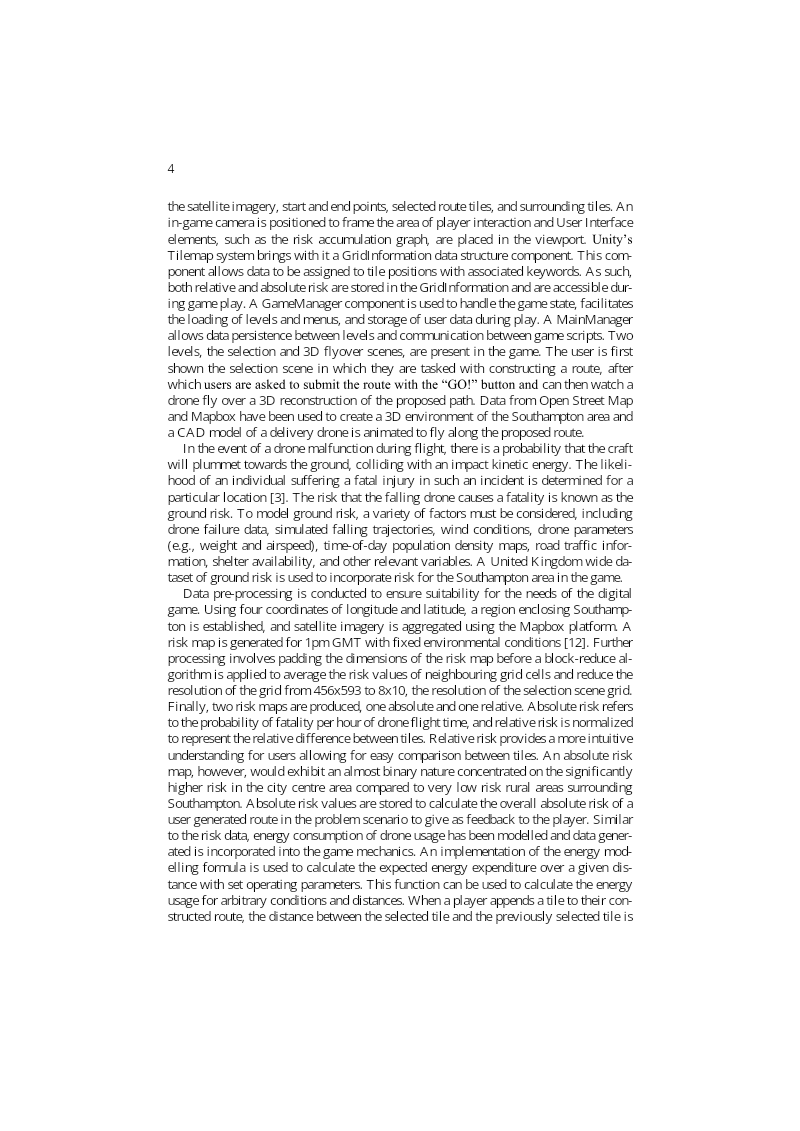
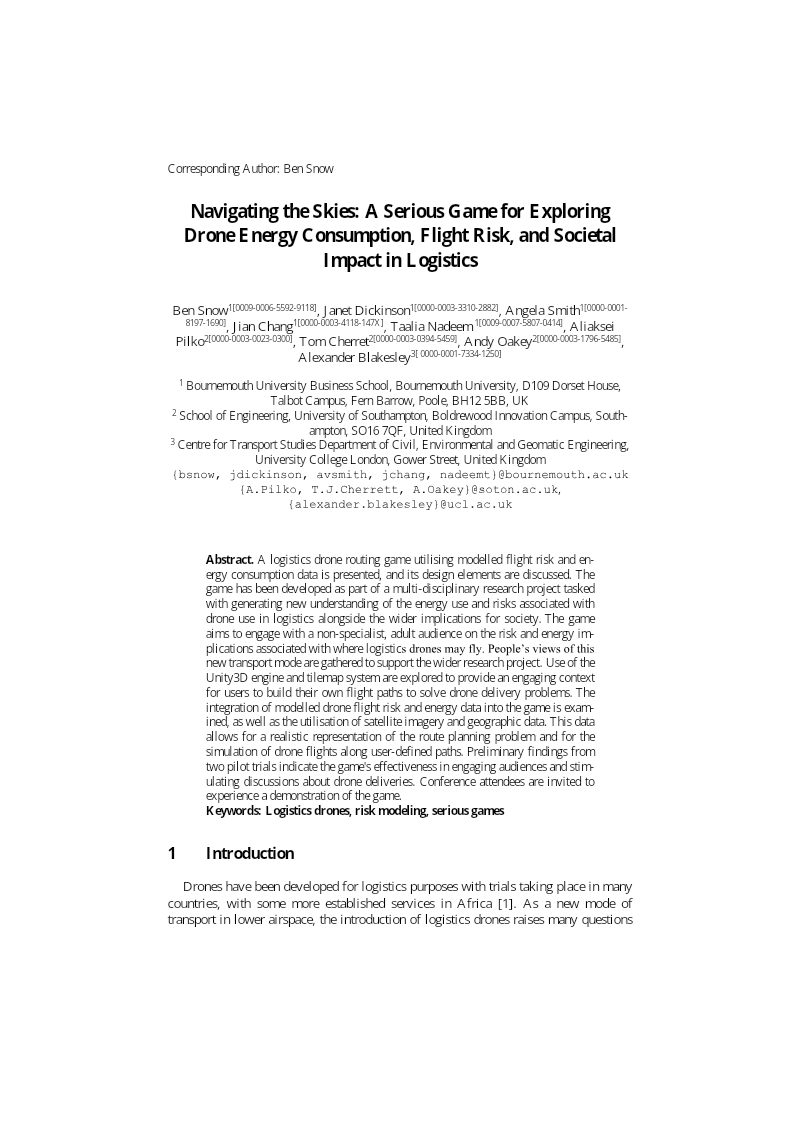
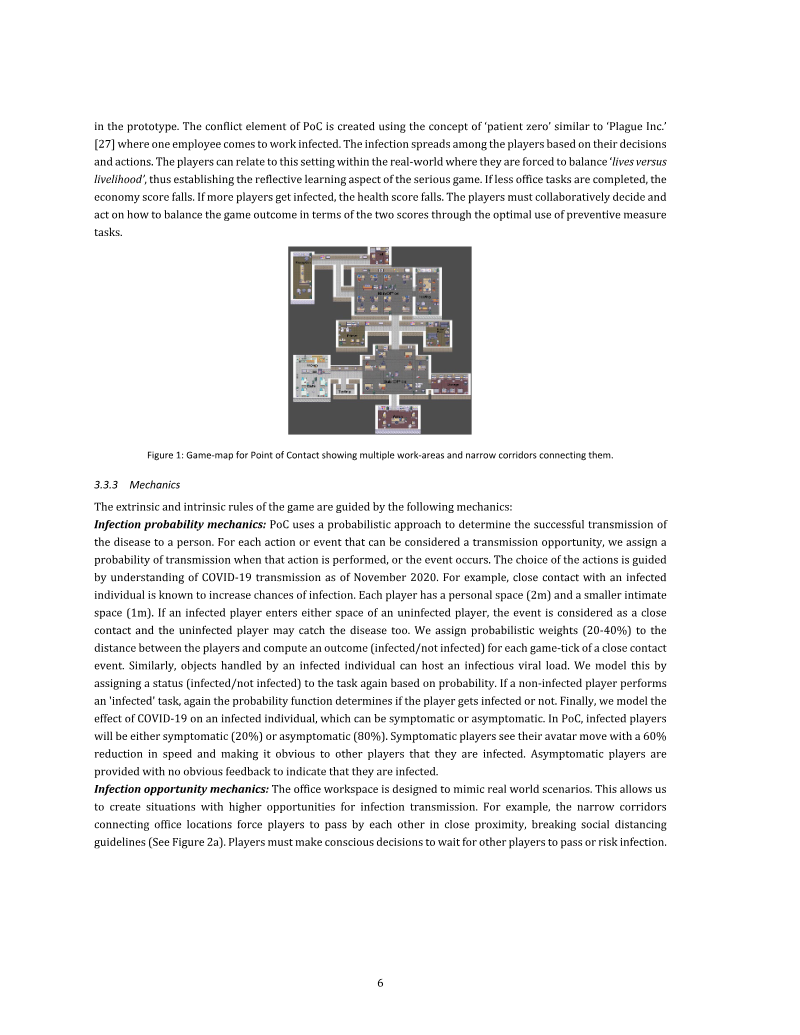
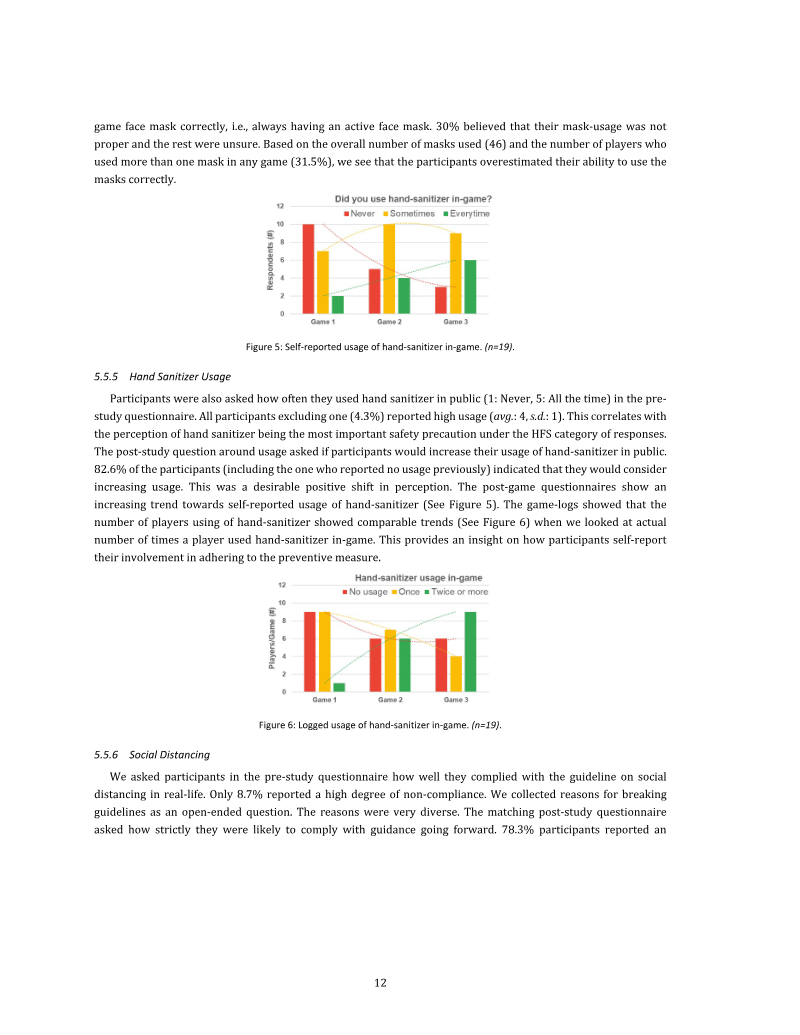
The United Kingdom faces a critical shortage of STEM educators, a crisis driven by undergraduate perceptions of teaching as a stagnant, emotionally taxing profession characterized by burnout and unclear career trajectories. To address this, persuasive game design serves as a strategic intervention, utilizing co-design methodologies and paper prototyping to develop tools like TeachQuest. These games aim to help undergraduates evaluate their personal fit for the profession by bridging the gap between their often-negative past experiences with teachers and the actual realities of the classroom.
The core thesis posits that recruitment efforts fail when they rely on idealized or promotional messaging, which students frequently reject as inauthentic. Instead, effective career exploration requires a transparent, balanced representation of the profession, including the often-hidden labor and systemic challenges inherent in teaching. By prioritizing psychological safety and procedural rhetoric, games can function as reflective spaces where users autonomously assess their values against the demands of the career. This shift from "selling" a profession to facilitating informed decision-making is essential for long-term career sustainability.
Key design principles for this sector include the integration of nested reflection, authentic decision-making mechanics, and self-assessment tools that allow players to navigate professional scenarios without being steered toward predetermined outcomes. By focusing on narrative-driven exploration rather than mechanical challenge, these games empower potential recruits to confront the complexities of the classroom in a low-stakes environment. Ultimately, the successful application of these design strategies provides a robust framework for recruitment, ensuring that those who enter the teaching profession do so with a realistic understanding of both its burdens and its rewards.