Loading the document
More from University of Stirling
View all


More on Game Design
View all
Whitepaper
Development of a Serious Game for Practicing Pronouns
European Conference on Games Based Learning (ECGBL) · 2025



Whitepaper
An Early-Stage Feasibility and Usability Pilot for an Immersive Serious Game to Support English Spelling and Semantic Skills
European Conference on Games Based Learning (ECGBL) · 2026
Whitepaper
The ACE of Hearts Serious Game for Young People With Adverse Childhood Experiences
JMIR Serious Games · 2026
Whitepaper
Playing to Care: Games as Empathy Development Tools in Healthcare Education
Press Start · 2026
Whitepaper
Communicating STEM Teaching Careers Through Persuasive Game Design: A Focus Group Study
University of Glasgow · 2026
Whitepaper
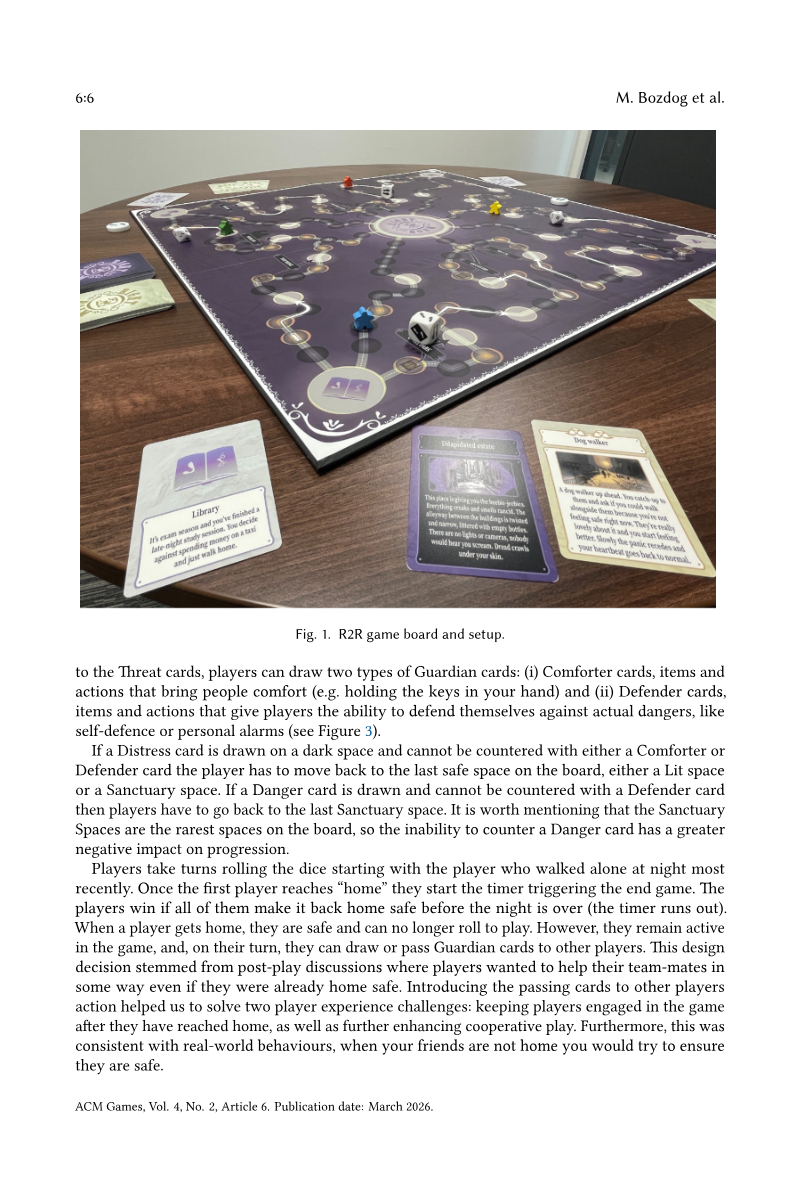
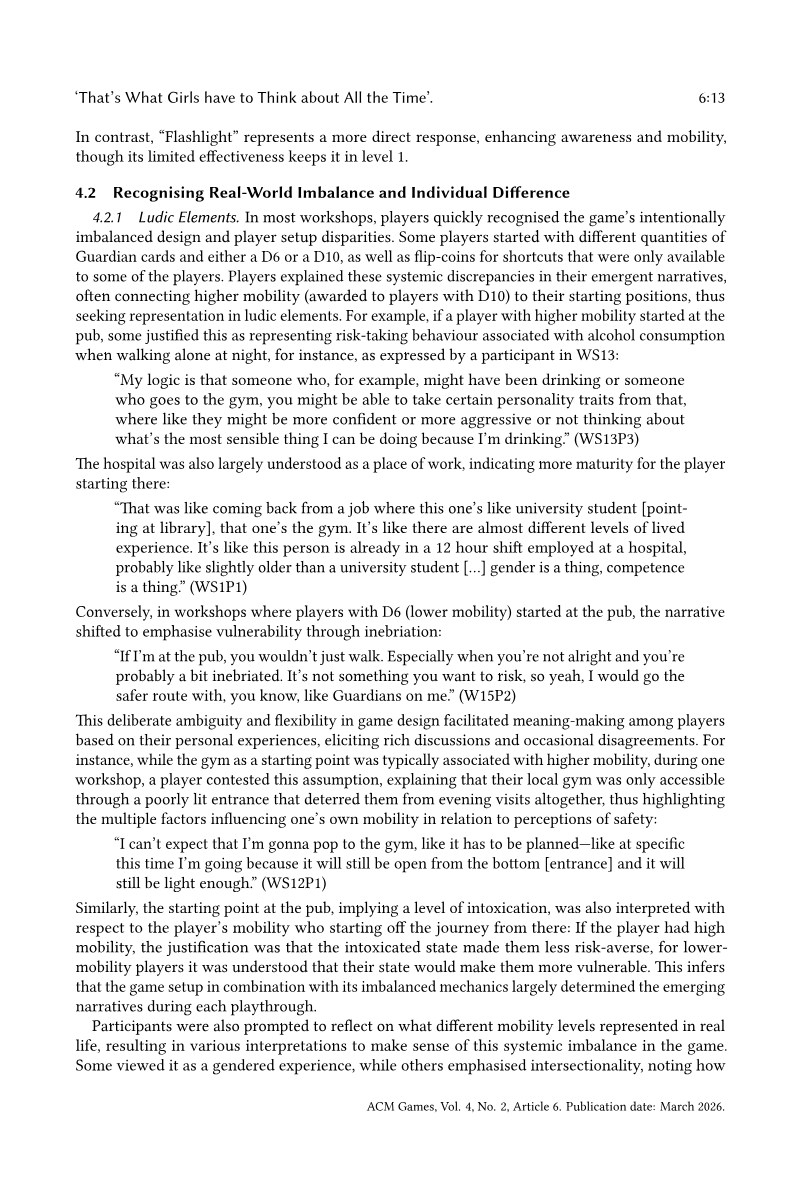
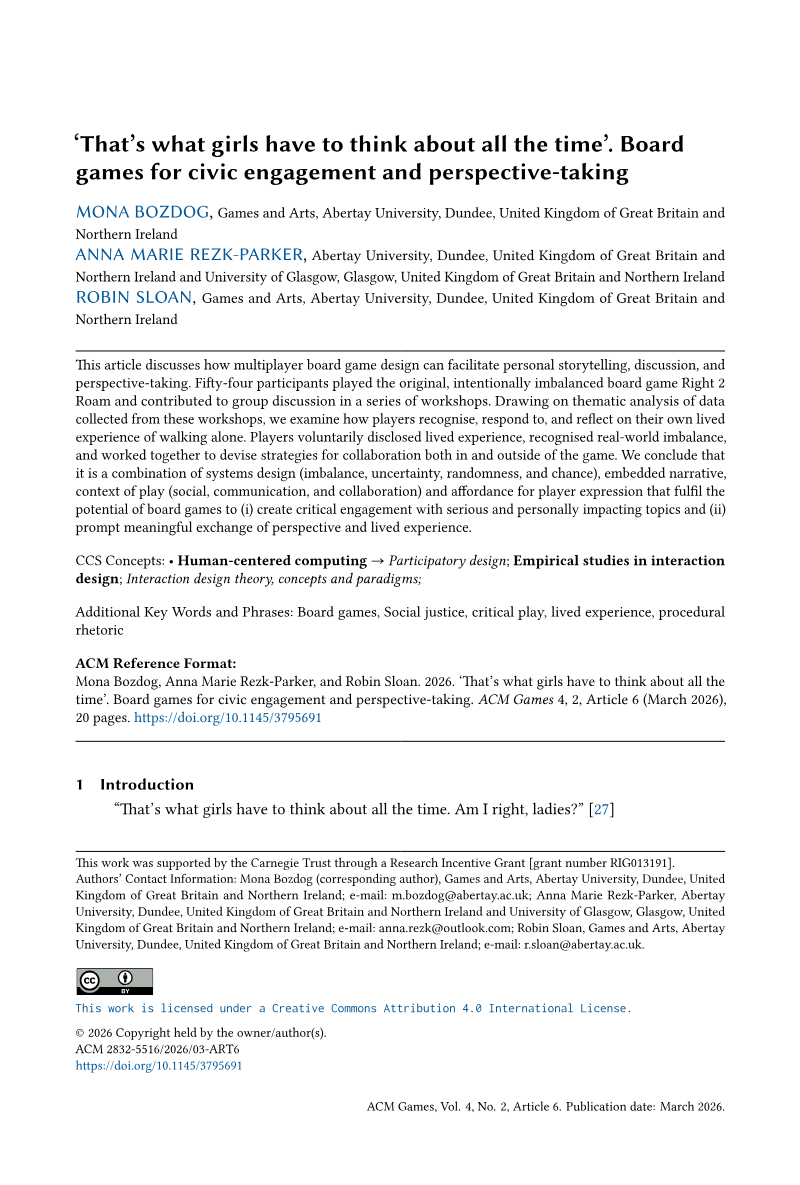
‘That’s What Girls Have to Think About All the Time’: Board Games for Civic Engagement and Perspective-Taking
Association for Computing Machinery · 2026
Whitepaper
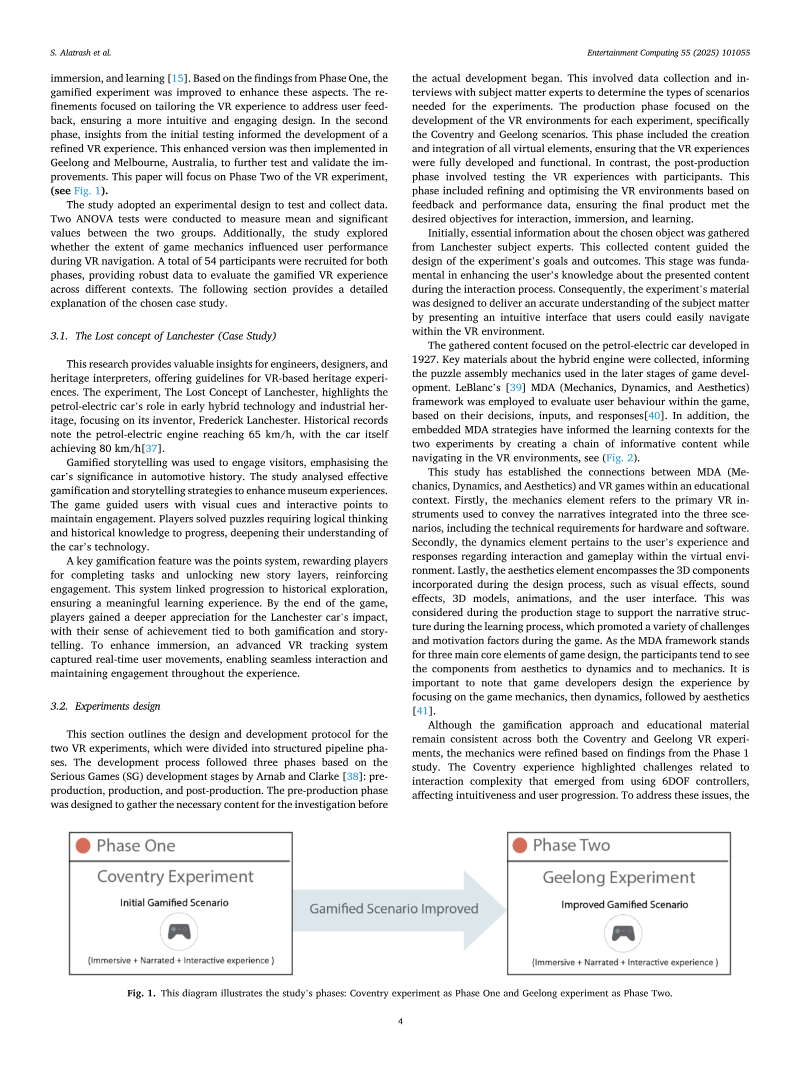
Gamifying Museum Exploration: A Virtual Reality Approach to Enhancing Visitor Engagement
Elsevier · 2025
Whitepaper
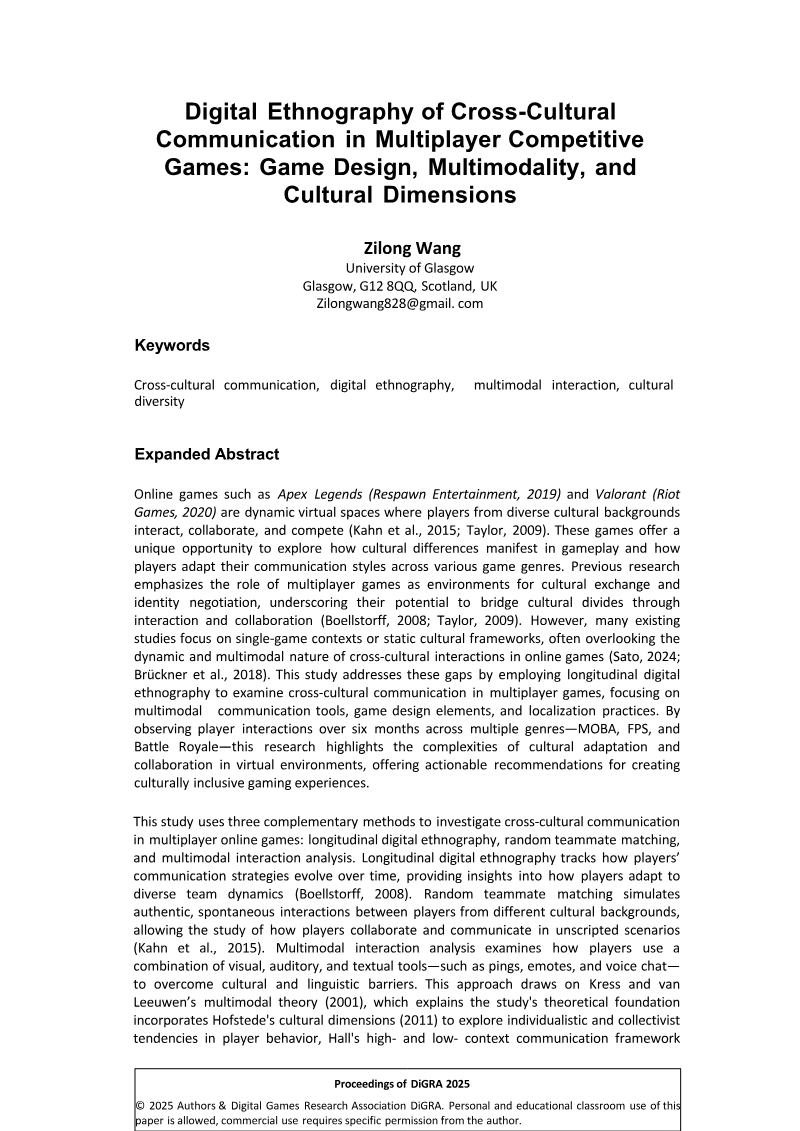
Digital Ethnography of Cross-Cultural Communication in Multiplayer Competitive Games: Game Design, Multimodality, and Cultural Dimensions
DiGRA · 2025
Whitepaper
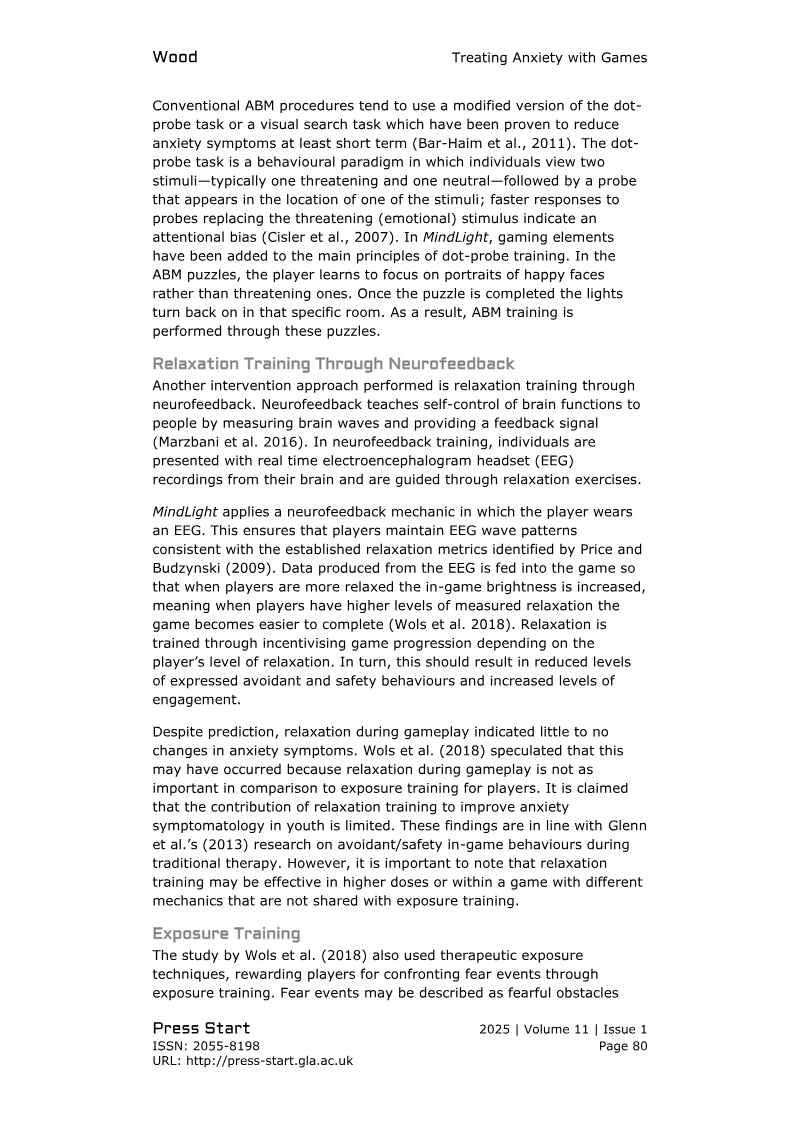
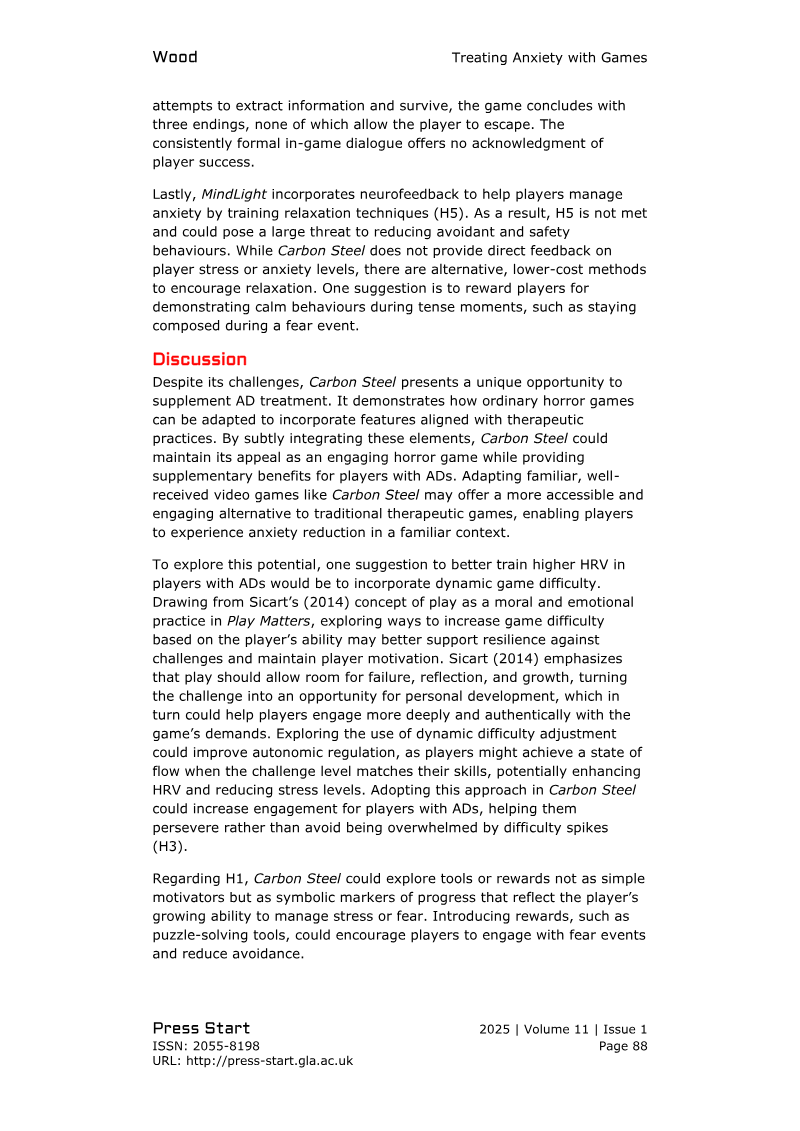
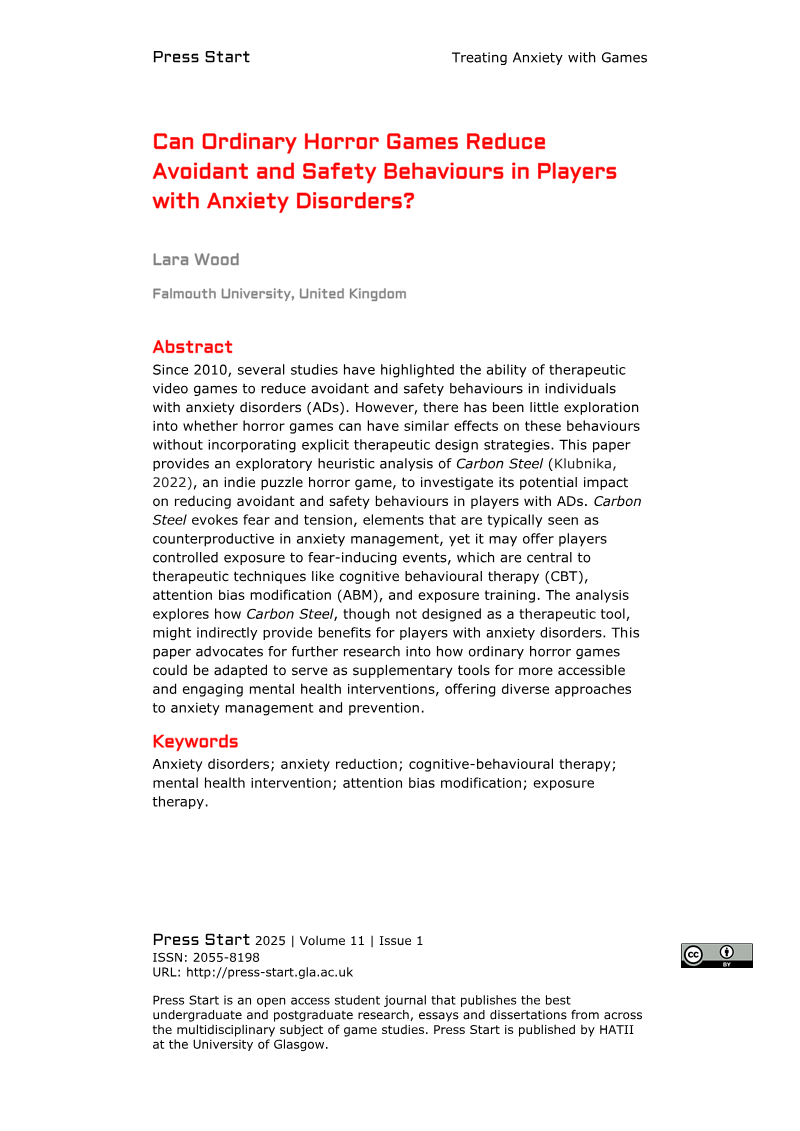
Can Ordinary Horror Games Reduce Avoidant and Safety Behaviours in Players with Anxiety Disorders?
Press Start · 2025

Report
D5.3 Prototype Report: Games, Heritage, Arts, & Sport
GAMEHEARTS · 2025
Whitepaper
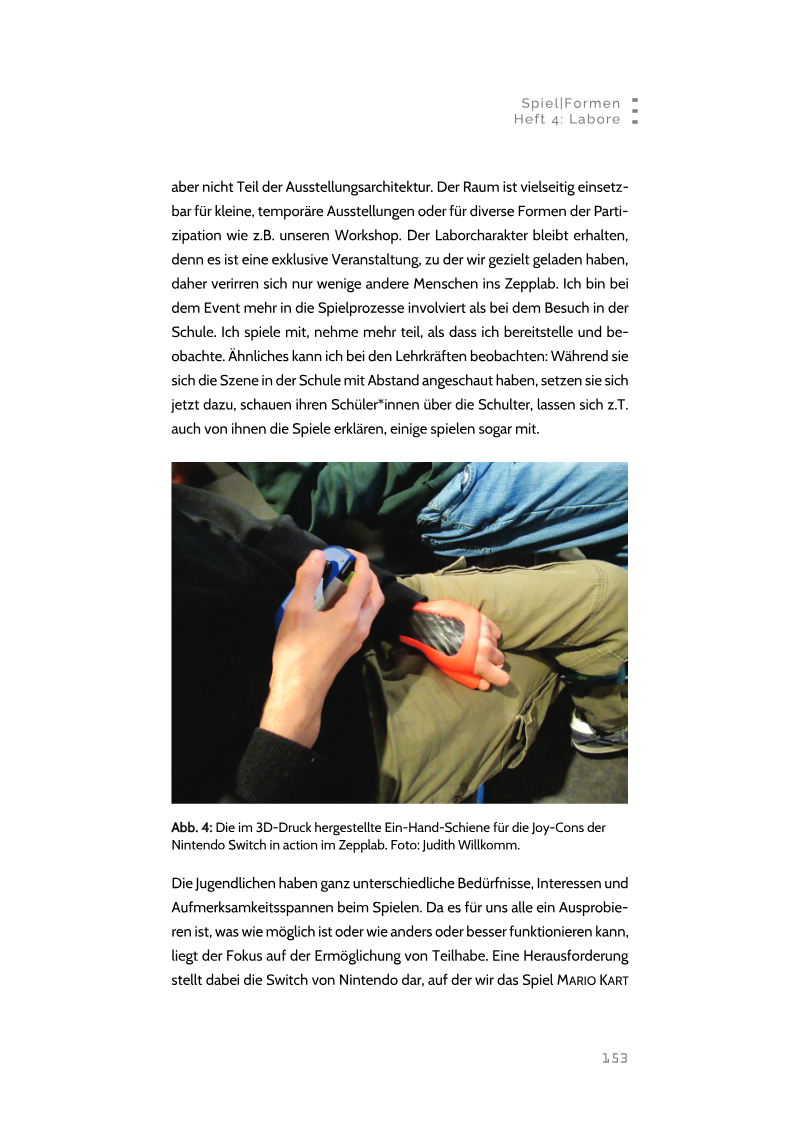
Game | Play | Ability: Ein Laborbericht zu alternativen Spielweisen
Spiel|Formen · 2025
Whitepaper
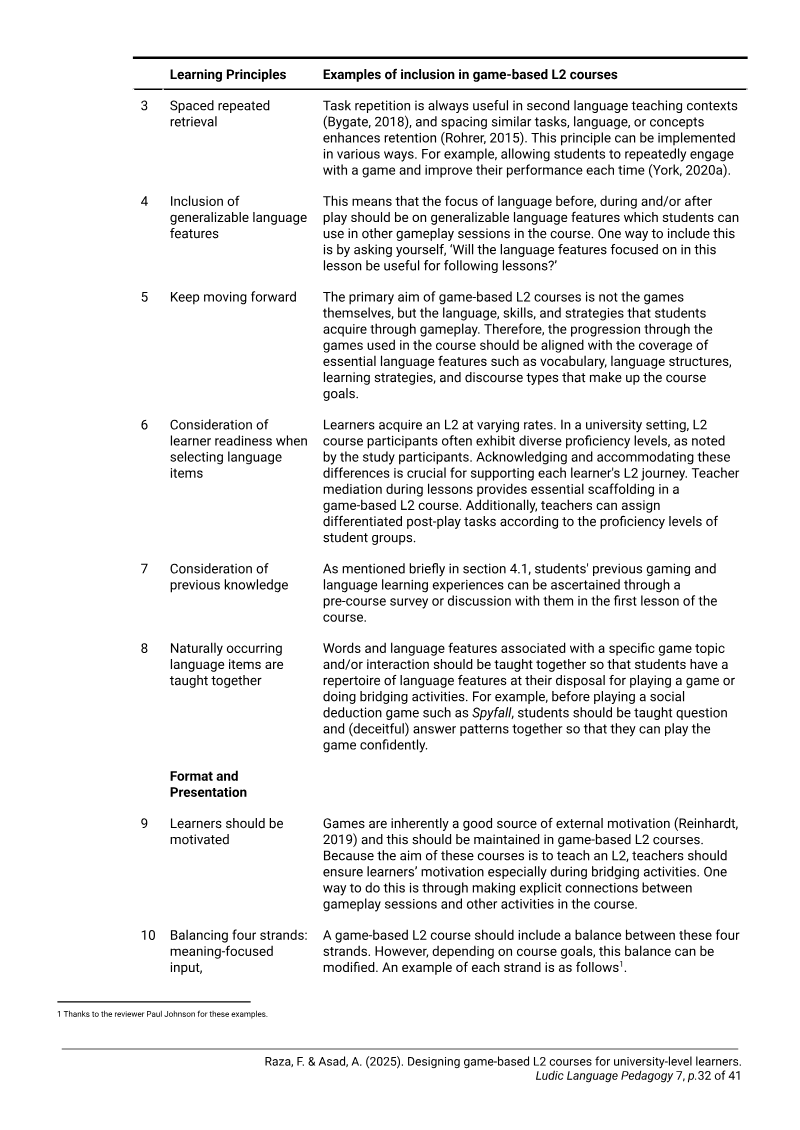
Designing Game-based L2 Courses for University-level Learners
Ludic Language Pedagogy · 2025