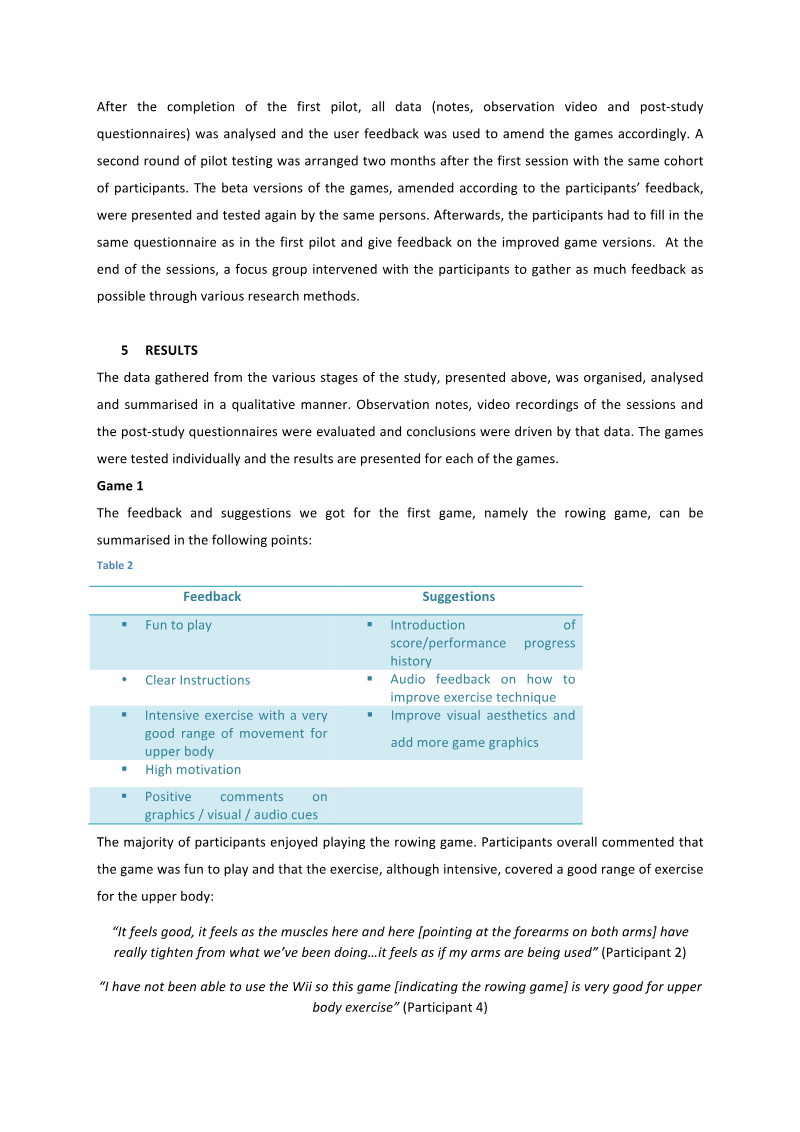
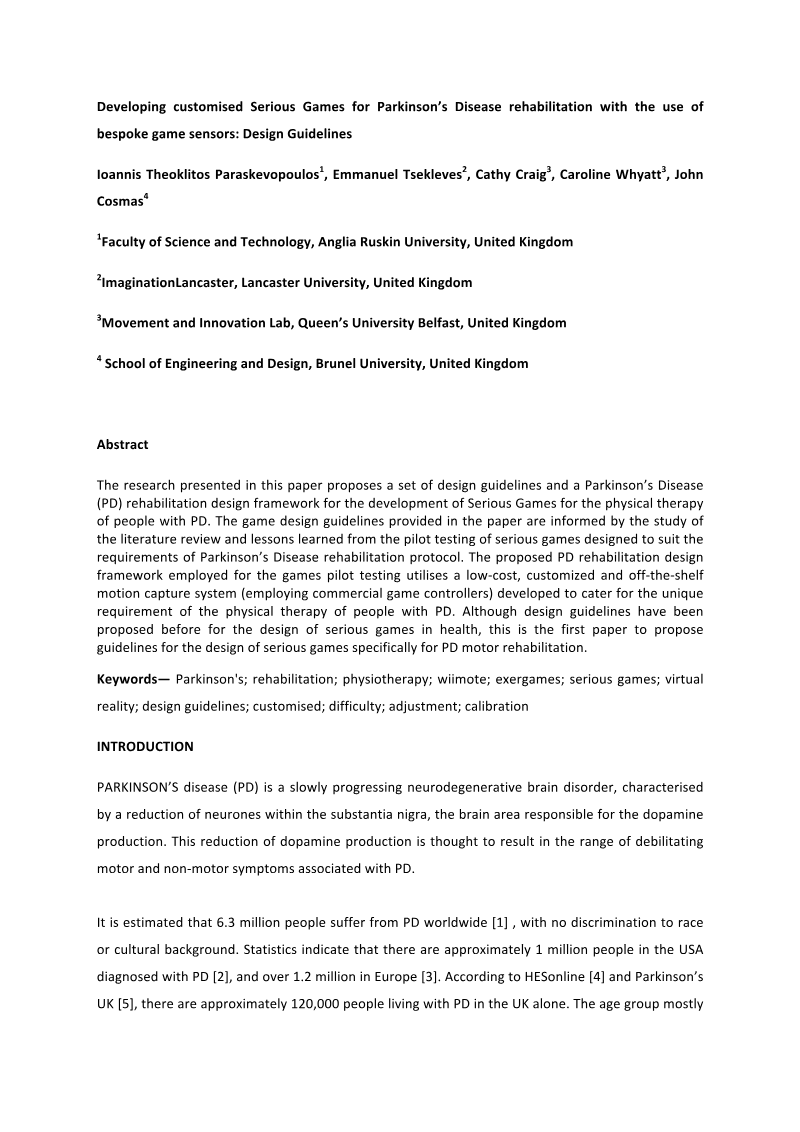
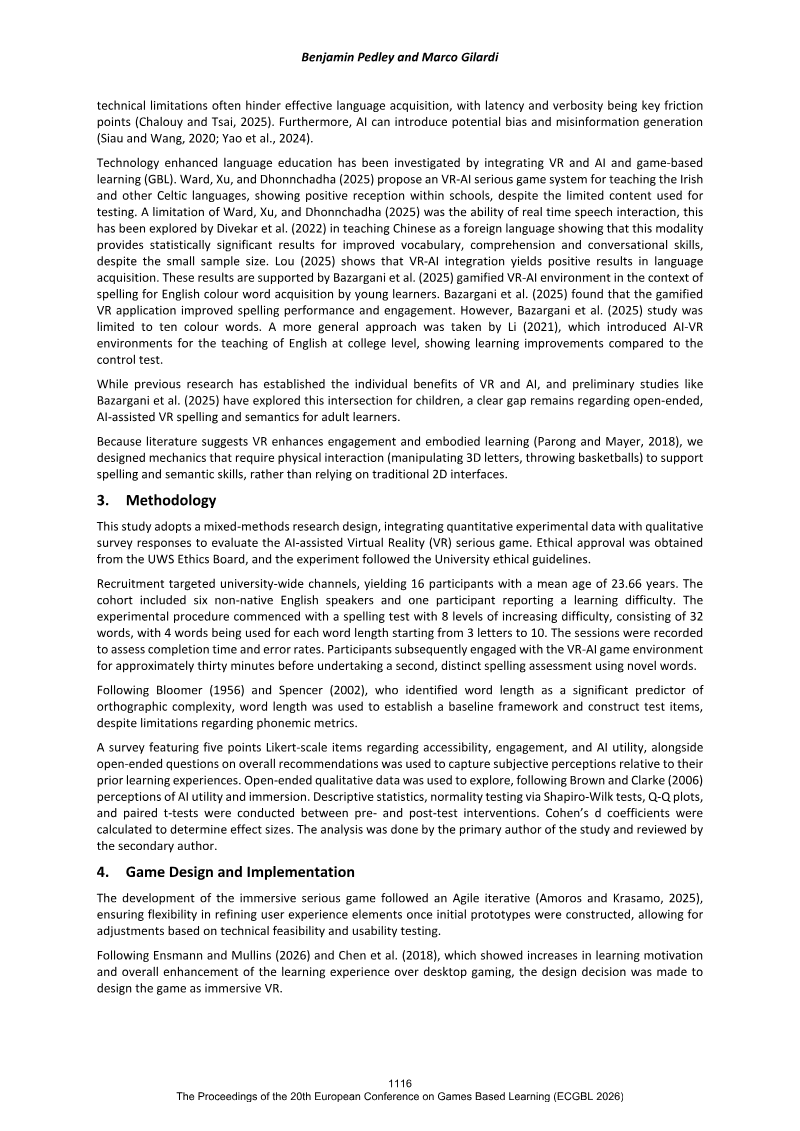
The Serious Slow Game Jam (SSGJ) methodology serves as a structured, low-pressure alternative to traditional, high-intensity game development events, specifically designed to facilitate the co-creation of serious games for cybersecurity education. By replacing the typical "crunch" culture with a distributed, six-day schedule, this framework enables multidisciplinary teams to integrate complex domain-specific knowledge with pedagogical and game design principles. The approach utilizes specialized toolkits, including card decks focused on cybersecurity, learning mechanics, and game mechanics, to ground the design process and ensure that final prototypes align closely with intended educational outcomes.
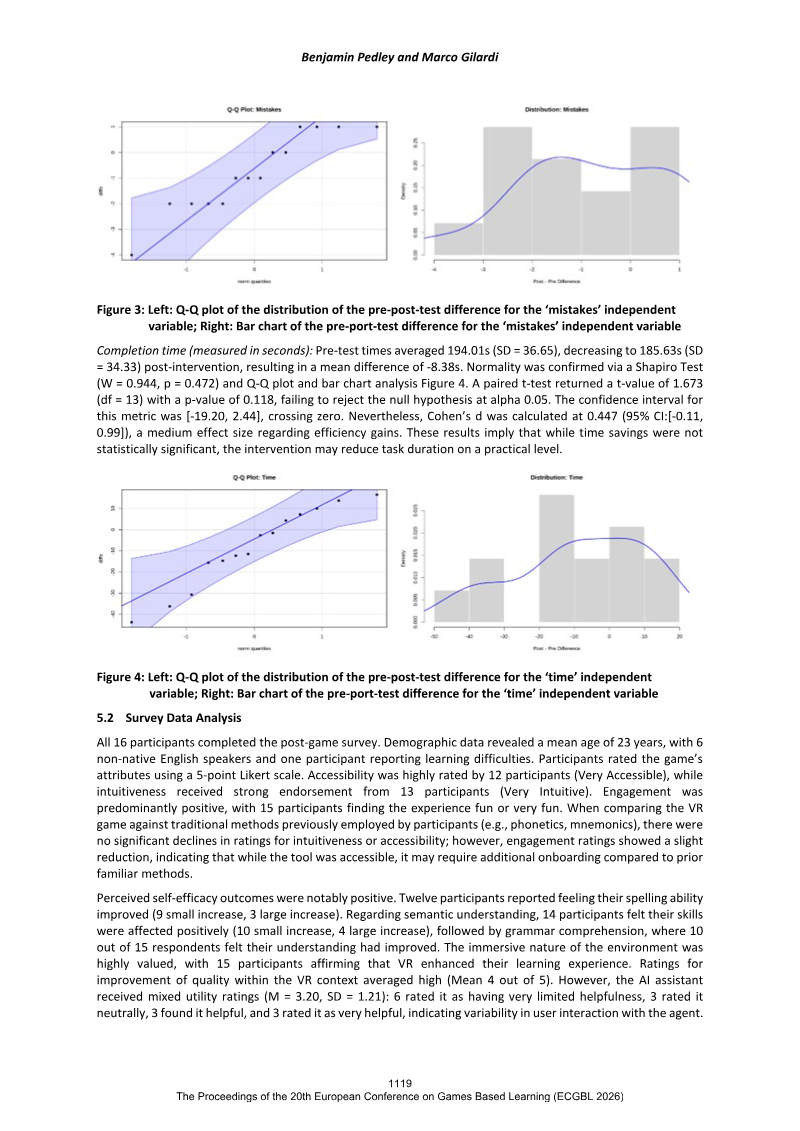
Quantitative and qualitative evaluations of the methodology reveal significant gains in participant proficiency. Confidence levels regarding cybersecurity knowledge rose from 12.5% to 62.5%, while self-reported competence in game design and development increased from 12.5% to 75%. Participants consistently reported high levels of interest and perceived value throughout the process, despite the high mental workload inherent in the co-design task. While the card-based toolkits proved effective for structuring development, some participants noted that these tools occasionally constrained creative flexibility, highlighting a need for future iterations to balance instructional guidance with open-ended design freedom.
The study concludes that the SSGJ is a viable mechanism for fostering collaborative learning, though it identifies specific operational challenges. Recruitment remains difficult due to scheduling conflicts, and the hybrid format presents obstacles to team cohesion and project continuity. Consequently, future implementations should prioritize in-person participation and integration into formal educational curricula to maximize engagement. By refining the workload distribution across the jam’s phases, this methodology offers a scalable and effective model for developing serious games that bridge the gap between technical cybersecurity expertise and accessible, engaging educational experiences.