1 free read left. Create a free account for unlimited reading + AI research.
Create free accountArticle GameRefinery
1 free read left. Create a free account for unlimited reading + AI research.
Create free accountArticleGameRefinery
Tactile Games differentiated the title with a narrative-heavy approach, tackling mature themes like divorce and death.
Tactile Games' Lily's Garden, a roughly 50-person studio's most ambitious title, is analyzed here as a case study in how a multi-dimensional Collapse puzzle game with a redecoration meta-game reached the top 50 grossing on mobile in late 2019 and approached the top 100 during Q2 and Q3. Drawing on GameRefinery ranking data and the author's professional design perspective as a game designer, the analysis argues the game's success is not explained by its core puzzle alone but by a combination of four factors.
The first is a deliberate core mechanic choice. Lily's Garden is the highest-grossing multi-dimensional Collapse game, targeting fans of Toy Blast and Toon Blast rather than competing with traditional Switcher games. The author notes drawbacks: no auto-matches, and line rockets generated in a random direction, giving players only a 50% chance of the desired orientation. Negativity and confirmation bias make that feel unfair, and smarter obstacle-aware logic is suggested.
The second and most emphasized factor is narrative. Supported by four writers, the game tackles adult themes such as divorce, child custody, and death, avoiding the mechanical, fourth-wall-breaking approach of Homescapes or Hidden Hotel. Player reviews reportedly confirm retention and acquisition gains from the story. The third factor is marketing: highly controversial ads built on romance, innuendo, and drama extended the game's adult tone and proved effective at driving attention. The game also runs with almost no start-up pop-ups and no ad integrations.
The fourth factor is live-ops built around loss aversion. Winning-streak power-ups (Philip's Ice Cream) and the Rocket Ruckus tally competition pressure players to spend on boosters or extra moves to protect progress. Seasonal events, such as a 57-level Christmas storyline, add engagement through narrative rewards. The author critiques the events as too forgiving and suggests more time pressure or difficulty, and notes that power-up rewards let skilled players hoard boosters. The conclusion praises the shift toward more meaningful storytelling in casual games.
Each row is a game or company this document names, each column a document, oldest first. A mark means that document names it. Select a row to see those documents.
GameRefinery · 2026

Two & a Half Gamers · 2026
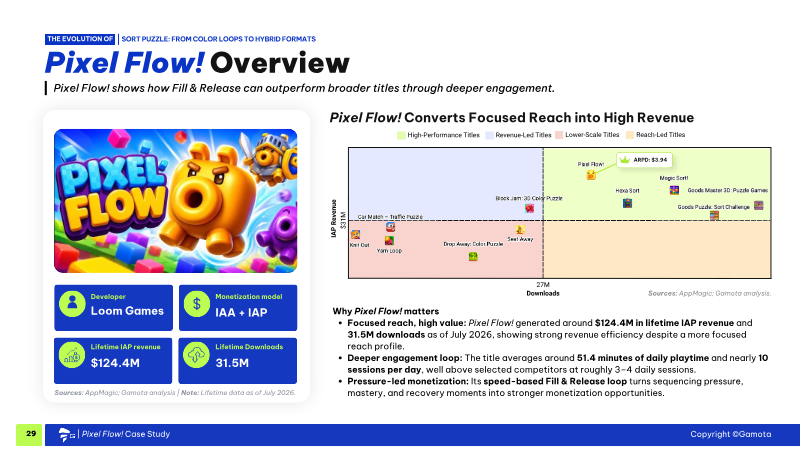

Gamota · 2026

Two & a Half Gamers · 2026
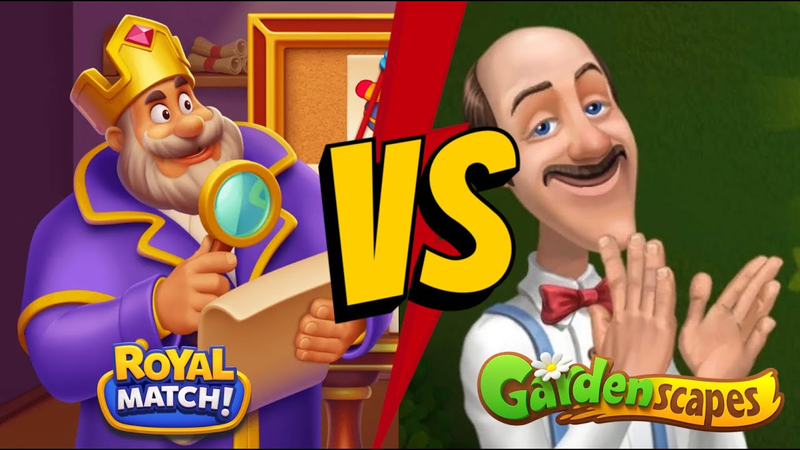
Deconstructor of Fun · 2024

PocketGamer.biz · 2020

Two & a Half Gamers · 2026
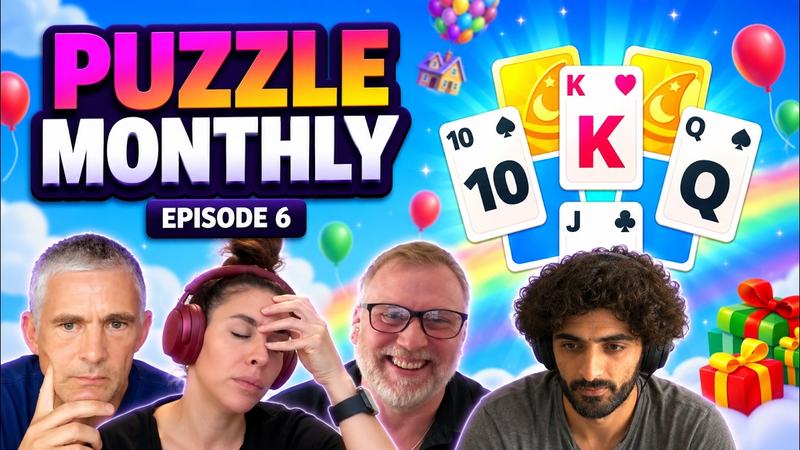
Deconstructor of Fun · 2026
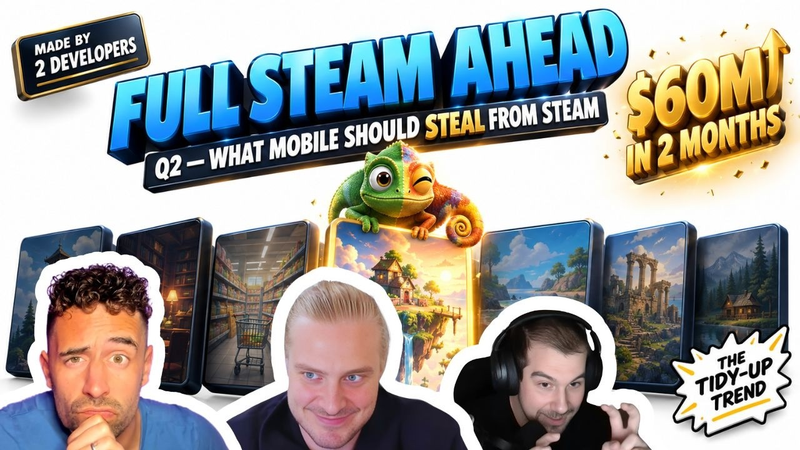
Two & a Half Gamers · 2026
Two & a Half Gamers · 2026

Two & a Half Gamers · 2026

Deconstructor of Fun · 2026

Two & a Half Gamers · 2026