1 free read left. Create a free account for unlimited reading + AI research.
Create free accountReport International Journal of Games and Social Impact
1 free read left. Create a free account for unlimited reading + AI research.
Create free accountReportInternational Journal of Games and Social Impact
Community members create and share models mainly for customization and organization. Designers and publishers are only beginning to use the technology for prototyping.
3D printing, or additive manufacturing, is examined here as an emerging force in modern board games, where its current use is driven largely by hobbyists rather than publishers. Community members create and share models primarily for customization and organization, while designers and publishers are only beginning to adopt the technology for prototyping. The analysis identifies quality, durability, material range, copyright concerns, and high per-part costs as the main barriers to mass production, with sustainability and educational applications appearing as secondary considerations.
Data drawn from BoardGameGeek community listings show the scale and character of this activity. Of roughly 3,013 available 3D board game models, only about 377, or around 12.5 percent, are non-insert upgrade components, meaning storage and organization inserts account for the large majority of offerings. Geeklist analysis from 2015 and 2020 confirms that community sharing is widespread, with Catan leading generic models and Star Wars: X-Wing leading non-insert upgrades. Notably, several of the most actively modeled games, such as Dune: Imperium, are not highly ranked on the platform, suggesting that modeling activity follows player enthusiasm rather than critical acclaim.
The findings point to a clear trajectory. Some publishers already distribute STL files so players can print components themselves, and the technology promises customizable components, rapid prototyping, and reduced production costs. The conclusion anticipates a growing role for 3D printing in the industry while acknowledging present limitations in process maturity, technical expertise, and component coverage relative to traditional printing methods. The supporting literature frames these developments around the economic disruption and intellectual property implications of home printing for the games sector.
Each row is a game or company this document names, each column a document, oldest first. A mark means that document names it. Select a row to see those documents.

International Journal of Games and Social Impact · 2026

International Journal of Games and Social Impact · 2026

International Journal of Games and Social Impact · 2026

International Journal of Games and Social Impact · 2026

International Journal of Games and Social Impact · 2026

International Journal of Games and Social Impact · 2026

International Journal of Games and Social Impact · 2026

International Journal of Games and Social Impact · 2026

International Journal of Games and Social Impact · 2025

International Journal of Games and Social Impact · 2025

International Journal of Games and Social Impact · 2025

International Journal of Games and Social Impact · 2025
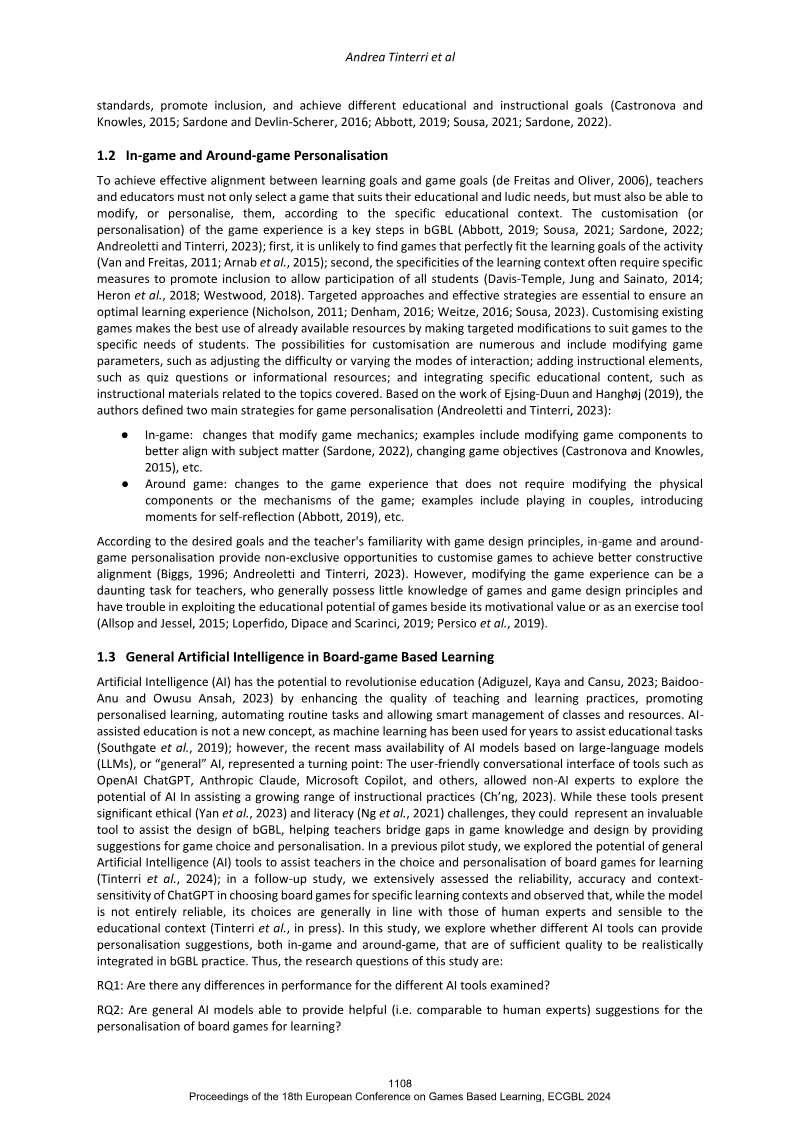
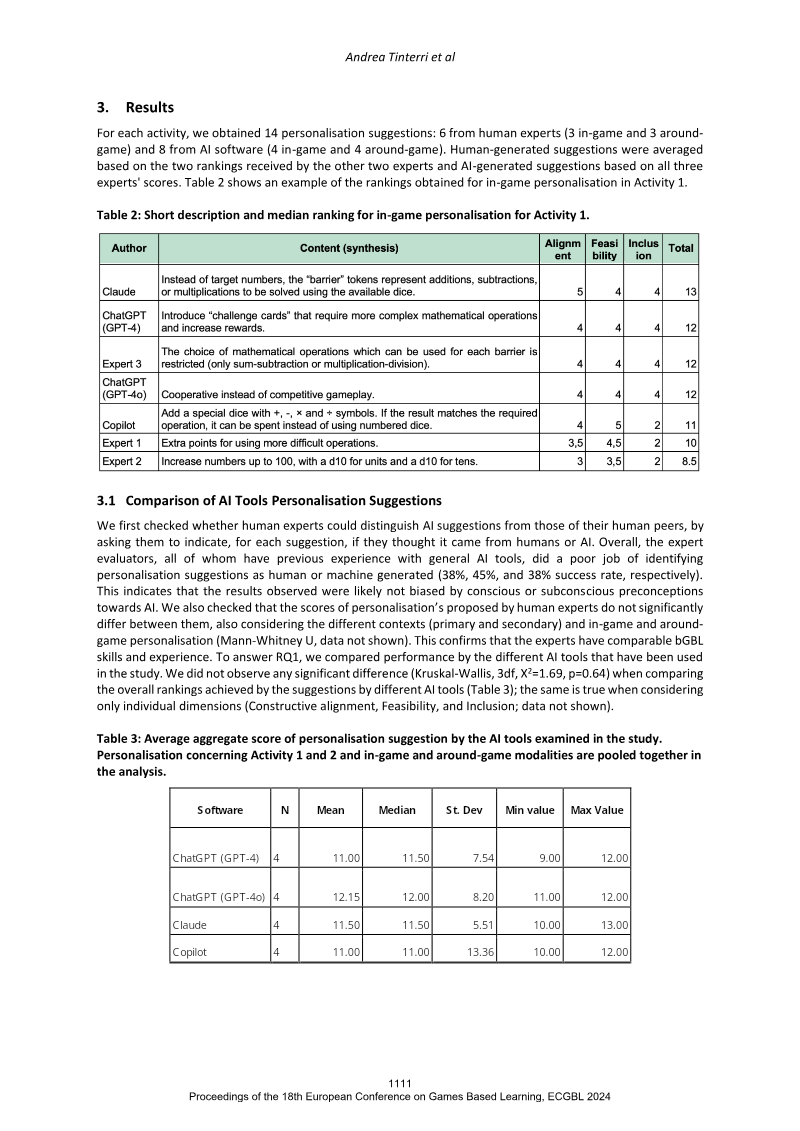
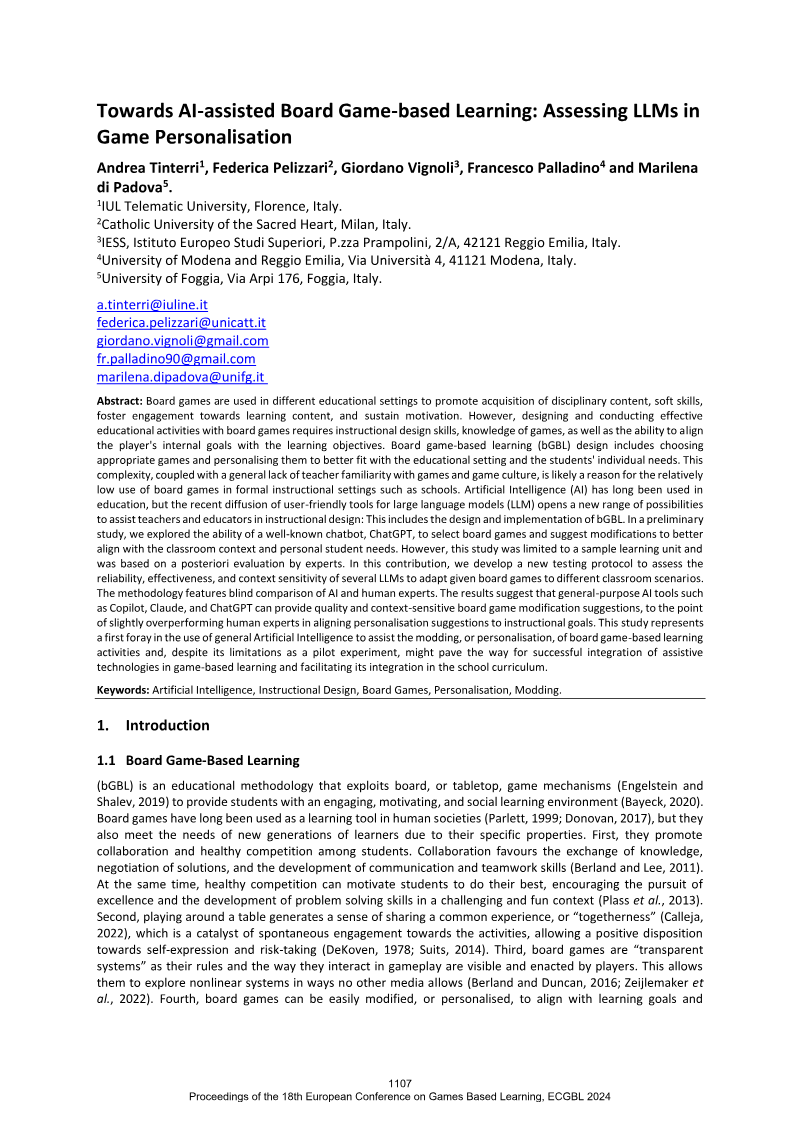
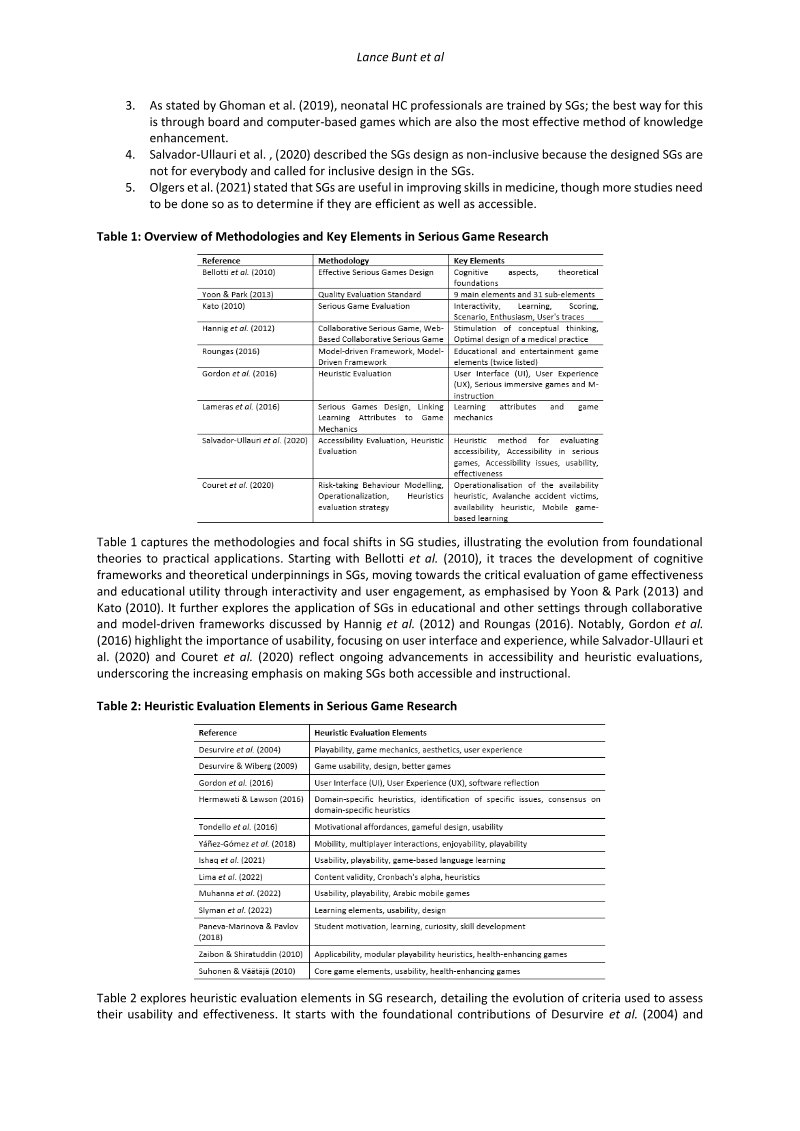
European Conference on Games Based Learning (ECGBL) · 2026