1 free read left. Create a free account for unlimited reading + AI research.
Create free accountReport Korea Creative Content Agency
1 free read left. Create a free account for unlimited reading + AI research.
Create free accountReportKorea Creative Content Agency
The content industry recorded 688,121 employees and value added of about KRW 57.0 trillion in 2024, a 36.2% value-added ratio.
The 2024 Content Industry Statistics, published by the Korea Creative Content Agency, provides a comprehensive, sector-by-sector accounting of South Korea's content industry for the reference year 2024, drawing on a survey of 18,678 businesses conducted in late 2025. Its central message is one of a large, export-driven industry that continued to expand in scale while showing divergent performance across segments. Across eleven sectors, the industry recorded 120,875 businesses, 688,121 employees, and sales of KRW 157.4 trillion, with value added of roughly KRW 57.0 trillion and a value-added ratio of 36.2%. Exports reached $14.08 billion against imports of $0.92 billion, producing a surplus of about $13.2 billion, with gaming alone accounting for 60.4% of export value.
Growth was uneven across the sectors. Business counts rose 2.4% year over year, and employment grew 3.4%, led by publishing, which accounted for 26.3% of jobs, and gaming, at 12.7%. Revenue rose a modest 2.1%, with broadcasting and video the largest contributor at 15.9% of sales. Several segments showed clear strain: the film industry's revenue fell 16.3% to about KRW 4.94 trillion, and the music sector saw album sales drop roughly 15% even as overall sales rose 5.1%. Digital platforms continued to reshape the landscape, with webtoons driving comics revenue up 25.1% and online and internet-based services increasingly displacing traditional broadcast advertising and pay-TV subscriptions.
The report's geographic and methodological scope is equally important for interpretation. Activity is heavily concentrated in Seoul, which holds 42.1% of all businesses and a majority of revenue and employment in most sectors, while the Seoul metropolitan area as a whole dominates the workforce. Users should note that the survey's sampling frame changed in 2021 and again in 2024, so several series are not directly comparable across years and must be read with the report's stated caveats in mind.
Korea Creative Content Agency · 2025
Korea Creative Content Agency · 2025
Korea Creative Content Agency · 2025
Korea Creative Content Agency · 2025

Korea Creative Content Agency · 2025
Korea Creative Content Agency · 2025
Korea Creative Content Agency · 2025
KOCCA – Korea Creative Content Agency · 2025
KOCCA – Korea Creative Content Agency · 2025
KOCCA – Korea Creative Content Agency · 2025
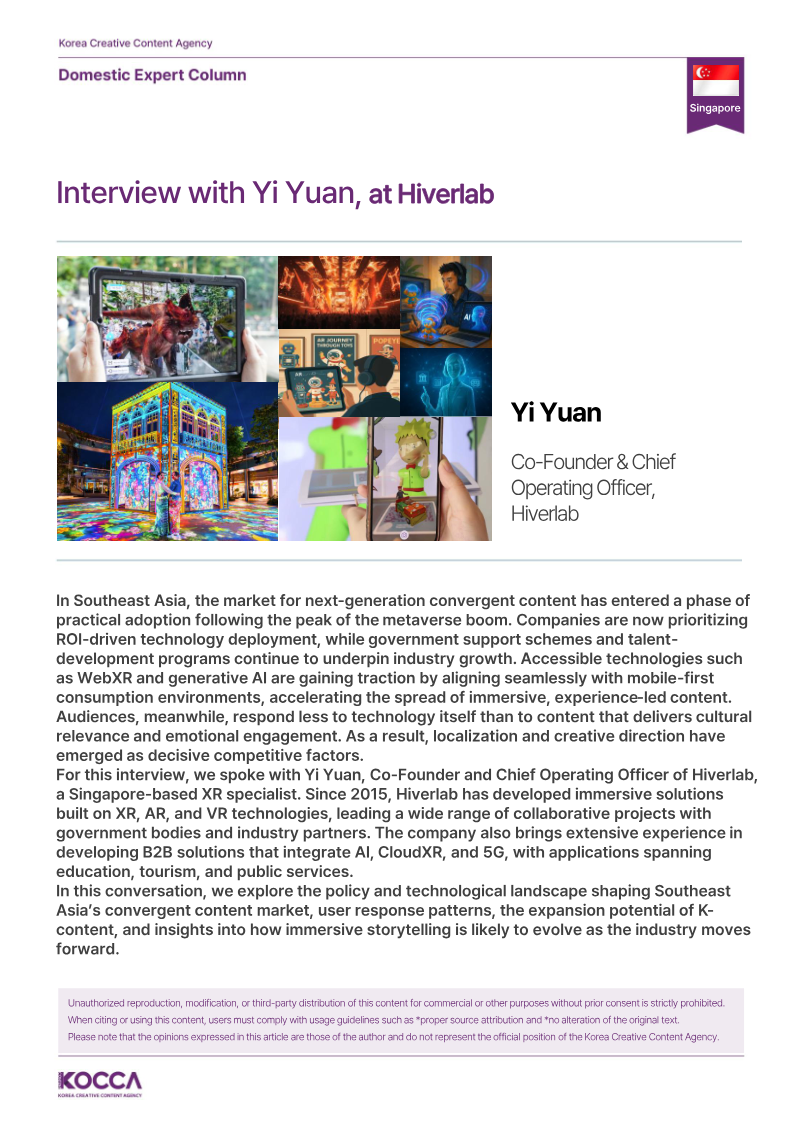
KOCCA – Korea Creative Content Agency · 2025
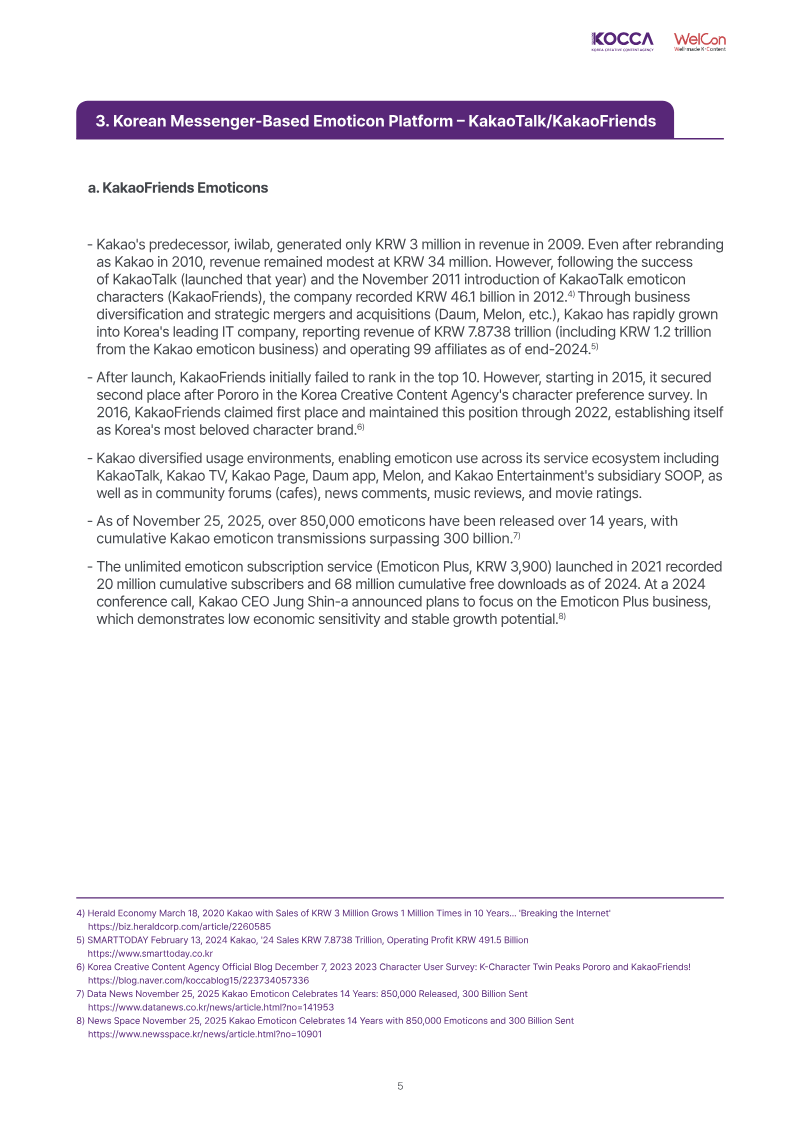
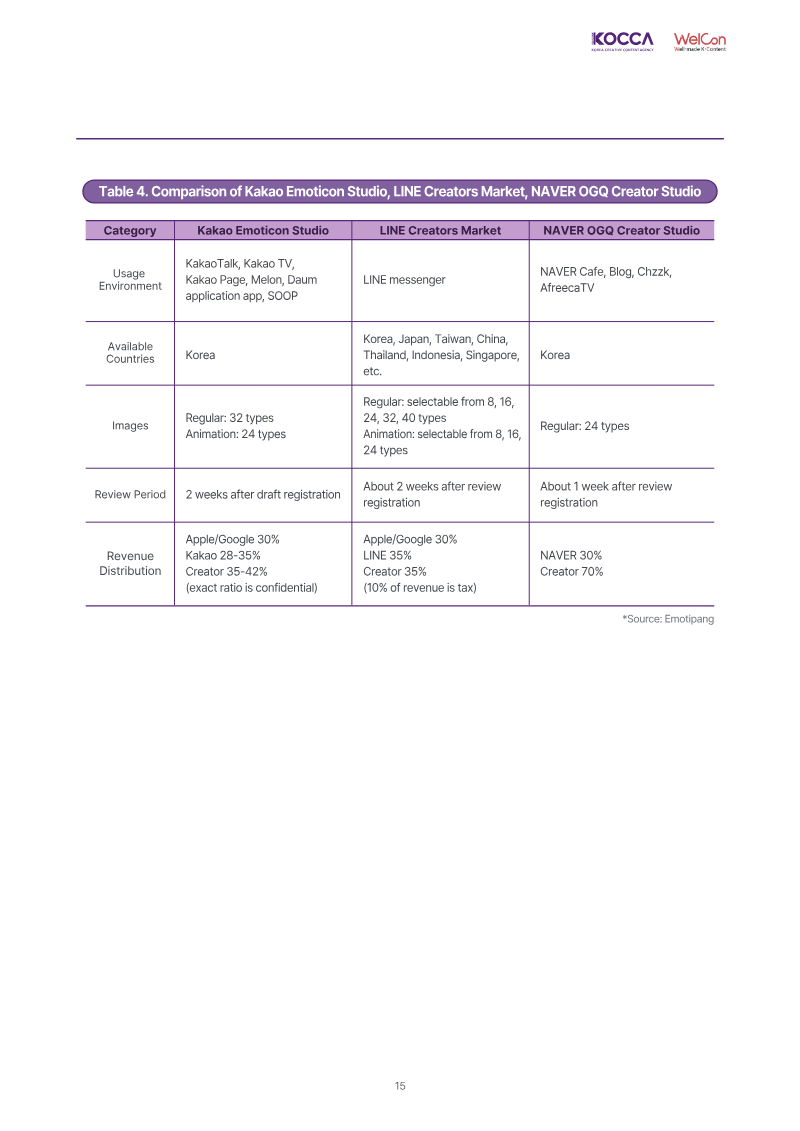
KOCCA – Korea Creative Content Agency · 2025
Krafton · 2026