The Chinese gaming market is projected to reach $40 billion in revenue in 2024, largely fueled by the rapid expansion of high-fidelity WeChat mini-games.
Success in the post-IDFA landscape requires adopting the high-velocity iteration models used by Chinese developers, who frequently launch multiple refined clones of successful titles daily.
AI-driven creative production is now essential for UA, with Midjourney recommended for generating high-engagement static assets that improve auction positioning on platforms like Facebook.
Meta’s Advantage+ App Campaigns (A+C) should be used as the primary testing ground for new static visuals before scaling successful concepts into video formats using tools like Adobe AI.
Chinese developers maintain a competitive advantage through superior operational efficiency, specifically the ability to instantly reinvest ad monetization revenue directly into UA budgets.
Performance validation for AI-generated creative must be strictly tied to cohort-based metrics, specifically monitoring retention and ROAS benchmarks before committing to full-scale production.
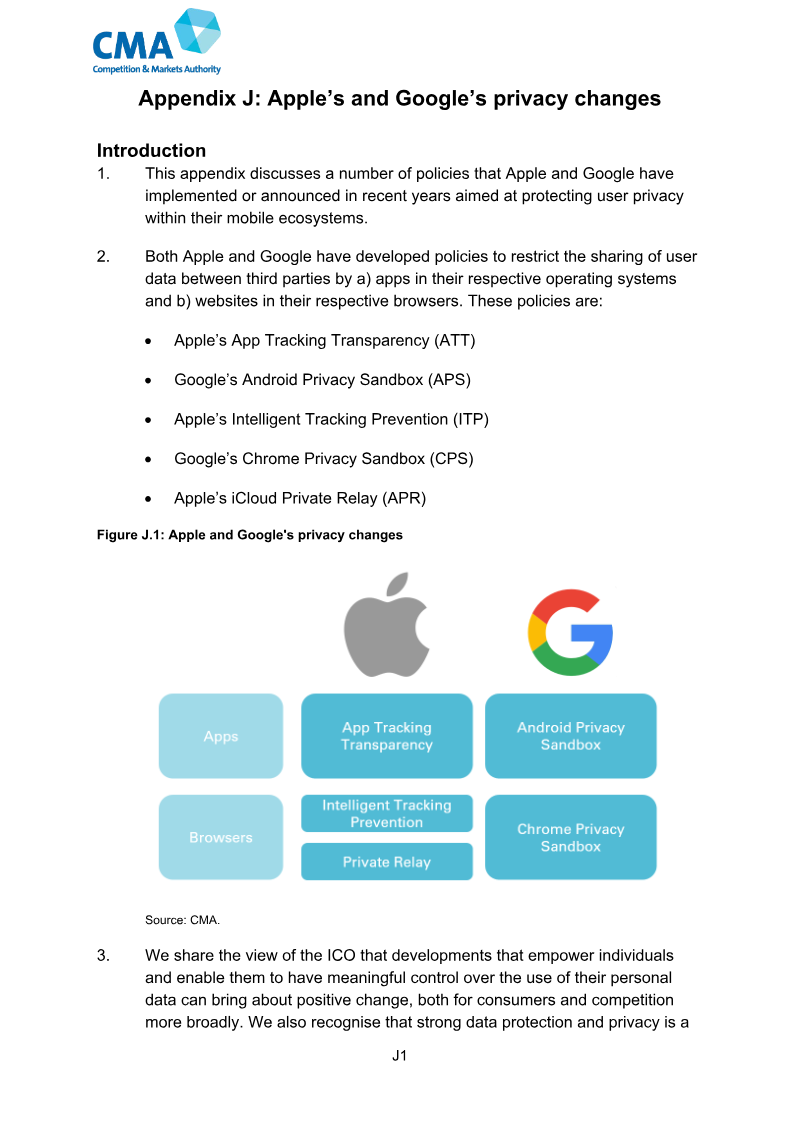
This analysis explores the evolving landscape of mobile user acquisition (UA) in a privacy-centric environment, focusing on the integration of generative AI and the competitive dynamics of the Chinese gaming market. The primary thesis suggests that success in the post-IDFA era requires a shift toward AI-driven creative experimentation and a more aggressive, iterative approach to product development similar to that seen in Asian markets.
Key findings emphasize the critical role of AI in creative production, particularly for static assets on platforms like Facebook. High-engagement content—characterized by humorous or surreal visuals—is essential for improving auction positions. Strategic recommendations include utilizing Midjourney for prompt-based inspiration and leveraging Meta’s Advantage+ App Campaigns (A+C) to test new statics. The analysis stresses the importance of monitoring cohort metrics, such as retention and ROAS benchmarks, to validate the performance of AI-generated visuals before scaling them into video formats via tools like Adobe AI.
The geographic scope highlights a significant disparity between Western and Chinese industry practices. The Chinese gaming market is projected to reach $40 billion in revenue in 2024, driven largely by the explosive growth of WeChat mini-games. These platforms offer sophisticated, full-scale gaming experiences rather than simple casual play. Observations from ChinaJoy 2024 indicate that Chinese developers operate with a superior pace of iteration, often launching multiple refined clones of successful titles daily. Furthermore, the Chinese ecosystem benefits from seamless data sharing and the ability to instantly reinvest ad monetization revenue into UA budgets, a level of operational efficiency that currently outpaces Western standards.