Geographic selection for soft launches must prioritize specific metrics like English proficiency, device penetration, and payment behavior rather than relying on generic industry benchmarks.
Poland is a high-value soft launch territory for midcore, male-oriented titles due to its strong Android penetration and high levels of English fluency.
Traditional Cost Per Install (CPI) benchmarks are obsolete, necessitating a strategy of tracking the top twenty countries by downloads and revenue for specific competitors to inform scaling.
Current European gacha regulations are ineffective at curbing corporate behavior, evidenced by a nominal 5,000-euro fine against Activision Blizzard for loot box non-disclosure in Diablo Immortal.
The rise of 'pay-to-play' speaking opportunities at industry conferences is compromising the authenticity and reliability of executive-level knowledge sharing.
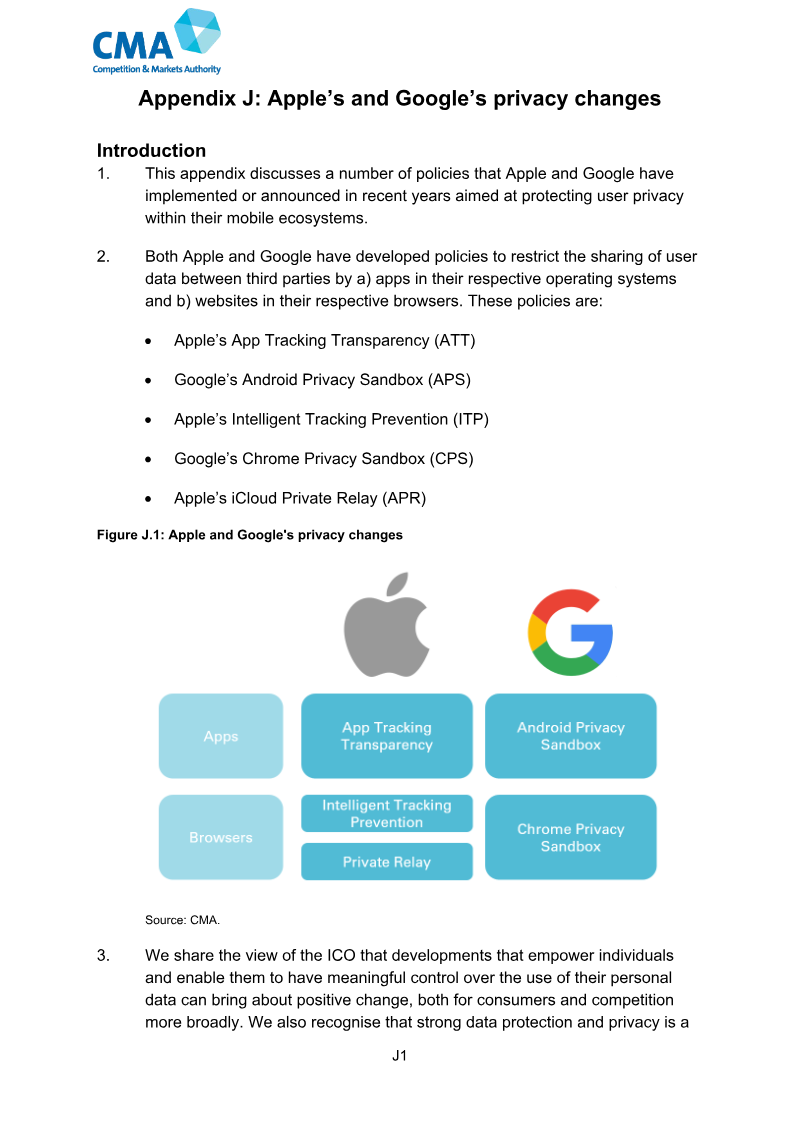
Successful mobile user acquisition in the post-IDFA landscape requires a combination of granular geographic targeting and a critical assessment of the evolving regulatory environment.
Strategic mobile user acquisition and game design insights are provided through a lens of post-IDFA market realities, focusing on soft launch methodologies and competitive analysis. The primary thesis centers on the necessity of data-driven geographic selection, where developers must prioritize English proficiency, device penetration, and payment behavior over generic benchmarks. Poland is identified as a high-value soft launch territory for midcore, male-oriented titles due to its high Android penetration and strong English fluency, whereas female-oriented titles require different geographic considerations.
The analysis highlights the volatility of Cost Per Install (CPI) metrics, noting that traditional benchmarks have become obsolete. Instead, developers are encouraged to utilize competitor data, specifically tracking the top twenty countries by downloads and revenue to inform their own scaling strategies. Industry trends are further explored through a critique of regulatory effectiveness, citing a nominal five-thousand-euro fine levied against Activision Blizzard for loot box non-disclosure in Diablo Immortal—a figure representing a negligible fraction of the company’s multi-billion dollar annual revenue. This suggests that current European gacha regulations lack the financial teeth to significantly alter corporate behavior.
The scope of the commentary covers the global mobile gaming landscape in 2023, with specific focus on the European market and emerging titles like Supercell’s Squad Busters. Methodology relies on manual market research, historical campaign data from titles such as Darts Club, and qualitative industry observations. Additional professional insights address the shifting landscape of industry conferences, noting a trend toward "pay-to-play" speaking opportunities that may impact the authenticity of executive-level knowledge sharing. Overall, the findings emphasize that success in the current mobile ecosystem requires a blend of granular geographic targeting and a critical understanding of the evolving relationship between developers and regulatory bodies.