More on Serious Games
View all


Whitepaper
V3NU5: Learning Beauty – The Quantum Game Promoting Cultural Heritage
Serious Games Society · 2026



Whitepaper
Teaching Nouns Using Things in Rings and the Concept of Venn Diagram
Ludic Language Pedagogy · 2026



Whitepaper
Transformative Play for Building Resilience to Misinformation
International Journal of Role-Playing · 2026
Whitepaper
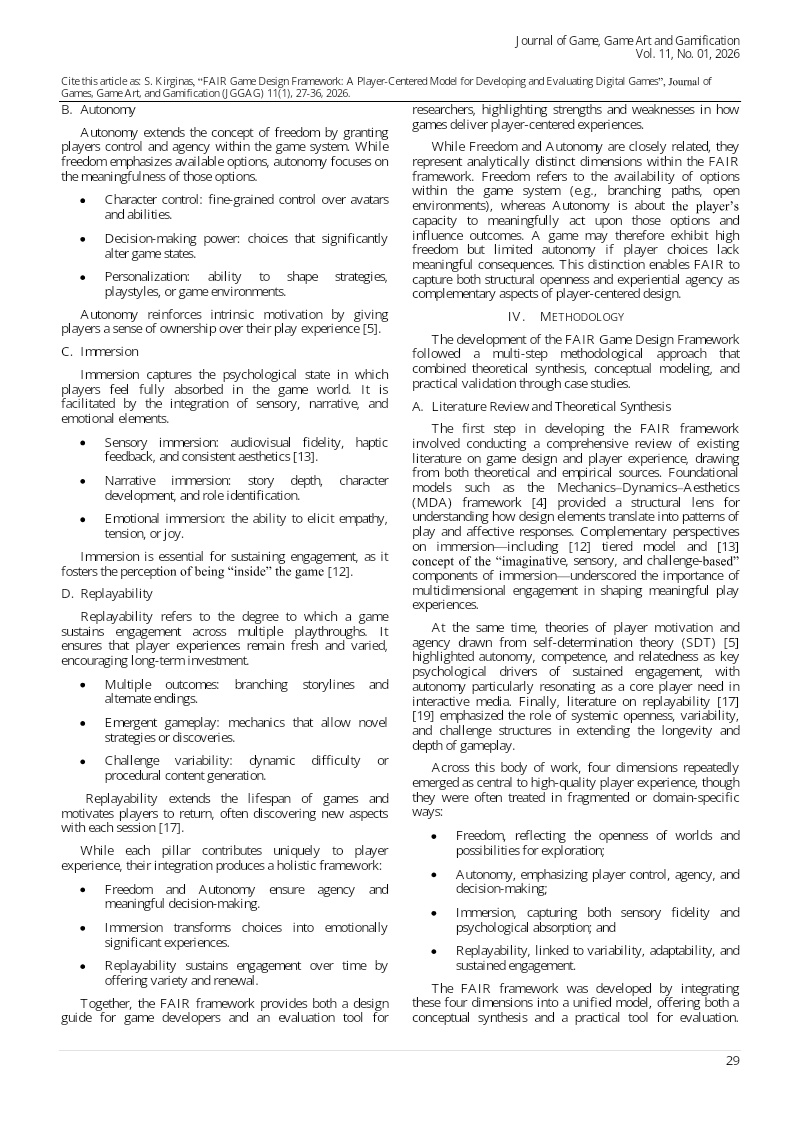
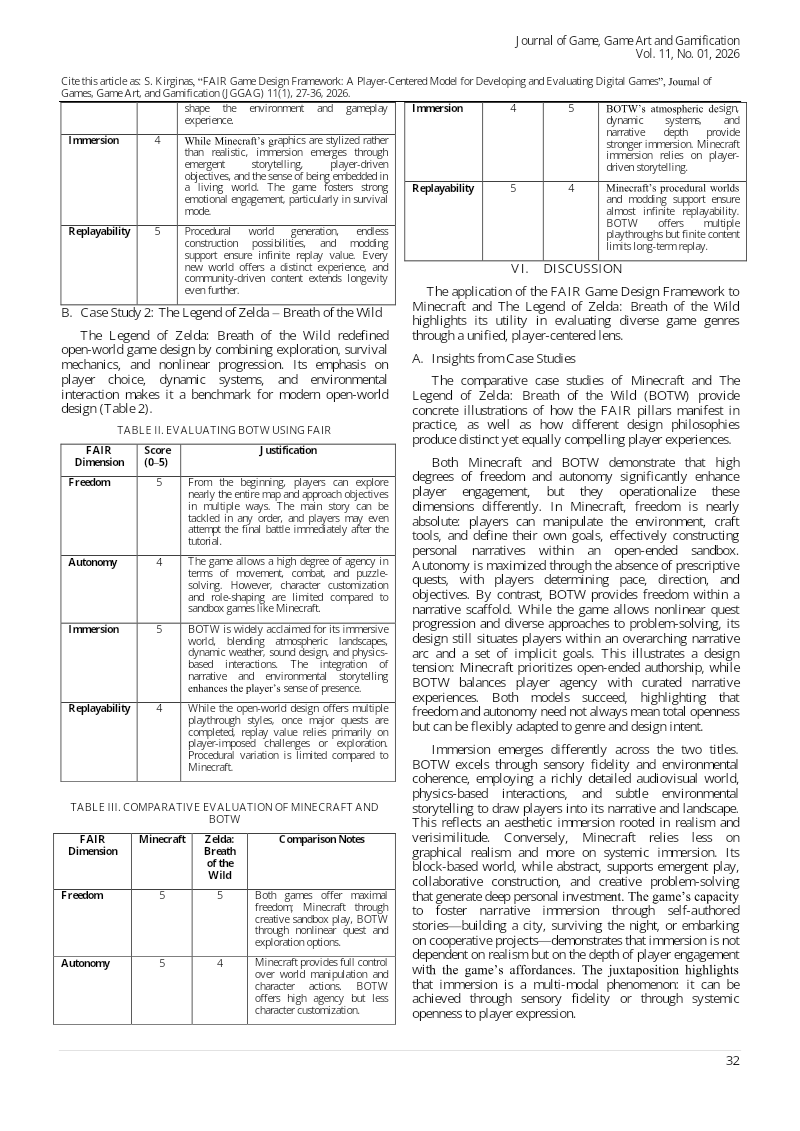
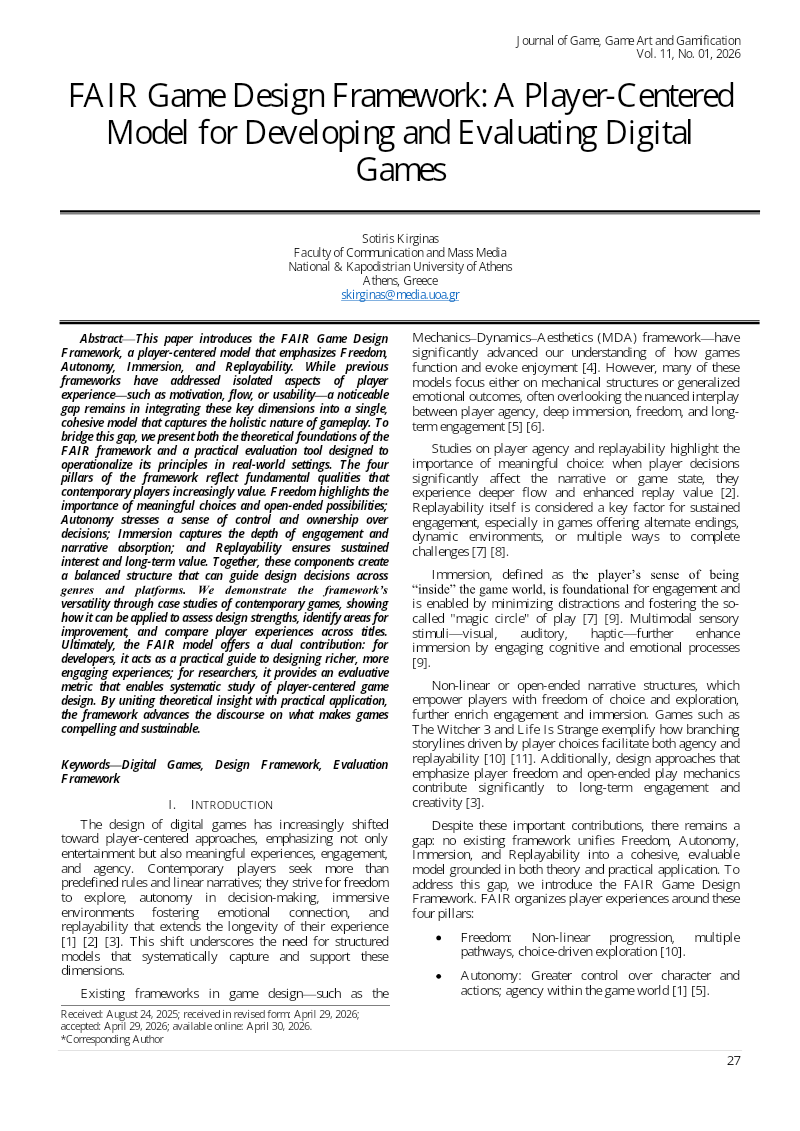
FAIR Game Design Framework: A Player-Centered Model for Developing and Evaluating Digital Games
Kapodistrian University of Athens · 2026
Whitepaper
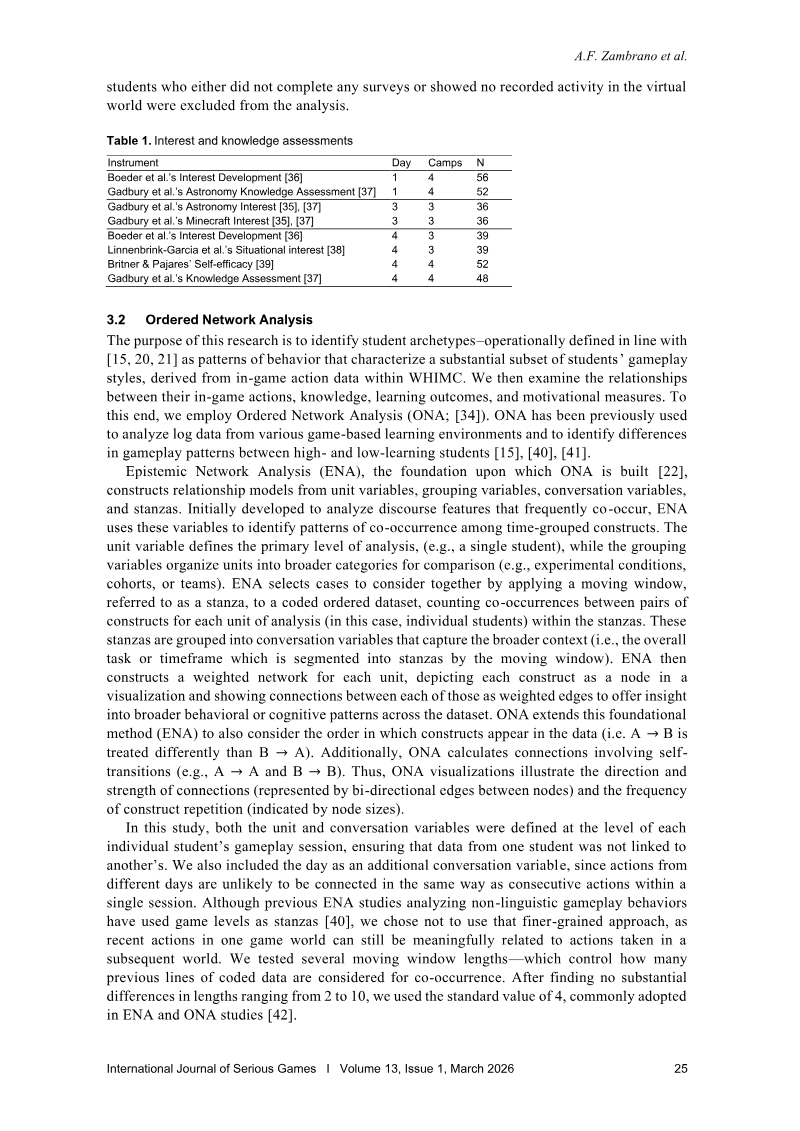
Exploring Player Archetypes in a Minecraft-Based Learning Environment
Serious Games Society · 2026
Whitepaper
Operationalizing the United Nations' Sustainable Development Goals: A Game Jam Experience
Serious Games Society · 2026



Whitepaper
Leaderboards or Badges in Two Gamified Forums: Motivational and Engagement Differences
International Journal of Serious Games · 2026
Whitepaper
The Games and Education Iceberg: Going Beyond the Surface to Deeper Learning
Ludic Language Pedagogy · 2025
Whitepaper
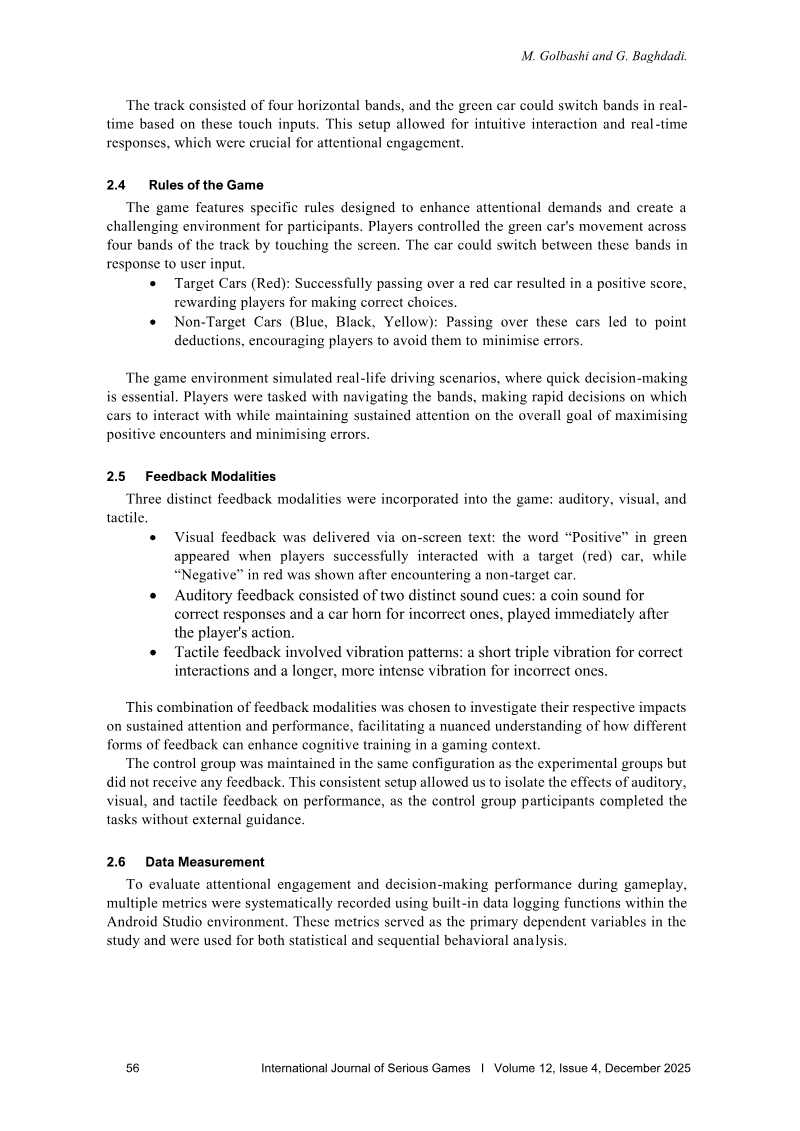
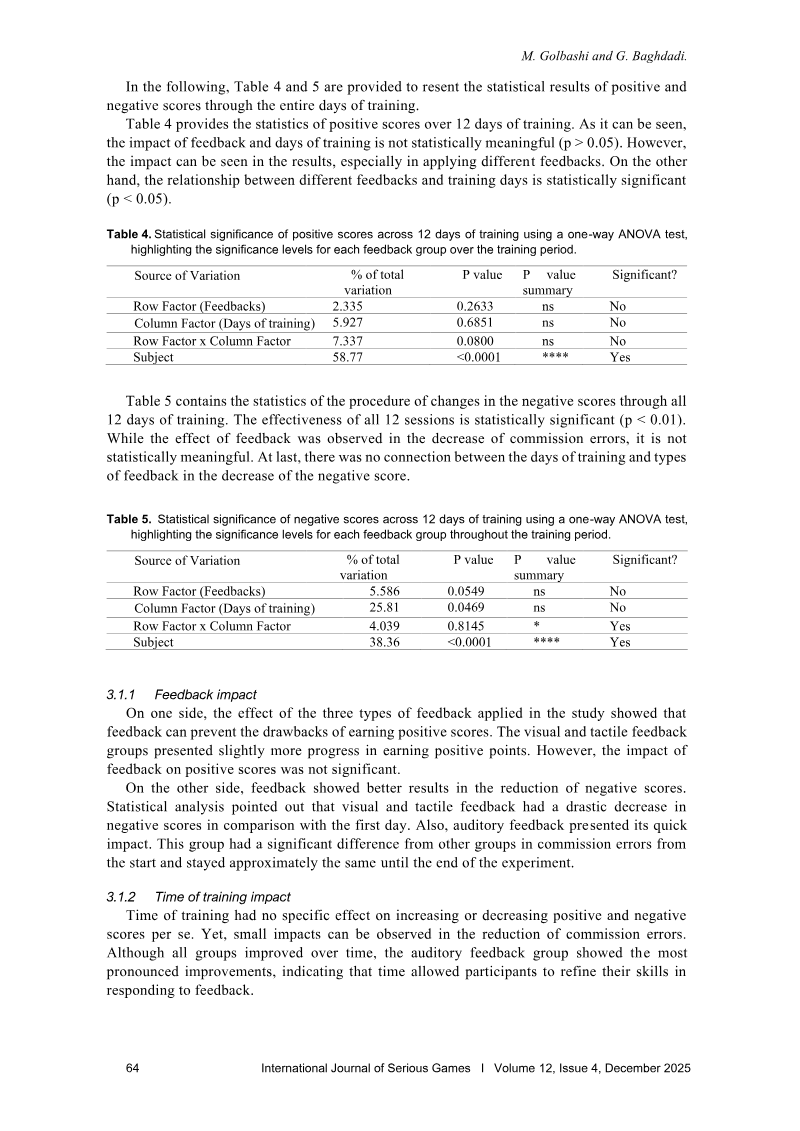
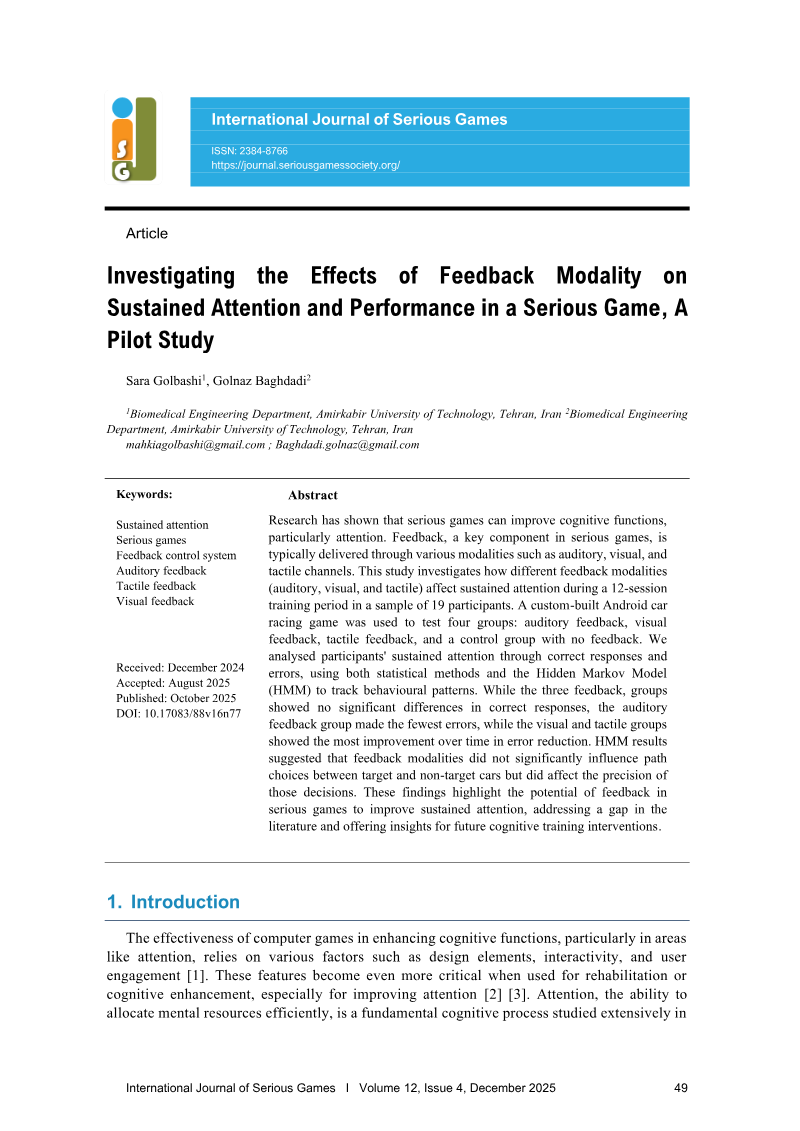
Investigating the Effects of Feedback Modality on Sustained Attention and Performance in a Serious Game: A Pilot Study
Serious Games Society · 2025
Whitepaper
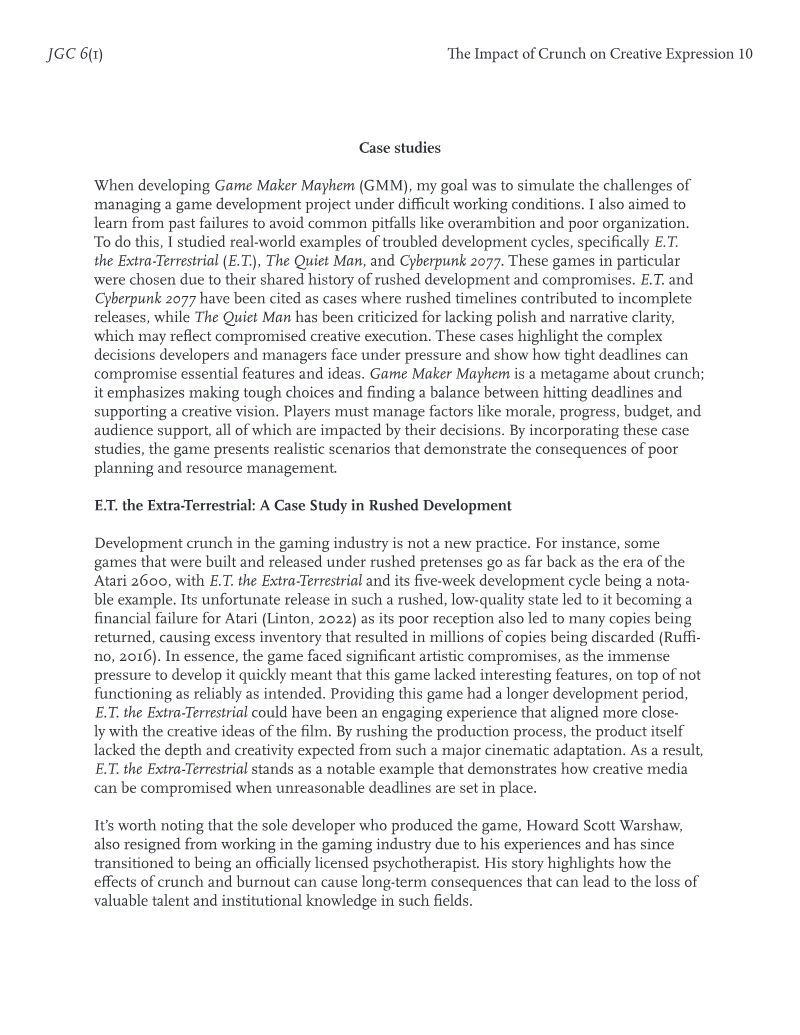
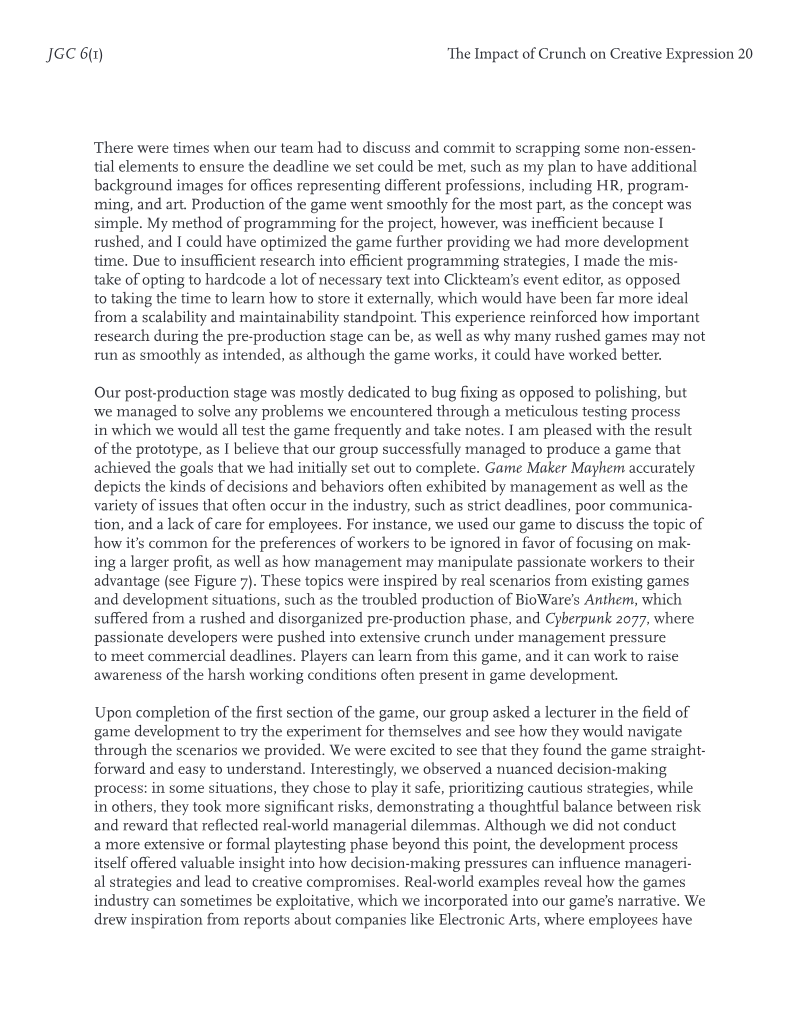
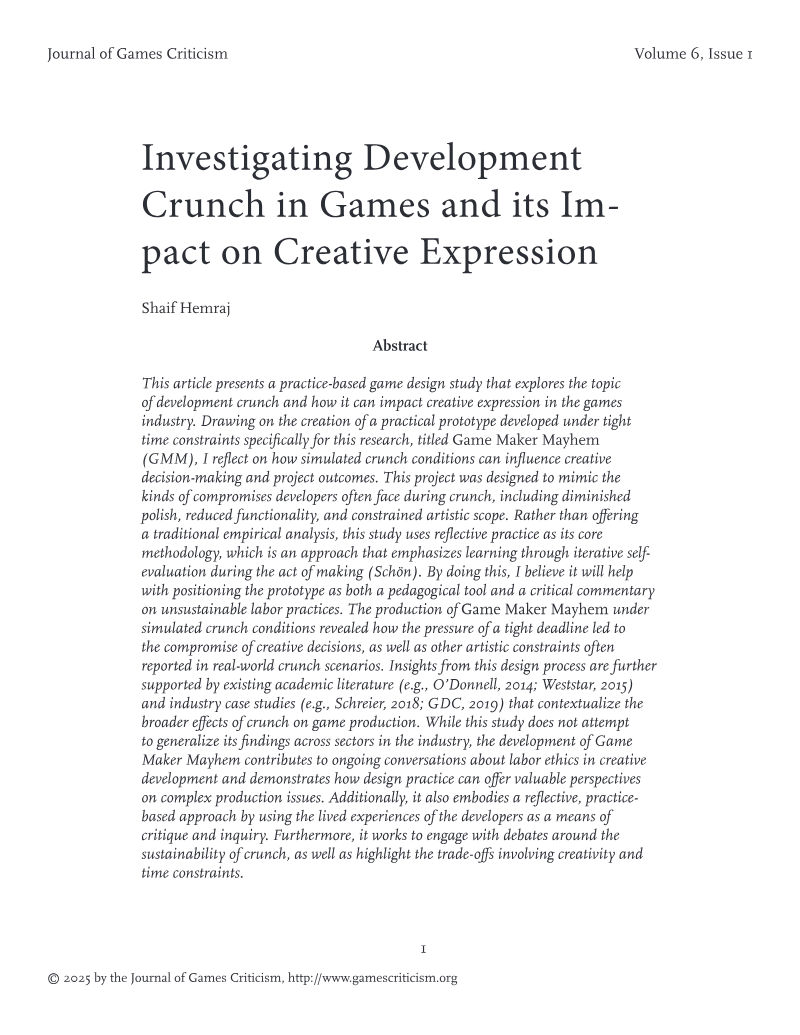
Investigating Development Crunch in Games and its Impact on Creative Expression
Journal of Games Criticism · 2025
Whitepaper
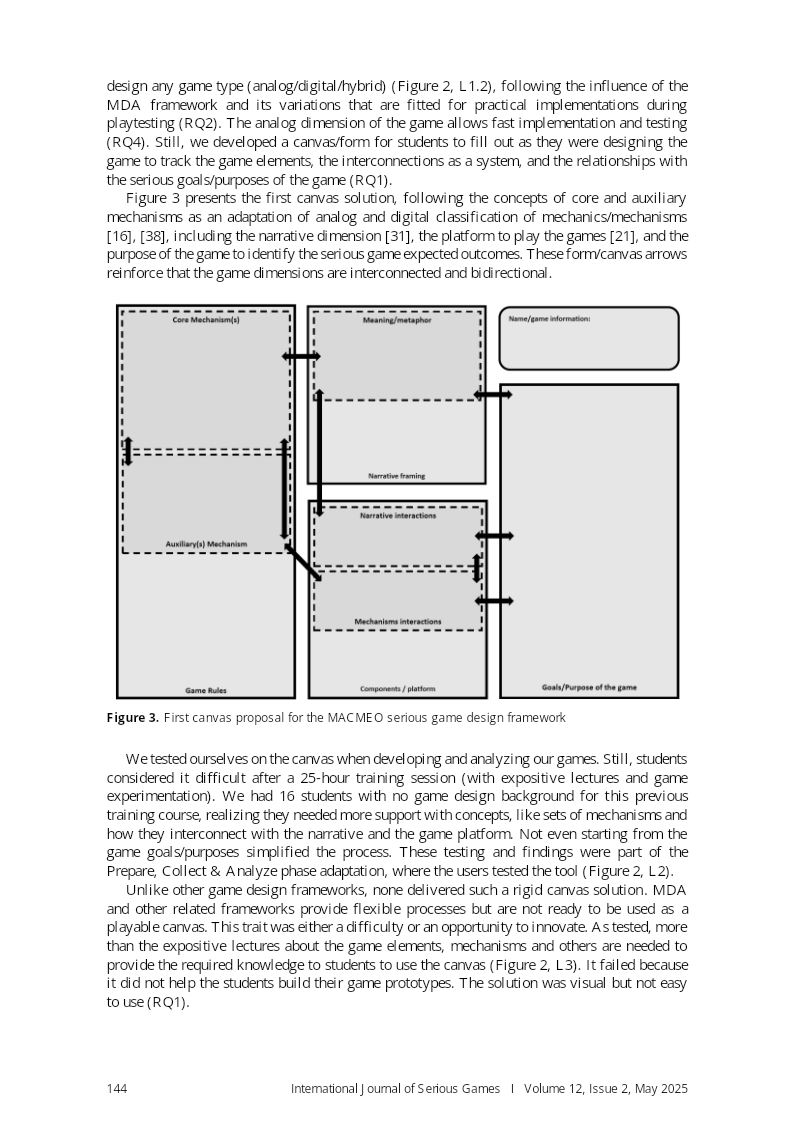
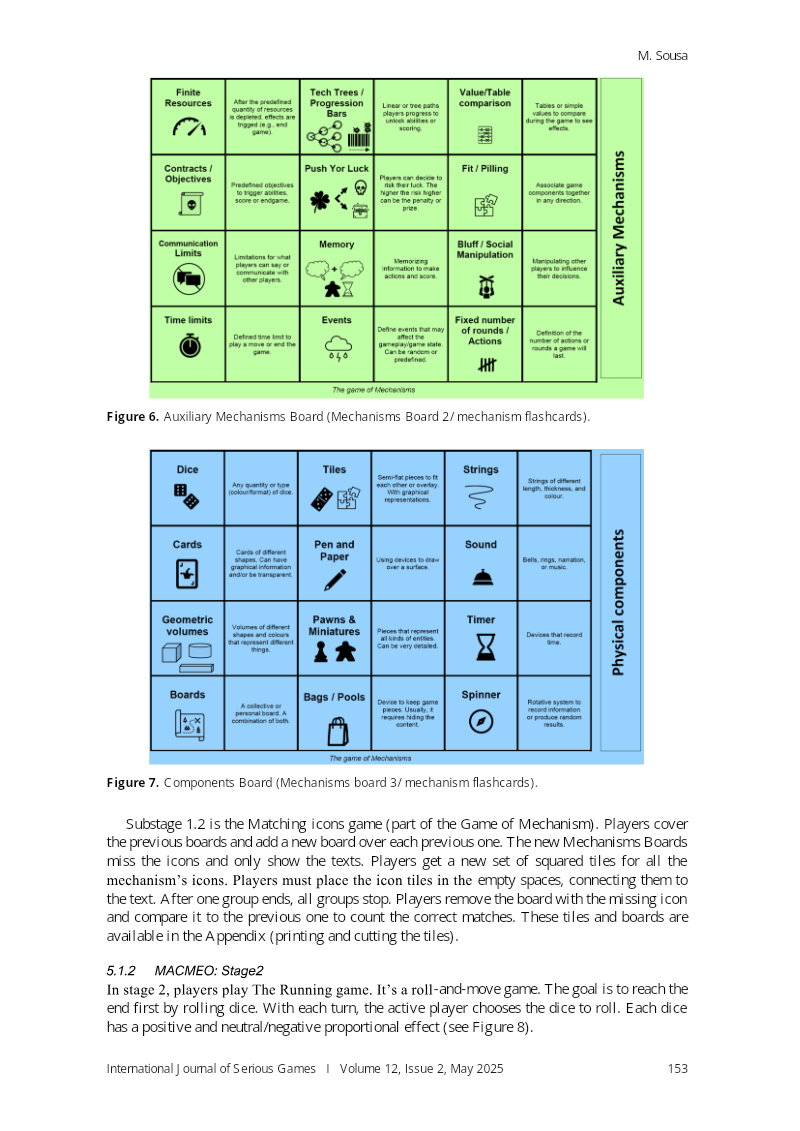
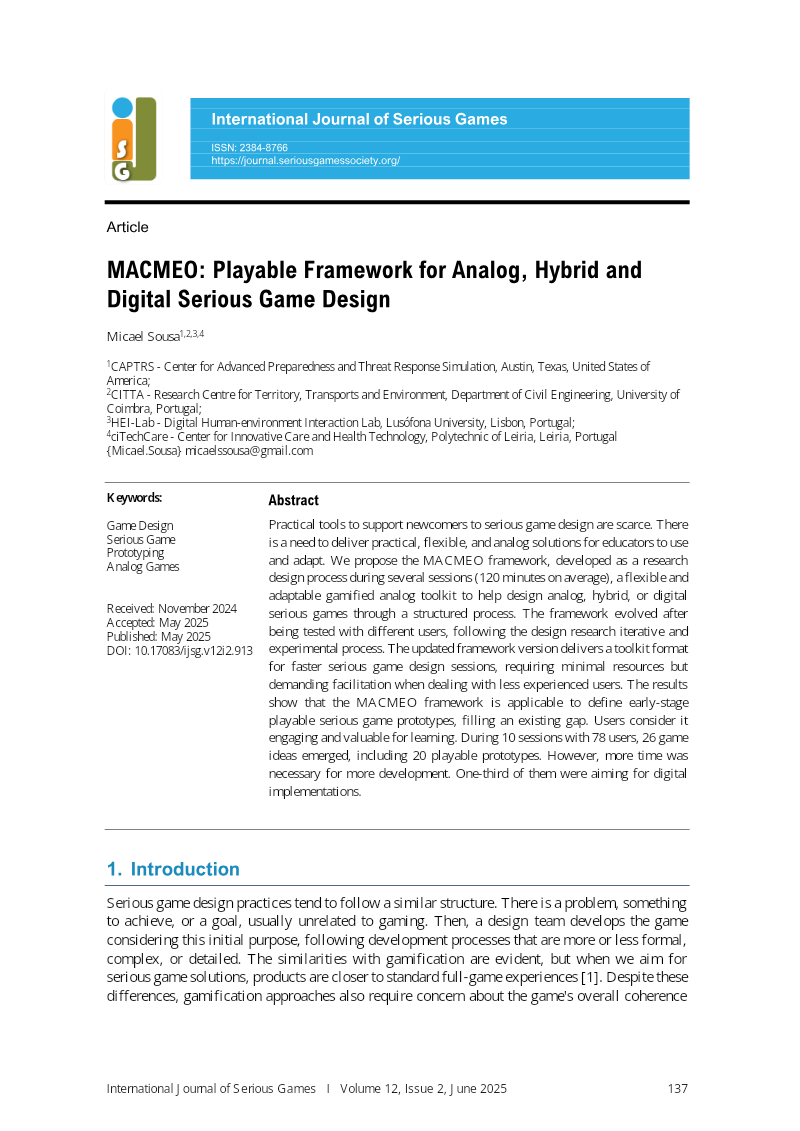
MACMEO: Playable Framework for Analog, Hybrid and Digital Serious Game Design
Serious Games Society · 2025
Whitepaper
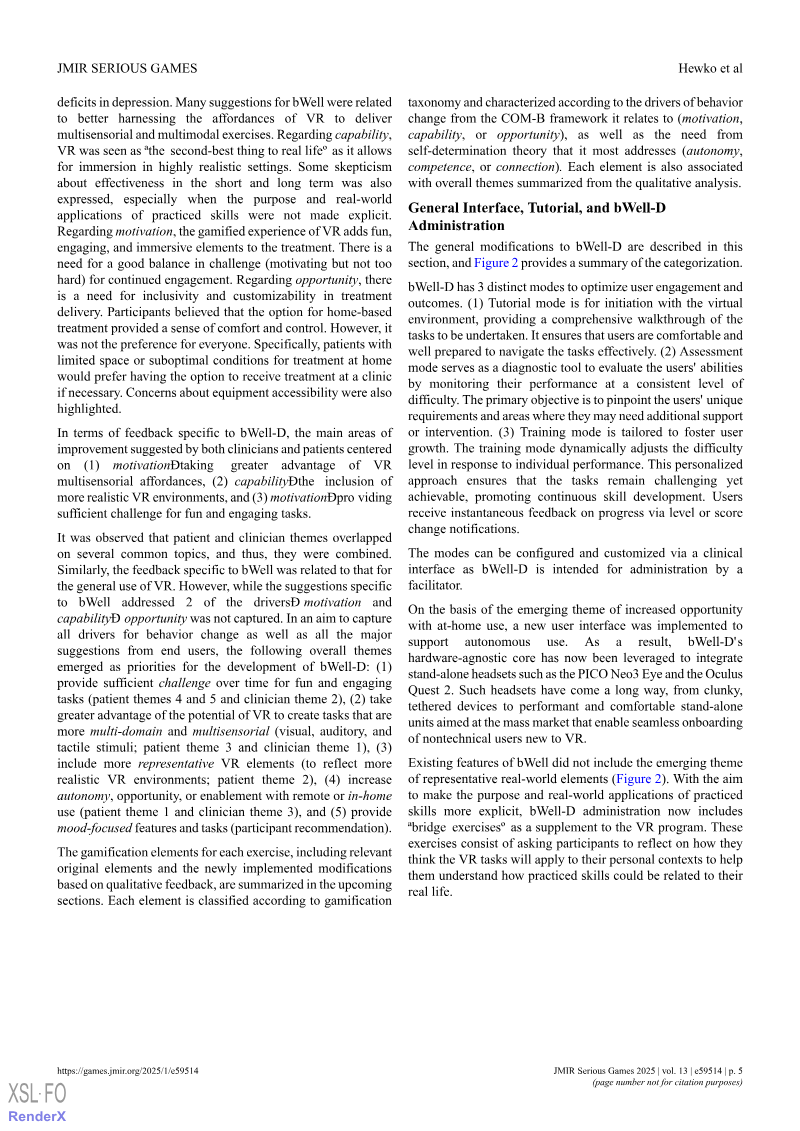
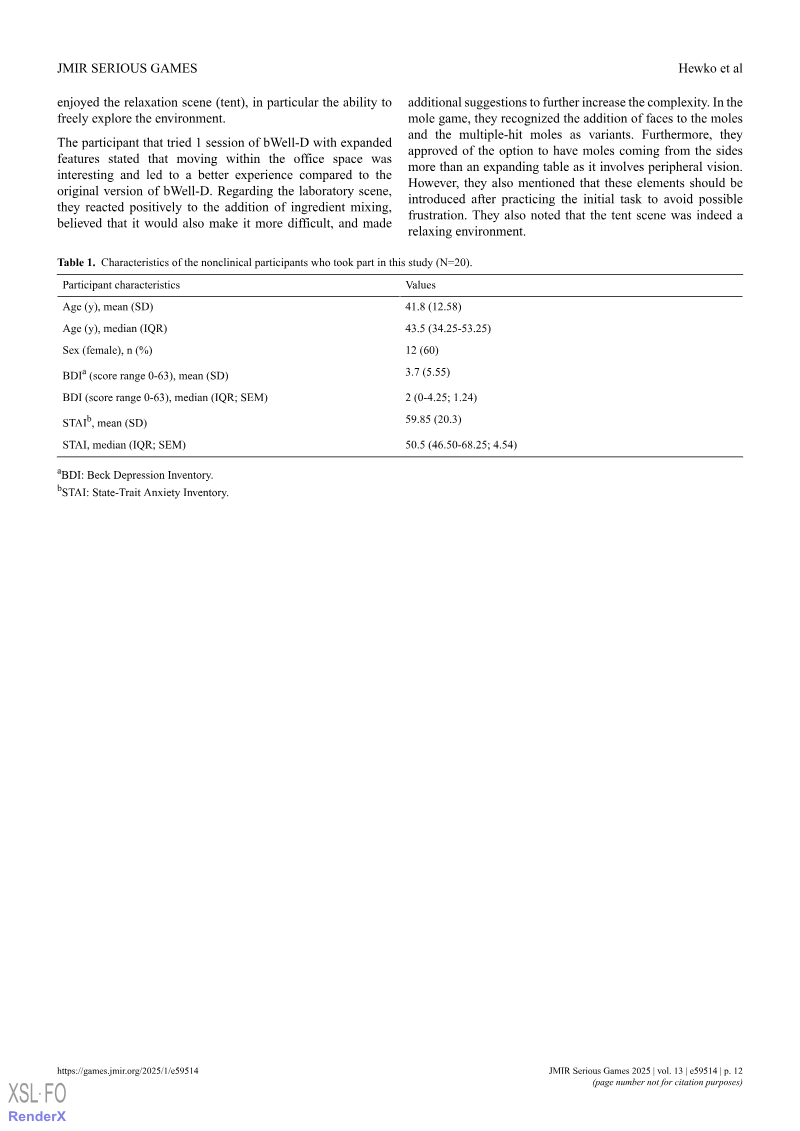
Considering Theory-Based Gamification in the Co-Design and Development of a VR Intervention
National Research Council Canada · 2025