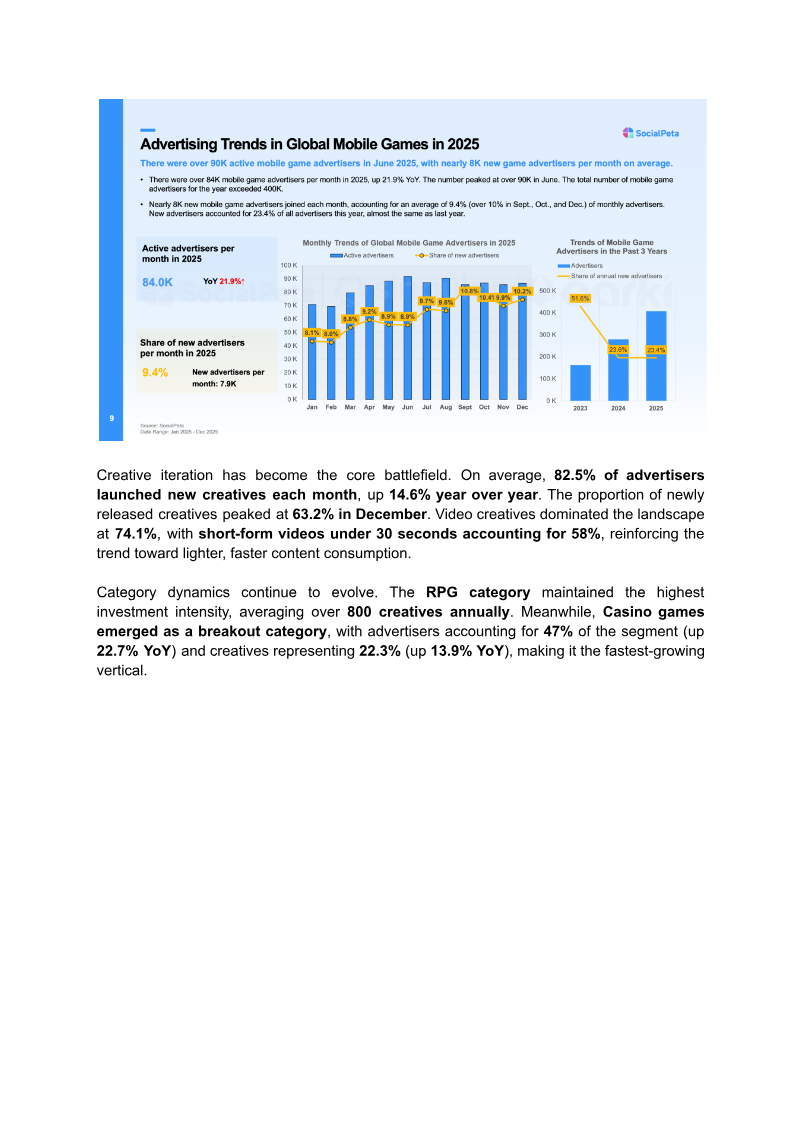
The global gaming industry is undergoing a fundamental transformation as it shifts from a production-constrained environment to one defined by marketing excellence and data-driven precision. With the total market projected to reach $197 billion in 2025, success is increasingly contingent upon the ability to navigate a saturated landscape where player attention is the most valuable currency. As mobile user acquisition spending hits $25 billion, the industry is moving toward a fluid, cross-platform ecosystem where players transition seamlessly between mobile, PC, and console environments.
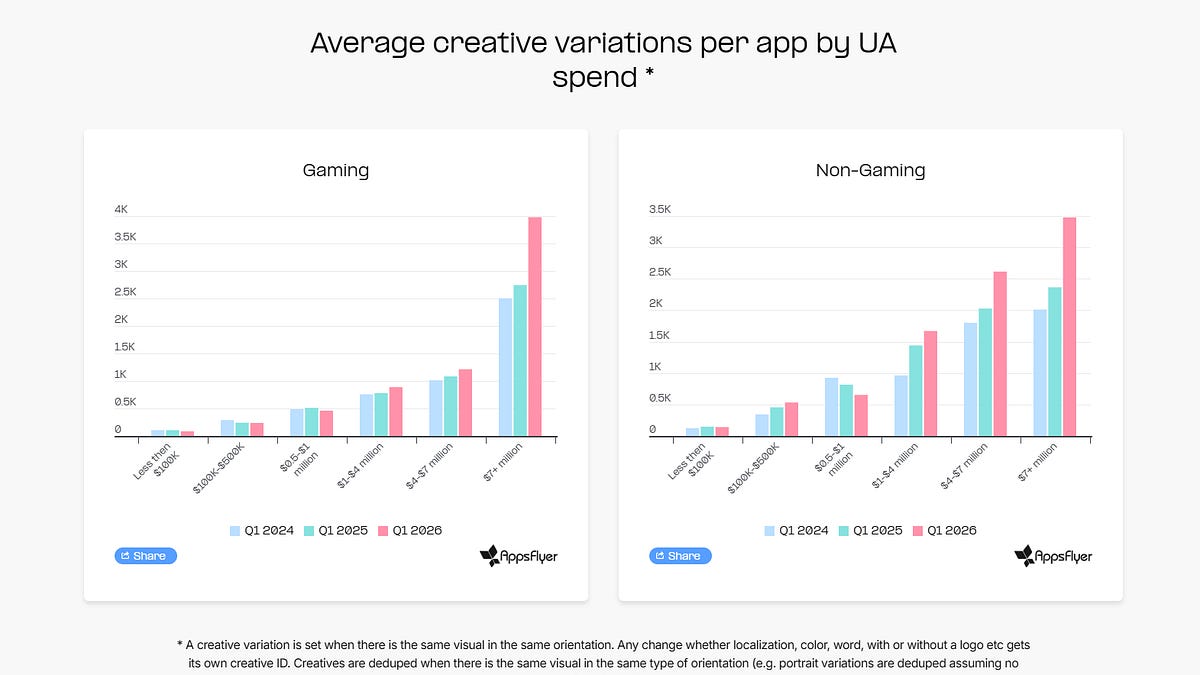
A primary driver of this evolution is the integration of artificial intelligence, which has enabled top-tier advertisers to produce over 2,400 creative variations per quarter to maintain competitive testing velocity. This surge in AI-driven production has contributed to a 20 percent increase in ad impressions and a 10 percent rise in paid install share. Simultaneously, the competitive landscape has shifted, with China-based publishers now accounting for 35 percent of total acquisition spend and budgets increasingly flowing toward emerging markets such as Turkey and India to capture untapped growth.
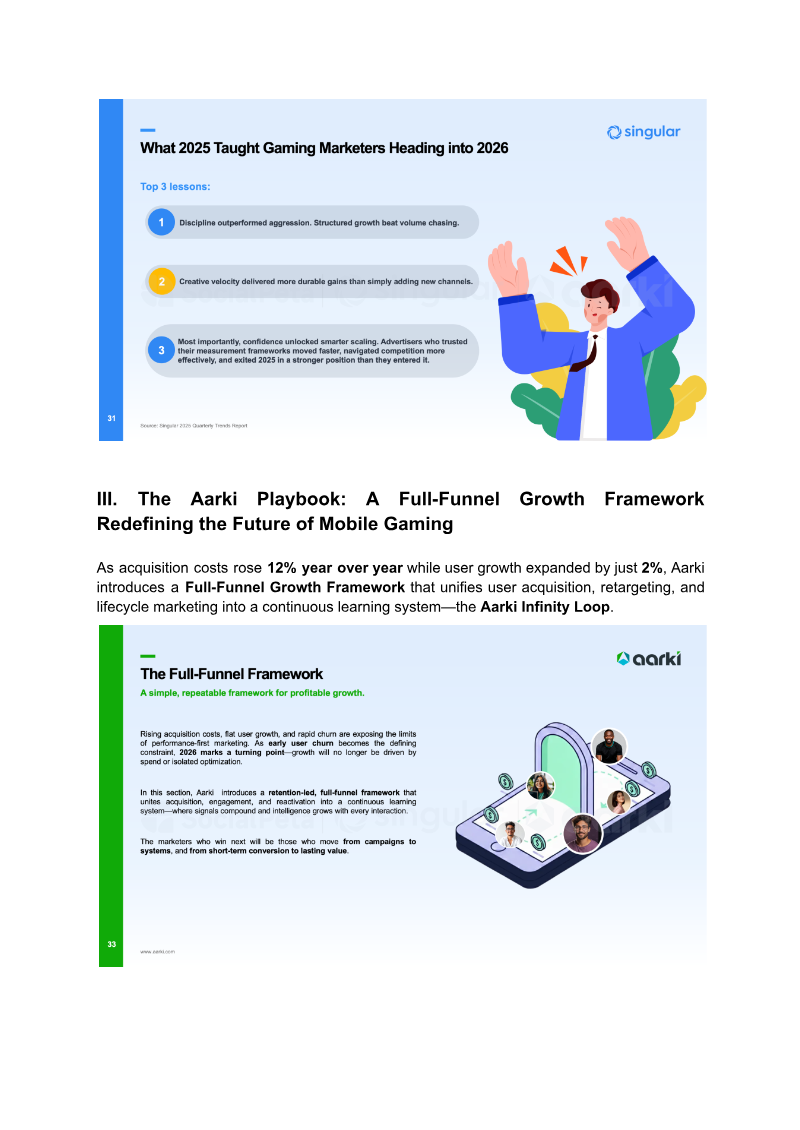
To remain viable in 2026, studios must move beyond fragmented, platform-siloed measurement and adopt a holistic, player-centric approach to engagement. Because discovery is increasingly occurring through social channels and creator-led communities rather than traditional storefronts, marketers must unify their data foundations to support AI-driven insights. By prioritizing long-term player trust and sustained visibility over isolated launch spikes, companies can better navigate the complexities of modern monetization and maintain a competitive edge in an increasingly crowded global market.