Loading the document
More from IFIP International Conference on Entertainment Computing (ICEC)
View all

Whitepaper
Seligman's PERMA Model in Video Games: The Positive Influence of Video Games on Well-Being
IFIP International Conference on Entertainment Computing (ICEC) · 2023

Whitepaper
Augmented Adventures: Using Different Perspectives to Design Novel Tabletop Game Experiences
Springer · 2023

Whitepaper
Through Troubled Waters: A Narrative Game for Anger Regulation
IFIP International Conference on Entertainment Computing (ICEC) · 2022
Whitepaper
Linkages Between Gameplay Preferences and Fondness for Game Music
IFIP International Conference on Entertainment Computing (ICEC) · 2021

Whitepaper
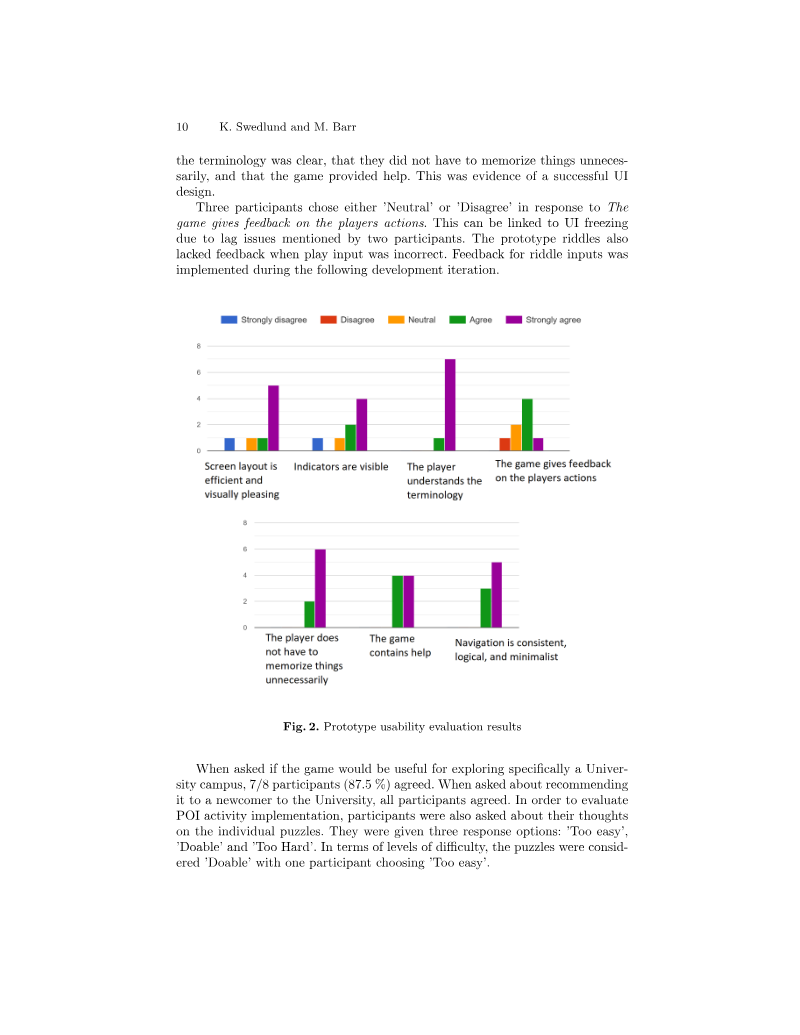
The Gilmorehill Mystery: A Location-based Game for Campus Exploration
University of Glasgow · 2021
Whitepaper
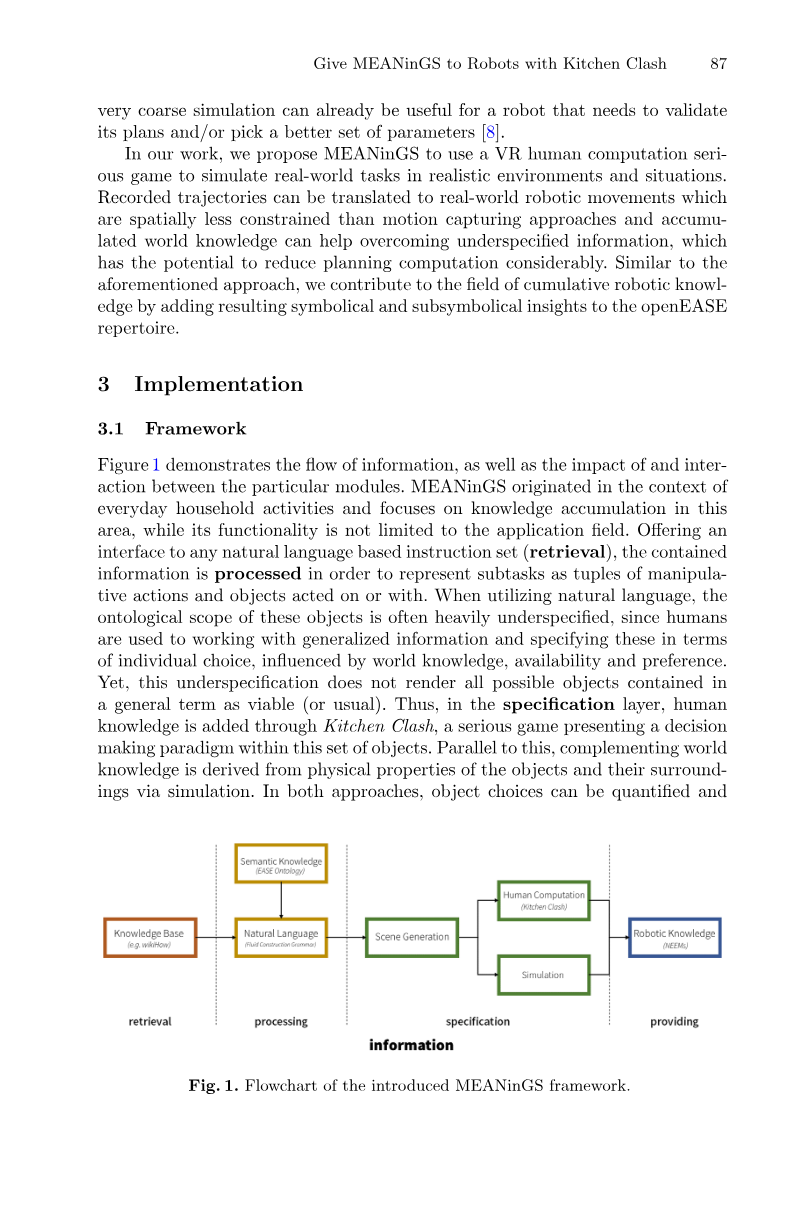
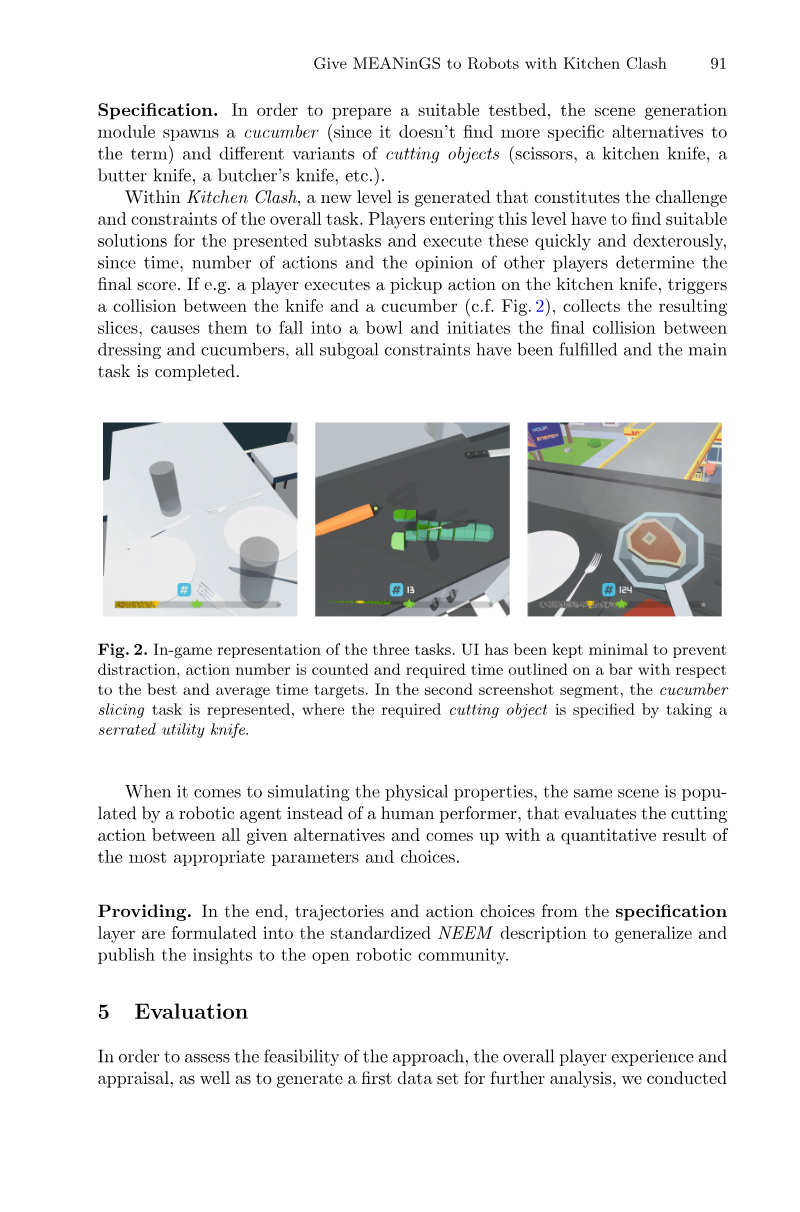
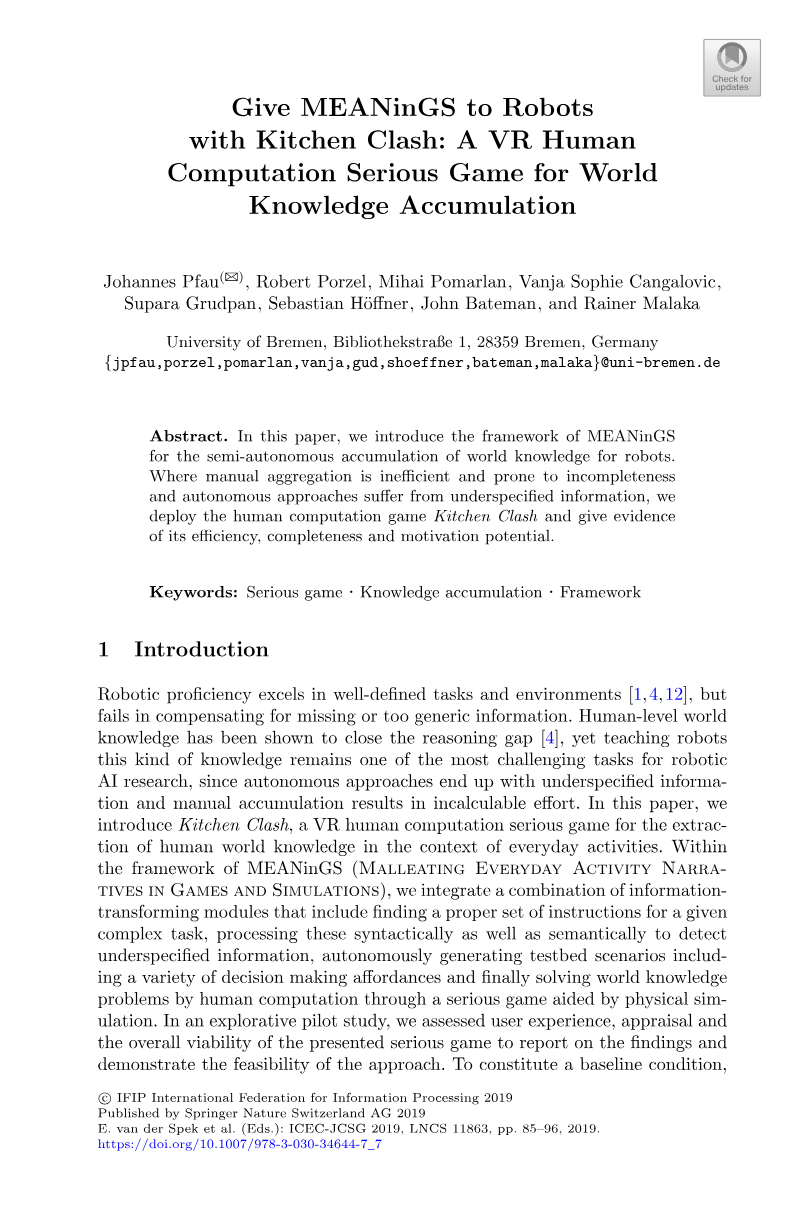
Give MEANinGS to Robots with Kitchen Clash: A VR Human Computation Serious Game
IFIP International Conference on Entertainment Computing (ICEC) · 2019
Whitepaper
Analysis of the Effect of Number of Players on the Excitement of the Game with Respect to Fairness
IFIP International Conference on Entertainment Computing (ICEC) · 2018
Whitepaper
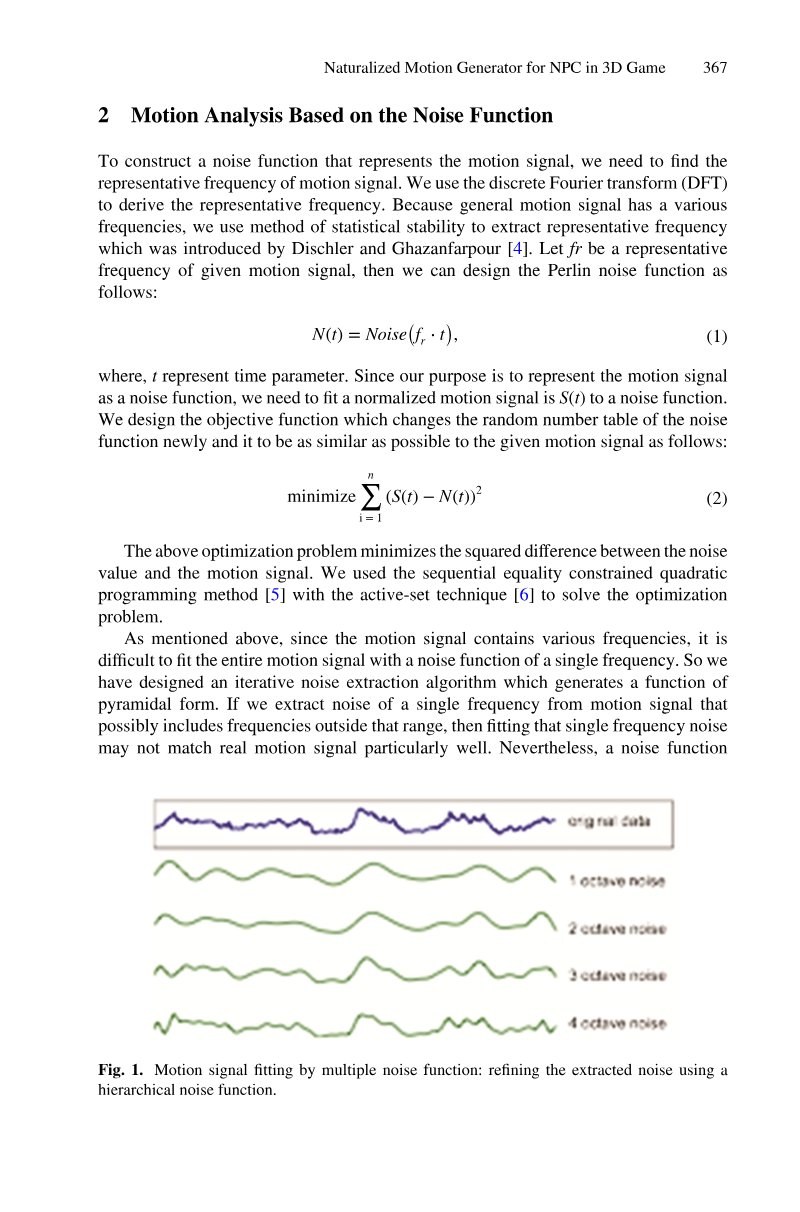
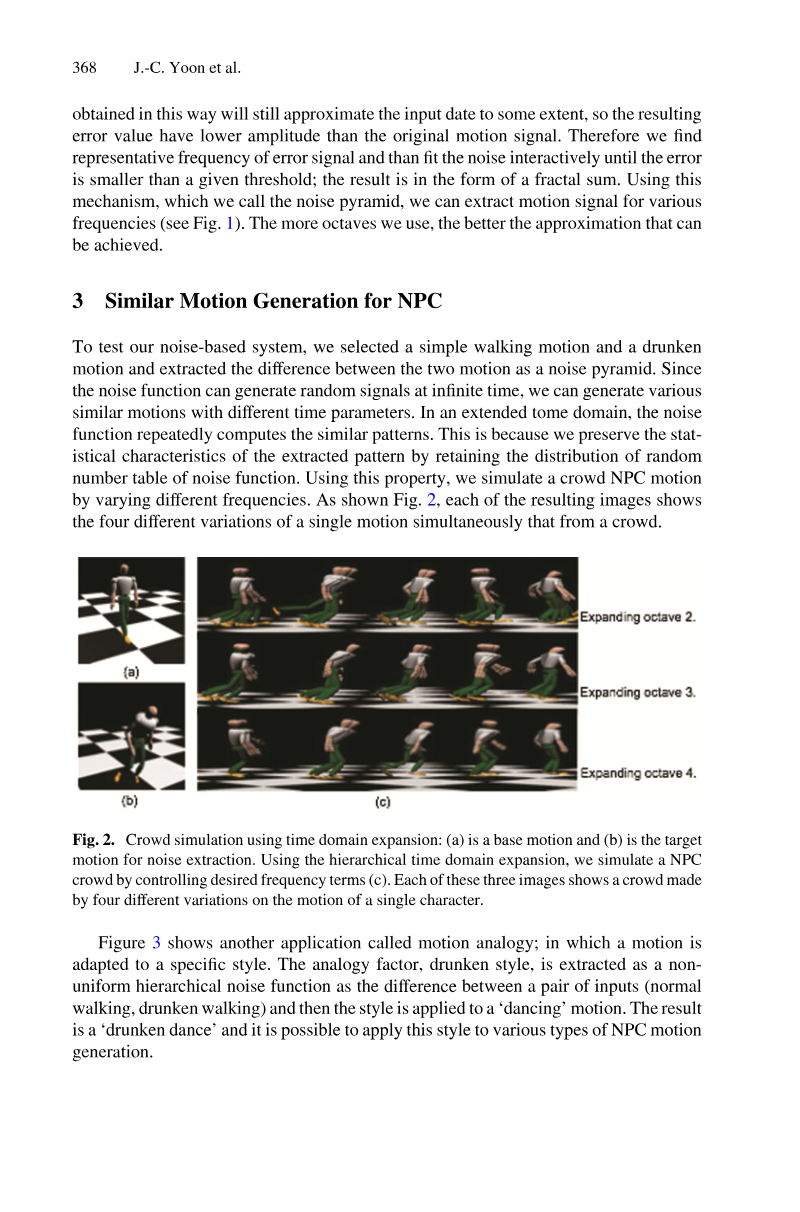
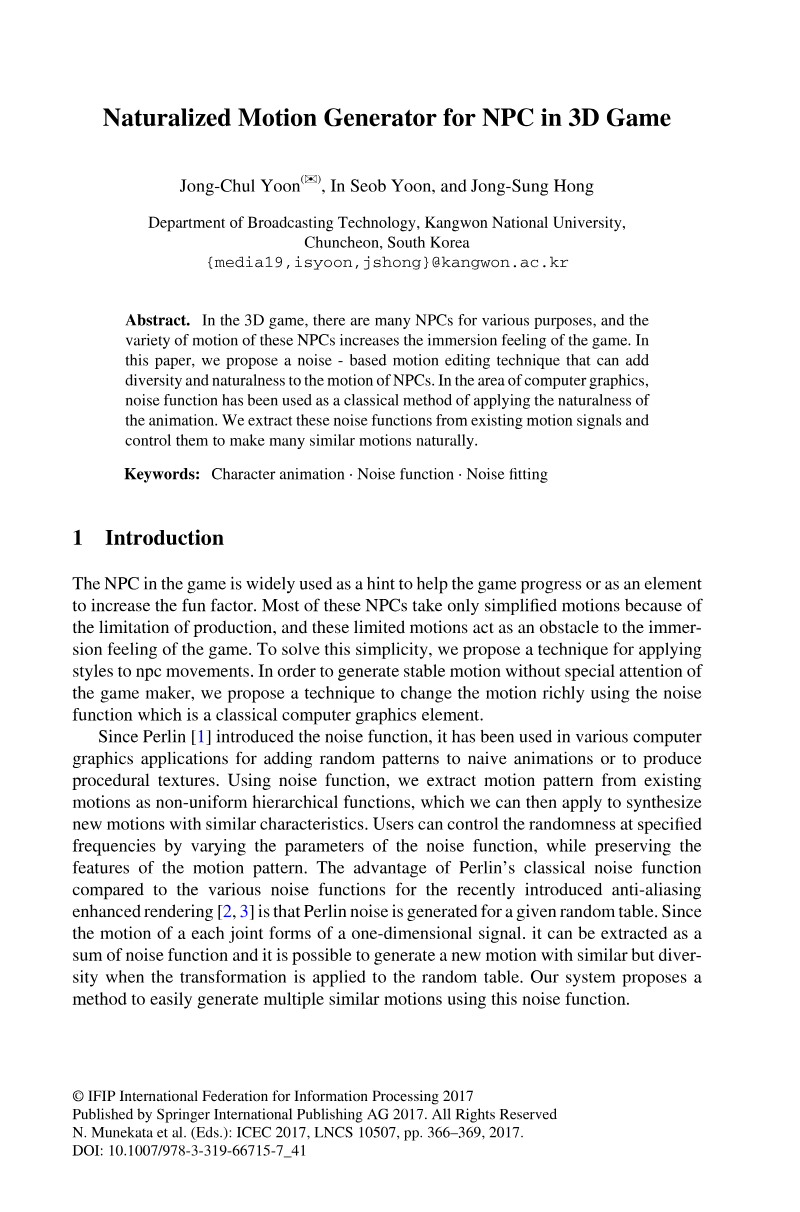
Naturalized Motion Generator for NPC in 3D Game
IFIP International Conference on Entertainment Computing (ICEC) · 2017

Whitepaper
Design and Evaluation of a Cybersecurity Awareness Training Game
IFIP International Conference on Entertainment Computing (ICEC) · 2017
Whitepaper
A Brief History of Serious Games
IFIP International Conference on Entertainment Computing (ICEC) · 2016

Whitepaper
Towards a Framework for Gamification-Based Intervention Mapping in mHealth
University of Vienna · 2015

Whitepaper
Advanced Dynamic Scripting for Fighting Game AI
IFIP International Conference on Entertainment Computing (ICEC) · 2015