Games and companies in this document
Connections
Each row is a game or company this document names, each column a document, oldest first. A mark means that document names it. Select a row to see those documents.
More on AI
View all
Whitepaper
StoryVerse: Towards Co-authoring Dynamic Plot with LLM-based Character Simulation via Narrative Planning
Autodesk Research · 2024
Whitepaper
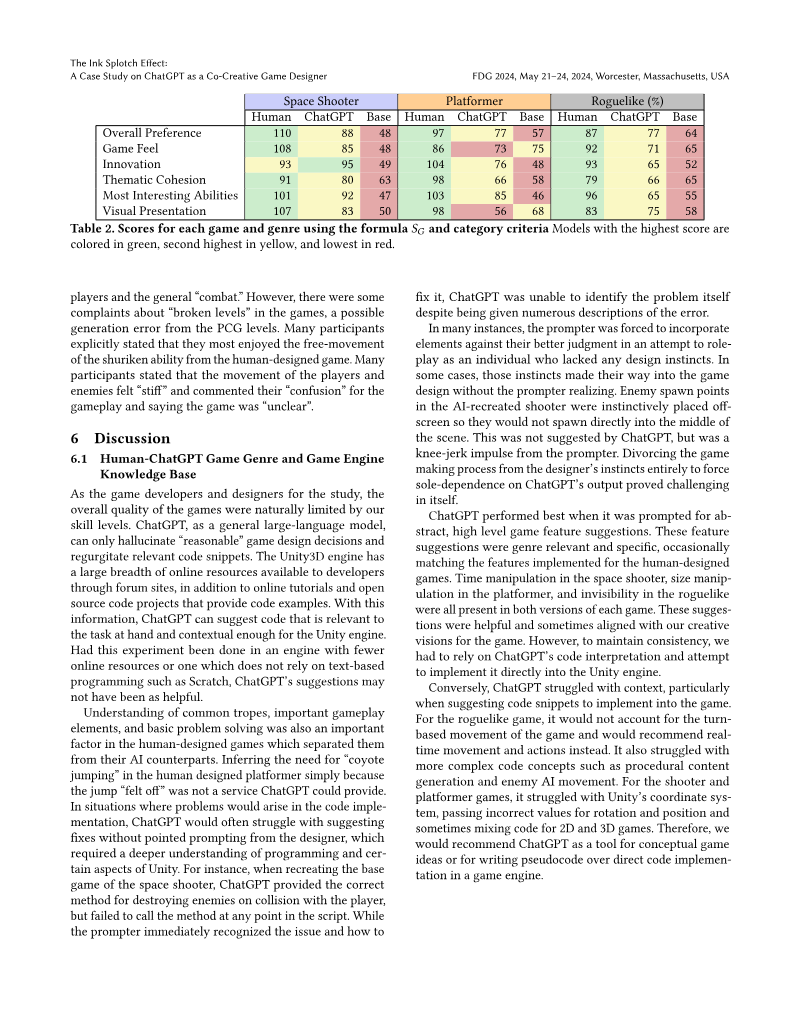
The Ink Splotch Effect: A Case Study on ChatGPT as a Co-Creative Game Designer
New York University · 2024
Whitepaper
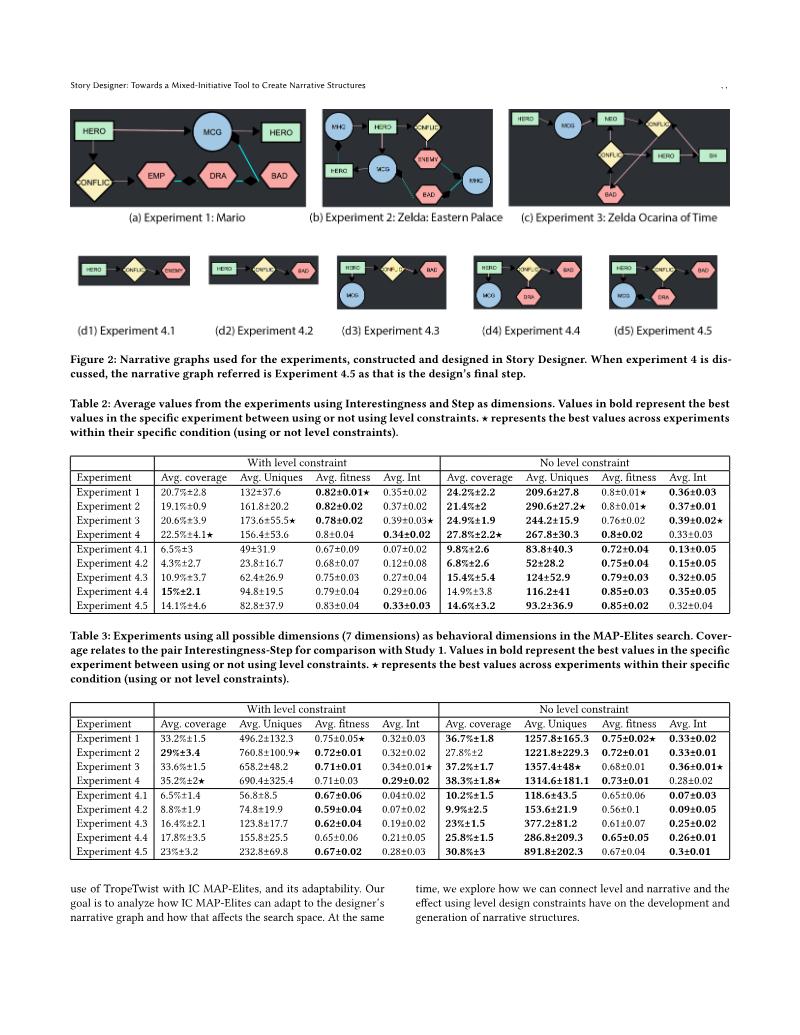
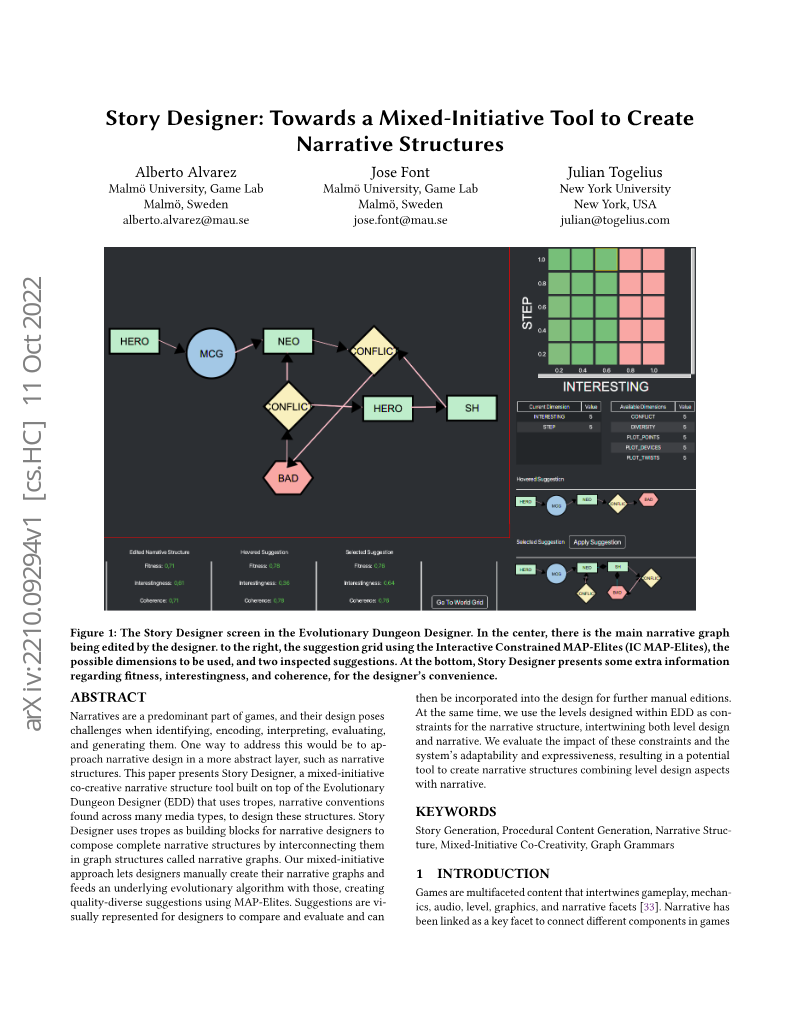
Story Designer: Towards a Mixed-Initiative Tool to Create Narrative Structures
Malmö University · 2022

Naavik
What Happens When AI Becomes Your Gaming Teammate
Naavik · 2026

Thomas Brush
The One Thing AI Can't Put In Your Game
Thomas Brush · 2026

PocketGamer.biz
Block Blast Hit 300M Players — And Kills 95% of Ideas
PocketGamer.biz · 2026
Jason Schreier
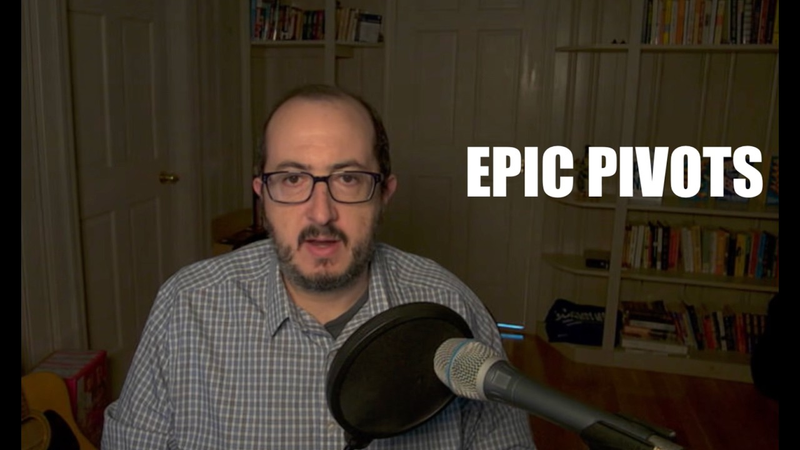
Epic Games Goes All In On AI For Disney Shooter
Jason Schreier · 2026



Whitepaper
AI-Assisted Scene Synthesis in the 3D Educational Game Authoring Tool GameTULearn
European Conference on Games Based Learning (ECGBL) · 2026

Deconstructor of Fun
Inside NYT Games: Why They Don't Play by the Same Rules
Deconstructor of Fun · 2026
Whitepaper
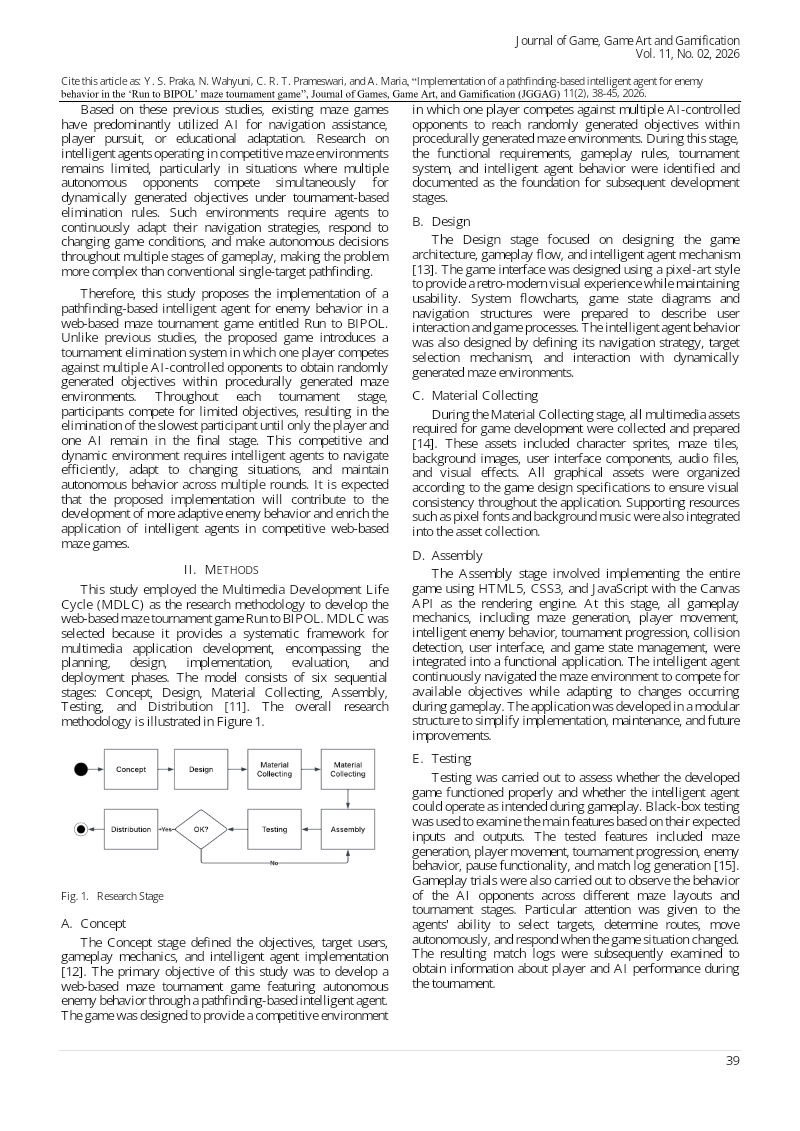
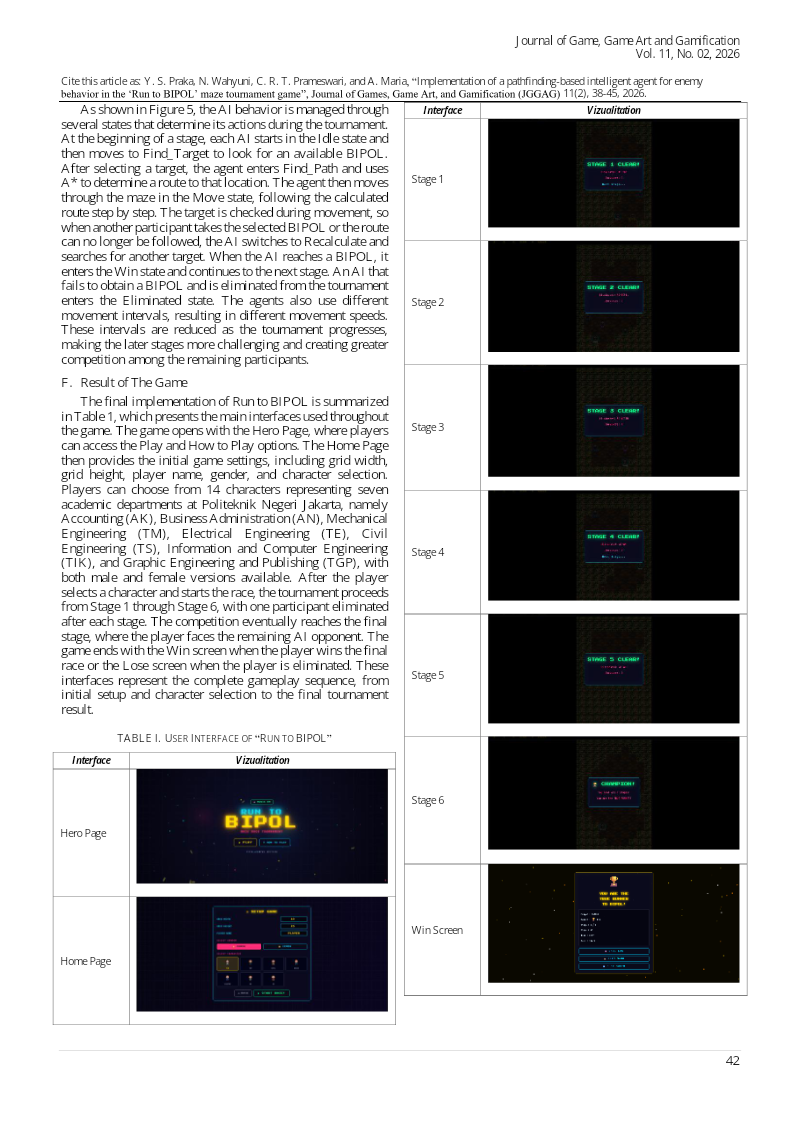
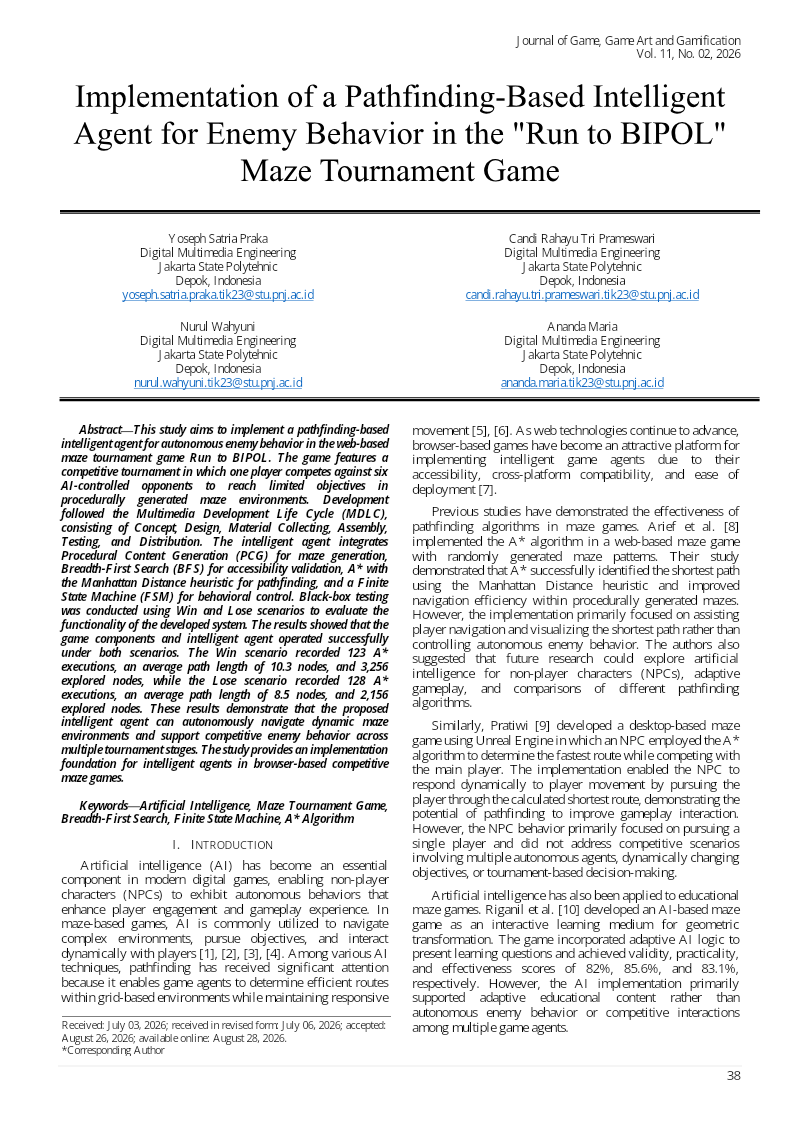
Implementation of a Pathfinding-Based Intelligent Agent for Enemy Behavior in the "Run to BIPOL" Maze Tournament Game
Journal of Games, Game Art, and Gamification · 2026

Deconstructor of Fun
Why the Best Founders Are Neither American nor European
Deconstructor of Fun · 2026
Whitepaper
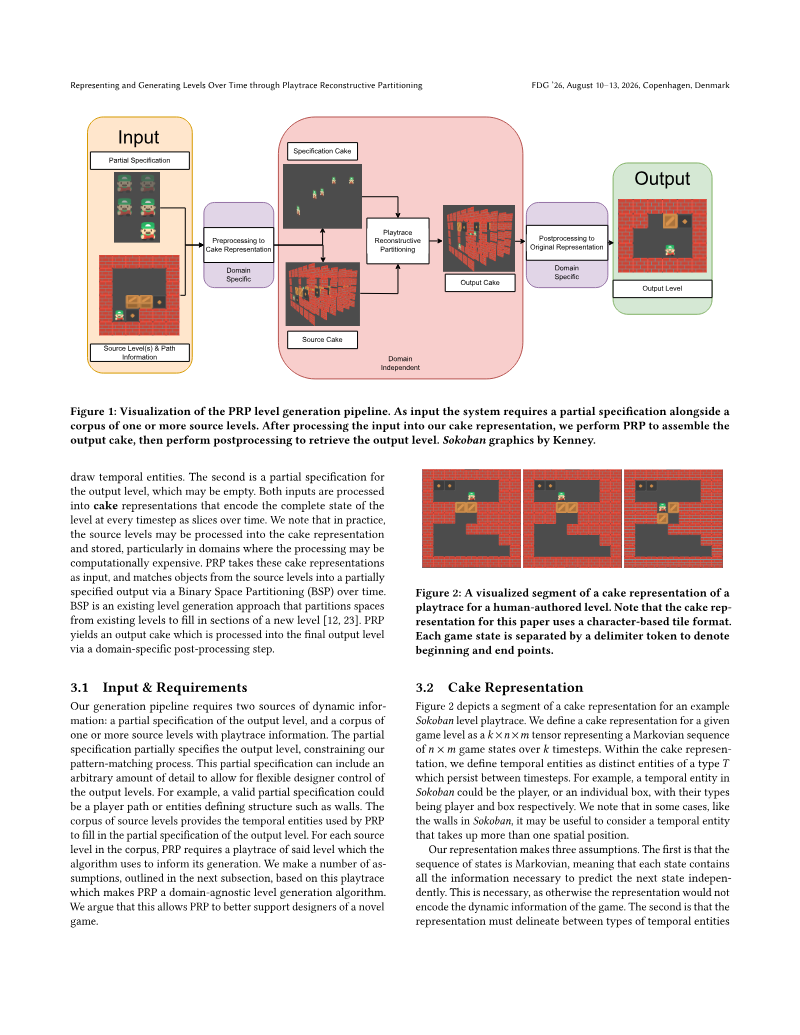
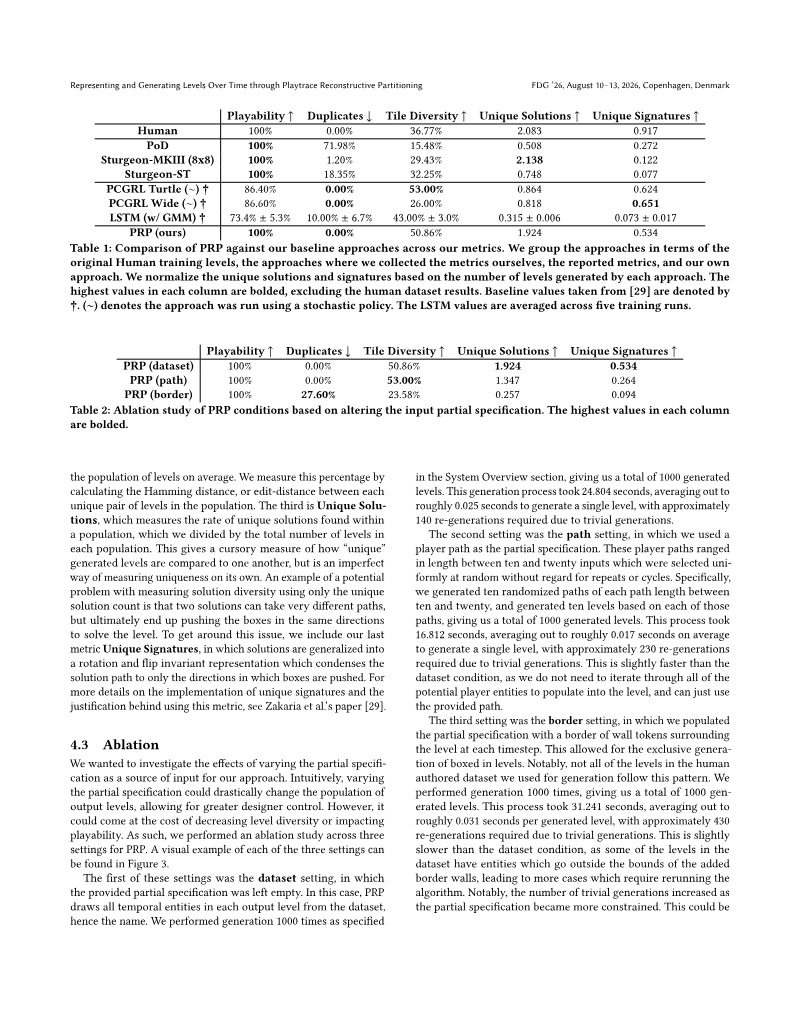
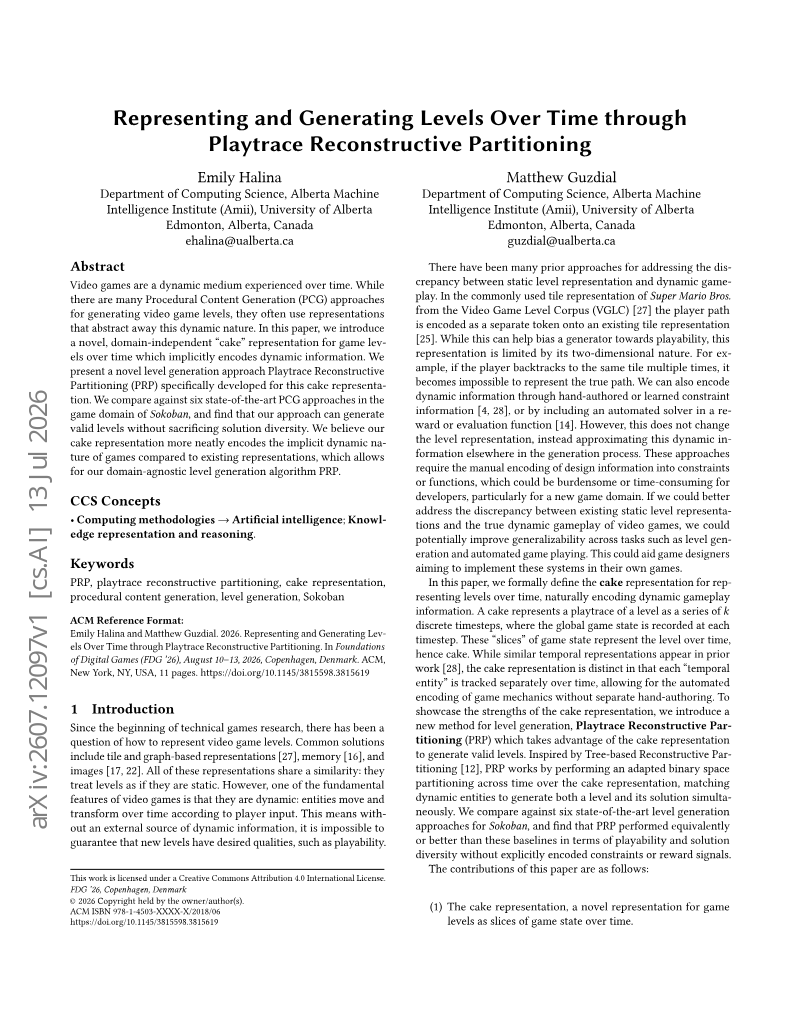
Representing and Generating Levels Over Time through Playtrace Reconstructive Partitioning
Alberta Machine Intelligence Institute · 2026