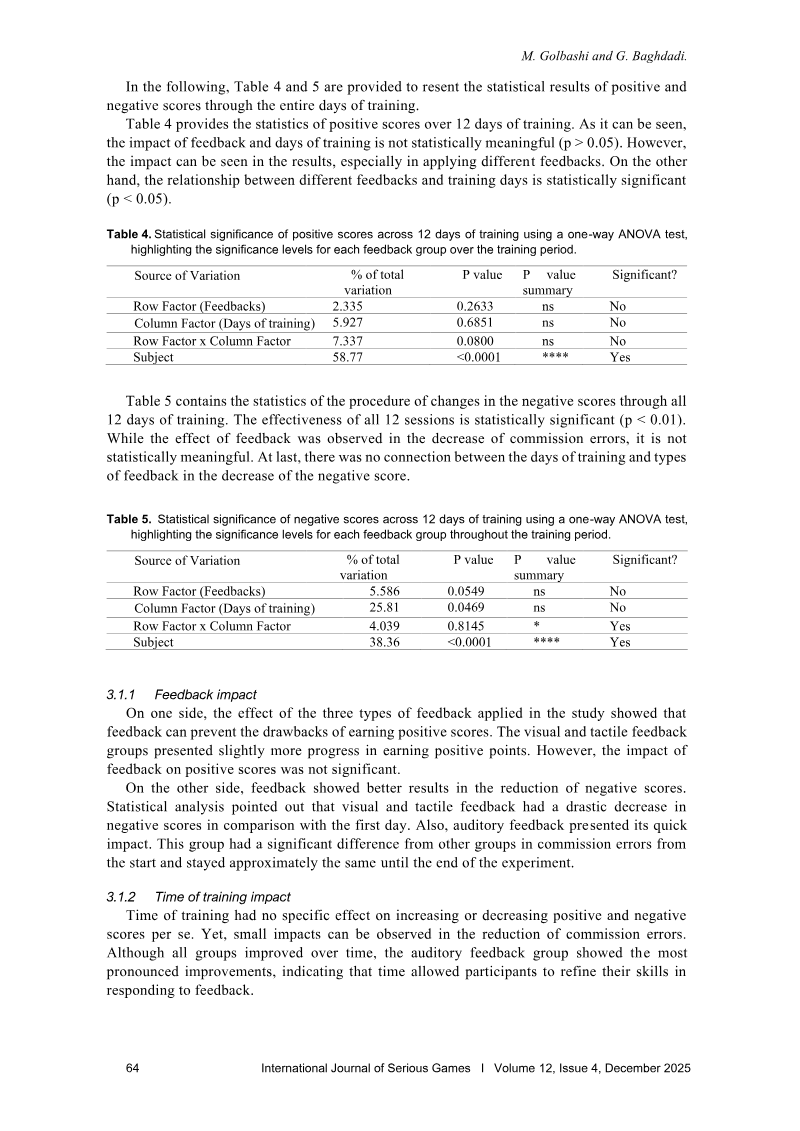
The development and optimization of EscapeCovid, a serious game designed to support university student mental health during the COVID-19 pandemic, demonstrates the efficacy of a co-creation approach in digital health interventions. By integrating the PRODUCES framework and involving a collaborative cohort of 45 healthcare students, researchers successfully transformed an initial prototype into a clinically relevant educational tool. This process highlights that while interactive gamification is inherently engaging for digital native audiences, the inclusion of specific clinical content regarding depression, anxiety, and stress is essential for achieving meaningful educational outcomes.
The final iteration of the game reflects a significant shift toward user-centered design, incorporating improved character relatability and structured debriefing sessions to bridge the gap between entertainment and mental health literacy. These refinements were critical in addressing the initial disconnect between the game’s narrative and the lived experiences of the target demographic. By prioritizing end-user feedback throughout the development cycle, the project achieved higher levels of acceptability and engagement than the original version, proving that collaborative design is a vital strategy for tailoring health education to specific student needs.
While the study provides a robust model for future gamified interventions, the findings are constrained by a relatively small, gender-skewed sample size and the potential for desirability bias stemming from participant incentives. Despite these limitations, the successful partnership between academic researchers and a commercial start-up underscores the viability of cross-sector collaboration in creating scalable, evidence-based digital tools. Ultimately, the project confirms that involving students in the design process is an effective method for enhancing the impact and resonance of mental health resources within higher education settings.