Loading the document
Key insights
6 slides
The solution
Breath-pressure sensors can transform therapy into an engaging digital experience.
Integrating breath-pressure sensors into interactive gameplay makes airway clearance therapy more engaging.
1 / 6
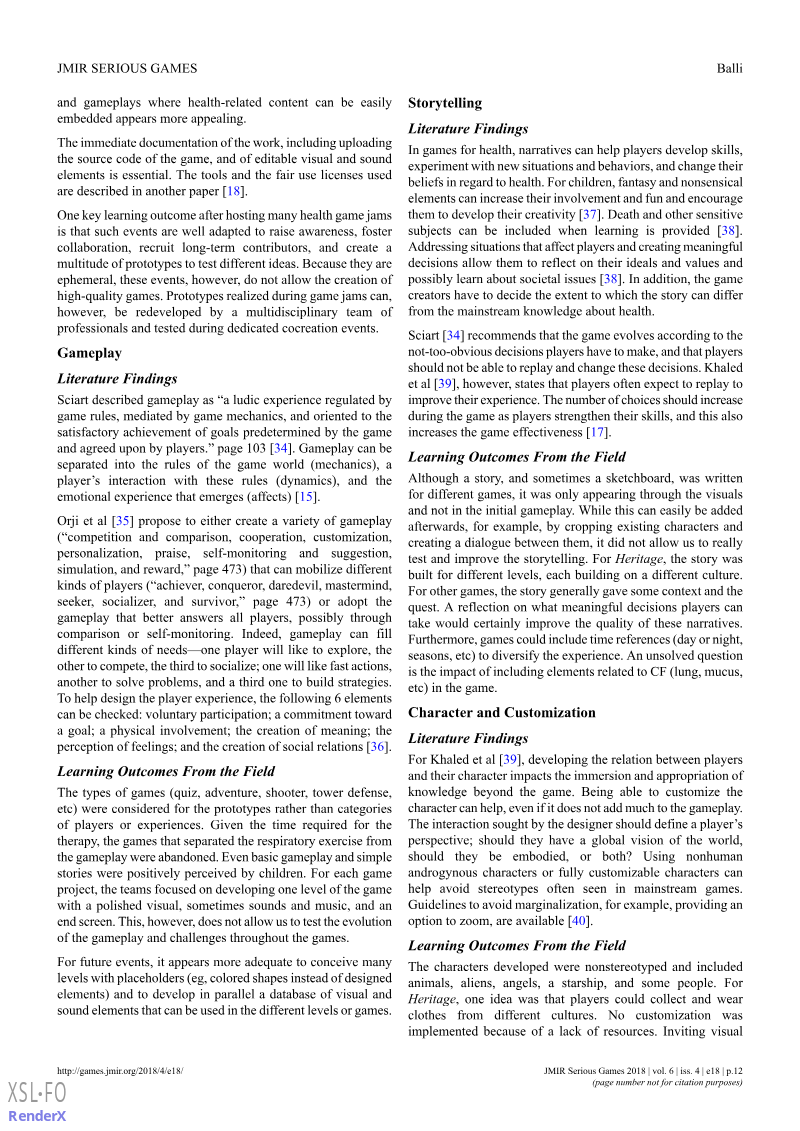
- 01Successful pediatric health interventions require a participatory design process that integrates multidisciplinary teams and direct collaboration with patients to balance clinical needs with user-centered mechanics.See it on page 15
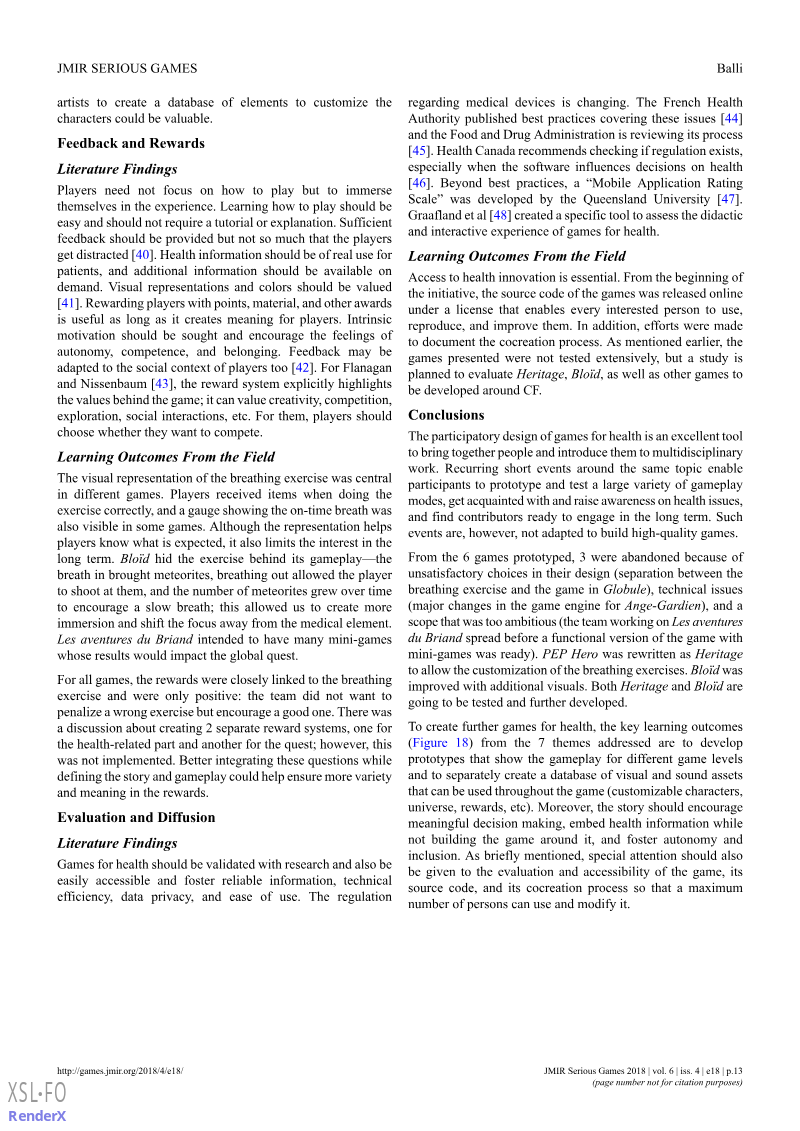
- 02Long-term engagement in gamified therapy is best achieved by prioritizing player autonomy and narrative integration rather than rigid, exercise-constrained mechanics.See it on page 13
- 03Rapid prototyping events like game jams are insufficient for creating sustainable medical tools, necessitating a shift toward iterative testing and the use of modular asset databases.See it on page 12
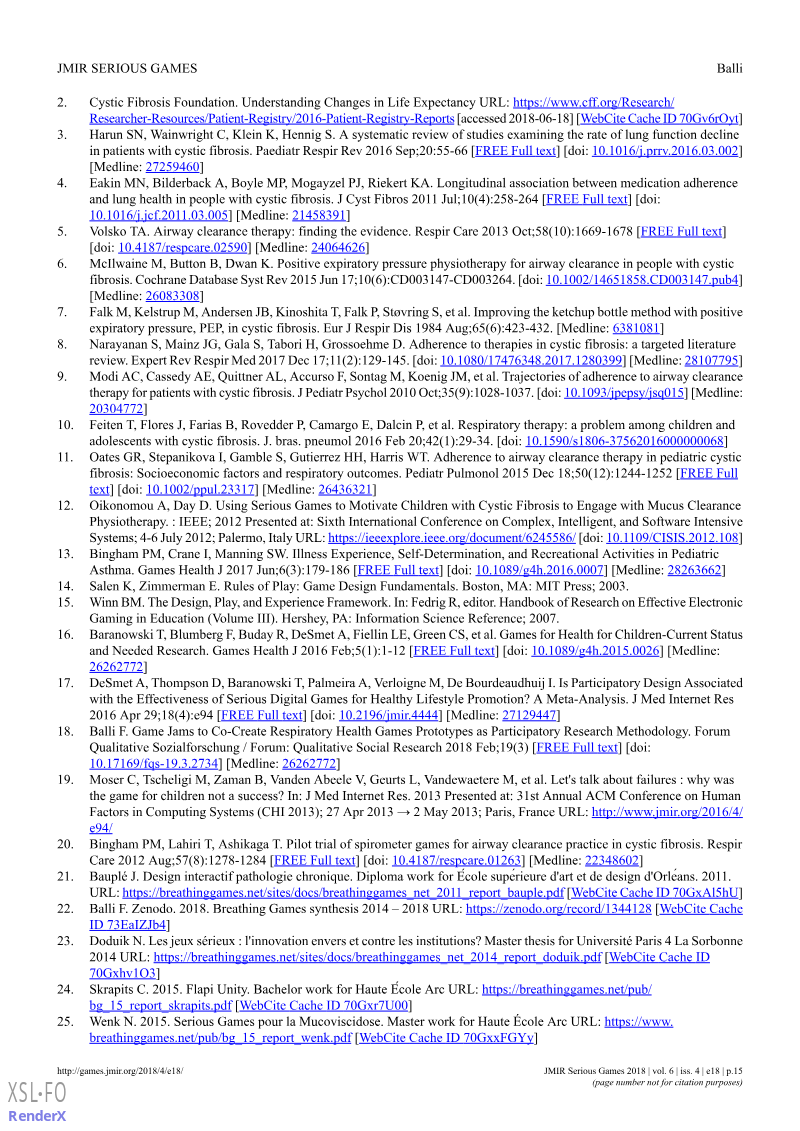
- 04Digital health solutions should utilize open-source development and open licensing to foster community-led improvements and ensure long-term scalability.See it on page 13
- 05Medical adherence in children is most effectively improved through intrinsic motivation derived from seamless narrative embedding, rather than forced compliance.See it on page 15
- 06The integration of breath-pressure sensors into interactive gameplay is a viable method for transforming repetitive airway clearance therapy into an engaging digital experience.See it on page 2
Ask AI about this report
Summary
The development of digital games for pediatric cystic fibrosis patients serves as a critical intervention to improve adherence to daily airway clearance therapy. By integrating breath-pressure sensors into interactive gameplay, this initiative seeks to transform a repetitive, physically demanding medical necessity into an engaging experience. The core thesis posits that participatory design, which involves multidisciplinary teams and direct collaboration with pediatric patients, is essential for creating health interventions that successfully balance clinical requirements with compelling, user-centered mechanics.
The research reveals that while children respond positively to gamified therapy, maintaining long-term engagement remains a significant hurdle. Early prototypes often suffered from overly rigid, exercise-constrained mechanics that hindered the overall experience. Consequently, the findings suggest a shift toward more flexible, immersive gameplay that prioritizes player autonomy and narrative integration. Furthermore, while rapid prototyping events like game jams are useful for initial concept generation, they are insufficient for producing high-quality, sustainable medical tools. Instead, the creation of effective digital health solutions requires iterative testing and the use of modular asset databases to ensure long-term viability.
To foster ongoing innovation, the project emphasizes the importance of open-source development, recommending that source code be released under open licenses to encourage community-led improvements. This approach, supported by a robust framework of existing literature on digital health regulations and design methodologies, provides a scalable model for future serious game development. Ultimately, the success of these interventions depends on embedding health content seamlessly within narratives that respect the user’s agency, ensuring that medical adherence is achieved through intrinsic motivation rather than forced compliance.