JMIR Publications
7 reports, presentations and talks by JMIR Publications in the Game Industry Library, the newest “Mobile Exergames to Reduce Sedentary Time in Patients With Heart Failure: What Do Health Care Professionals Expect?” (2025).
Documents
Mobile Exergames to Reduce Sedentary Time in Patients With Heart Failure: What Do Health Care Professionals Expect?
Mobile exergames represent a viable digital health intervention for mitigating sedentary behavior among patients diagnosed with heart failure.
- Health care professionals view mobile exergames as a motivational tool that can transform physical activity from a chore into an engaging, gamified experience for heart failure patients.
- Exergames are expected to function as a complementary intervention rather than a replacement for traditional cardiac rehabilitation or standard medical advice.
- Successful implementation of exergaming in clinical settings requires seamless integration into existing care pathways and personalization to meet individual patient exercise capacities.
The Rationale Behind the Design Decisions in an Augmented Reality Mobile eHealth Exergame
The development of Heart Farming, an augmented reality mobile exergame, addresses the critical need for personalized physical activity interventions among sedentary older adults diagnosed with heart failure.
- Heart Farming is an augmented reality (AR) mobile exergame designed to increase physical activity in older patients with heart failure, a demographic where daily movement can reduce hospitalization and mortality risk by 4%.
- The game utilizes AR technology to track real-world movement and translate it into in-game events, rather than using AR to augment the mobile user interface.
- To maintain player engagement, the game incorporates a daily reminder system at 12 PM for users who have not yet met their activity goals, aligning with the Fogg Behavior Model of motivation, ability, and triggers.
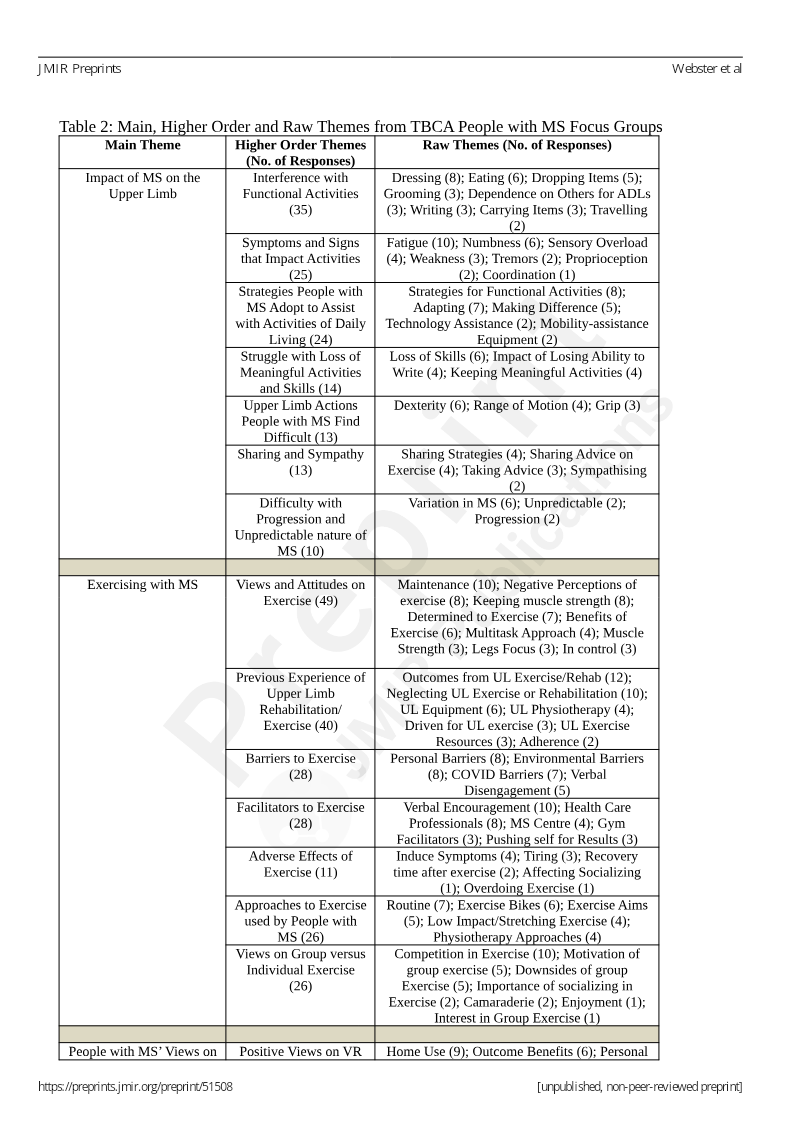
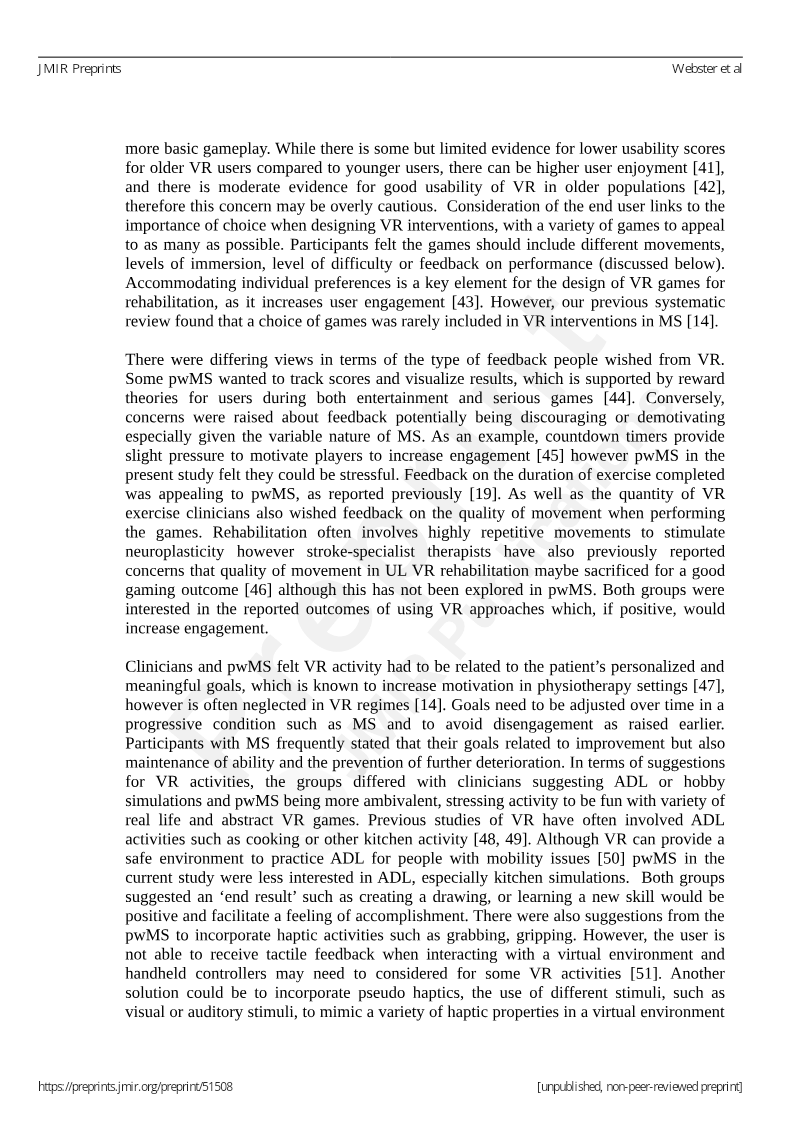
Upper Limb Impairment and the Potential Role of Virtual Reality in the Rehabilitation of the Upper Limb in Multiple Sclerosis: Views of Specialist Clinicians and People With MS
Upper limb impairment significantly impacts the quality of life for individuals with multiple sclerosis, yet current rehabilitation efforts are frequently hindered by patient disengagement and systemic service constraints.
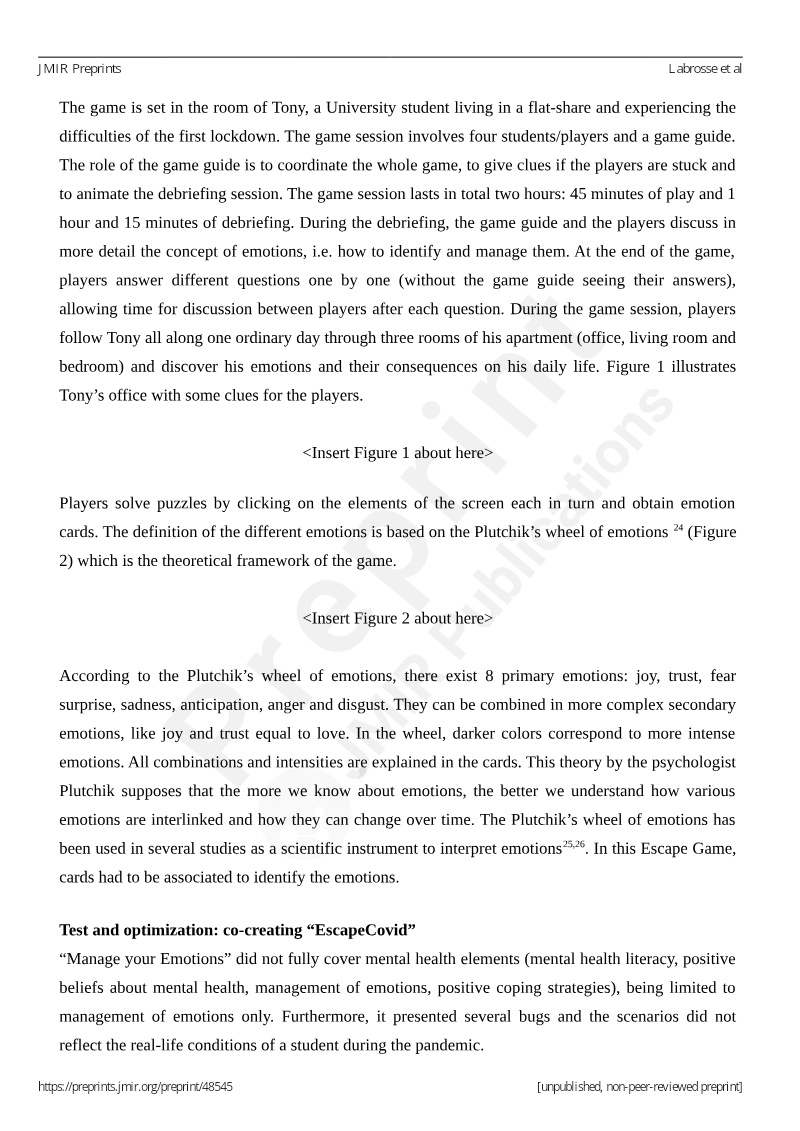

An Escape Game on University Student Mental Health During the COVID-19 Pandemic: A Co-Creation Approach
The development and optimization of EscapeCovid, a serious game designed to support university student mental health during the COVID-19 pandemic, demonstrates the efficacy of a co-creation approach in digital health interventions.
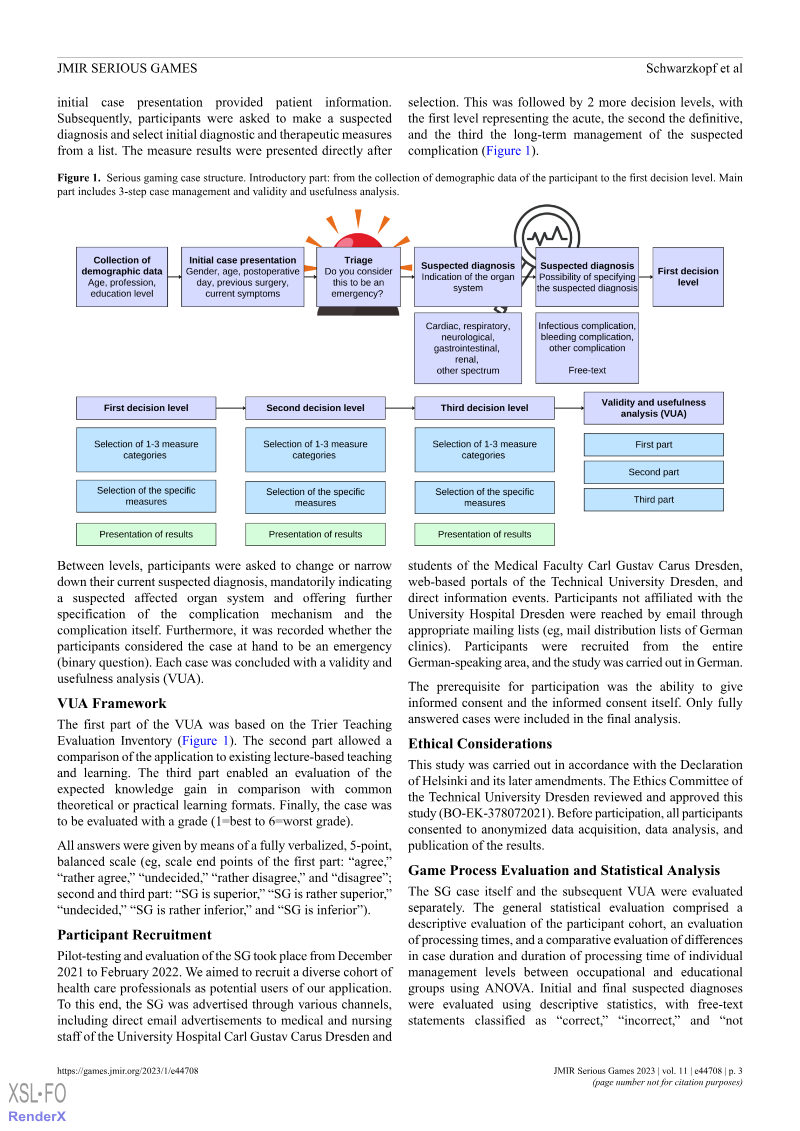
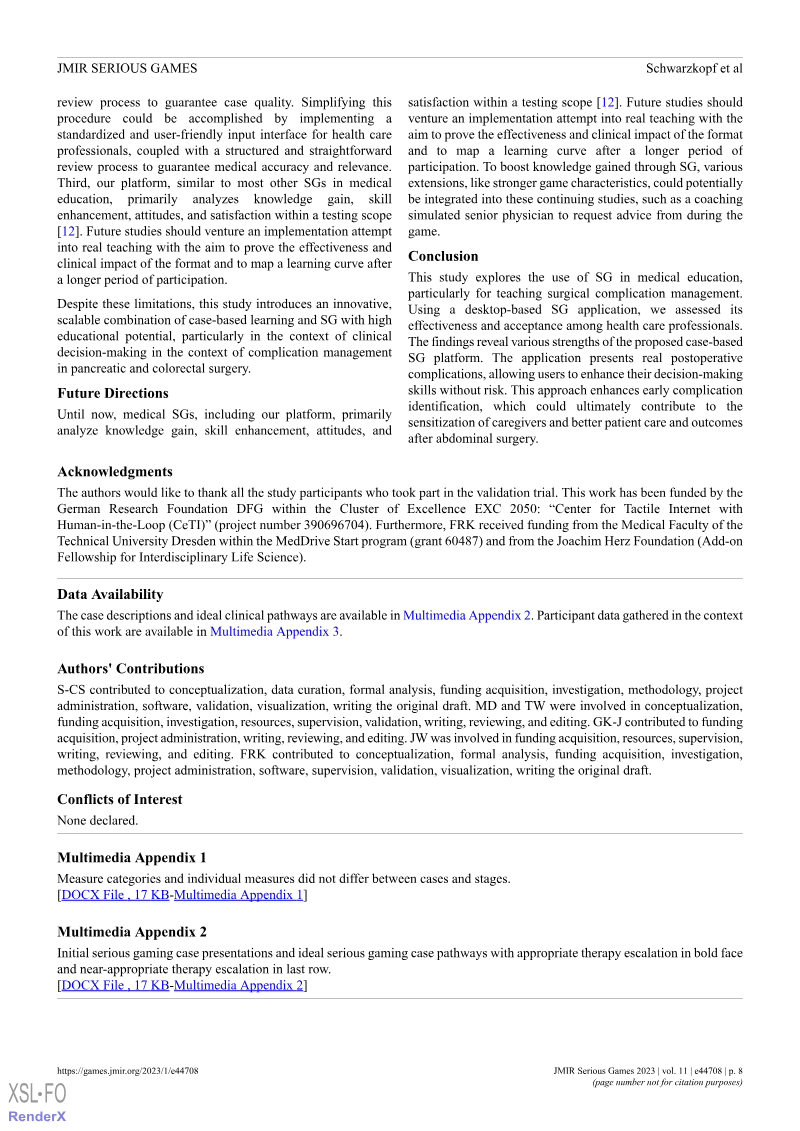
Case-Based Serious Gaming for Complication Management in Colorectal and Pancreatic Surgery
Serious gaming platforms represent a transformative approach to surgical education, specifically regarding the management of postoperative complications in colorectal and pancreatic procedures.
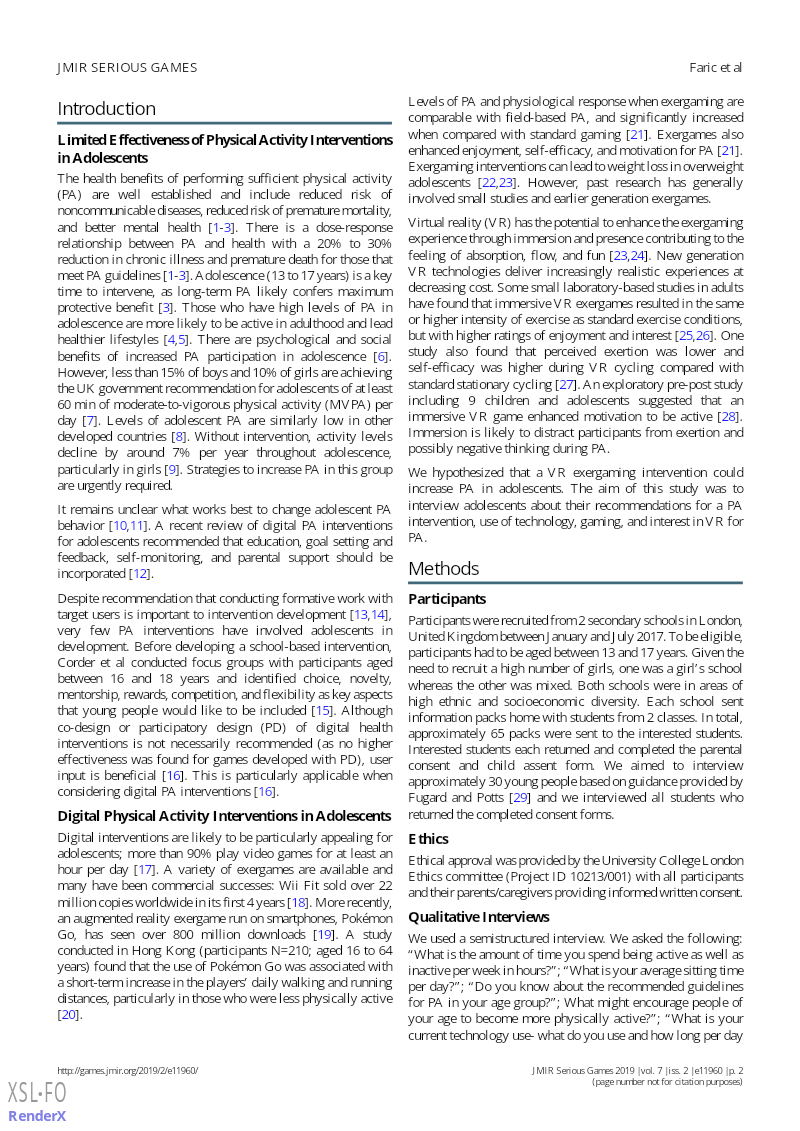
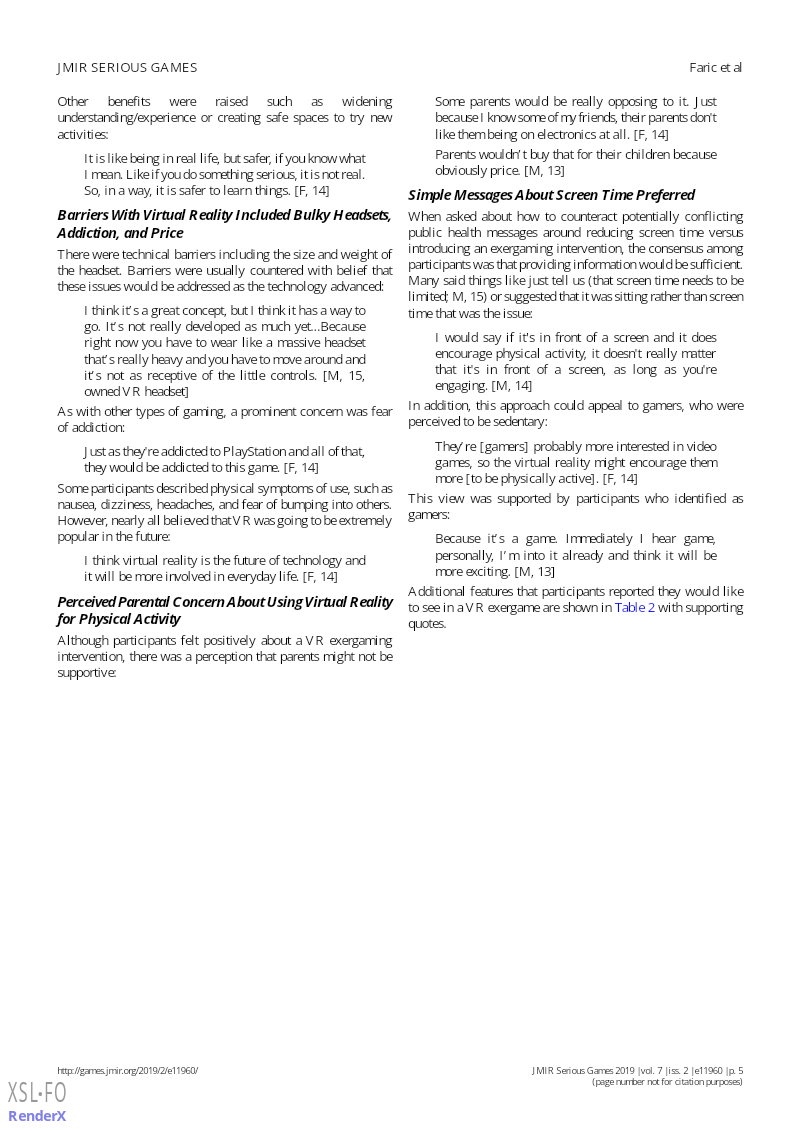
Adolescents' Perceptions and Attitudes about Physical Activity, Exergaming and Virtual Reality: Qualitative Intervention Development Study
Adolescents aged 13 to 15 demonstrate a significant lack of awareness regarding formal physical activity guidelines, yet they express a strong willingness to utilize virtual reality and exergaming as tools for health improvement.
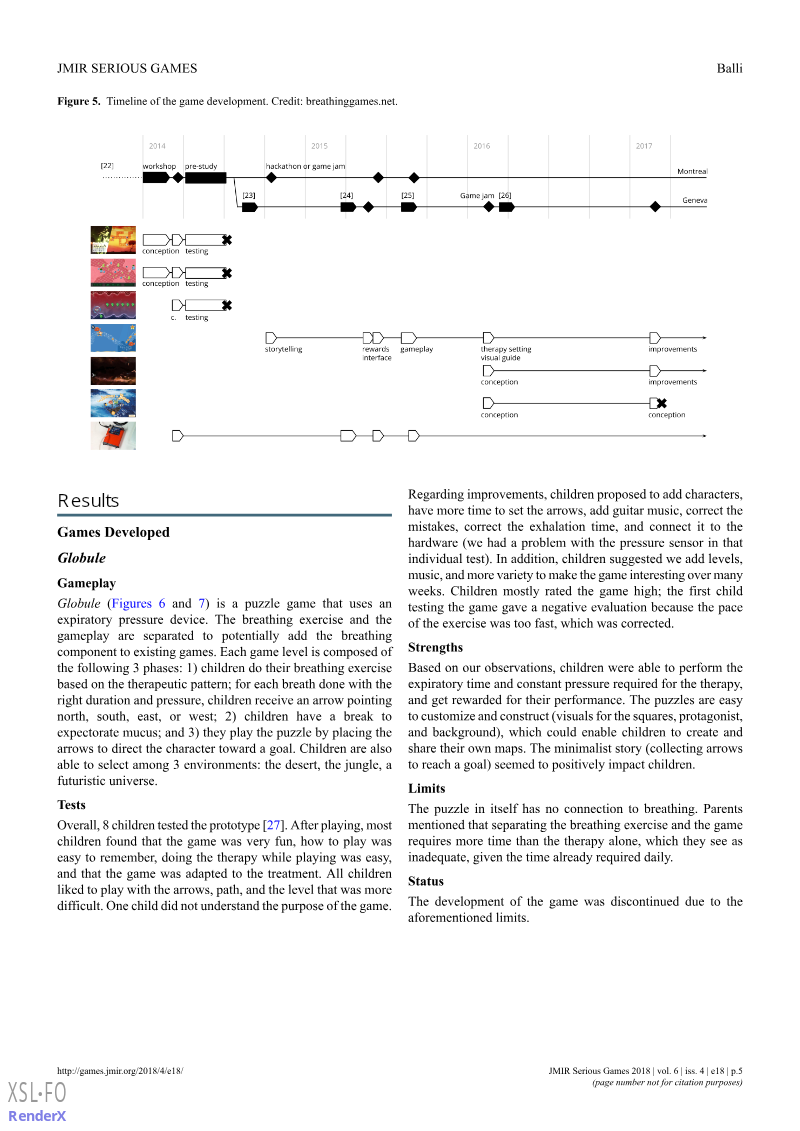
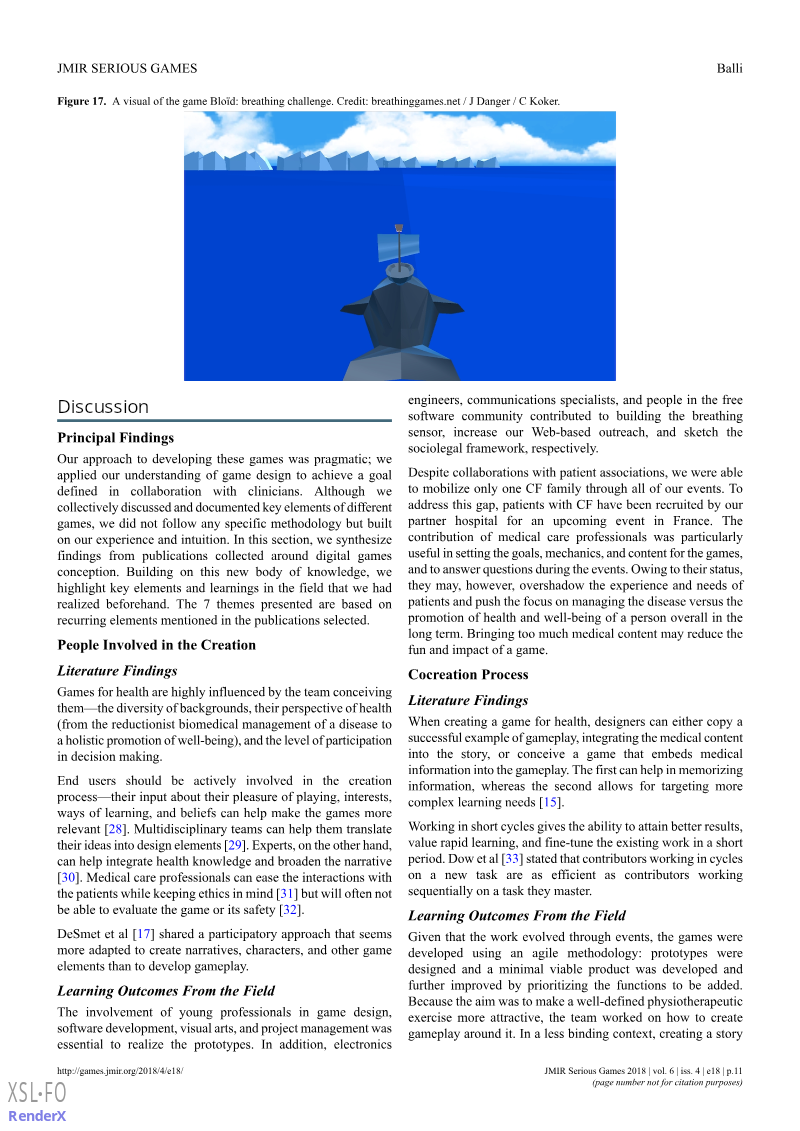
Developing Digital Games to Address Airway Clearance Therapy in Children With Cystic Fibrosis: Participatory Design Process
The development of digital games for pediatric cystic fibrosis patients serves as a critical intervention to improve adherence to daily airway clearance therapy.
Do you work at JMIR Publications? Get a free report of how these documents are read and cited here.