Loading the document
Key insights
4 slides
Current methods
Traditional training formats are less effective for practical problem-solving.
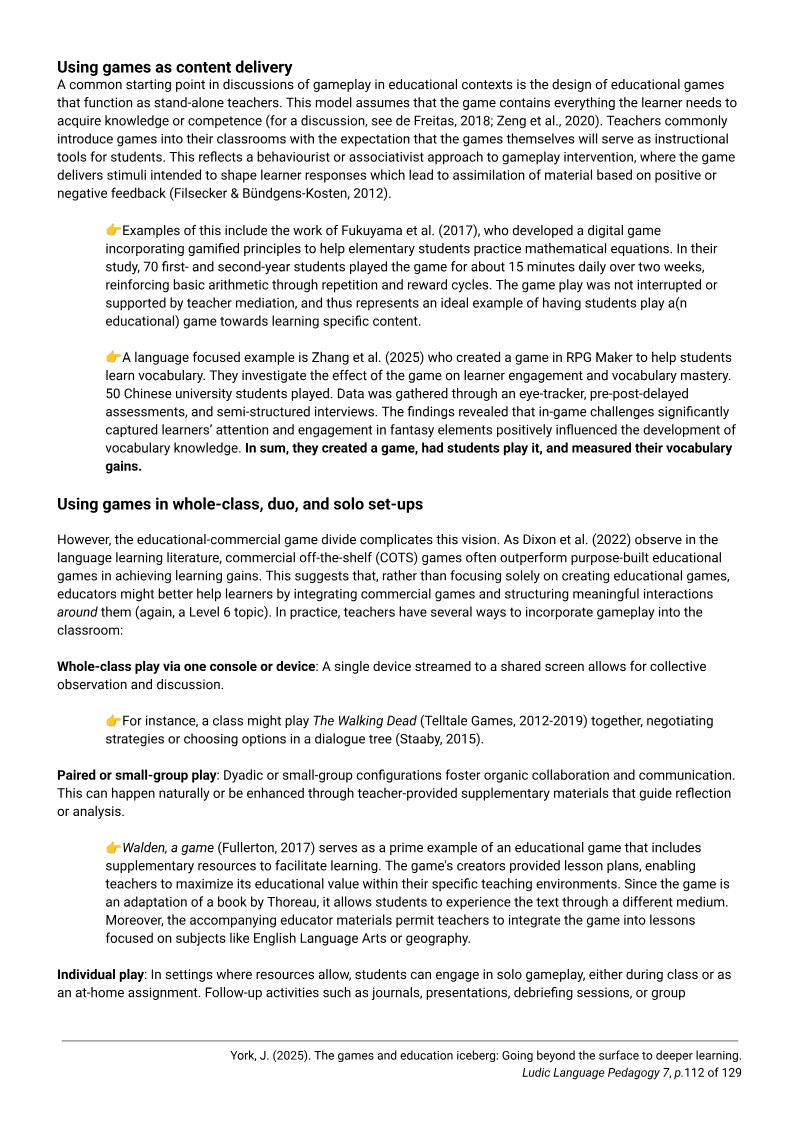
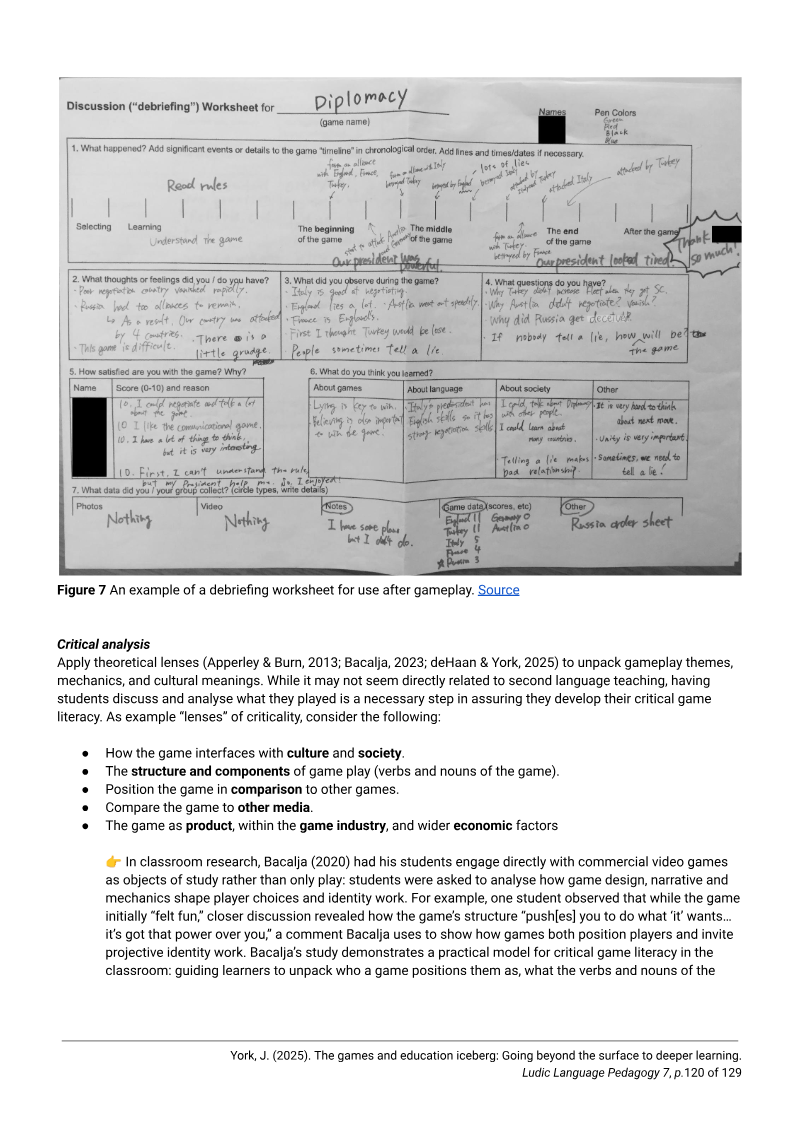
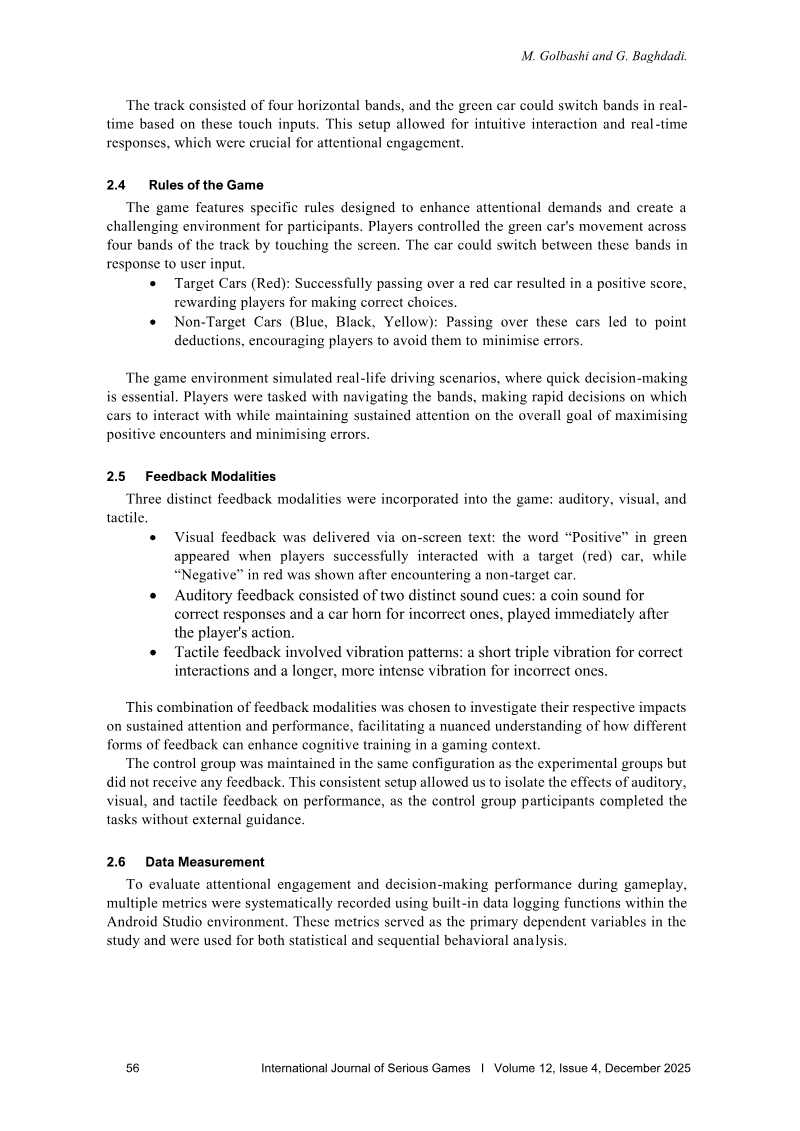
Interactive, case-based simulations foster higher levels of self-reflection and practical problem-solving capabilities. This approach outperforms traditional lecture-based formats.
Key finding. Interactive simulations are more effective than traditional lectures for developing practical problem-solving skills.
1 / 4
- 01Serious gaming platforms provide a risk-free, desktop-based environment that improves clinical decision-making and early complication identification in colorectal and pancreatic surgery.See it on page 2
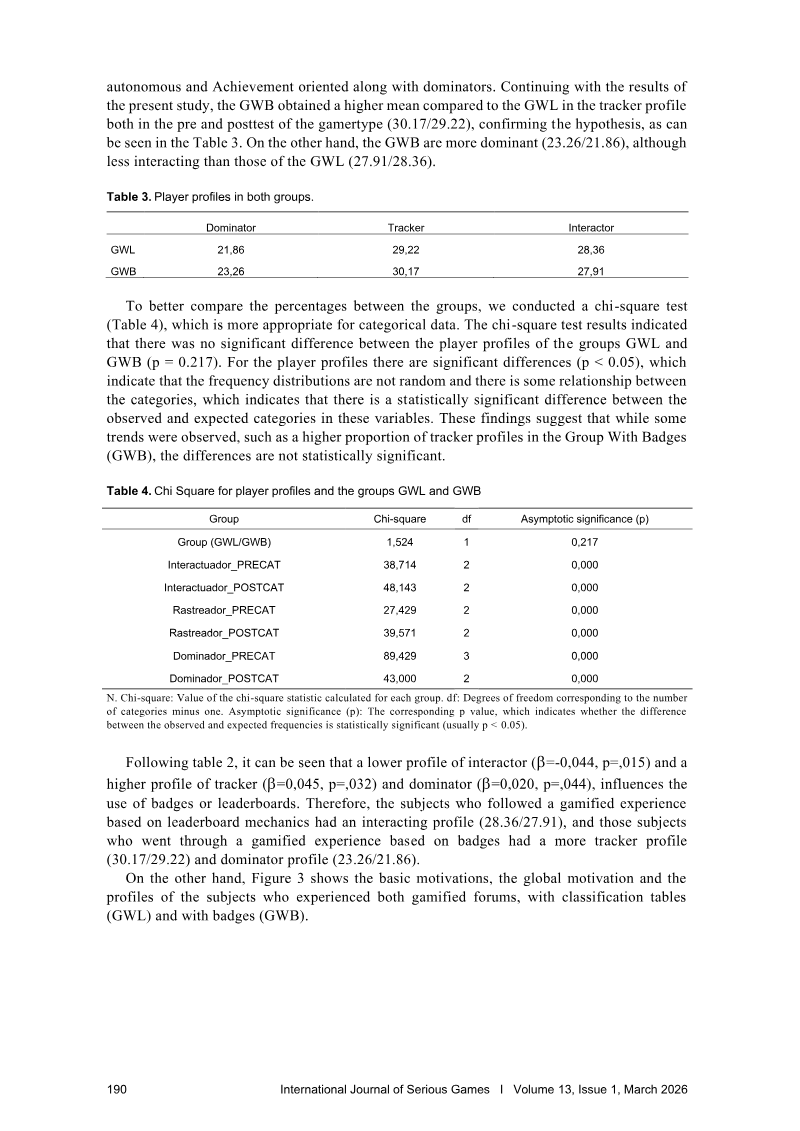
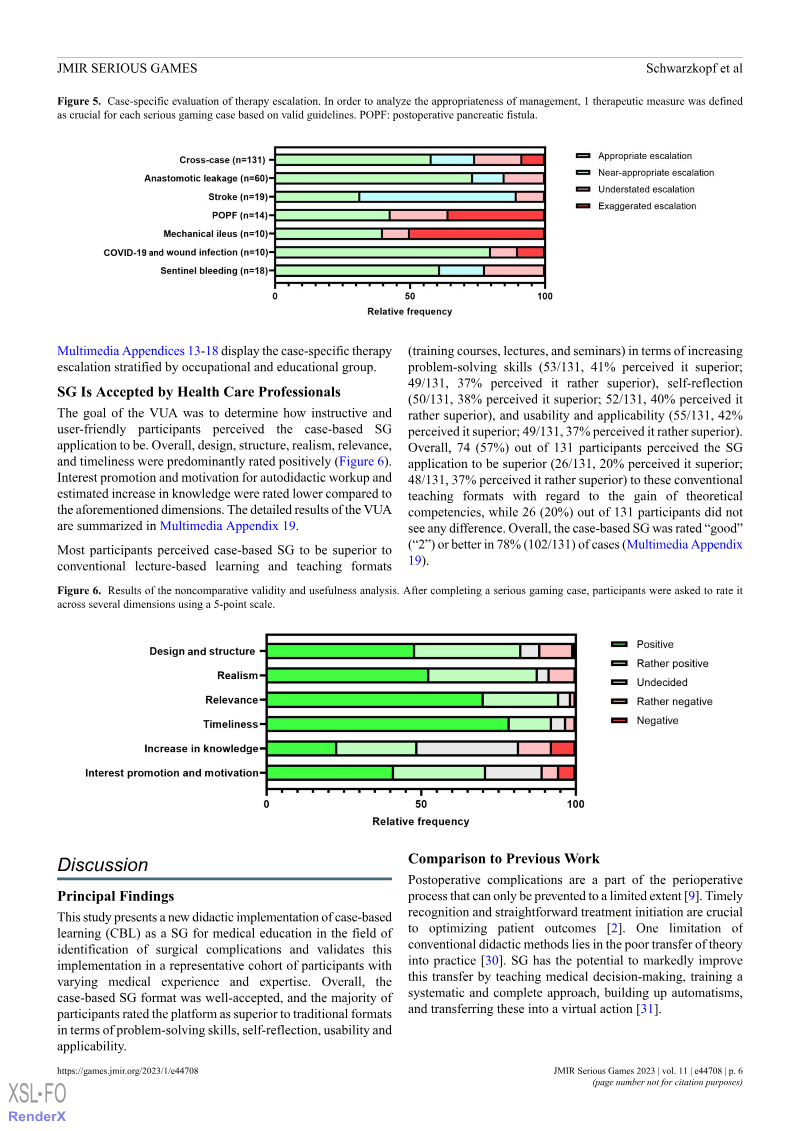
- 02A prospective observational study of 131 participants validated these platforms as accurate assessment tools, as performance metrics consistently correlated with the user's surgical expertise and training level.See it on page 2
- 03Interactive, case-based simulations outperform traditional lecture-based formats by fostering higher levels of self-reflection and practical problem-solving capabilities.See it on page 7
- 04The platform achieved high usability and widespread acceptance among medical practitioners, indicating its potential for scalability in clinical training.See it on page 9
- 05Future development is focused on integrating these simulations into formal medical curricula and measuring their long-term impact on objective knowledge acquisition and patient outcomes.See it on page 8
Ask AI about this report
Summary
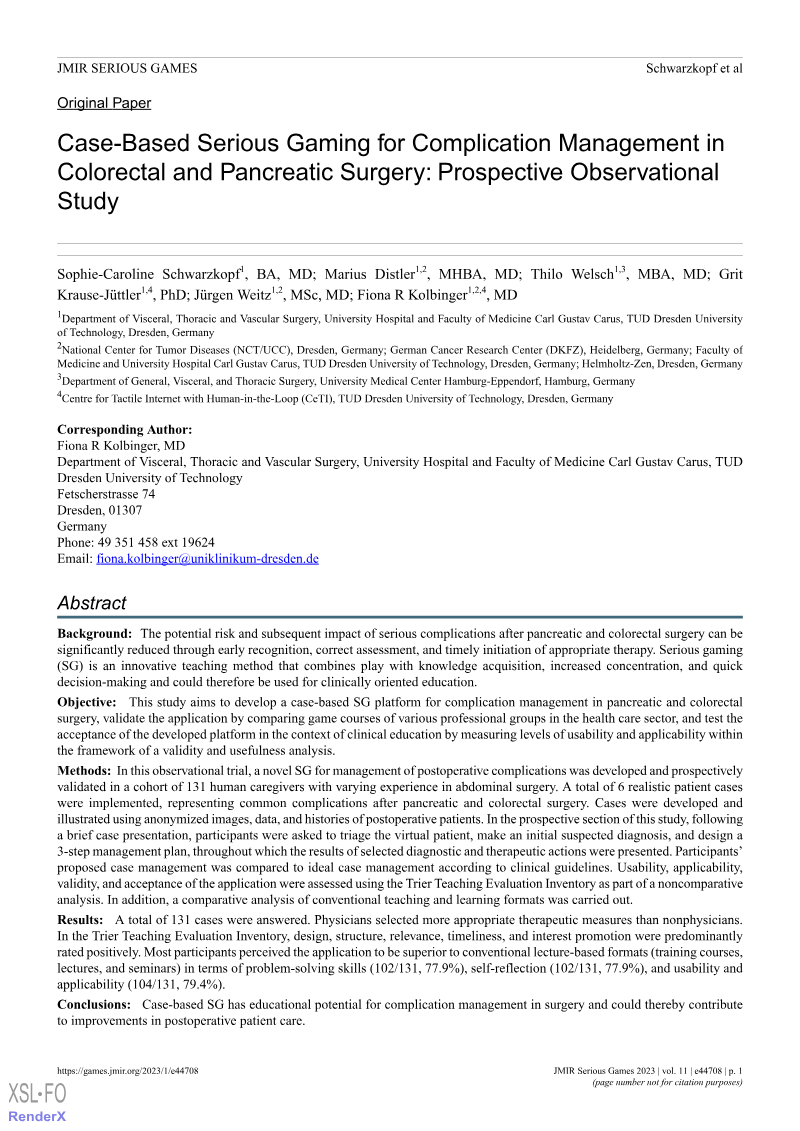
Serious gaming platforms represent a transformative approach to surgical education, specifically regarding the management of postoperative complications in colorectal and pancreatic procedures. By providing a risk-free, desktop-based environment, these digital tools allow healthcare professionals to refine their clinical decision-making skills and improve the early identification of complications. The primary thesis posits that interactive, case-based simulations offer a superior alternative to traditional lecture-based formats, fostering higher levels of self-reflection and practical problem-solving capabilities among trainees.
The efficacy of this approach is supported by a prospective observational study involving 131 participants, which confirms that serious gaming platforms successfully discriminate between varying levels of surgical expertise. Performance metrics within the simulation correlate strongly with the professional background and training level of the user, validating the tool as an accurate assessment instrument. Furthermore, the platform demonstrates high usability and widespread acceptance among medical practitioners, suggesting that it is a scalable and effective method for enhancing clinical competency.
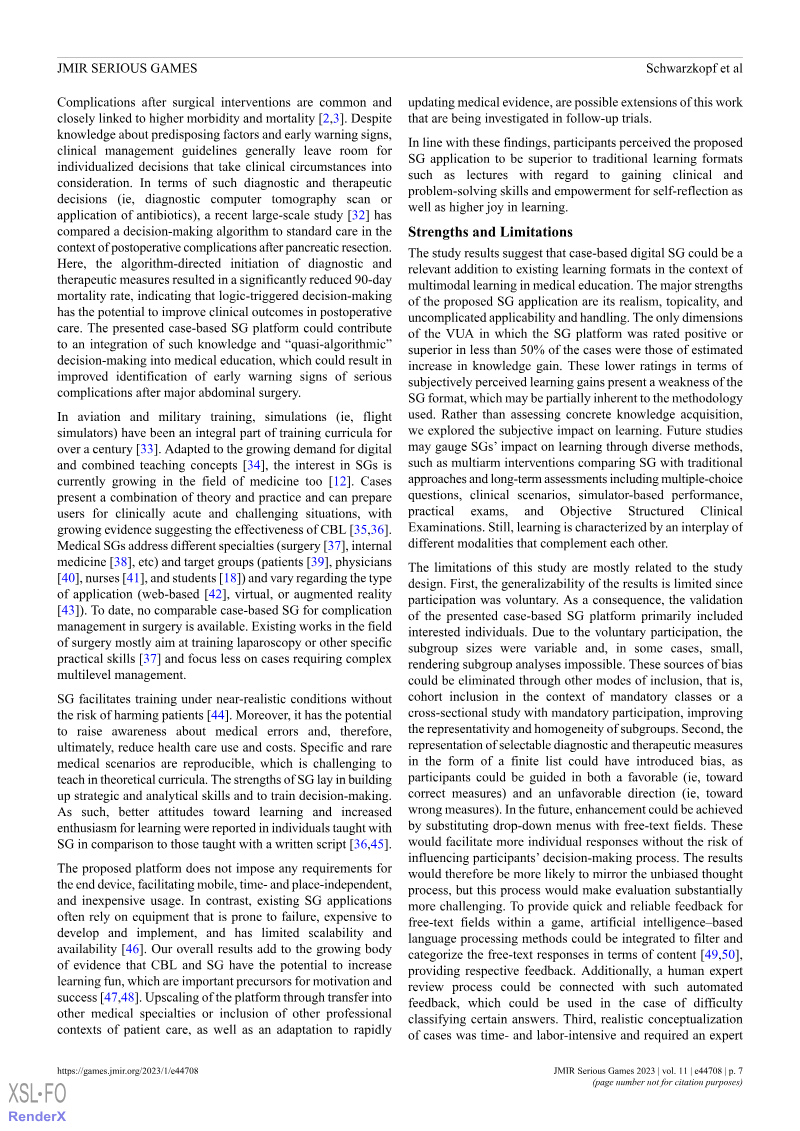
While current findings emphasize the platform's immediate educational value and user engagement, the long-term objective remains the integration of these simulations into formal medical curricula. Future research is directed toward measuring objective knowledge acquisition and the sustained impact of these tools on clinical outcomes. As the industry shifts toward more immersive, technology-driven training, these findings underscore the potential for serious gaming to bridge the gap between theoretical knowledge and practical application, ultimately contributing to safer and more effective postoperative patient care.