1 free read left. Create a free account for unlimited reading + AI research.
Create free accountWhitepaper DiGRA
1 free read left. Create a free account for unlimited reading + AI research.
Create free accountWhitepaperDiGRA
These mechanisms were organized into three major implementation strategies and 40 distinct implementation types.
This study presents an empirical taxonomy of monetized random reward mechanisms (RRMs), such as loot boxes and gacha, aimed at replacing unclear terminology and a debate overly centered on gambling with a structured analytical framework. Drawing on 108 free-to-play and paid-to-play games released in the United States, Germany, and Japan, the authors identified 59 RRMs across 47 titles, which they organized into three major implementation strategies and 40 distinct implementation types. The classification rests on six variables: eligibility conditions, random procedures, rewards, audio-visual representation, and contextual and player-reception data, gathered through extended play sessions spanning several hours over a week.
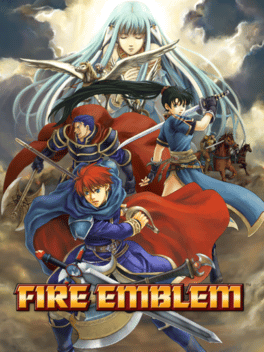
The central finding concerns a sharp divide between triggering methods. Approximately 63 percent of RRMs can be activated with real money, typically through purchased in-game currency, while 31 percent are triggered by watching advertisements and 7 percent use both. Ad-triggered mechanisms are consistently closed, meaning their drop rates are disclosed, and they tend to offer skins, in-game currency, or consumables, often with gambling-style presentation. Currency-triggered mechanisms are open, more varied in their rewards, and frequently serve as central progression systems, as with the gacha structure in Fire Emblem Heroes.
The authors highlight that undisclosed odds in real-money RRMs may enable exploitative spending patterns and recommend odds disclosure as a low-cost transparency measure. They acknowledge several limitations, including a restricted time frame, no analysis of how in-game time relates to currency acquisition, and the possibility that RRMs added later in a game's lifecycle were not captured. Two authors are affiliated with Cygames Research, and Cygames-published titles were excluded to limit potential bias.
Each row is a game or company this document names, each column a document, oldest first. A mark means that document names it. Select a row to see those documents.
DiGRA · 2023
DiGRA · 2023
DiGRA · 2023
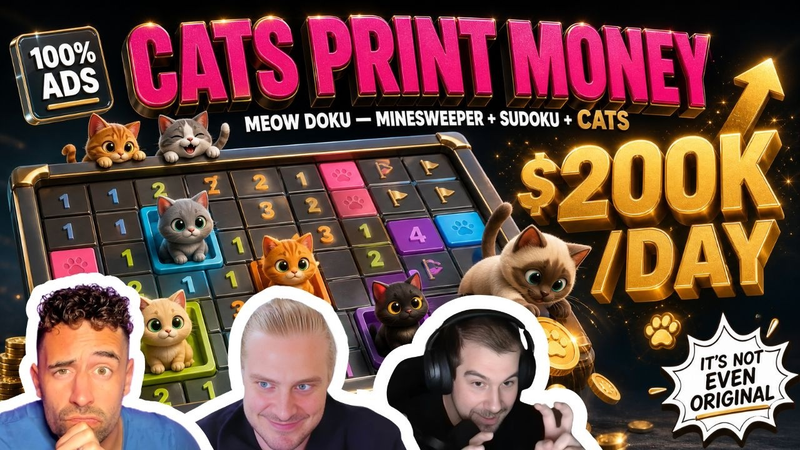
Two & a Half Gamers · 2026