Updated Apr 30, 2026 by CESA – Computer Entertainment Supplier's Association
Report
Published by CESA – Computer Entertainment Supplier's Association
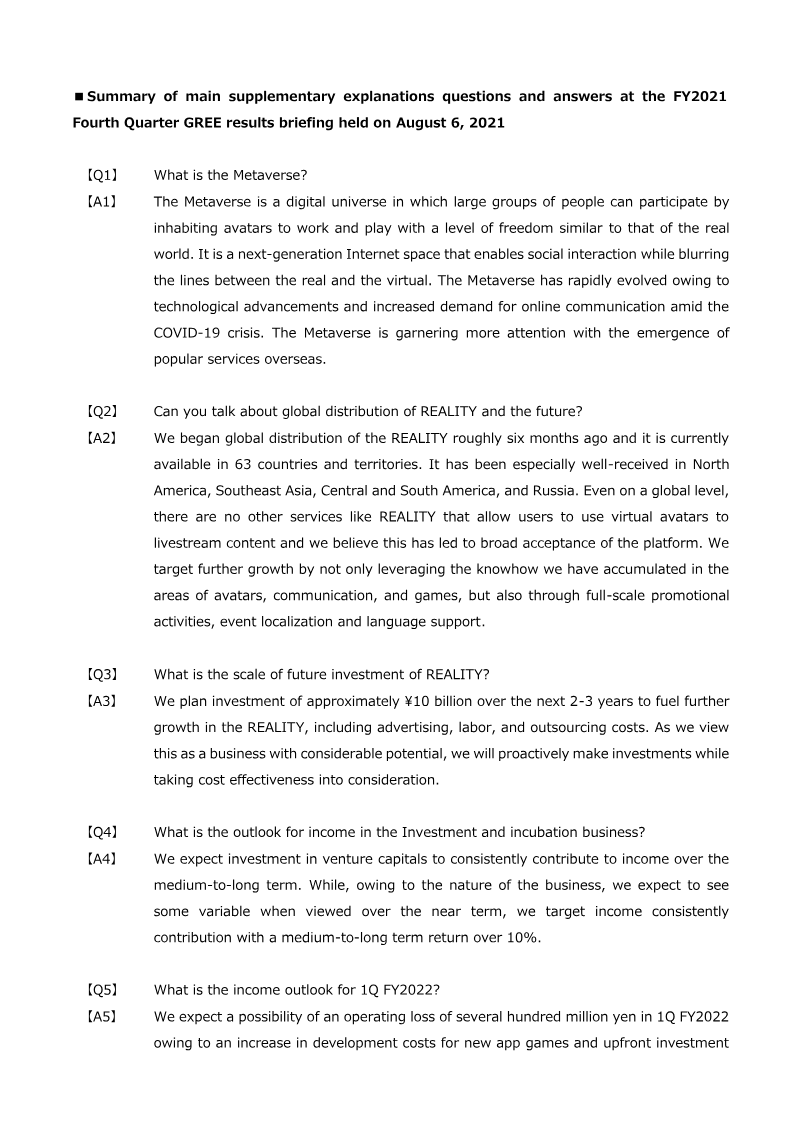
The evolution of gaming from localized, offline experiences to global, interconnected online environments necessitates a modern approach to parental guidance and family communication. The primary purpose of this guide is to bridge the generational gap between parents and children by providing a framework for establishing mutually agreed-upon rules for safe and responsible gaming. It emphasizes that while the technology and accessibility of games have shifted from television-bound consoles to ubiquitous mobile and cross-platform devices, the fundamental need for trust and clear boundaries remains constant. The analysis highlights significant shifts in the gaming landscape, noting that modern play is no longer restricted by age, geography, or hardware limitations. Because online environments allow for real-time interaction with diverse global participants, the risks and social dynamics have become more complex. To address this, the guide advocates for a collaborative rule-setting process that prioritizes the child’s developmental stage and specific gaming context. Effective agreements should be flexible, evolving alongside the child’s maturity, and should be rooted in open dialogue rather than rigid, top-down restrictions that may fail to account for the realities of online events or social gaming commitments. Furthermore, the guide underscores the importance of digital literacy for parents, encouraging them to familiarize themselves with common gaming terminology and technical concepts such as in-app purchases, server stability, and online etiquette. By understanding these elements, parents can provide more informed advice regarding security, privacy, and behavior. Ultimately, the document concludes that gaming rules should function as a shared commitment to safety and mutual respect, ensuring that the gaming experience remains a positive and secure activity for children as they navigate increasingly sophisticated digital worlds.
どんなゲームで ネットの友達って テレビにコードを繋いだ置き型ゲーム機。 いろんな場所で、いろんな人とゲームを 遊んでるのだろう? 誰だろう? 掃除機にぶつかると止まってしまう画面。 楽しむことができるようになった現代。 ライフがゼロになったら最初からやり直し。 ゲーム環境はオンライン化で セーブできても暗号の紙をなくして涙。 進化するとともに、子どもたちの いまとなっては懐かしく愛おしい日々…。 楽しみ方もむかしとは異なっています。 1 1 友だちとオンラインで 放課後ゲームのために友だちの家に集合! 「待ち合わせ」! むかしのゲームは“オンライン” オンラインプレイが楽しめる環境 でつながっていないよ。遊ぶと になり、インターネットがあればど 6 きは、ゲーム機やゲームソフト こでも、集合時間を決めてゲーム を持っている友だちの家に集 にログイン。 合!一度にプレイできる人数も 友だちとそれぞれ自宅に居ながら 最大数人までで、代わりばんこ 楽しめるようになったよね。 ゲームのやくそくコミュニケーション BOOK に楽しんだんだ。 2 ゲームは子どもだけのもの! 2 オンラインで老若男女がコミュニケーション! 大人がゲームをやっていると 「子どもっぽい」「いい年し て」と言われる時代がありま した。むかし、ゲームは子ども 向けだったね。 ※家庭用ゲーム機の登場で多く の子どもたちが楽しみました。 3 テレビがないとゲームができない!? -4h7t!? 携帯型のゲーム機をのぞき、 基本的にゲームをするには、 家のテレビ画面に繋がなけれ ばプレイができなかったよ。 NG 子どもと大人が互角にプレイした り、会話したりする時代になったよ。 オンライン上では、年齢や性別、国 籍も、住んでいる場所に関係なくコ ミュニケーションが可能なんだ。 ゲームもグローバルだね! パソコン、 スマホ、 3 ポータブル機器 遊び方は人それぞれ L さまざまなプラットフォームが誕生し、テレビな 年齢に合った ゲームに約束って しでも遊べるよ。また、ゲームによっては同じオ ゲームってあるの? 必要なの? ンライン環境にスマホ、パソコン、家庭用ゲーム 機器など自分が持っている環境からアクセスす ることもできるよね。 t7a ゲームを安心・安全に楽しむために 一般社団法人 「ゲームのやくそく」MV 公開中! お問い合わせ コンピュータエンターテインメント協会 <V! [email protected]. jp エンジェルズアイズ代表 遠藤美季 監修 相模女子大学 七海陽
平日夕方 5 時 ゲームは やくそくの心得 親子 やくそく宣言 からだったら 一日一時間! Z ¥f Z ¥f の ゲームで パパもそうだった 遊んでいいよ 時代は変わっても「安心・安全に楽しむ」 「他のプレーヤーや友達など その周囲の人にも気持ちよく遊べる」ためにも 「やくそく」を作ることは大切です。 時代や技術の進化でゲームの楽しみ方も変化します。 変化に合わせて、親子で丁寧に話し合って、 互いに納得できる「やくそく」を作ってみましょう。 そのやくそくだと 週末のイベント ボクだけ参加 やくそくづくりのポイント できないよ… 5 5 5 1 子どもの話をよく聞いて決めましょう! 9 互いに納得できる「やくそく」をつくりましょう。 例:〇〇時以降のイベントに参加する場合は、 ゲームを安心・安全に楽しむために 2 ゲーム内のマナーやリスクも学んでアドバイス! 先に宿題を終わらせてから。 互いに納得いく「やくそく」 Z ¥f 安心・安全に楽しむためのポイントも大切です。 Z ¥f ただ、〇〇時以降は我慢すること。等 できてますか? ※個人情報やID・パスワードの管理など。 3 子どもの成長や理解度に合わせて考えましょう。 子どもが「やくそく」を守れるように。 年齢や特徴を考えて「やくそく」を作りましょう。 ※成長に合わせて内容を見直しましょう。 ゲームにまつわるキーワード 、 イベント SSR チート BAN 5 いくつわかるかな? FPS 5ラグ アプリ内課金 鯖落ち ゲームにはファンや子どもたちの中で使われるキーワードがいっぱい! MMORPG アプデ 共闘 垢 5 子どもたちが使う用語を知って、会話ややくそくづくりに役立てよう! 時代や環境は違っても、大人にとって子どもにとっても、 「やくそく」はずっと続く信頼の誓いです。 イベント: SSR: 通常のストーリーとは異なり、参加すると限定アイテムが入手できたり、チームメンバーと連携して進めるなどの、ゲームを仲間で楽しむ際のメイン要素。 スーパース チート: お互いの事情を理解せずつくられた「やくそく」は、 ペシャルレアの頭文字をとった略称。他にも「LR(レジェンドレア)」や「UR(ウルトラレア)」などがある。 英語の意味は「イカサマ」。ゲーム内での不正行為や違法改造など、オ BAN: 守ることが難しいものです。 ンラインゲームでは他のプレイヤーにも影響をあたえてしまう。 本来は「禁止する」という意味から、ゲームでは不正行為や禁止行為を行った場合にアカウントが停止または剥 FPS: ラグ: 「やくそく」は破られることがあると互いに悲しく傷つきます。 奪されることを示す。 ファーストパーソン・シューティングゲームの頭文字をとった略称。本人視点でのシューティングゲーム。 インターネットどの影響で画面の表示や操作 アプリ内課金: 鯖落ち: が遅れること。その状態を「ラグい」と表現することも。 ゲーム内で追加購入して、アイテムや装備を買う事ができる。 オンラインゲームでサーバー不具合でアク MMORPG: 子どもが守れる「やくそく」をつくるために、 セスできない状態。サーバーダウンの略称。 マッシブリー・マルチプレイヤー・オンライン・ロール・プレイング・ゲームの頭文字をとった略称。大人数が同時に参加するオ アプデ: 納得感と柔軟性のある「やくそく」をつくりませんか? ンラインRPGゲーム。 アップデートの略語。ゲームでは頻繁にアッデートがあり、イベントの追加やゲームの修正や不具合の改善などが
の表示や操作 アプリ内課金: 鯖落ち: が遅れること。その状態を「ラグい」と表現することも。 ゲーム内で追加購入して、アイテムや装備を買う事ができる。 オンラインゲームでサーバー不具合でアク MMORPG: 子どもが守れる「やくそく」をつくるために、 セスできない状態。サーバーダウンの略称。 マッシブリー・マルチプレイヤー・オンライン・ロール・プレイング・ゲームの頭文字をとった略称。大人数が同時に参加するオ アプデ: 納得感と柔軟性のある「やくそく」をつくりませんか? ンラインRPGゲーム。 アップデートの略語。ゲームでは頻繁にアッデートがあり、イベントの追加やゲームの修正や不具合の改善などが定期的に行われ、その間はプレイでき
The 2025 Mobile Casual Benchmarks Report provides a comprehensive analysis of the Android gaming market, focusing on performance metrics across various casual genres and subgenres. Based on data collected from over 10,000 mobile games and billions of installs between June 2024 and January 2025, the findings offer a strategic overview of the United States market. The analysis evaluates key performance indicators including download volume, user retention, session length, and ad monetization efficiency to identify growth opportunities for developers. Findings indicate a significant shift in the mobile landscape, with a strong recommendation for developers to transition from pure hypercasual models to hybrid casual designs. While hypercasual and simulation games lead in total downloads, they suffer from low 30-day retention rates of approximately 3% and a modest ARPU of $0.79. In contrast, hybrid casual games—which integrate deeper progression systems and meta-elements—demonstrate superior sustainability. Subgenres such as Merge 3, Luck Battle, and Life Simulator emerge as highly profitable outliers, achieving ARPU figures between $11.08 and $14.83. Engagement data reveals that Strategy and Tabletop genres command the highest user attention, while subgenres like Ludo and Merge 3 lead in session duration, with the latter averaging 656 seconds. Retention is strongest in Sports, Racing, and Tabletop categories, while specific subgenres like Coin Pusher and Management Sim maintain over 50% Day 1 retention. Regarding monetization, Puzzle and Match games are identified as the most effective vehicles for high-frequency ad impressions, whereas Strategy and Tabletop games are better suited for rewarded video formats. Ultimately, the data suggests that long-term profitability in 2025 depends on balancing accessible gameplay with the deeper engagement mechanics characteristic of the hybrid casual segment.
Japan represents the world’s third-largest gaming market, valued at $26.3 billion in 2024 with projections to exceed $60 billion by 2033. This growth is underpinned by a mature player base of 55.5 million, characterized by the highest average revenue per user globally at approximately $580. While mobile gaming currently commands 75% of consumer spending, the market is undergoing a structural transition. Digital distribution and subscription models are increasingly replacing physical media, while the PC sector exhibits a robust 8.8% annual growth rate. Domestic giants Sony and Nintendo maintain market leadership by leveraging iconic intellectual properties and a cultural preference for narrative-heavy genres such as RPGs and adventure titles. The ecosystem is increasingly defined by the convergence of gaming, live streaming, and broader entertainment. Esports revenue is expected to reach ¥21.8 billion by 2025, supported by a shift in viewership toward platforms like YouTube and Twitch. A unique cultural phenomenon in this space is the dominance of VTubers and virtual influencers, who drive significant engagement among Gen Z and Millennial demographics. Marketing strategies have pivoted toward these creators and nano-influencers to achieve authenticity, particularly as major publishers aim to quadruple the international market for Japanese content by integrating anime aesthetics into global entertainment ecosystems. Technological advancements in 5G, cloud streaming, and augmented reality are further diversifying the landscape, though traditional social dynamics remain influential. While YouTube and X serve as the primary digital hubs for the gaming community, professional networking continues to favor established platforms like Facebook over LinkedIn due to local cultural barriers. As the mobile sector prepares for a projected rebound to $21 billion by 2025, the industry focus remains on cross-platform accessibility and the expansion of "evergreen" franchises within an increasingly digital and interconnected global market.
The Japanese games market represents a unique and highly lucrative landscape, accounting for 9.1% of global games revenue despite containing only 2.2% of the global player base. Average revenue per user is significantly higher in Japan than in Western markets, with Japanese players spending approximately $223 compared to $145 in the United Kingdom. While the market is characterized by a strong preference for domestic franchises and Nintendo’s 70% dominance of console hardware, a substantial $2.5 to $3.0 billion opportunity exists for international stakeholders when excluding mobile and Nintendo platforms. Demographic and behavioral data indicates that Japan’s PC and console player base is generally older than its Western counterparts. Player motivations also diverge sharply from global trends; Japanese gamers prioritize narrative depth, character design, and solo play, whereas Western players favor open worlds, high-end graphics, and competitive multiplayer. Genre preferences further illustrate this divide, with Japanese console players gravitating toward single-player RPGs and fantasy themes, while PC players increasingly embrace shooters and lower-priced co-op experiences. The market has seen rapid PC revenue growth over the last seven years, though this trajectory is expected to stabilize through 2027. Conversely, the console segment has faced recent declines attributed to the Nintendo Switch lifecycle and a weaker slate of premium releases. International publishers face specific macroeconomic challenges, notably the weakening Japanese Yen against the U.S. Dollar. Despite these headwinds, titles such as Apex Legends and Genshin Impact have maintained massive free-to-play success, signaling continued potential for well-positioned global titles. This analysis utilizes data from the Newzoo Global Gamer Study, incorporating surveys from over 73,000 gamers across 37 markets to provide a comprehensive view of the 2025 landscape.
The report examines Japan’s interactive entertainment market for 2025, aiming to guide UK game developers and publishers in entering or expanding within a culturally distinct yet lucrative region. Japan accounts for only 2.2 % of the global player base but generates 9.1 % of worldwide game revenue, underscoring high per‑player spend—$223 in Japan versus $145 in the UK. The PC and console segment, excluding mobile and Nintendo platforms, represents a $2.5–3.0 billion opportunity. Key market dynamics include an older player demographic than the US and Europe, a strong preference for single‑player role‑playing games with deep narratives, and a dominance of domestic publishers—70 % of console hardware sales are controlled by Japanese firms. Nintendo’s presence is particularly pronounced, while sports titles remain marginal. Revenue growth has been robust, with PC revenue rising 16.2 % YoY in 2024 versus a global 4.4 % increase, though the pace is expected to decelerate as the Japanese yen weakens against the dollar. Methodologically, insights derive from Newzoo’s flagship global gamer study and proprietary market intelligence tools, sampling 73 000 gamers across PC and console platforms. The analysis covers player overlap, retention, and engagement metrics (DAU/MAU), and includes forecasted growth through 2027. The report concludes that strategic localization—emphasizing narrative depth, fantasy and science‑fiction themes, and solo play experiences—will be critical for success in Japan’s competitive landscape.