1 free read left. Create a free account for unlimited reading + AI research.
Create free accountWhitepaper European Conference on Games Based Learning (ECGBL)
1 free read left. Create a free account for unlimited reading + AI research.
Create free accountWhitepaperEuropean Conference on Games Based Learning (ECGBL)
Digital transformation is driven by technologies such as artificial intelligence, augmented reality, and robotization. The authors frame adaptive performance and proactive agility as the employee behaviours to cultivate.
This paper presents the design rationale, structure, and first test outcomes of DTInLine, a serious game built to help human resource management (HRM) professionals and students design HR practice configurations that both align with an organization's strategy and shape the employee behaviours needed for digital transformation (DT). The authors frame DT as organizational change driven by technologies such as artificial intelligence, augmented reality, and robotization, and identify adaptive performance and proactive agility as the key employee behaviours to cultivate. The game is positioned as a low-risk way to experiment with complex, multi-year HR design decisions whose effects on behaviour are difficult to predict.
The game's building blocks rest on the competing values framework, which classifies strategy and HR configurations into four quadrants (cooperative, market, mechanistic, adhocratic). Seven HR practices, each with four design options, yield 28 options scored for strategic alignment and for their effect on DT behaviour. The latter scores come from a survey of 47 HR professionals. A theoretical model tracks how HR redesigns over successive years influence both alignment and employee behaviour, with prior behaviour moderating how well a redesign takes hold.
Evaluation rests on a questionnaire covering perceived learning effectiveness, functional fidelity, and learner satisfaction, administered to 37 business administration and HRM students across three workshops. Learning outcome items averaged 3.31 on a five-point scale, and satisfaction averaged 3.98. Students described the game as fun, intuitive, and competitive, but reported that the effects of their decisions felt small in early years and that balancing strategic alignment against behavioural impact was difficult. The authors acknowledge that transfer of learning to real organizational settings has not yet been verified and plan to rebalance the model and empirically validate it in future work.



European Conference on Games Based Learning (ECGBL) · 2026



European Conference on Games Based Learning (ECGBL) · 2026



European Conference on Games Based Learning (ECGBL) · 2026



European Conference on Games Based Learning (ECGBL) · 2026



European Conference on Games Based Learning (ECGBL) · 2026



European Conference on Games Based Learning (ECGBL) · 2026



European Conference on Games Based Learning (ECGBL) · 2026



European Conference on Games Based Learning (ECGBL) · 2026



European Conference on Games Based Learning (ECGBL) · 2026



European Conference on Games Based Learning (ECGBL) · 2026



European Conference on Games Based Learning (ECGBL) · 2026



European Conference on Games Based Learning (ECGBL) · 2026



European Conference on Games Based Learning (ECGBL) · 2026
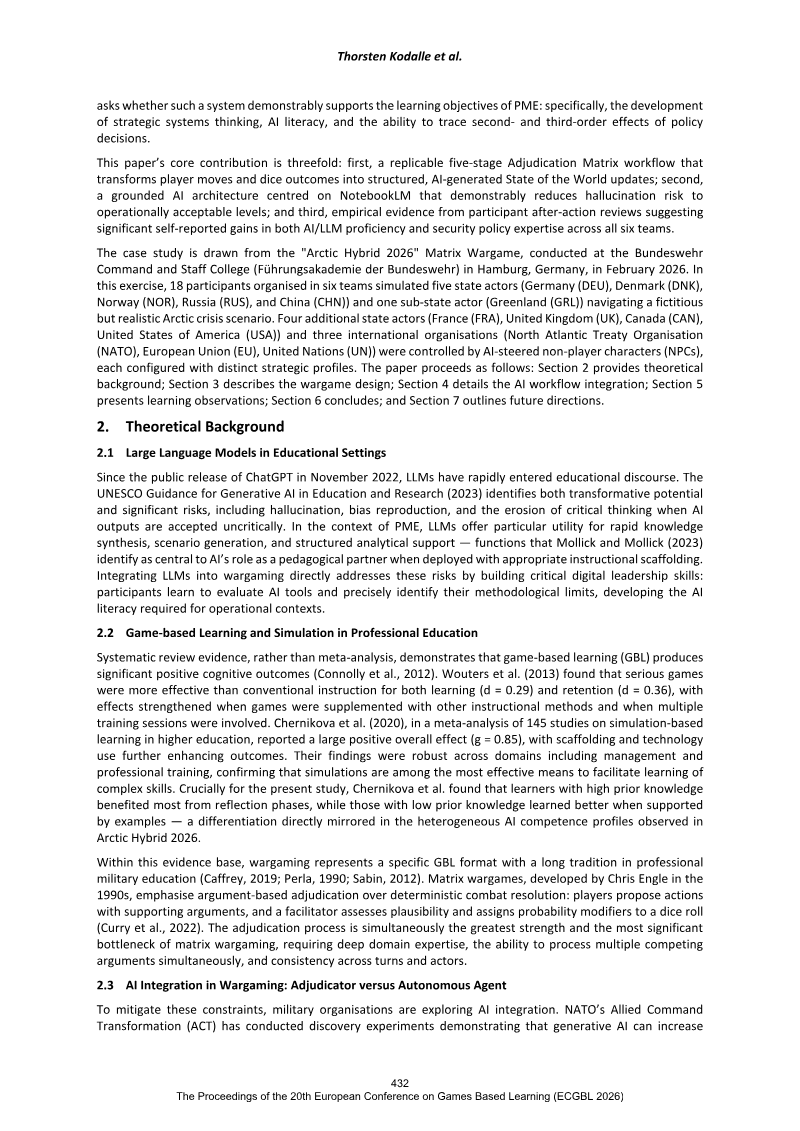
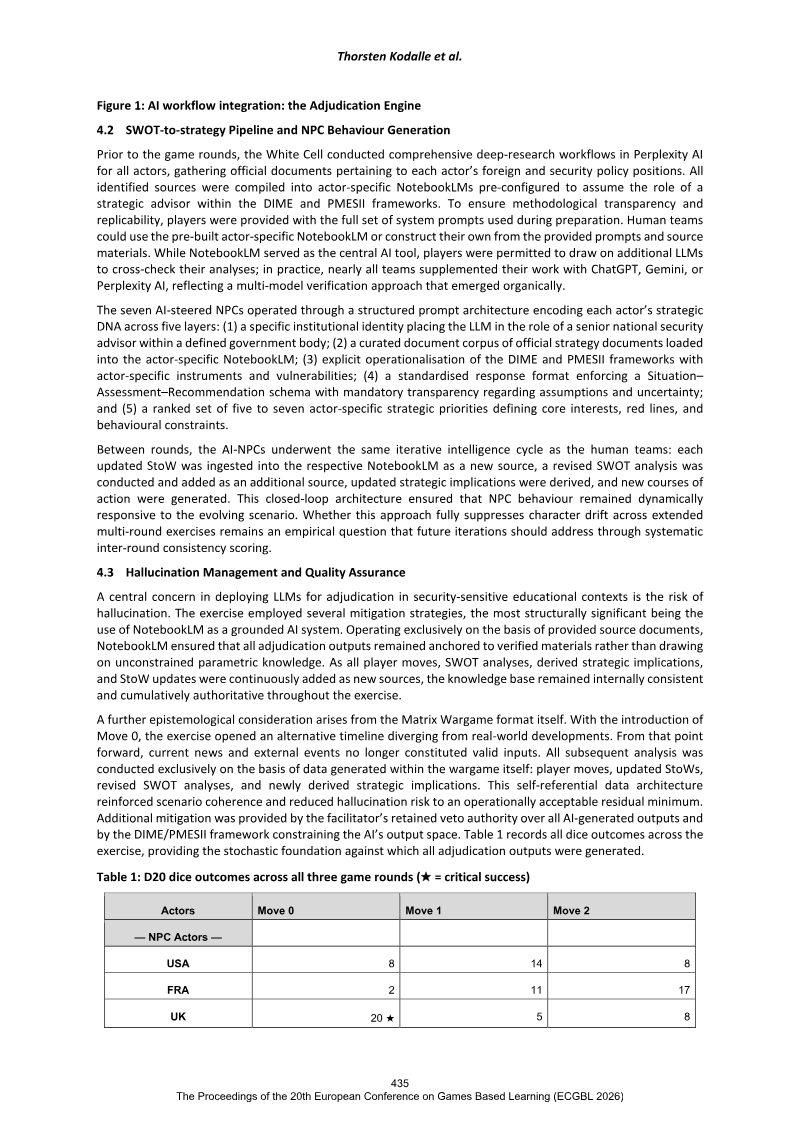
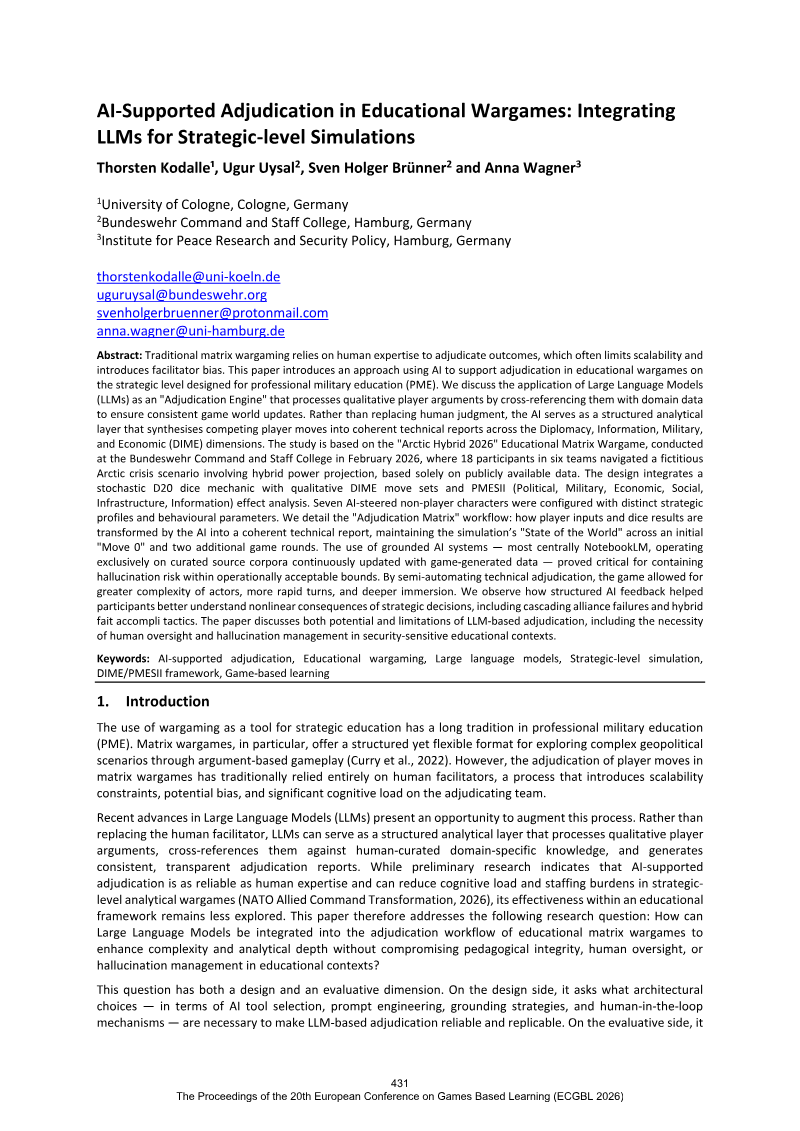
European Conference on Games Based Learning (ECGBL) · 2026
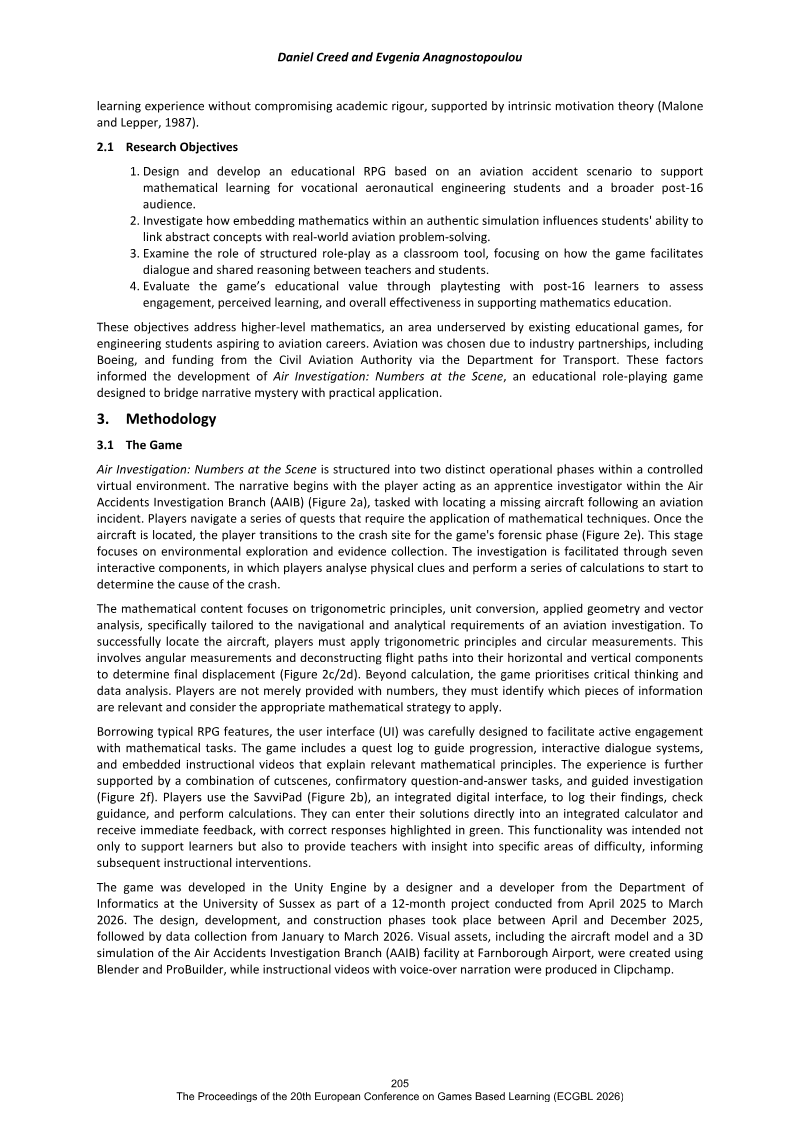
European Conference on Games Based Learning (ECGBL) · 2026