1 free read left. Create a free account for unlimited reading + AI research.
Create free accountReport International Journal of Esports
1 free read left. Create a free account for unlimited reading + AI research.
Create free accountReportInternational Journal of Esports
The essay argues that passion and toxicity in esports are closely linked. It holds that educating players preserves their enthusiasm better than punishing them.
This essay explores the intricate relationship between passion and toxic behavior within esports communities, proposing strategies to mitigate toxicity without diminishing player enthusiasm. The analysis primarily uses Counter-Strike: Global Offensive as a case study, given its status as the second most popular esport by viewership in 2019. The author identifies two main sources of toxicity: 'trolling,' characterized by harassment for its own sake, and 'tilting,' defined as toxic behavior exhibited by players who are emotionally invested and react negatively to poor results, disrespect, or criticism. The core argument is that 'tilters' are often driven by genuine passion, making punitive measures like bans counterproductive as they alienate highly engaged players.
To address this, the essay suggests a multi-faceted approach. First, it advocates for promoting ideals such as respect through positive reinforcement within games, streams, and forums, potentially by requiring players to earn commendations to lift competitive bans rather than simply extending ban durations. This aims to foster maturity and self-reflection among players. Second, it calls for a change in the esports environment to be less tolerant of toxic behavior. The author notes anecdotal evidence from hundreds of CS: GO solo-queue matches suggesting that toxicity, including racial slurs, often goes unpunished, indicating a normalization of such behavior.
The proposed solutions include clear communication from game developers, tournament organizers, and forum moderators regarding acceptable conduct, coupled with swift and decisive action against violations. Anonymously publicizing examples of disciplinary actions could also serve to educate the community on behavioral boundaries. The essay concludes that while promoting passion is relatively straightforward for engaging games, combating toxicity, especially that stemming from passion, requires a more nuanced approach focused on education and environmental change rather than solely punishment. It also highlights the need for more formal research into the psychology of toxic behavior in gaming.
Each row is a game or company this document names, each column a document, oldest first. A mark means that document names it. Select a row to see those documents.
International Journal of Esports · 2026
International Journal of Esports · 2026
International Journal of Esports · 2026
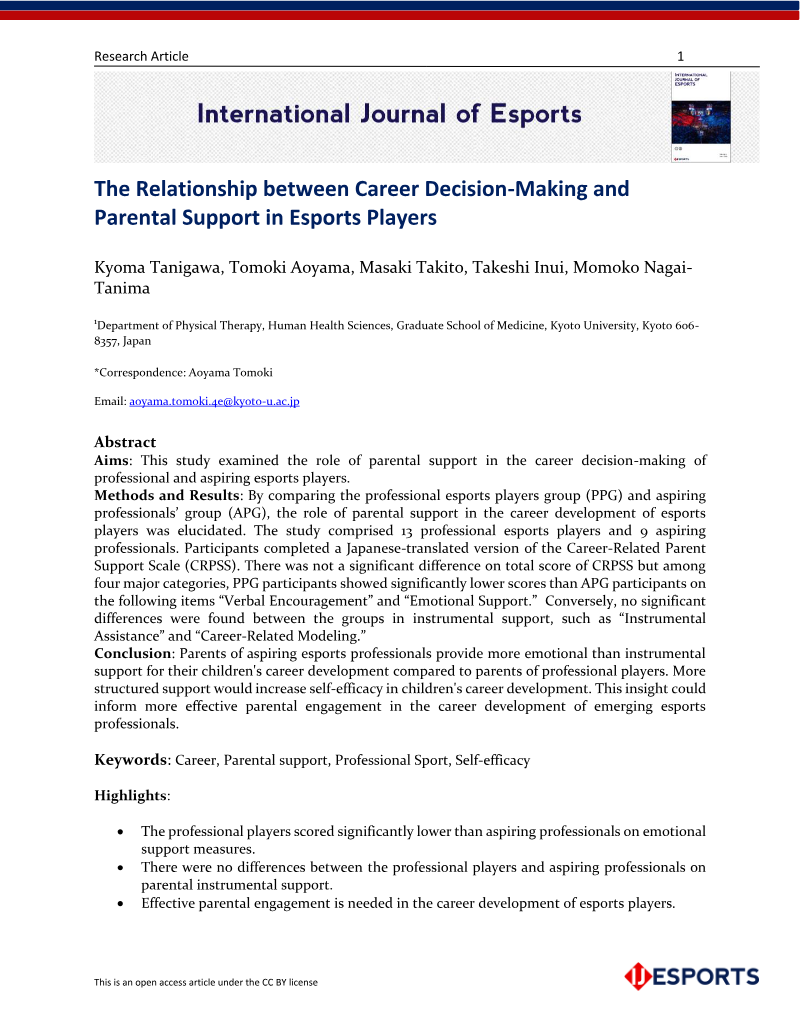
International Journal of Esports · 2026
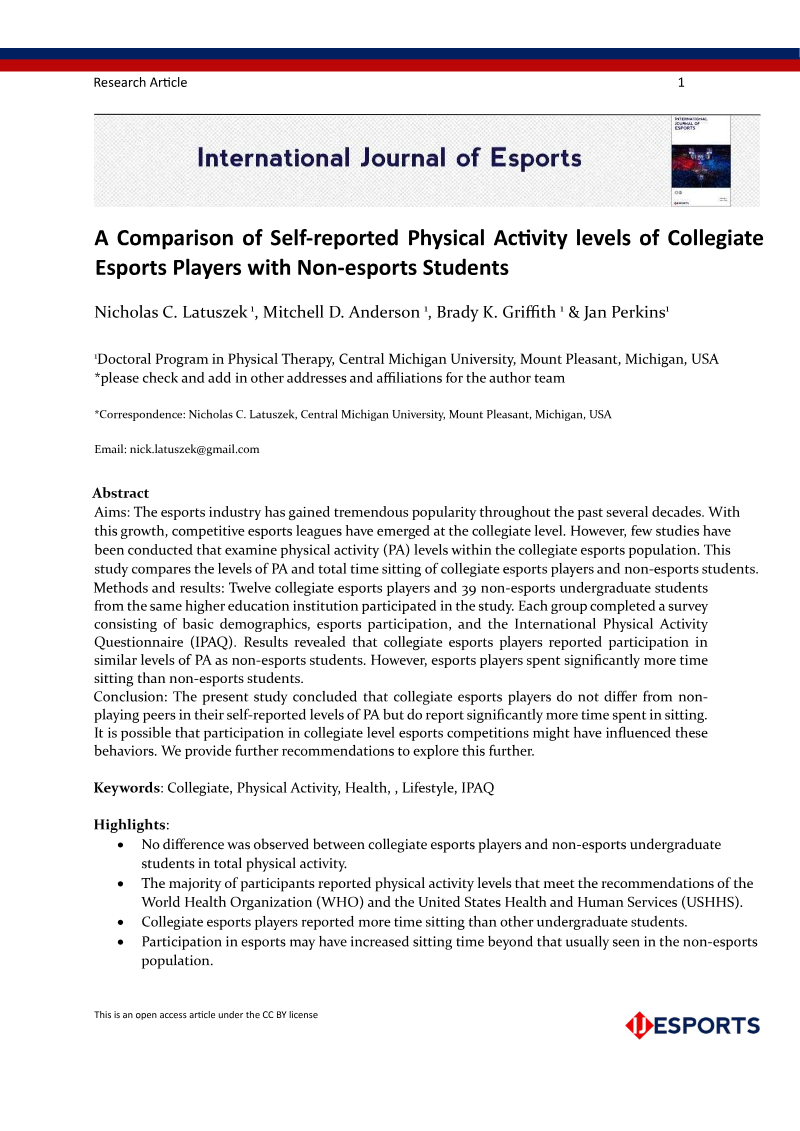
International Journal of Esports · 2026
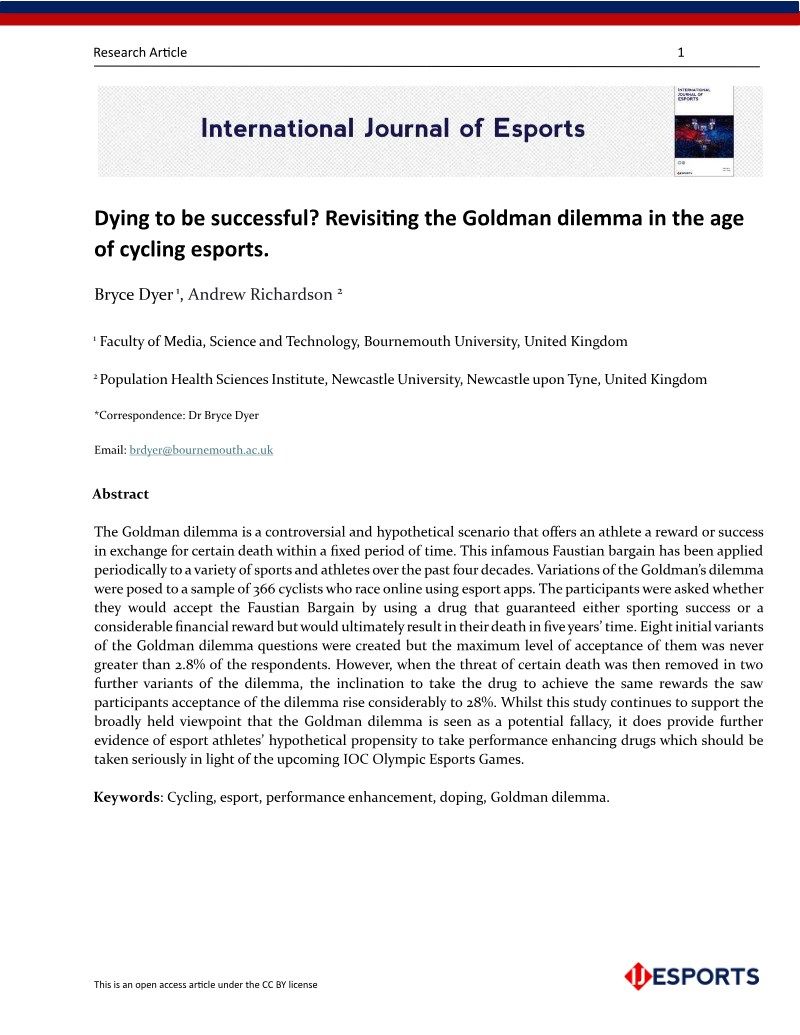
International Journal of Esports · 2026
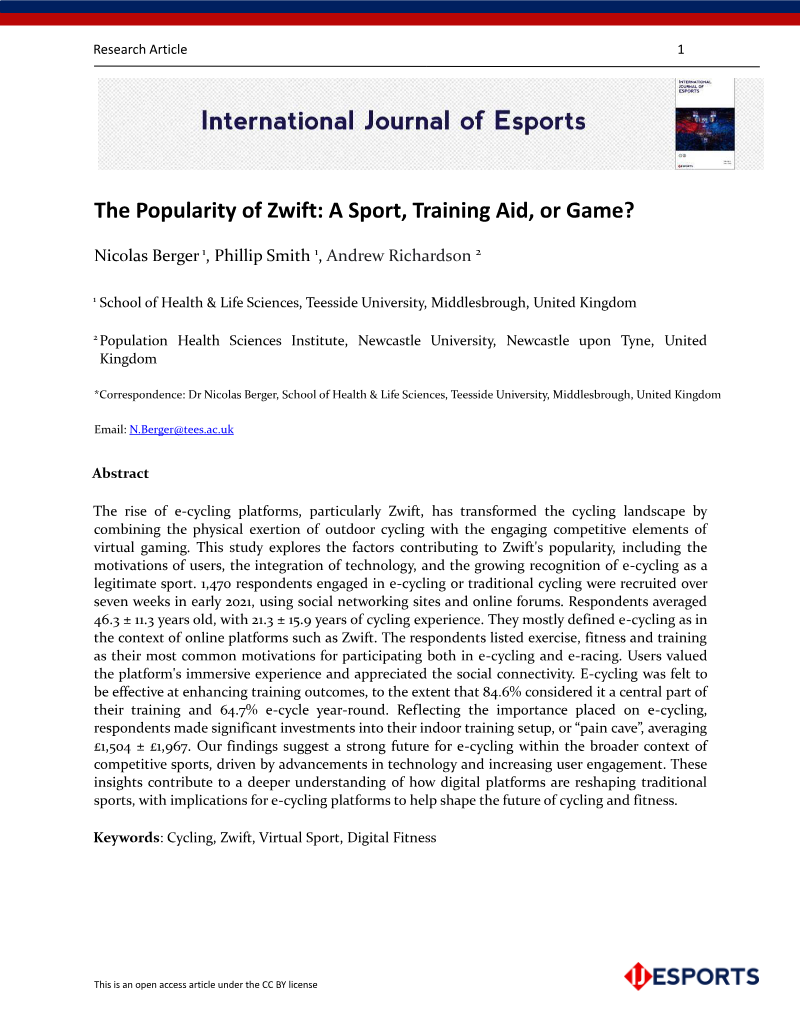
International Journal of Esports · 2025
International Journal of Esports · 2025
International Journal of Esports · 2025
International Journal of Esports · 2025
International Journal of Esports · 2025
International Journal of Esports · 2025
DiGRA · 2026