1 free read left. Create a free account for unlimited reading + AI research.
Create free accountArticle Gamecity Hamburg
1 free read left. Create a free account for unlimited reading + AI research.
Create free accountArticleGamecity Hamburg
The game moves away from the dystopian themes of its previous work. It explores human connection and the experience of grief.
Hamburg-based indie studio Osmotic Studios released its third title, the slice-of-life simulation and narrative drama Closer the Distance, on August 2, 2024, for PC, PS5, and Xbox Series X/S. In an interview with Gamecity Hamburg, CEO Daniel Marx explains the game's origins, offers advice on securing publishers and investors, and reflects on the pressures facing narrative-driven indie games.
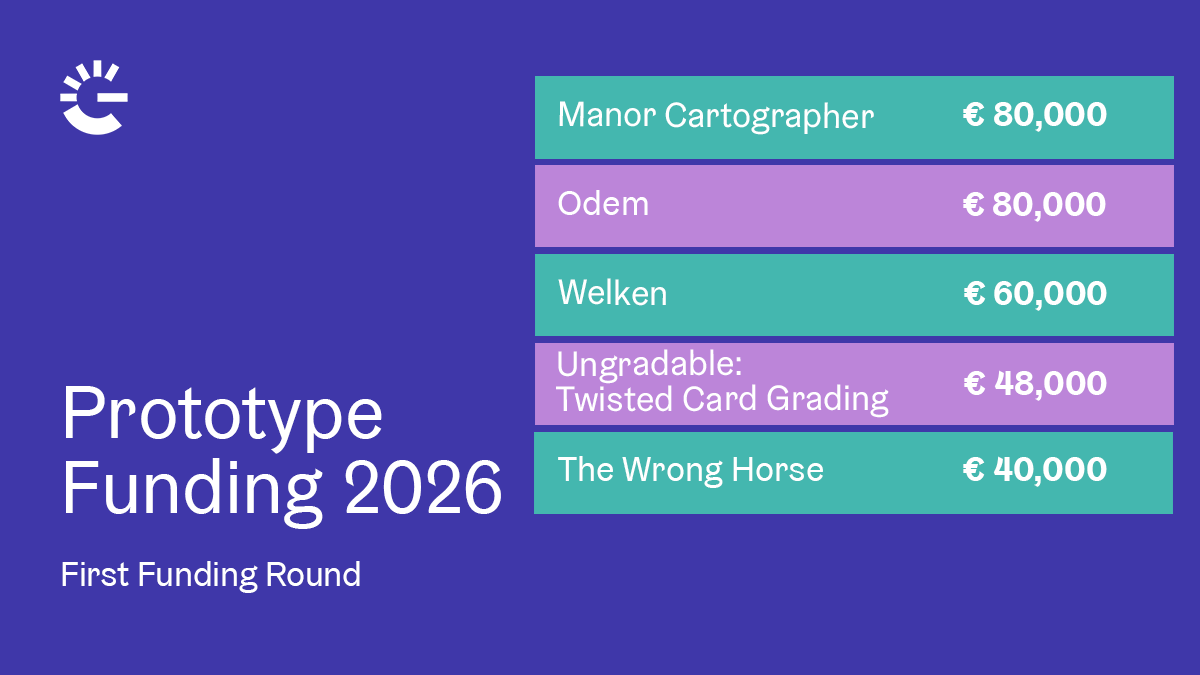
Marx describes the project as a deliberate departure from the studio's dystopian Orwell titles, which dealt with surveillance and misinformation. After co-founder Mel Taylor left and new staff joined, the team wanted to avoid endless Orwell sequels and create something new. The concept, watching over loved ones from the afterlife and grappling with grief, drew inspiration from Life is Strange. It began as a time-loop puzzle game before evolving into a real-time simulation of all characters, whom the player guides. Prototype funding from Creative Europe MEDIA and support from the German government's computer game funding program helped shape development, and Skybound Games published the finished title.
On publishing, Marx stresses that there is no free money: publishers and investors take rights to the game, revenue, company, or IP, so developers should know what they need and accept the tradeoff knowingly. He recommends pitching early and to many publishers at once, ideally in person at events like Hamburg Games Conference or Gamescom. Developers should compare terms against other offers and public contracts such as Raw Fury's, negotiate, involve a lawyer, and avoid signing with people they feel uncomfortable with. He notes that deals have become harder to obtain since the earlier, better-funded investment climate in which Osmotic secured its own.
Marx acknowledges concerns that streaming and Let's Plays are eroding narrative game sales, along with the difficulty of standing out amid daily releases. Osmotic's response is to design around mechanics-driven experiences, with narrative as a result, to attract players of genres like life sims. His hopes are that the game resonates emotionally and sells well enough for the studio to make one more game.
Each row is a game or company this document names, each column a document, oldest first. A mark means that document names it. Select a row to see those documents.



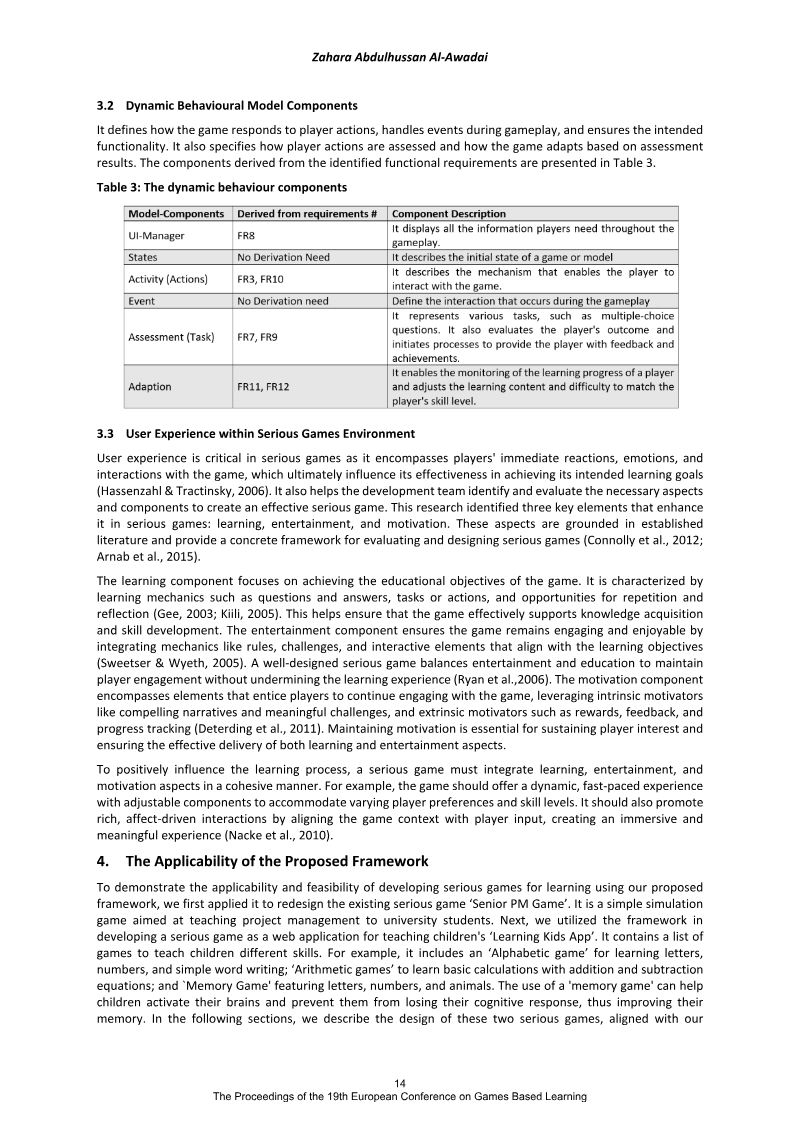
European Conference on Games Based Learning (ECGBL) · 2026



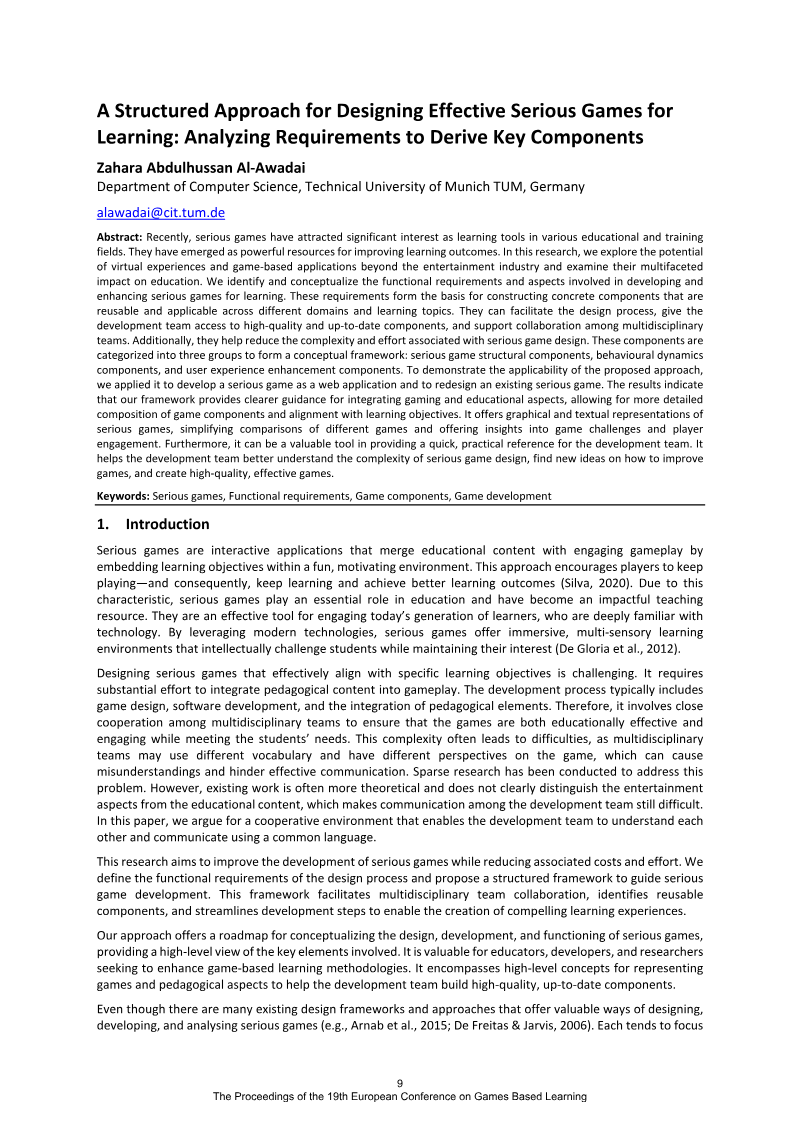
European Conference on Games Based Learning (ECGBL) · 2026
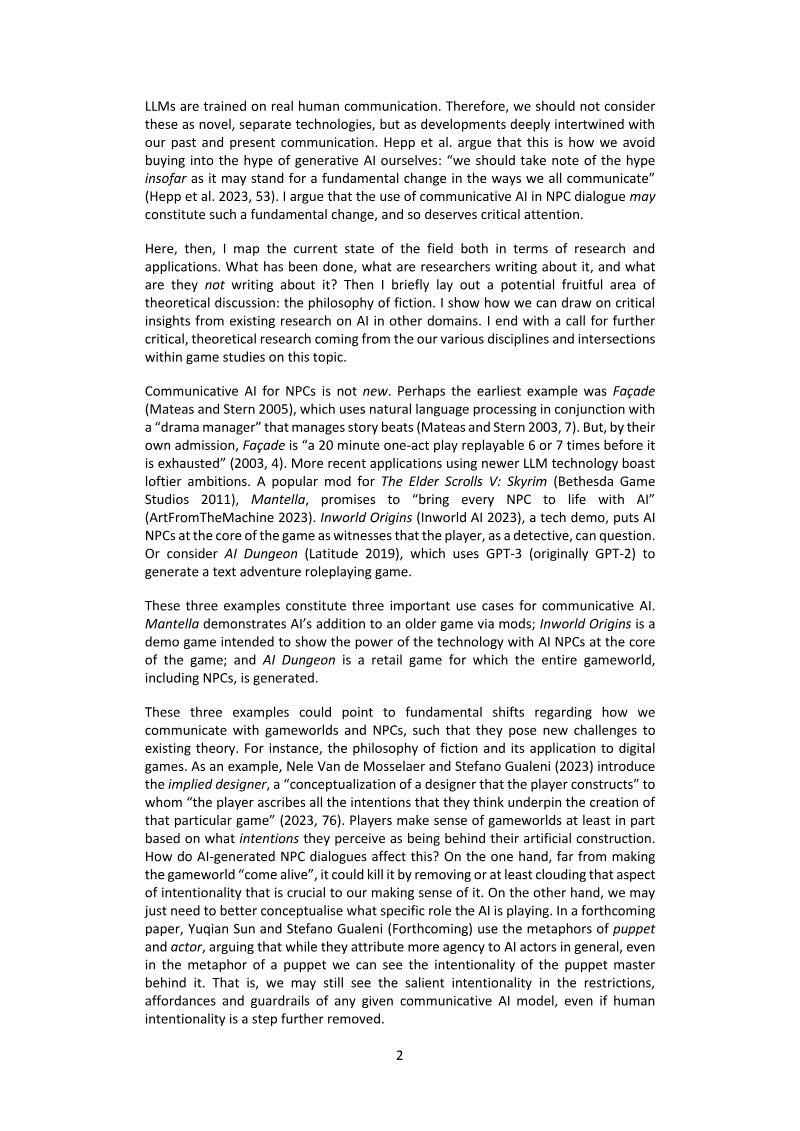
Gamecity Hamburg · 2026
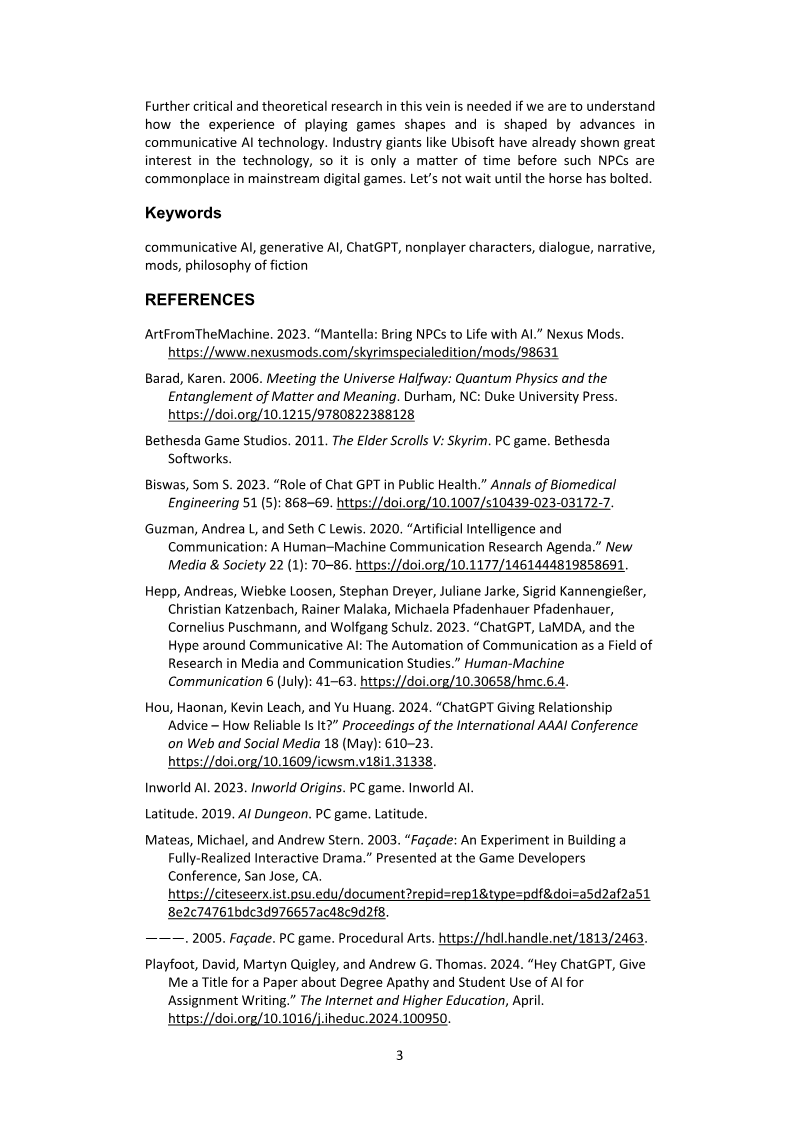
DiGRA · 2026