FinancialModern Times Group
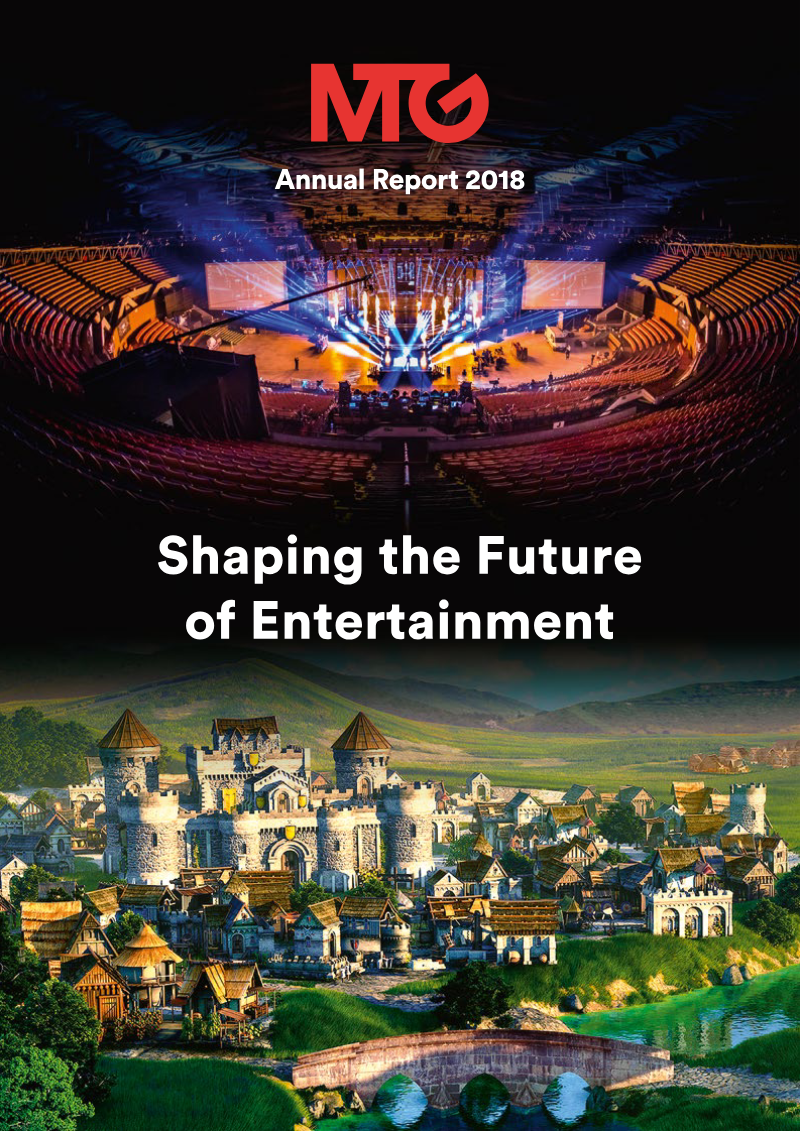
Annual Report 2018: Shaping the Future of Entertainment
201894 pages~270 min full read
In 2018 MTG delivered a robust financial rebound while executing a decisive strategic shift toward esports and digital‑video assets. Net sales rose 12‑13 % to SEK 19.7 billion and operating income increased 24 % to SEK 1.57 billion, lifting the operating margin to roughly 8 %. Net profit from continuing operations reached SEK 1.17 billion, yet net debt grew to SEK 2.58 billion (1.3 × EBITDA) and the board elected not to pay a dividend, resulting in a 15 % fall in B‑share price and an overall –11 % total shareholder return. Balance‑sheet strength improved, with total assets climbing to SEK 20.3 billion and equity to SEK 7.0 billion, while retained earnings stood at SEK 3.0 billion.
The year culminated in the separation of MTG from Nordic Entertainment Group (NENT), whose shares were listed on Nasdaq Stockholm in March 2019. Post‑split, MTG accelerated its pivot into the esports ecosystem, acquiring ESL, DreamHack, InnoGames and Kongregate, and divesting non‑core holdings such as Trace Partners. These moves positioned the company to capture growth in online gaming and competitive entertainment.
Corporate governance adhered to Swedish law and the Swedish Corporate Governance Code. The board, composed of six non‑executive directors, met 14 times and operated through remuneration, audit and risk committees. Executive remuneration remained tied to pre‑determined short‑term and long‑term performance targets, with STI capped at 100 % of fixed salary. Internal‑control and risk‑management frameworks were deemed effective and compliant with IFRS and Nasdaq requirements.
Accounting practices followed IFRS, recognising goodwill on acquisitions, applying the equity method for joint ventures, and translating foreign subsidiaries into SEK. A widening deferred‑tax deficit and a tax‑loss carry‑forward of SEK 111 million were disclosed. Capital was underpinned by a SEK 4 billion syndicated facility, of which only SEK 200 million was drawn. Overall, the 2018 results illustrate MTG’s financial resilience, a clear strategic reorientation toward esports, and solid governance and risk controls across its European‑centric media operations.
Modern Times Group · 2026
Modern Times Group · 2026
Modern Times Group · 2025
Modern Times Group · 2025

Modern Times Group · 2025
Modern Times Group · 2023
Modern Times Group · 2019
Modern Times Group · 2019
Modern Times Group · 2018

Modern Times Group · 2017
Modern Times Group · 2017
Modern Times Group · 2016
Modern Times Group · 2016

InvestGame · 2025
Stream Hatchet · 2025
Paradox Interactive · 2025
BITKRAFT Ventures · 2025
Stream Hatchet · 2024
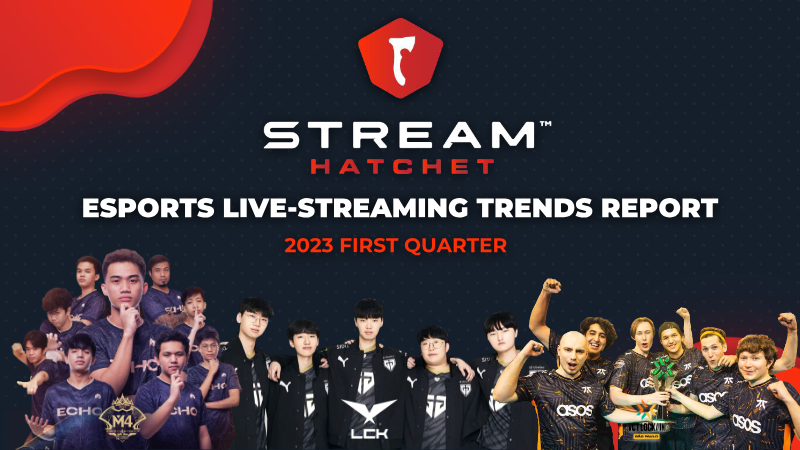
Stream Hatchet · 2023
Niko Partners · 2023
Niko Partners · 2023
Stream Hatchet · 2022
Stream Hatchet · 2022
Newzoo · 2022