PC & Console
Steam, consoles, cross-platform play and cloud gaming.
145 documents

Newzoo
ReportIntroduction to the Chinese Games Market: Opportunities in This Expanding Market
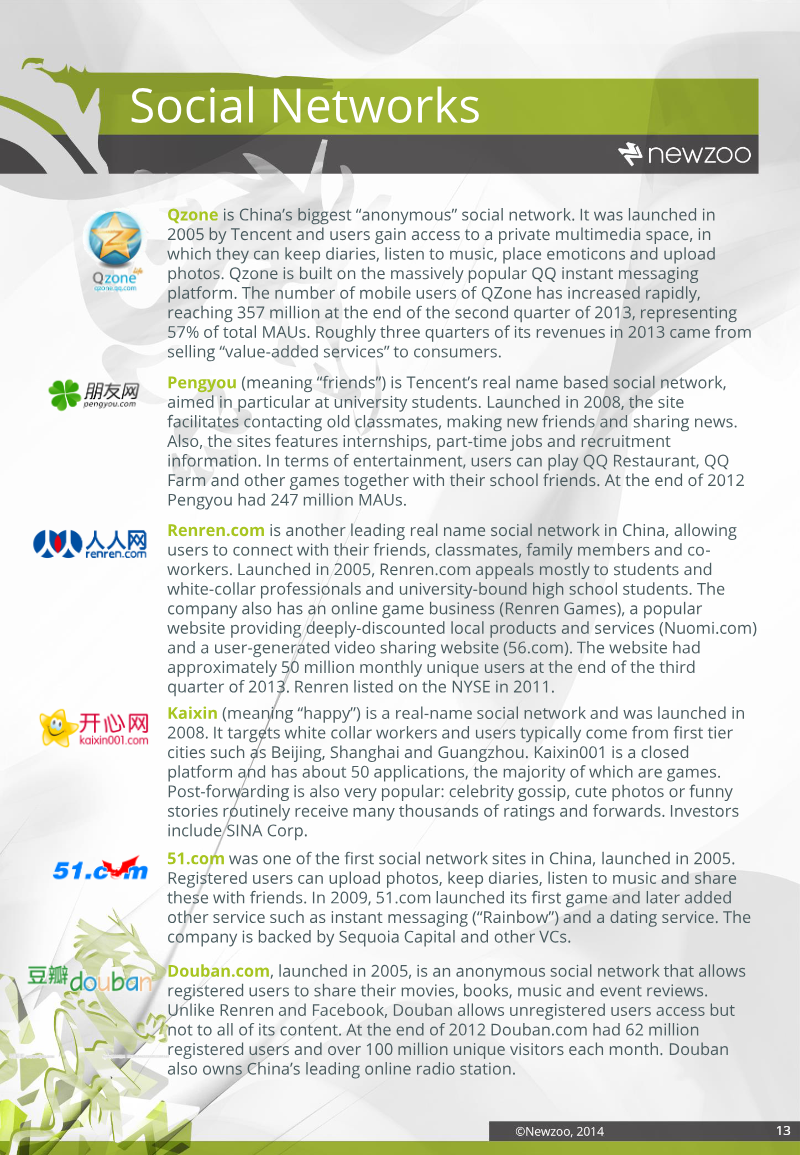
The Chinese gaming market stands as the world’s largest and most dynamic digital ecosystem, characterized by a massive user base of 490 million gamers and a rapidly evolving technological landscape. As of 2013, the industry generated RMB 83.2 billion in revenue, reflecting a 38% year-on-year increase. While traditional online client games continue to command the majority of revenue, the sector is undergoing a profound structural shift toward mobile platforms. This transition is fueled by widespread smartphone adoption, with mobile gaming experiencing a staggering 248.5% growth in users and a 246.9% surge in revenue during the observed period. Success within this environment requires a nuanced understanding of a fragmented distribution network dominated by domestic giants like Tencent and NetEase. Unlike Western markets, China’s digital infrastructure is deeply integrated into local social platforms and diverse app stores, necessitating strategic partnerships for foreign entities seeking to capitalize on the high demand for Western intellectual property. Although the market remains complex due to strict content-vetting requirements and hardware manufacturing regulations, the recent relaxation of the long-standing console ban and the high propensity for monetization among the 65% of players who pay for content present significant opportunities for international expansion. Ultimately, the Chinese market is defined by a mobile-first trajectory and a unique cultural preference for social, casual, and massively multiplayer online games. While piracy and censorship remain persistent challenges for Western developers, the sheer scale of the audience and the maturity of domestic platforms provide a compelling landscape for growth. Navigating this space effectively demands a departure from traditional Western business models in favor of localized strategies that leverage domestic search engines, handset manufacturers, and established local publishing ecosystems to reach the country’s vast and highly engaged gaming population.

Newzoo
ReportEsports in the Americas: Sports, Spanish, and Spending
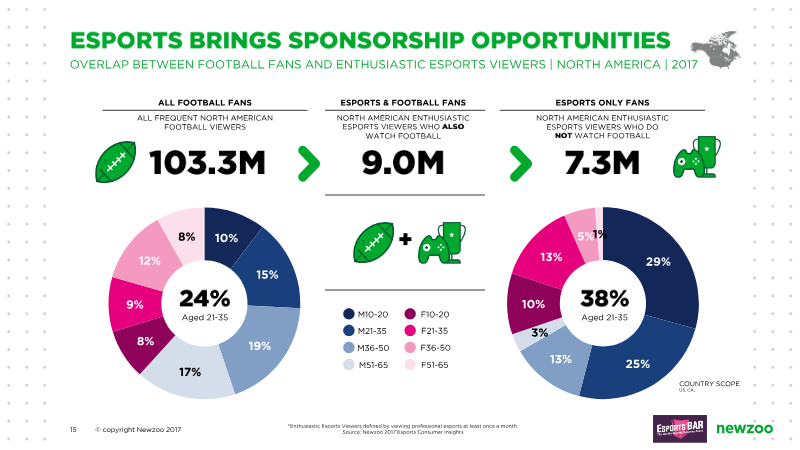
The Americas represent a critical hub for the global esports industry, accounting for 25% of the worldwide audience and 40% of total industry revenues. The region is characterized by a high degree of cultural and linguistic diversity, necessitating tailored strategies for North and Latin American markets rather than a one-size-fits-all approach. While North America has attracted significant capital from venture capitalists and traditional media, Latin America has emerged as a powerhouse for professional talent, particularly in titles like League of Legends and Counter-Strike: Global Offensive. Data indicates that the esports economy in the Americas is expanding rapidly, with the total audience projected to grow significantly by 2020. Language plays a pivotal role in engagement, as nearly half of the regional audience speaks Spanish or Portuguese. Furthermore, esports viewership is notably high among Hispanic and Latino populations in the United States. Traditional sports organizations are increasingly capitalizing on this growth, with numerous professional clubs across both continents investing in esports teams to reach younger demographics and diversify their fan engagement strategies. Methodologically, these insights are derived from consumer research and market analysis, utilizing over 200 variables to profile audience demographics, media consumption habits, and spending behaviors across 28 countries. The findings highlight that successful market penetration requires a deep understanding of local gaming preferences, as popular titles vary significantly by country—ranging from established franchises like Crossfire in Brazil to niche titles like Garry’s Mod in the United States. Ultimately, the report underscores that the intersection of traditional sports, diverse linguistic communities, and targeted digital marketing represents the primary driver for future commercial success in the Americas.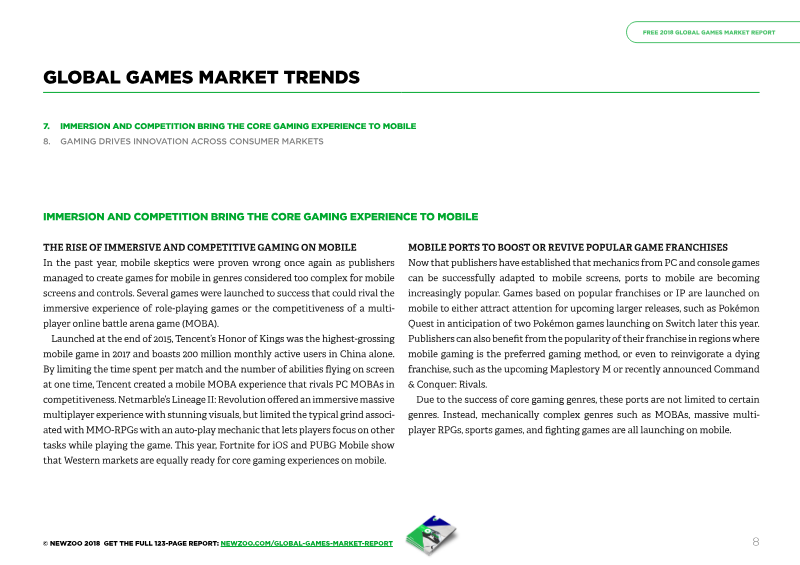

Newzoo
Report2018 Global Games Market Report: Trends, Insights, and Projections Toward 2021
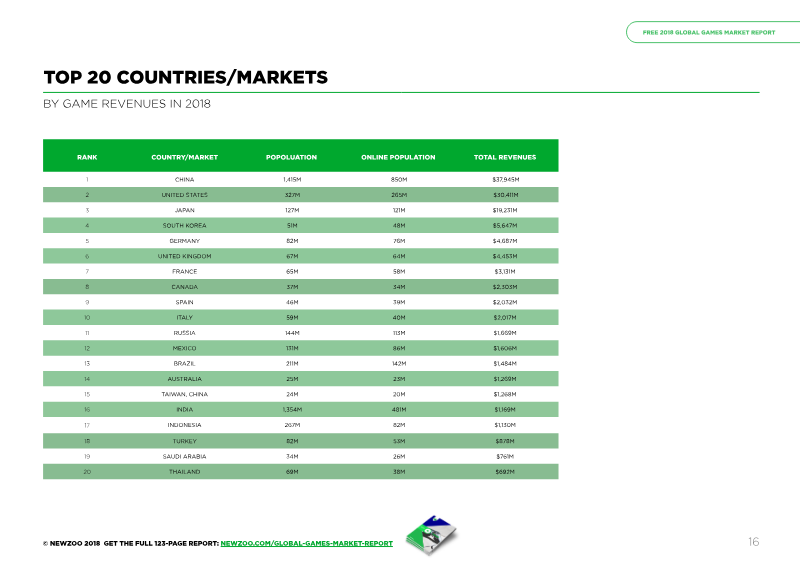
The 2018 Global Games Market Report provides a comprehensive analysis of the gaming industry’s rapid expansion, projecting total global revenues to reach $137.9 billion in 2018. The primary thesis posits that the industry has entered a new phase of accelerated growth driven by mobile accessibility, the normalization of Games-as-a-Service (GaaS) models, and the increasing power of consumer communities. The report highlights a fundamental shift in how the industry operates, moving away from traditional product-based sales toward long-term engagement strategies that encompass playing, viewing, and owning gaming content. Key findings indicate that mobile gaming has become the dominant segment, accounting for 51% of global revenues, or $70.3 billion. While the Asia-Pacific region remains the largest market, contributing 52% of total global revenue, significant growth is observed in emerging markets where in-app advertising is increasingly vital. The report also identifies the rise of subscription-based services and cross-platform play as critical trends that are disrupting traditional distribution models and challenging the dominance of established platforms like Steam. Furthermore, the emergence of "instant gaming" on social networks is noted as a key driver for reaching casual audiences without the friction of downloads. The scope of the analysis is global, covering 28 countries and markets with data projections extending through 2021. The methodology relies on extensive research into consumer behavior, segmenting the global audience into 64 distinct types of "game enthusiasts" based on their engagement across playing, viewing, and owning dimensions. By analyzing these trends, the report concludes that the games industry is increasingly influencing broader entertainment sectors, with competitive gaming and streaming becoming central to the modern gaming experience.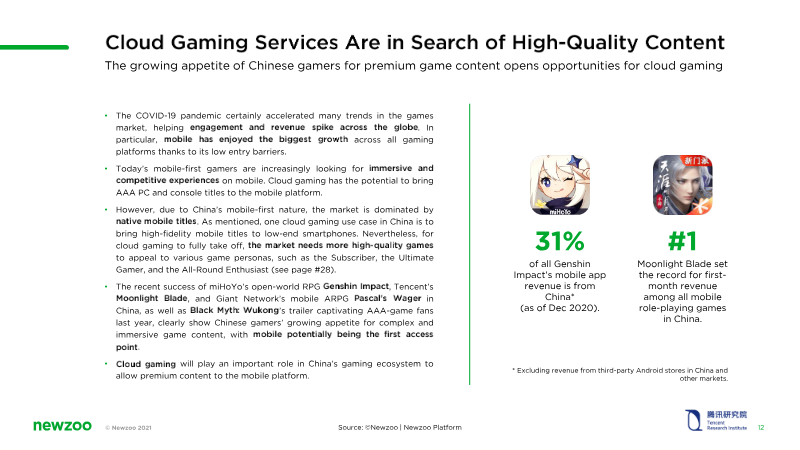

Newzoo
ReportCloud Gaming in China: Key Developments and How It Differs from the West
The Chinese cloud gaming market is undergoing a period of rapid expansion, positioning the nation as a global leader in 5G-ready infrastructure and cloud-based innovation. Driven by a mobile-first consumer base and aggressive deployment of edge computing, the industry is projected to achieve a compound annual growth rate of 135% between 2020 and 2023. This growth is underpinned by a strategic focus on hardware-agnostic experiences that prioritize accessibility across mobile, PC, and television platforms, distinguishing the local ecosystem from Western models that primarily leverage established console and PC libraries. Unlike Western services, which emphasize streaming high-fidelity titles to existing hardware, the Chinese market is defined by unique cross-industry partnerships and the emergence of cloud phones. Major players such as Tencent and MiguPlay are actively integrating 5G capabilities to overcome technical hurdles, aiming to capture a demographic that values flexibility and high-performance streaming. This shift is further supported by a significant increase in technical patent filings, reflecting a concerted effort to build a robust, cloud-native architecture capable of supporting large-scale gaming experiences. Despite this momentum, the sector faces persistent challenges, including the need for premium content to drive user engagement and the difficulty of overcoming subscription fatigue among consumers. Success in this competitive landscape remains contingent upon the ability of providers to differentiate their platforms and secure high-quality content libraries. As the industry matures, the focus is shifting toward optimizing performance and refining business models to ensure long-term viability in a market that is increasingly defined by its technical agility and mobile-centric consumption habits.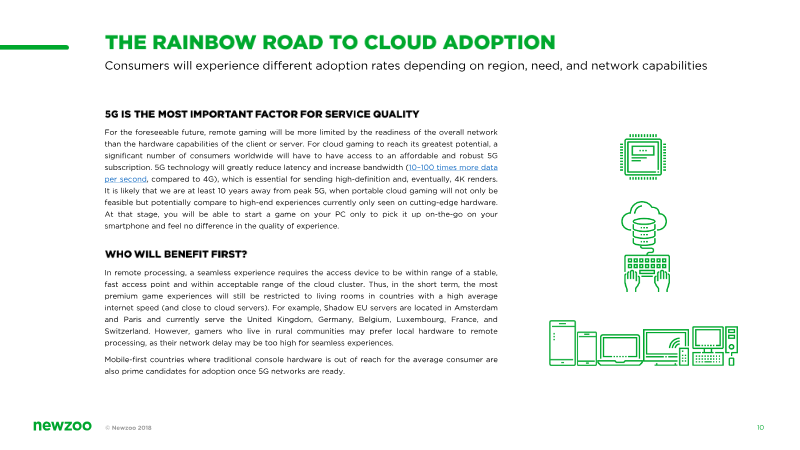

Newzoo
ReportCloud Gaming: The Perfect Storm
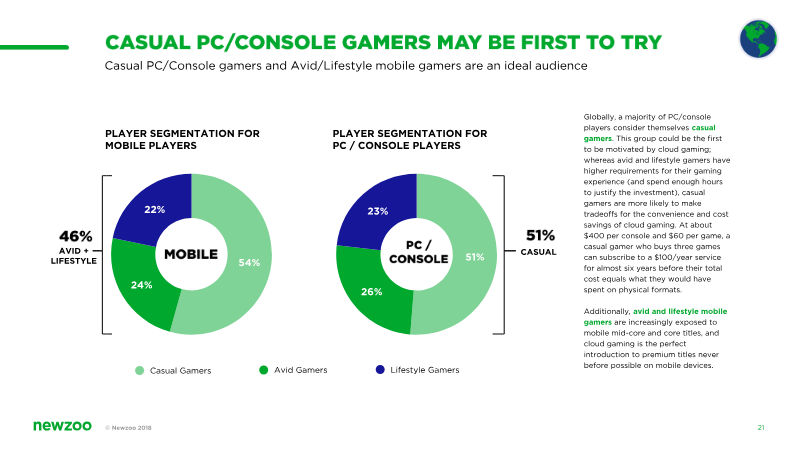
Cloud gaming represents a fundamental shift in the interactive entertainment landscape, transitioning the industry from a hardware-dependent model to a flexible, on-demand service ecosystem. By streaming high-fidelity content from remote servers directly to consumer devices, this technology effectively removes the necessity for expensive local rigs or physical media. This evolution lowers the barrier to entry for casual and mobile audiences, fostering a more inclusive market while enabling developers to explore innovative monetization strategies and gameplay mechanics that were previously constrained by local processing power. The long-term viability of this model is inextricably linked to the global rollout of 5G infrastructure. High-speed, low-latency connectivity is essential to mitigate the technical friction that currently hinders the user experience. While the potential for market expansion is significant, the industry must overcome substantial hurdles, including bandwidth competition from other data-intensive applications and the requirement for massive capital investment in network architecture. Consequently, cloud gaming is poised to function as a complementary force rather than a total replacement for traditional PC and console gaming. For cloud gaming to achieve true mass-market penetration, developers must move beyond simple porting and focus on creating streaming-native content that leverages the unique advantages of cloud infrastructure. While the technology promises to redefine how games are accessed and consumed, its trajectory remains tethered to the pace of telecommunications advancements. For the foreseeable future, the industry will likely maintain a hybrid state, where cloud-based services coexist alongside established hardware platforms to serve a diverse spectrum of global gaming needs.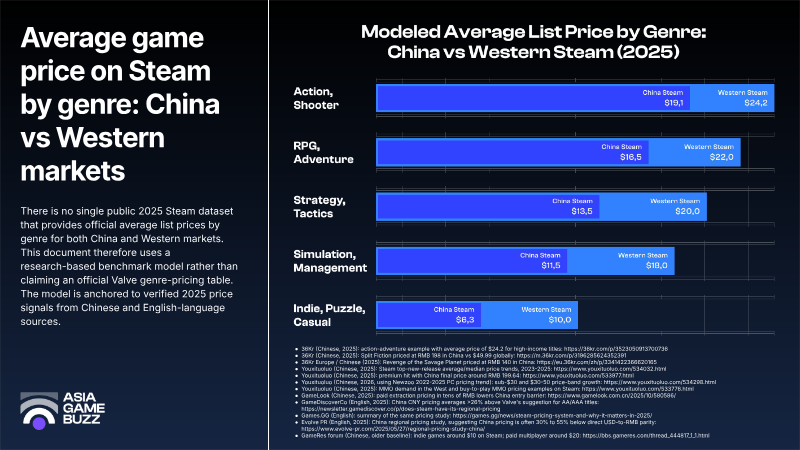
Asia GameDev
ReportChina Steam & PC Gaming Market Report: 2025
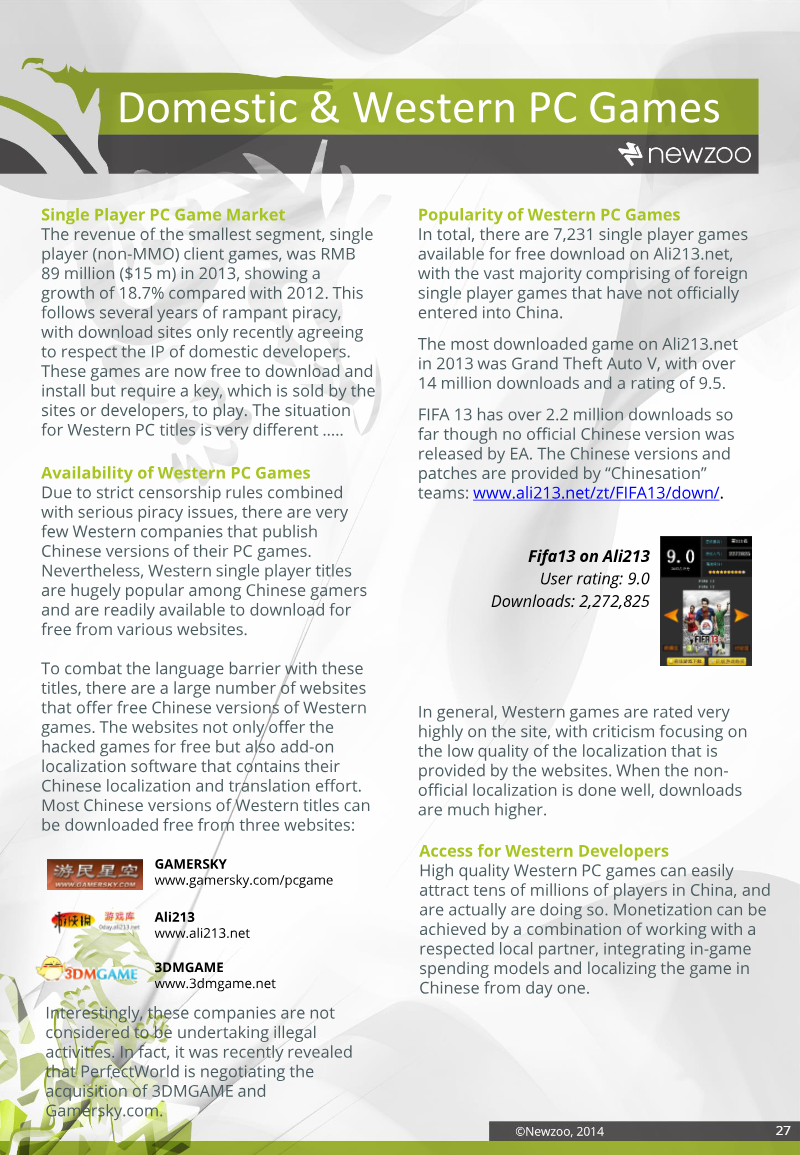
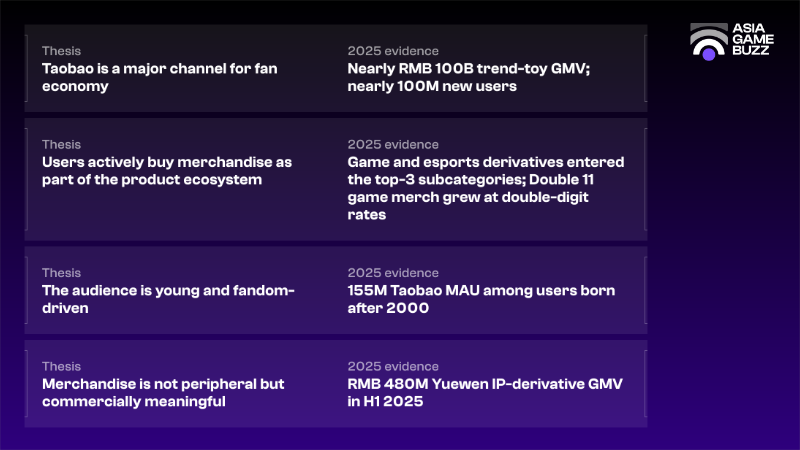
The Chinese PC gaming market has reached a valuation of approximately $11–12 billion within a broader national gaming industry worth RMB 350.78 billion. Steam maintains a dominant position, commanding an 87% market share, though the broader distribution landscape remains highly fragmented. Developers must navigate a complex ecosystem where traditional storefront metrics are often obscured by grey-market and cross-region transactions. Consequently, pricing strategies must account for local market realities, as Steam titles in China are consistently priced 21% to 37% lower than Western benchmarks to align with regional purchasing power and consumer expectations. Success in this market is increasingly predicated on community-led discovery rather than traditional store-page traffic. Platforms such as Bilibili, TapTap, Heybox, and Sonkwo serve as essential hubs for user-generated content, creator-driven promotion, and player engagement. The rise of a sophisticated fan economy further underscores this shift, as hit titles are now built through long-term community hype and viral social media resonance. Specialized offline events, such as WePlay Expo and G-Fusion, have proven more effective for reaching core PC and indie gaming audiences than mass-market trade shows. International developers looking to penetrate this sector must prioritize local content ecosystems over conventional marketing funnels. Because discovery and validation are driven primarily by streamers and community influencers, go-to-market strategies require deep integration with Chinese digital platforms. Navigating these unique cultural and commercial dynamics necessitates specialized local expertise to effectively manage community engagement and optimize commercialization efforts within this distinct, high-growth environment.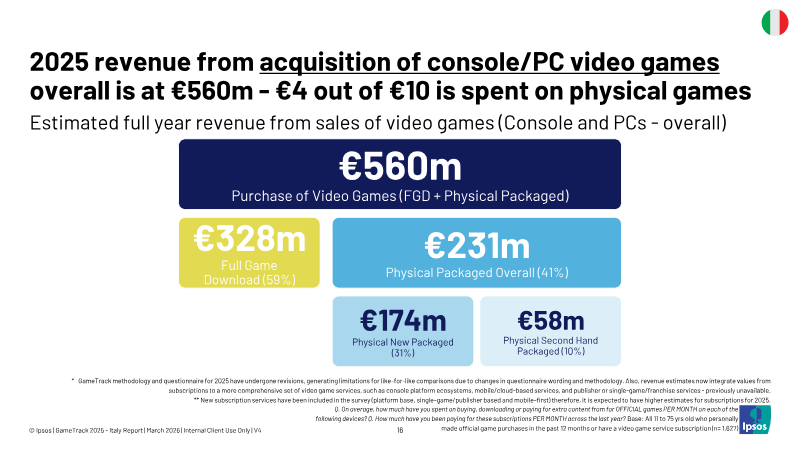

IIDEA – Italian Interactive Digital Entertainment Association
ReportEssential Facts about Video Games in Italy: 2025
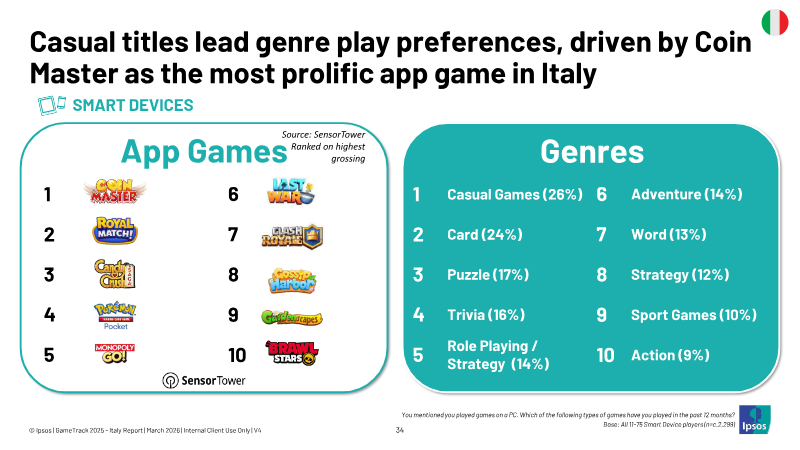
In 2025, roughly 14.2 million Italians—about a third of the population aged six to seventy‑five—engage in video gaming, with a pronounced male bias and a concentration of players under 35. The industry’s total revenue remains steady at €2.4 billion, of which game sales account for 77 percent (€1.8 bn). Gaming time has risen to nearly eight hours per week, driven primarily by smart‑device play (22 percent reach, €929 m revenue) and console gaming (13 percent reach, €643 m). App‑based games now represent more than half of the market, dominated by freemium monetisation; only one percent of app revenue comes from upfront purchases. Revenue distribution varies by platform. Smart‑device earnings are almost entirely from in‑app purchases (ARPU €84), while console sales lean heavily on digital downloads—65 percent of new game revenue comes from full‑game downloads (€502 m) and 21 percent from DLC (ARPU €99). PC revenue is largely driven by DLC (43 percent) and full‑game downloads (98 percent of console sales). Subscription services are pivotal: console ecosystem subscriptions contribute 59 percent of total gaming‑subscription revenue (€153 m), with mobile and single‑game franchises accounting for 6 percent and 35 percent respectively. Player demographics reveal that smart devices attract a younger, male‑skewed audience (31 percent of 6–17‑year-olds), whereas console and PC gaming remain niche but heavily male‑skewed, concentrated among teens. Casual and sports titles dominate sales across all platforms, with subscription services such as PlayStation Plus and Xbox Game Pass driving a significant share of paid play. Engagement patterns show males spending the most hours on consoles (average seven hours per week), while PC gaming remains steady across age groups. Approximately one‑quarter of players follow gaming news on YouTube or vlogs, and 20 percent rely on social media or family discussions for information. The data derive from a nationally representative online survey of 3,000 respondents, weighted against an offline omnibus sample and calibrated to industry sales figures.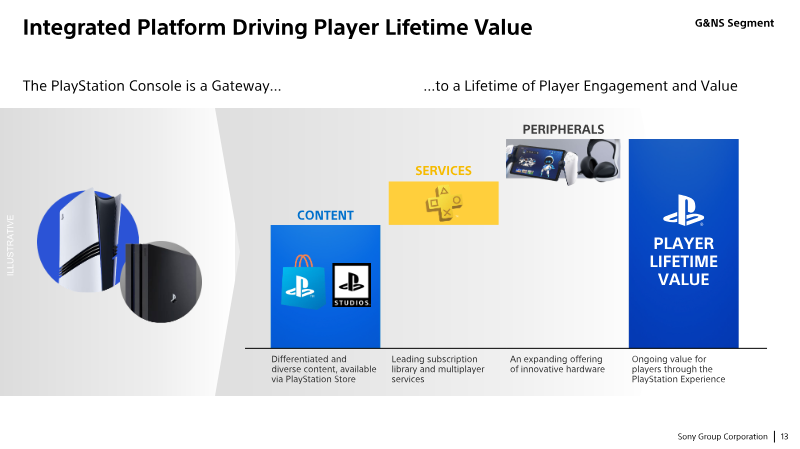
Sony Interactive Entertainment
PresentationGame & Network Services Segment Presentation
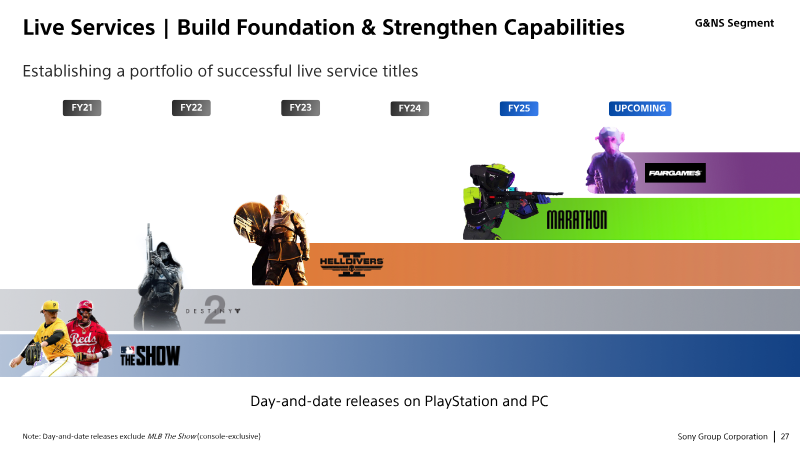
Sony Interactive Entertainment’s Game & Network Services segment demonstrates a clear trajectory of growth and increasing operating leverage. Console sales have risen from $24 B in 2000 to $136 B in 2024, while operating income has shifted from a –$4 B loss to $13 B. The PlayStation ecosystem now supports 124 million monthly active users, a 14% year‑over‑year increase, and generates $846 in life‑to‑date spend per console. A diversified content mix of over 12 000 titles and high‑engagement live‑service games underpins this momentum, with revenue increasingly driven by services such as PlayStation Plus, the Store, and peripherals—accounting for roughly 52–54 % of total revenue. Strategically, Sony is building a multi‑device ecosystem that expands single‑player franchises to PC, television, film, and location‑based entertainment while reinforcing live‑service titles like HellDivers and Astro. The company leverages artificial intelligence, cloud computing, and cross‑Sony Group partnerships to broaden audience reach and enhance operational efficiency. Portfolio diversification, rigorous development processes, and strategic collaborations are central to capitalizing on the current console generation’s momentum. The company’s roadmap balances sustainability initiatives—“Road to Zero & Safety & Community”—with profitable growth. Projected platform revenue of $26.8 B and operating income rising from $1.8 B to $2.7 B reflect disciplined investment in intellectual property, content, and services within an agile cost structure. Sony aims to maintain its leading market position while extending franchise reach across PC, television, and media, ensuring long‑term profitability in a rapidly evolving industry.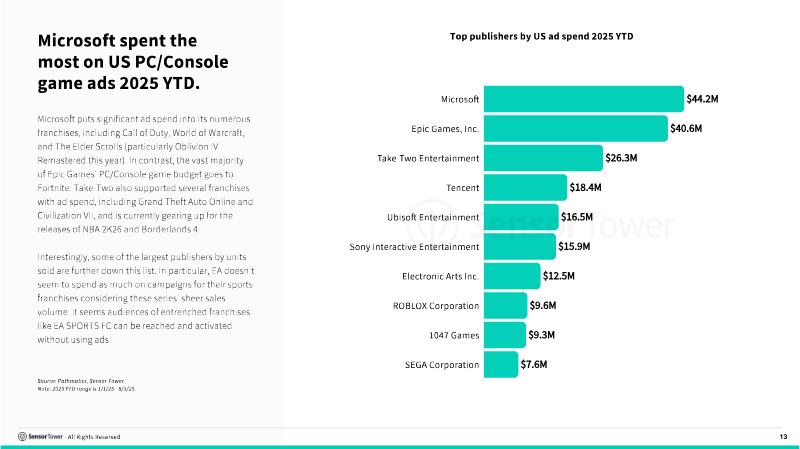
Sensor Tower
ReportPC/Console Gaming Index: 2025
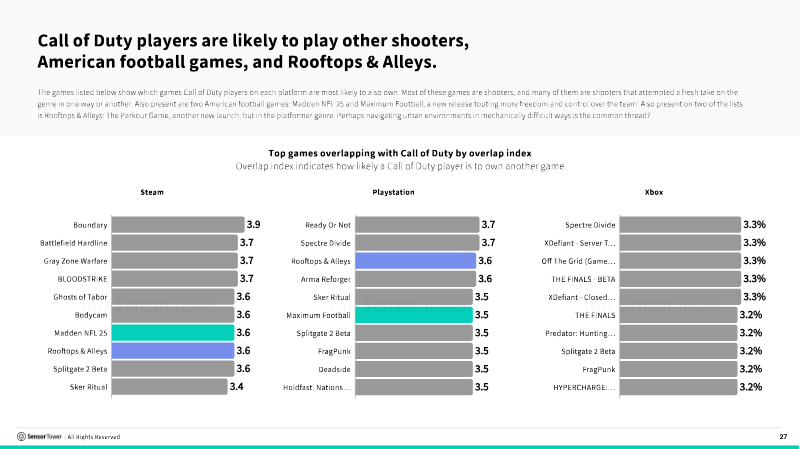
The 2025 PC/Console Gaming Index demonstrates that action titles dominate the market, with approximately 262 million downloads year‑to‑date. Indie and AA developers such as R.E.P.O., Split Fiction, and Peak contribute the majority of these downloads, while Steam remains the leading platform for both volume (≈450 million downloads) and premium revenue. Console ecosystems differ: PlayStation and Xbox each secure around 376 million and 283 million downloads respectively, with a pronounced preference for AAA releases (≈50 % each). Electronic Arts leads global download counts at roughly 82.8 million, followed by Microsoft (≈71 million) and Sony (≈55 million). Steam’s marketplace favors indie publishers, who account for 60 % of downloads, whereas PlayStation and Xbox are dominated by large studios. Monetization patterns diverge across platforms: Xbox users largely adopt free‑to‑play models (≈39 % of downloads), driven by Game Pass and cross‑platform titles, whereas Steam users prefer premium content (≈79 % paid). PlayStation exhibits the highest premium skew among consoles, with 83 % of downloads from paid titles. Microsoft’s year‑to‑date download total reaches 452 million, with mobile accounting for 83 % of that figure and PC/console contributing 75 million. Sony’s strategy focuses on internal studios, generating 55 million PC/console downloads and 15 million mobile downloads centered on anime‑IP titles. Key publishers such as Kepler Interactive and Deep Silver excel in AA performance, while American and Japanese studios dominate global PC/console downloads—particularly on Xbox (over 50 % US share) and PlayStation (22 % Japanese share). Monster Hunter Wilds illustrates a shift from pre‑launch pet and cooking themes to post‑launch epic gameplay, with US creatives featuring PlayStation branding and Japanese creatives using Capcom branding. Steam remains the dominant download platform, delivering nearly four times more downloads than PlayStation. The campaign’s channel shift saw TikTok fall from #2 to #7 post‑launch, while OTT rose to #2 in US spend, indicating a transition from trend‑driven hype to sustained engagement.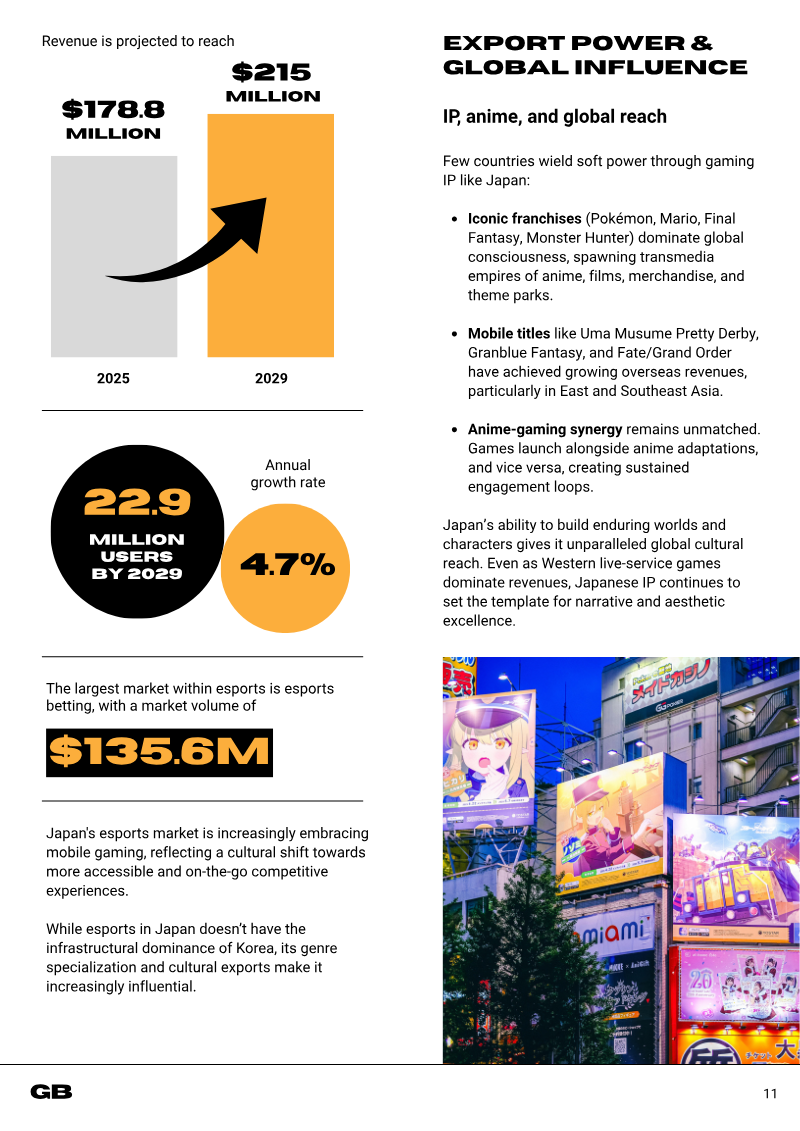
GamesBeat
ReportAsia Pacific Market Report 2025: Creating Opportunities for Video Games in Asia
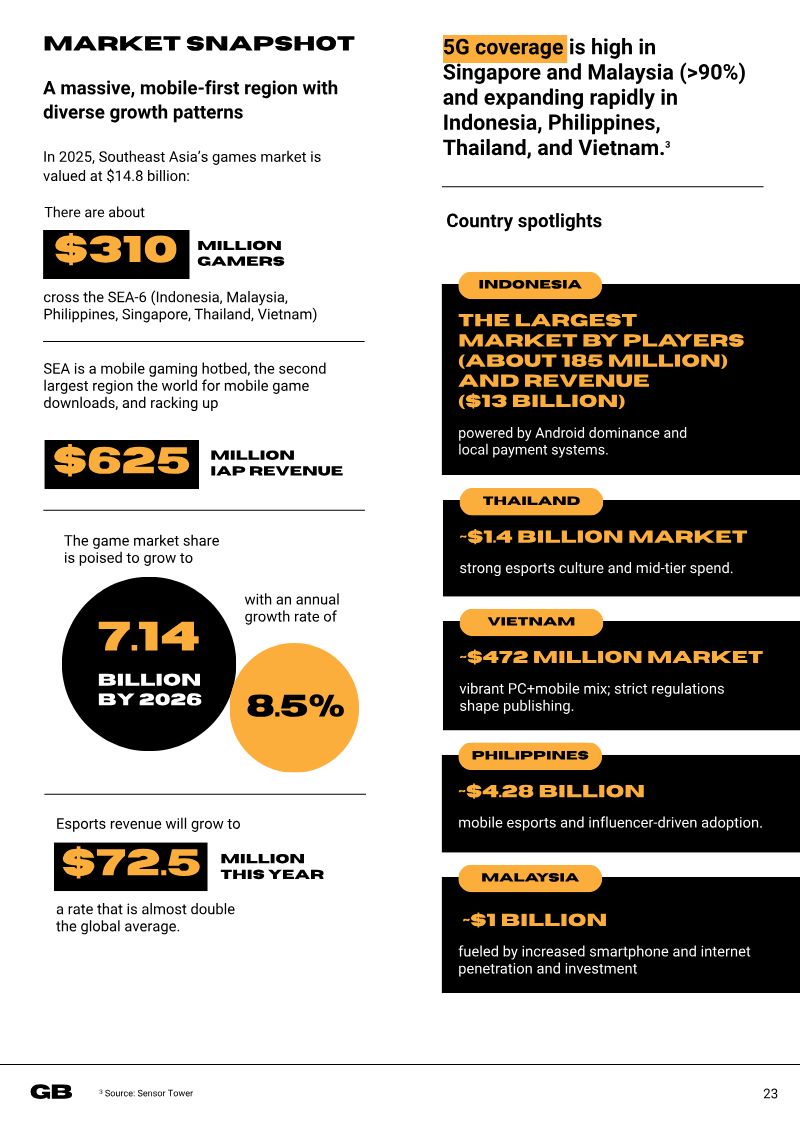
Asia’s gaming landscape in 2025 is dominated by a triad of regional strengths that together shape the global market. Japan remains the cultural nucleus, with iconic franchises such as Pokémon, Final Fantasy and Monster Hunter generating $215 billion in worldwide influence and $178.8 million in IP revenue, while mobile titles like Fate/Grand Order expand overseas earnings. The country’s mature domestic market and brand prestige are offset by regulatory limits on gacha mechanics, sparse esports sponsorships, and a need to align with global live‑service standards. Success will depend on leveraging storytelling prowess and anime‑gaming synergies rather than chasing fleeting trends. South Korea contributes a high‑speed, 5G‑driven esports ecosystem and hybrid free‑to‑play models that set industry benchmarks for competitive play and monetization. Southeast Asia, meanwhile, is the fastest‑growing mobile‑centric market, with a $14.8 billion industry powered by 680 million under‑30 residents and high mobile engagement. Monetization is shifting from ad‑heavy hypercasuals to midcore RPGs and MOBAs, supported by local payment systems such as GCash and GoPay. Esports in the region is projected to generate $350–380 million, underscoring its economic significance. Developers face significant entry barriers across the APAC region, including localization challenges, fragmented regulations, and diverse payment ecosystems. End‑to‑end solutions that integrate local payments, provide compliance support, and enable flexible distribution are essential. Embedding community‑driven monetization—through affiliate revenue shares, in‑game branded content, and live‑stream partnerships—offers a sustainable path to growth. The overarching thesis is that deep cultural insight, sharp localization, and adaptability to mobile‑first dynamics are the keys to unlocking opportunities in Asia’s rapidly evolving gaming market.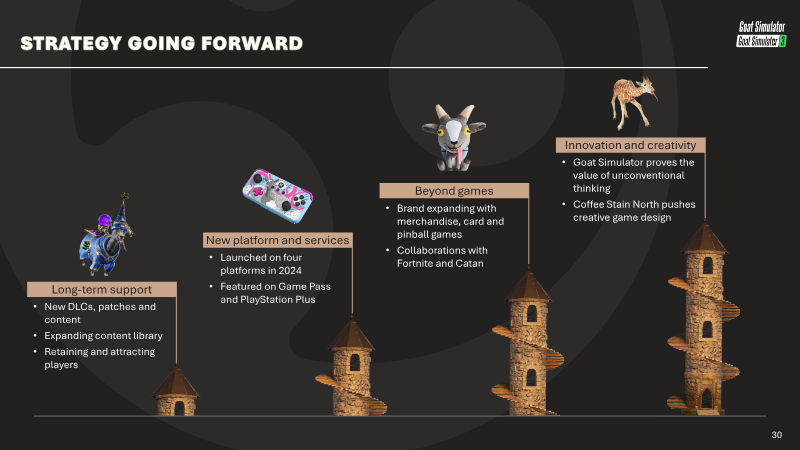

Coffee Stain Group AB
PresentationCapital Markets Event 2025: Coffee Stain Group
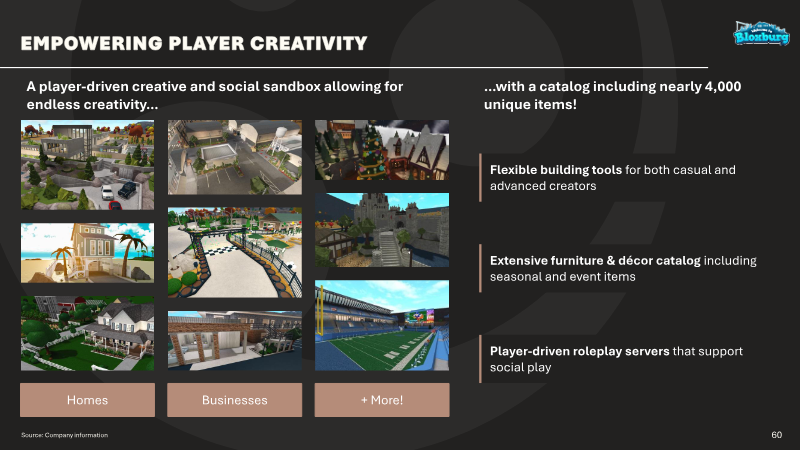
Capital Markets Event 2025 showcases the Coffee Stain Group’s strategy of building a portfolio around small, autonomous teams that prioritize gameplay quality and community engagement. Ninety percent of net sales derive from a handful of flagship titles—most notably Goat Simulator, Deep Rock Galactic and Satisfactory—which consistently achieve high review scores (above 96 %) and generate lifetime sales up to SEK 2 bn. The company’s partnership model, publishing and investing in niche‑focused games, sustains long‑term value through continuous content updates and a symbiotic developer‑player relationship. The global gaming market is projected to grow at 3 % CAGR across all platforms, driven by rising consumer spend and the expansion of Steam, mobile, Game Pass and PlayStation Plus. Despite saturation and increased competition for player attention, Coffee Stain maintains a strong presence; its titles enjoy high review counts (over 500 k for Goat Simulator) and retain players through regular updates, platform expansions and community‑driven development. Innovation, creative gameplay and long‑term support are core to the firm’s approach. Strategic collaborations reinforce this model. The partnership with Tuxedo Labs leverages the proprietary Teardown physics engine, producing a highly engaged community (10 000+ mods, 20 major updates) and peak concurrent users of 60 k for Deep Rock Galactic seasons. The studio’s headcount grew from six to 47 FTEs over five years, illustrating the scalability of open development and a “make happy decisions” culture that drives both critical acclaim (e.g., 9.5/10 reviews) and commercial success. Coffee Stain’s Roblox title, Welcome to Bloxburg, exemplifies a successful free‑to‑play transition. With 791 k daily active users and SEK 1.35 bn in lifetime net sales, the monetization mix of currency purchases, optional unlocks and a premium subscription maintains a non‑pay‑to‑win stance while rebuilding player trust. The company’s lean cost base and strong cash generation are amplified by launch‑driven sales spikes from new content releases and strategic stakes such as its 30 % share in Iron Gate’s Valheim publishing. Financially, the group reports a net‑sales CAGR of 34 % to SEK 1.2 bn and a cash EBIT margin of 44 %. Cash reserves reach SEK 472 m in 2025, with no external debt, providing flexibility for capital allocation and potential M&A. The lean, autonomous team model underpins low overheads, high cash conversion (≈120 %) and a focus on developing existing IPs while selectively pursuing new opportunities across platforms and partnerships.
SELL – Syndicat des Éditeurs de Logiciels de Loisirs
Report