Mobile Games
The mobile market by genre, from hypercasual and puzzle to midcore and idle.
403 documents
Sensor Tower · 2020
ReportStore Intelligence Data Digest: Q3 2020
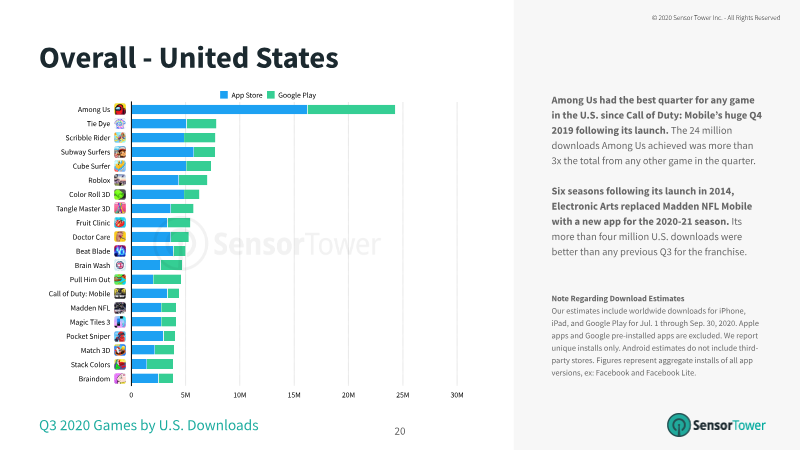
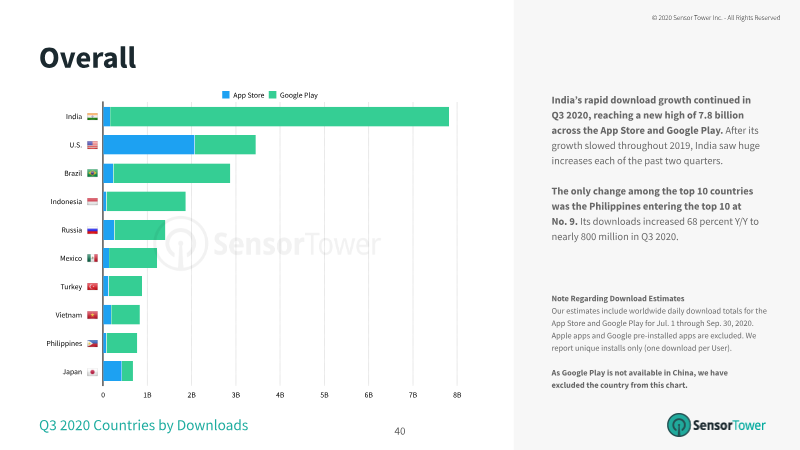
Global mobile app performance in the third quarter of 2020 reflected a landscape profoundly shaped by the COVID-19 pandemic, with total downloads reaching 36.4 billion. This 22.8% year-over-year increase was primarily fueled by Google Play, which saw a 30.3% surge in installs. While TikTok maintained its position as the top non-gaming application globally, the gaming sector experienced a historic breakout with Among Us, which became the first title since 2018 to surpass 100 million global downloads in a single quarter. This title alone generated 24 million downloads in the United States, tripling the performance of its closest competitors and signaling a shift toward social-driven gaming experiences. Market dynamics diverged significantly by platform and region during this period. While Google Play game downloads grew by 36.4% worldwide, the App Store saw a 4.7% decline, largely attributed to a 25% drop in game installs within the Chinese market. Despite these fluctuations, consumer spending in the United States remained at record levels, totaling $5.8 billion for the quarter. The Simulation and Casino genres emerged as primary growth drivers, increasing by 59% and 51% respectively. On the publishing side, Google remained the global leader with 850 million downloads, though hyper-casual specialist Voodoo achieved a milestone by becoming the top publisher on Google Play in Europe for the first time. The pandemic also fundamentally altered seasonal trends for utility and lifestyle applications. Education apps sustained a 21% year-over-year increase in downloads as remote learning tools like Google Classroom became essential infrastructure. Simultaneously, the sports category underwent a volatile recovery; after a stagnant spring, the return of professional leagues drove a 13% year-over-year increase in European downloads. This resurgence was particularly visible in the United States, where the rescheduling of major events led the NBA app to achieve five times its typical quarterly download volume, illustrating a broader trend of digital platforms capturing pent-up demand for live entertainment.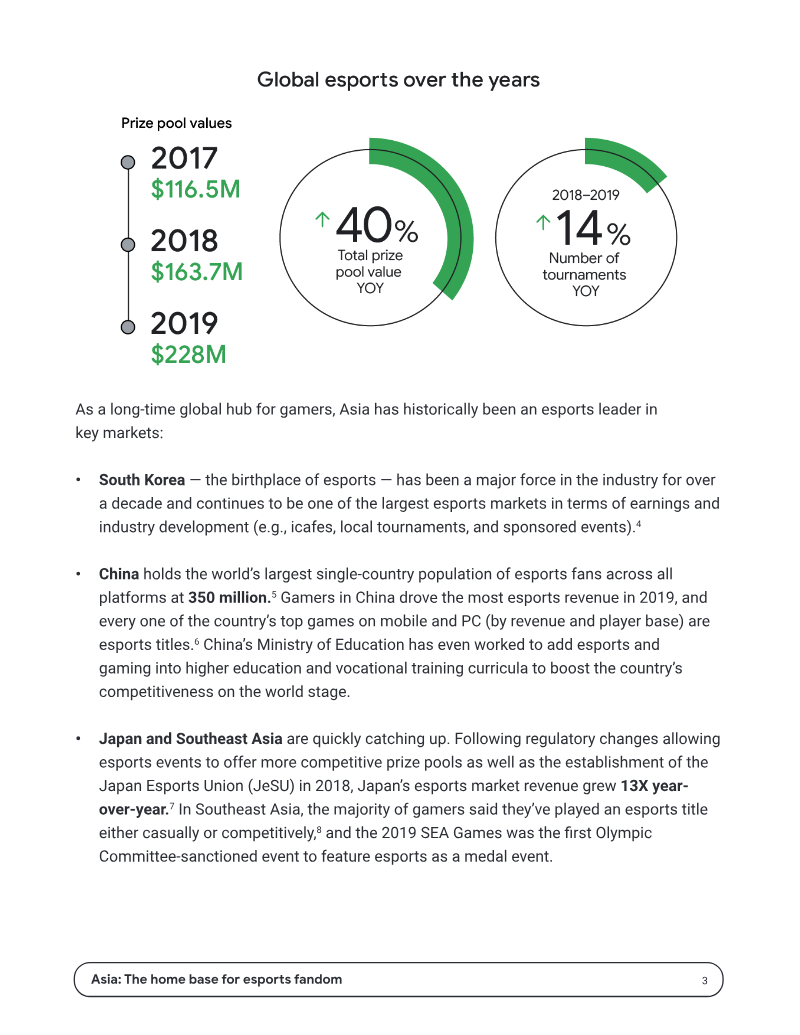
Niko Partners · 2020
ReportRise of the Player-Fan: The Growing Opportunity of Mobile Esports in Asia
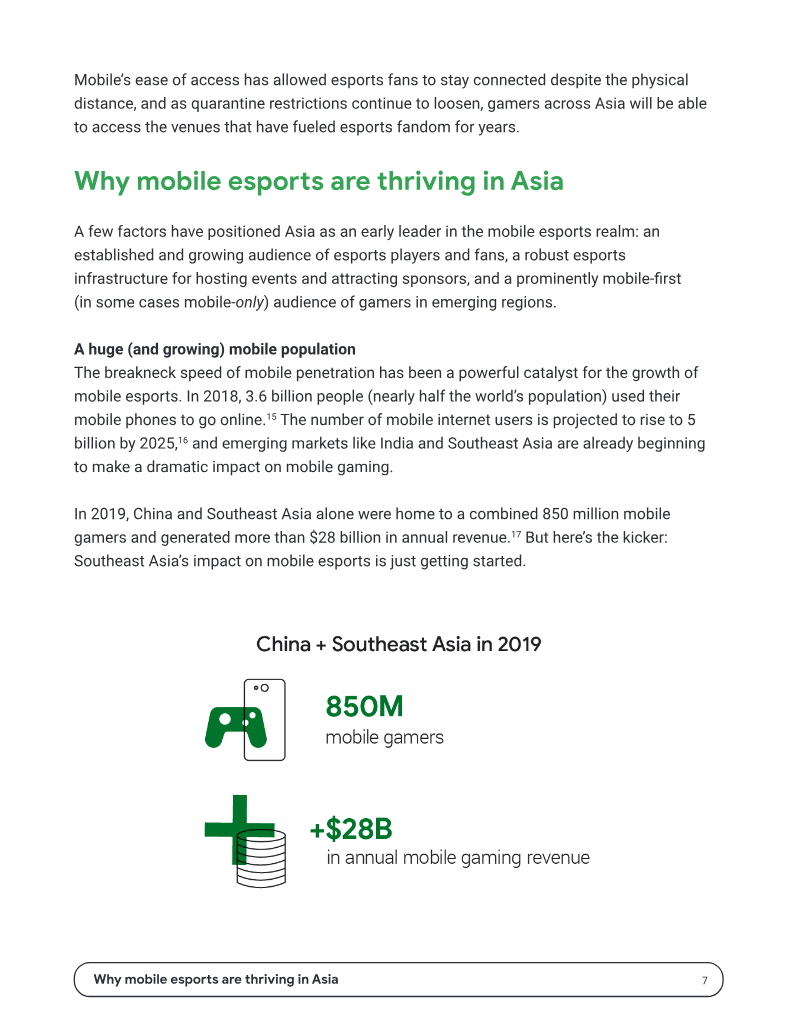
Mobile esports has emerged as a primary driver of player engagement and revenue across Asia, signaling a shift from traditional PC and console dominance to a mobile-first competitive landscape. The central thesis posits that Asia is the global epicenter of this evolution, fueled by a massive population of 1.5 billion gamers and a robust infrastructure of internet cafes, local streaming platforms, and increasing 5G penetration. By lowering hardware barriers to entry, mobile technology has transformed casual players into "player-fans" who both compete in and spectate high-stakes tournaments. Key data points highlight the scale of this growth, with global esports prize pools increasing 40% between 2017 and 2019 to exceed $228 million. In 2019 alone, mobile esports generated $19.5 billion in global revenue, with Asia accounting for 68% of that total. China remains the largest single market, boasting 350 million esports fans, while Southeast Asia saw a 244% increase in tournament prize values between 2018 and 2019. The COVID-19 pandemic further accelerated these trends, with gamers in Asia spending up to 75% more time playing and viewership in China doubling during lockdowns. The scope of this analysis covers major Asian markets including China, South Korea, Japan, India, and Southeast Asia, focusing on the period between 2017 and 2020. It examines industry segments ranging from hardware manufacturing and 5G infrastructure to specific game genres like MOBAs and Battle Royales. Methodology relies on primary data from Niko Partners, including consumer panels of over four million users, executive interviews, and market modeling to provide a comprehensive outlook on the region's competitive gaming trajectory.
Niko Partners · 2020
PresentationPlay Like a Girl: Key Ways to Engage Asia's Growing Female Gaming Audience
The female gaming demographic in Asia represents a primary catalyst for regional market growth, expanding at a significantly faster rate than the male audience. In 2019, Asia accounted for 48% of global gaming revenue, totaling $69 billion. Within this landscape, female players grew to comprise 38% of the 1.33 billion total gamers in the region, up from 32% in 2017. This shift is particularly pronounced in China, where 45% of the gaming population is female, followed by South Korea, Japan, and Southeast Asia at 40% each. Mobile technology serves as the dominant platform for this demographic, with 95% of Asia’s female gamers playing on mobile devices compared to much smaller shares for PC and consoles. While female players typically engage in shorter sessions than males—with 60% playing up to seven hours per week—their spending power is substantial. Female gamers contributed 35% of mobile gaming revenue in 2019, a figure projected to reach 39% in 2020. Contrary to casual stereotypes, these players show a strong preference for complex genres including MMORPGs, MOBAs, and shooters, particularly those featuring deep strategy, diverse character options, and immersive storylines. The rise of female-specific esports leagues and professional teams further signals a maturing market with expanding sponsorship opportunities. This upward trajectory was accelerated by the COVID-19 pandemic; data from 2020 indicates that over 96% of female gamers in China increased their playtime during lockdowns, with a majority also increasing their in-game spending. To effectively engage this audience, developers and marketers must prioritize mobile-first strategies and integrate sophisticated gameplay elements that reflect the diverse interests of the modern female gamer.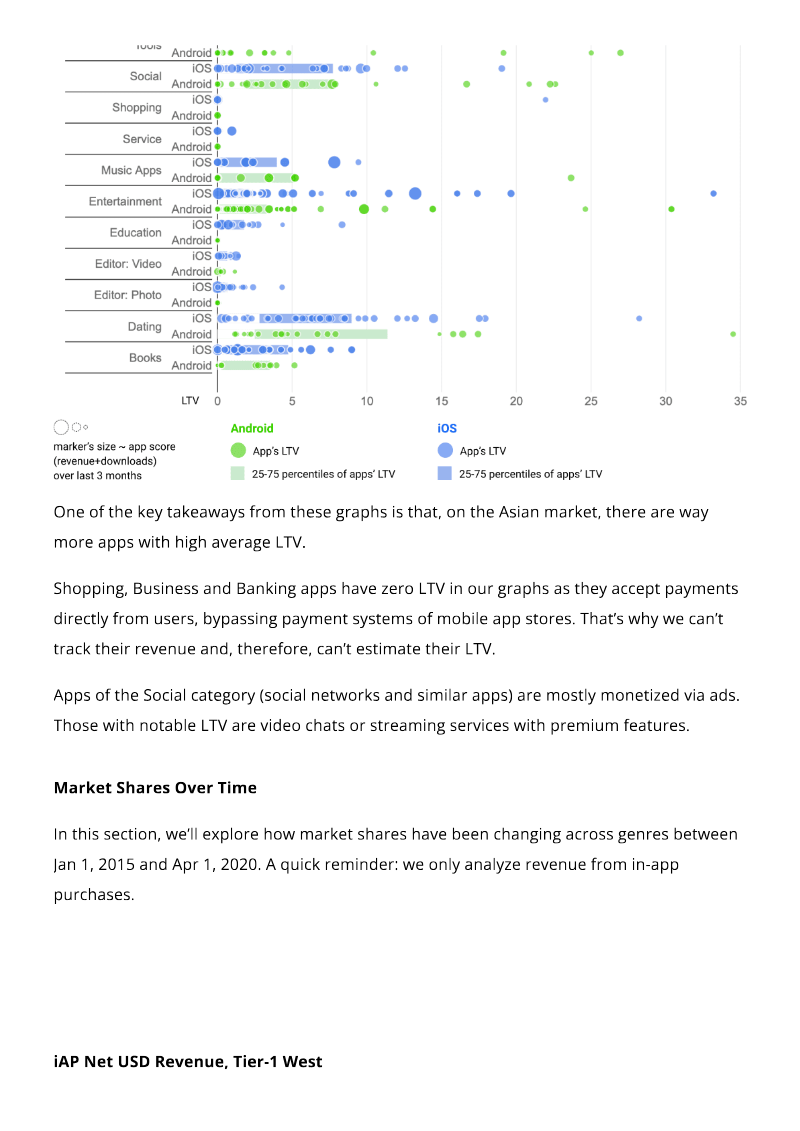
AppMagic · 2020
ReportReport on App Categories
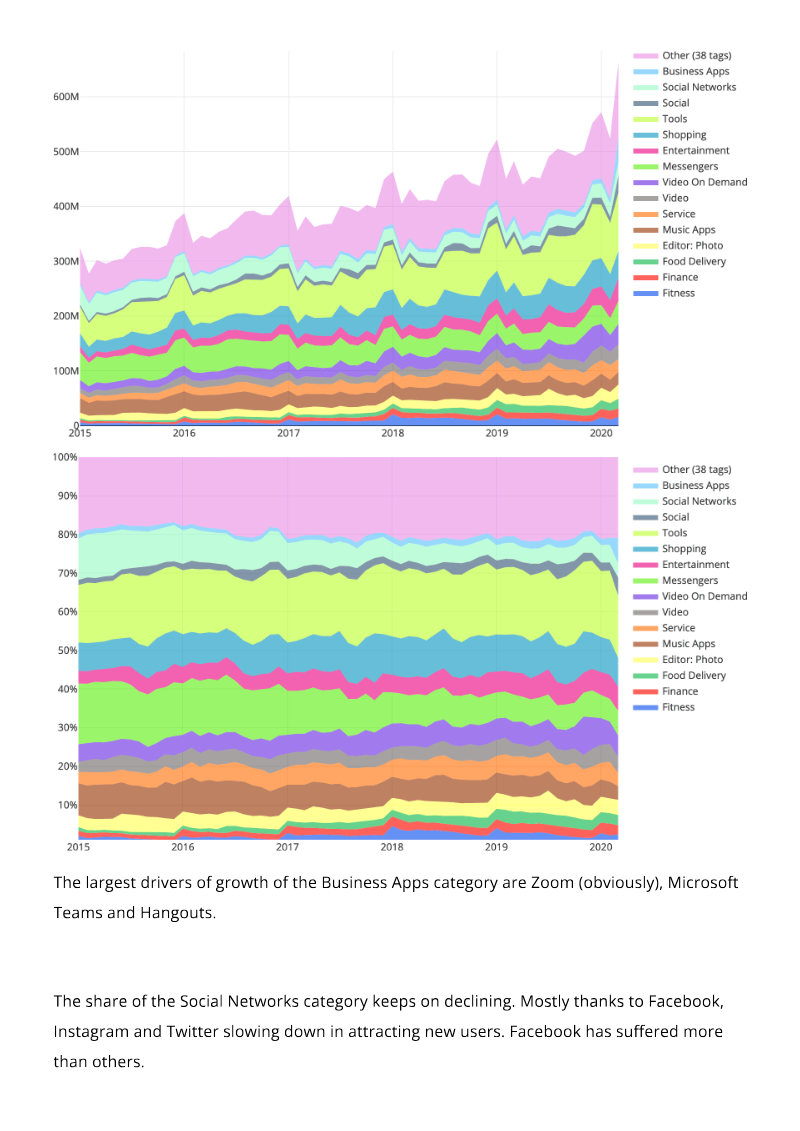
This research provides a comprehensive analysis of the non-gaming mobile application market, focusing on shifting market shares, revenue performance, and lifetime value (LTV) across various categories. By utilizing a proprietary classification system covering over 250,000 top-performing titles, the analysis evaluates the 1,000 most downloaded and highest-grossing non-gaming apps as of March 2020. The scope encompasses both Tier-1 Western and Eastern markets, tracking trends from January 2015 through April 2020. Key findings indicate that the video category has experienced the most significant growth in the Western market, driven by platforms such as YouTube, Twitch, and BIGO LIVE. Conversely, the music app category shows a declining market share despite cumulative revenue growth, while social network market shares have faced downward pressure due to slowing user acquisition for established platforms like Facebook and Twitter. In the Eastern market, video-on-demand services command a substantial 20% share of total in-app purchase revenue, while the messenger category has seen a sharp decline in market share. The methodology employs LTV estimations based on net in-app purchase revenue, combining revenue and download metrics to assess app performance. Notably, the analysis identifies that Asian markets generally feature a higher density of apps with high average LTV compared to Western counterparts. The study also acknowledges limitations in tracking revenue for categories like shopping, business, and banking, as these sectors frequently bypass mobile app store payment systems. Ultimately, the research highlights how evolving user behaviors and monetization models, such as streaming-based gifting and subscription services, continue to reshape the non-gaming app landscape.


CyberAgent · 2020
Presentation1Q FY2020 Presentation Material: October to December 2019
Financial performance for the first quarter of fiscal year 2020, covering October to December 2019, reflects a period of strategic investment and steady growth across core digital segments. Net sales reached 115.6 billion yen, representing approximately 25% of the full-year forecast of 465 billion yen. Operating income and ordinary income both stood at 7.7 billion yen, tracking toward an annual target range of 28 billion to 32 billion yen. Profit attributable to owners of the parent was 1.4 billion yen, fulfilling roughly 15% to 18% of the projected 8 billion to 10 billion yen annual goal. The gaming segment maintained momentum through the performance of established titles and new releases. Key contributors included the third anniversary of Princess Connect! Re:Dive and the ongoing success of Granblue Fantasy and BanG Dream! Girls Band Party. New market entries such as Kick-Flight and the global expansion of Monster Strike further diversified the portfolio. In the media sector, the Abema platform demonstrated significant scaling, reaching 48 million downloads by the end of the quarter. Weekly active users showed consistent upward trends, supported by diverse programming including news, sports, and original reality content like Weekend Homestay. Strategic focus remains on the medium- and long-term monetization of the media business. The revenue model is evolving to balance advertising and subscription income with expanding peripheral businesses, such as the WinTicket betting service. This diversification aims to accelerate the path to profitability for the streaming segment. Geographically centered in Shibuya, Japan, the organizational strategy emphasizes integrated reporting and a unified corporate culture to drive innovation across advertising, gaming, and digital media services.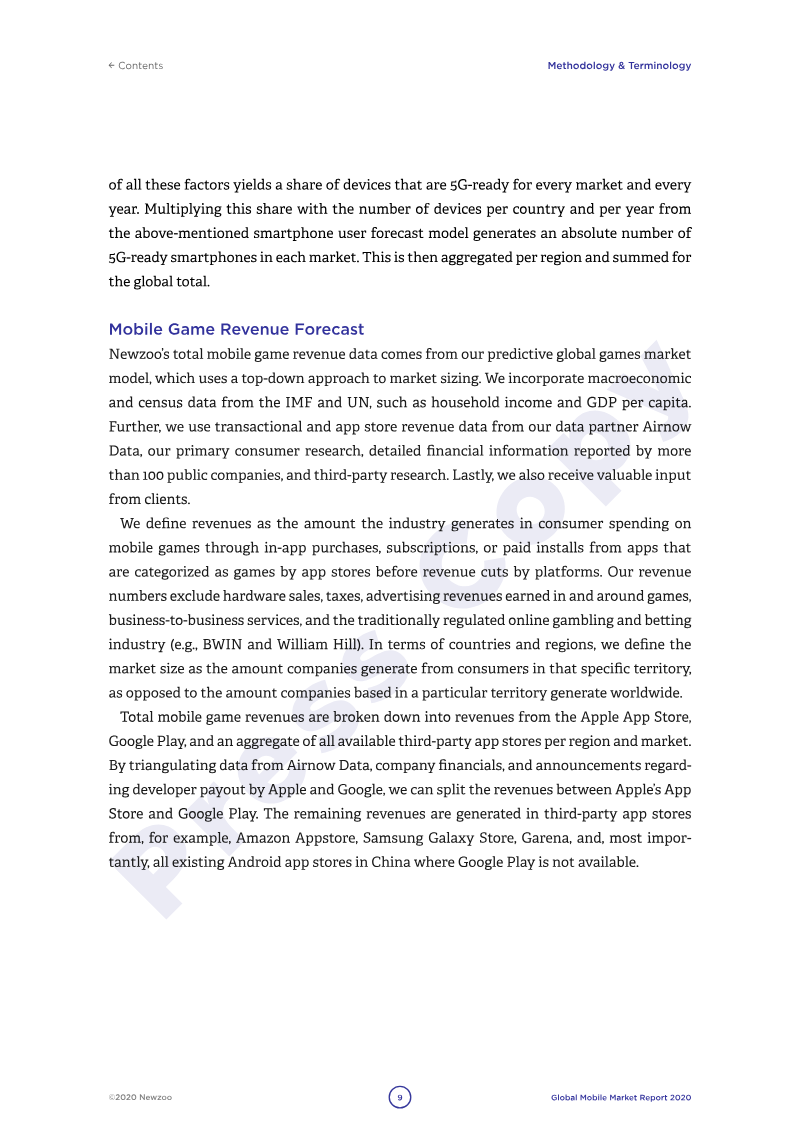

Newzoo · 2020
Report2020 Global Mobile Market Report
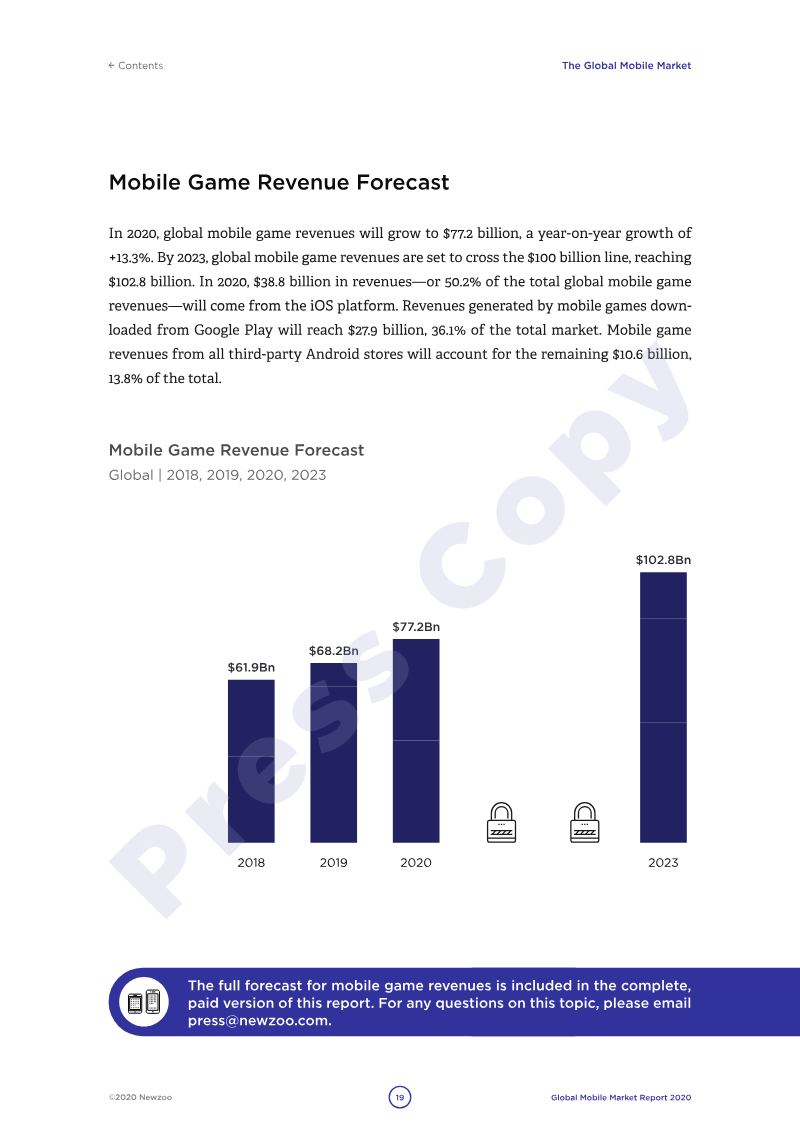
The global mobile market experienced a transformative year in 2020, characterized by a rapid acceleration in gaming consumption as mobile platforms solidified their status as a primary form of entertainment. This growth occurred against a backdrop of significant industry shifts, including the emergence of hybrid-casual monetization models and the looming impact of privacy-focused changes like Apple’s IDFA update. While geopolitical tensions and regulatory adjustments introduced new operational challenges, the industry maintained a strong upward trajectory, supported by the integration of 5G technology and the nascent potential of cloud gaming to redefine hardware requirements and user experiences. Financial and demographic data underscore the scale of this expansion, with global mobile gaming revenue projected to reach $77.2 billion. The smartphone user base grew to 3.5 billion, reflecting a robust demand for both standard mobile devices and specialized gaming hardware designed to support increasingly immersive, competitive gameplay. China maintained its position as the world’s largest market with 874.4 million active smartphone users, followed by India and the United States. These regions continue to serve as the primary engines of global growth, with China expected to retain its market leadership through 2023. Looking forward, the convergence of high-speed 5G connectivity and cloud-based infrastructure is poised to reshape the relationship between software developers and hardware manufacturers. As the industry moves toward more sophisticated mobile experiences, the demand for mobile peripherals and high-performance devices is expected to rise. Despite the volatility introduced by evolving privacy standards and macroeconomic pressures, the mobile sector remains a central pillar of the global digital economy, driven by a massive, geographically diverse user base and continuous innovation in game design and delivery.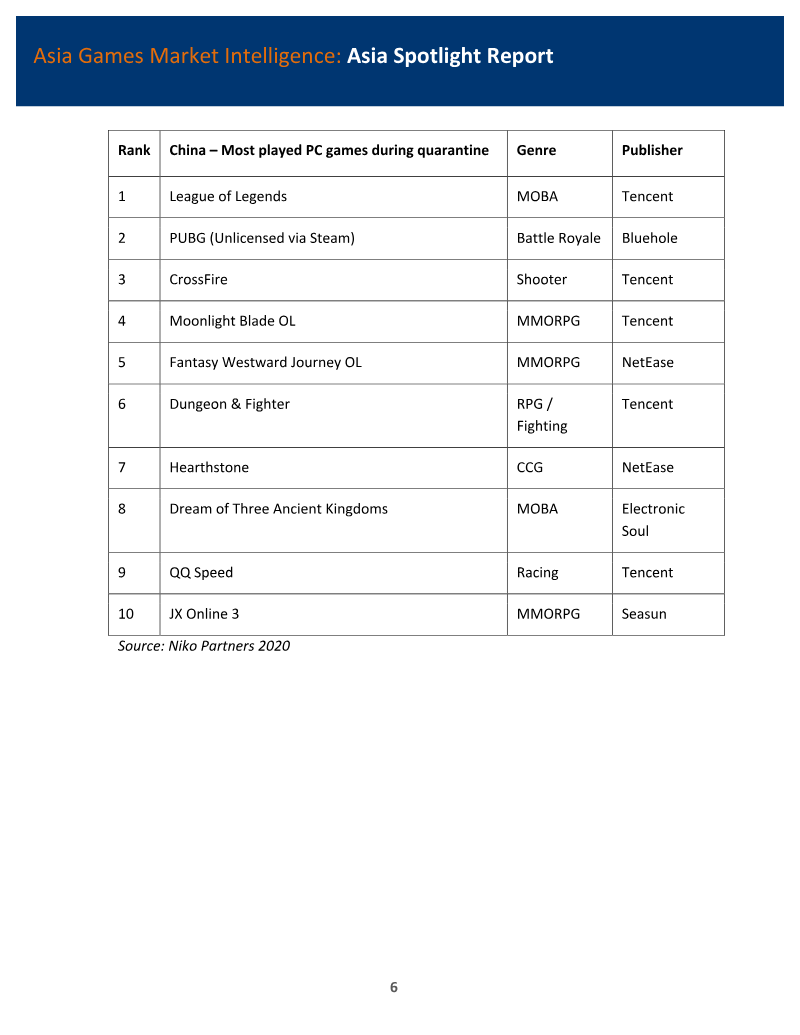
Niko Partners · 2020
ReportAsia Spotlight Report: The Impact of COVID-19 on China’s Video Game Market in Q1 2020
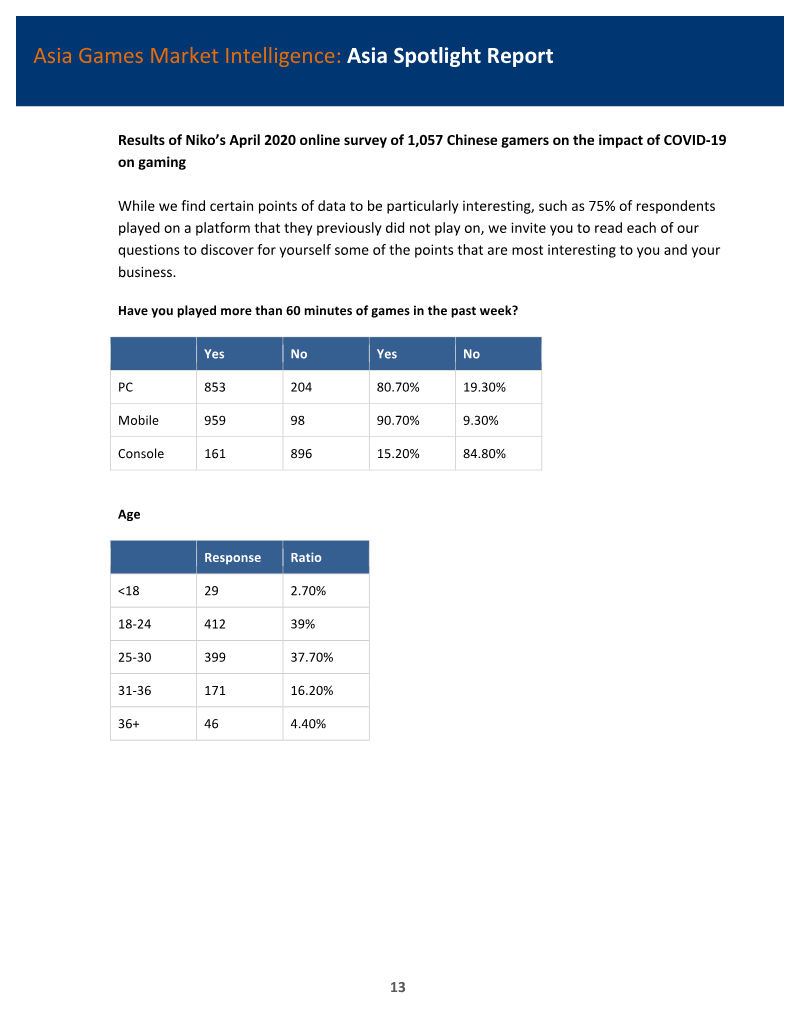
The video game market in China experienced a significant surge in engagement and revenue during the first quarter of 2020, driven by widespread stay-at-home mandates during the COVID-19 pandemic. Total industry revenue for the quarter is estimated to have been approximately 30% higher than in the same period of 2019. This growth was characterized by increased mobile, PC, and console usage, as gamers sought entertainment and social connection during prolonged quarantine periods. Key findings from an April 2020 survey of 1,057 Chinese gamers highlight the depth of this shift: 97.2% of respondents reported spending more time on mobile games, while 94.6% increased their time on PC titles. Spending also rose, with 81.6% of mobile gamers and 76.3% of PC gamers reporting higher expenditures during the lockdown. While major titles from publishers like Tencent and NetEase dominated the market, the period also saw a notable decline in the internet cafe sector, which was forced to close entirely. Survey data suggests a lasting impact on consumer behavior, as 57% of former internet cafe users indicated they do not intend to return to those venues once reopened. The pandemic also forced a rapid evolution in industry operations, particularly within the esports and development sectors. Esports tournaments successfully migrated to online formats, supported by municipal government initiatives to reduce regulatory barriers. Conversely, game development and outsourcing studios faced productivity challenges, leading to project delays for some global titles. While the surge in home-based gaming provided a substantial revenue boost, the industry faced headwinds regarding hardware manufacturing, component scarcity, and a decline in advertising revenue for smaller, ad-supported titles. Overall, the period solidified gaming as a primary social and entertainment outlet for Chinese consumers, with many users reporting a newfound acceptance of gaming within their households.


SuperData · 2020
Report2020 Year in Review: Digital Games and Interactive Media
The global digital games and interactive media industry experienced significant growth in 2020, with total revenue rising 12% year-over-year to $126.6 billion. This expansion was primarily driven by the COVID-19 pandemic, which forced consumers to remain at home and seek alternative forms of entertainment. As traditional leisure activities like professional sports and cinema were suspended, video games became a primary outlet for social interaction and entertainment, with 55% of U.S. residents reporting increased gaming activity as a direct result of the lockdowns. Market performance was characterized by the dominance of free-to-play titles, which accounted for 78% of total digital revenue, largely fueled by mobile gaming in Asian markets. However, the premium games segment saw the most rapid growth, increasing by 28% as blockbuster releases like Animal Crossing: New Horizons and Call of Duty: Modern Warfare captured consumer spending. Gaming video content also emerged as a major pillar of the industry, reaching 1.2 billion viewers and generating $9.3 billion in revenue. Additionally, the virtual reality sector saw a 25% increase in game earnings, bolstered by the release of high-profile titles and the adoption of standalone headsets like the Oculus Quest 2. The analysis relies on digital point-of-sale data from publishers, developers, and payment service providers, tracking the monthly spending of 195 million paying digital gamers worldwide. Findings indicate that while the initial surge in spending was tied to pandemic-related lockdowns, the long-term behavioral shifts in gaming habits are expected to persist. Looking ahead, the industry is projected to maintain its momentum, with ongoing trends including the consolidation of major publishers, the rise of subscription-based models, and the continued integration of mainstream brands and public figures into interactive digital spaces.

Liftoff · 2020
Report2020 Mobile Gaming Apps Report
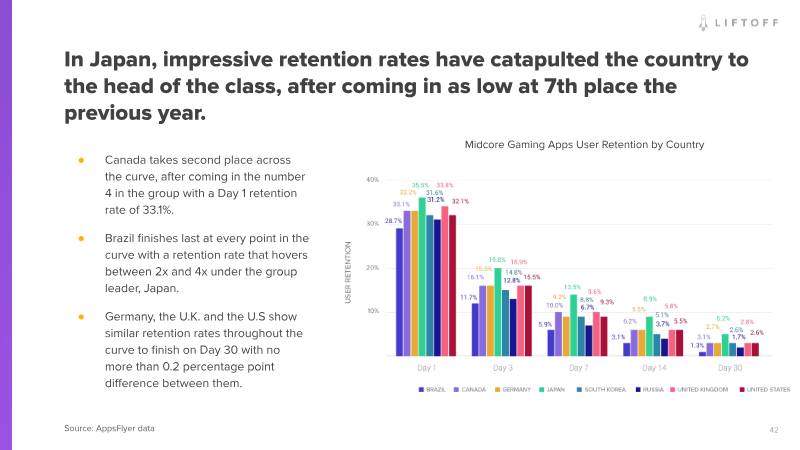
The global mobile gaming market is projected to surpass $100 billion in revenue in 2020, fueled by a 2.6 billion-person player base and a 24% surge in daily in-app payments. While the average cost per install has reached a record low of $1.47, the industry faces a tightening conversion landscape where install-to-purchase costs have risen by 24% and conversion rates have dropped to 3.3%. Midcore and strategy games have emerged as the most efficient segments, offering the highest 30-day return on ad spend at 39.5% while maintaining low acquisition costs, particularly on the Android platform. Geographic performance varies significantly, with Japan and North America established as the premier markets for user retention and monetization. Japan consistently outperforms global benchmarks, doubling the retention rates of its regional peers and exceeding return on ad spend targets by over 10 percentage points. While the Asia-Pacific region as a whole delivers high returns, it is characterized by the highest acquisition costs. In contrast, the EMEA region, specifically the United Kingdom, provides a high-value alternative by balancing affordable install costs with strong returns. Emerging markets like Brazil offer the lowest entry costs globally but present high risks due to poor long-term retention and low conversion. The hyper-casual sector is expected to reach $3 billion in 2020, though market saturation is driving a shift toward hybrid monetization models to combat declining long-term engagement. Across all genres, platform choice remains a critical strategic factor; iOS provides a slight advantage in return on investment but requires four times the acquisition spend of Android. Furthermore, while paid user acquisition drives initial engagement in midcore and social casino categories, organic users continue to demonstrate superior long-term loyalty, highlighting the ongoing importance of organic growth strategies in a competitive global landscape.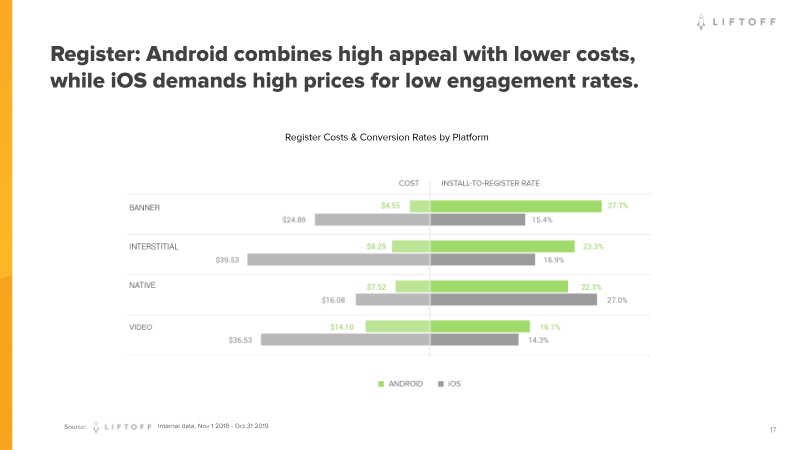

Liftoff · 2020
ReportMobile Ad Creative Index 2020
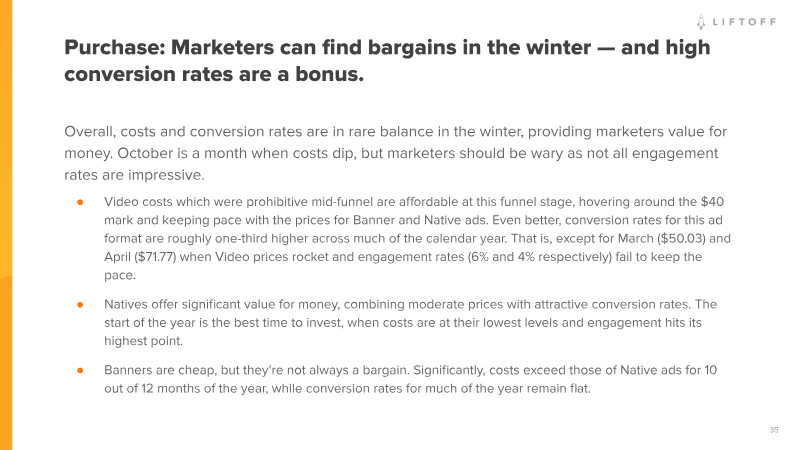
The 2020 mobile advertising landscape is defined by a stark divergence in performance metrics across creative formats, operating systems, and geographic regions. While banner ads remain the most cost-effective entry point for driving initial installs, native and video formats demonstrate superior efficacy in securing high-value, deep-funnel actions such as in-app purchases. Native ads, in particular, achieve conversion rates as high as 52.8%, signaling their importance for long-term user retention. However, these performance gains come at a premium on iOS, where costs consistently dwarf those on Android. For instance, the cost of securing an in-app purchase through native ads on iOS reaches $218.09, nearly triple the $73.62 required on Android. Geographically, North America persists as the most expensive market for user acquisition across all formats, while the LATAM and APAC regions offer significantly more accessible pricing for advertisers. Seasonal trends also influence these costs, with install expenses typically peaking during the summer months. To navigate these fluctuations, successful campaigns increasingly rely on iterative A/B testing and dynamic creative strategies. Case studies from major brands like Credit Karma and Groupon illustrate that disciplined testing can yield lifts in click-to-install rates exceeding 120%, underscoring the necessity of a data-driven approach to creative optimization. The industry is shifting toward a performance-based, cost-per-action model that prioritizes post-install revenue events over simple downloads. By leveraging machine learning and focusing on single-deal creative strategies, advertisers can better align their spending with actual user value. Ultimately, the data suggests that while the cost of acquisition is rising, particularly on premium platforms and in mature markets, the integration of dynamic product ads and rigorous testing frameworks remains the most effective path toward achieving sustainable return on ad spend.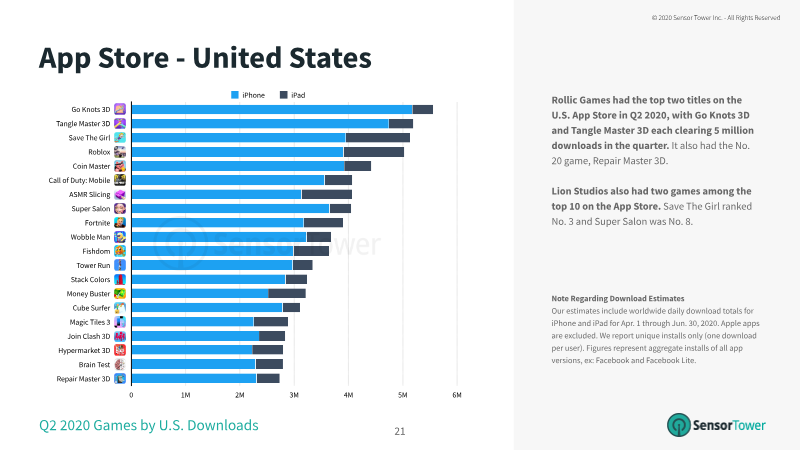

Sensor Tower · 2020
ReportStore Intelligence Data Digest: Q2 2020
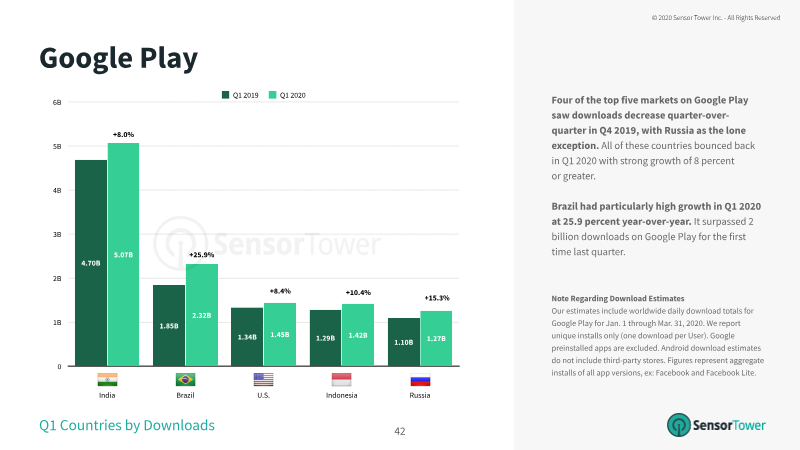
The global mobile app ecosystem experienced unprecedented growth in the second quarter of 2020, driven primarily by the societal shifts resulting from the COVID-19 pandemic. Worldwide app downloads reached a record 37.8 billion, representing a 31.7 percent year-over-year increase. This surge was characterized by a massive transition toward remote work, digital education, and home entertainment. Zoom emerged as a dominant force, becoming only the third app in history to surpass 300 million quarterly installs, while the business category as a whole saw installations peak at 176 percent above pre-pandemic levels. The mobile gaming sector served as a primary beneficiary of stay-at-home orders, with Google Play game downloads increasing by over 50 percent to 12.4 billion. Hypercasual titles like Save The Girl led the market in volume, while established titles such as Roblox and Brawl Stars reached new performance milestones in the United States and China, respectively. Revenue trends shifted toward social and simulation genres, with Sandbox and Battle Royale titles flourishing as digital social hubs. Notably, the Casino genre became the top-grossing category in the United States, generating $1 billion in revenue during the quarter. While productivity and entertainment apps thrived, the travel, navigation, and rideshare sectors faced significant declines due to global lockdowns. However, the end of the quarter showed early signs of recovery in these areas, particularly in domestic travel within Scandinavia and a resurgence in sports app engagement as international leagues resumed play. This period also marked a milestone for mobile publishers, as Google became the first to exceed one billion quarterly downloads, illustrating the massive scale of the mobile economy during the height of the global health crisis.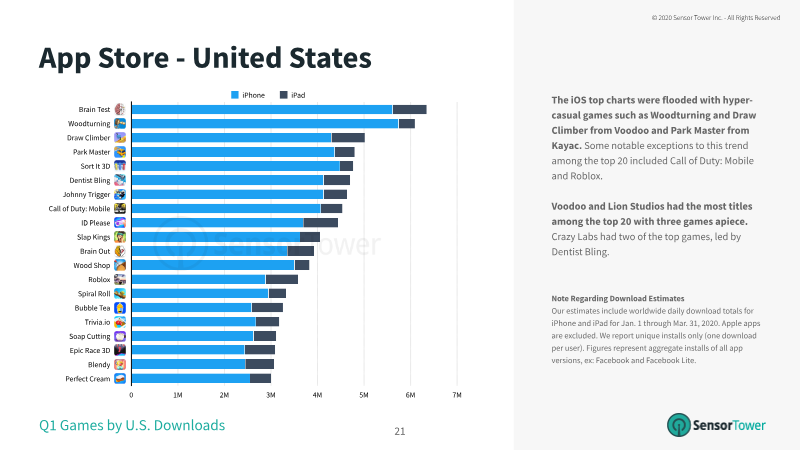
Sensor Tower · 2020
Report