Mobile platforms are cemented as a primary form of global entertainment. This growth occurred against a backdrop of significant industry shifts.
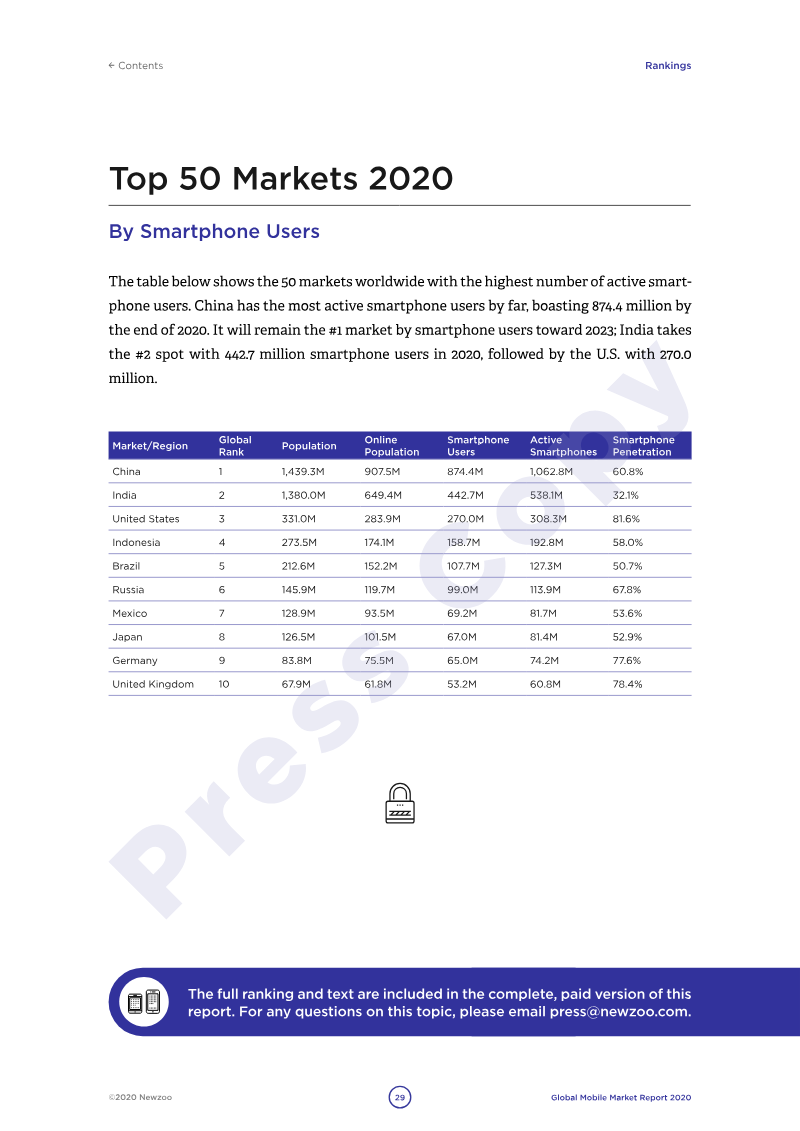
China leads the market with 874.4 million active users, followed by India and the United States. These regions are primary engines of global growth.
This shift occurs while navigating significant operational challenges. These challenges include Apple’s IDFA privacy updates and geopolitical tensions.
It's like trying to change a tire while driving on a bumpy road.
Page 4 of the reportThe integration of these technologies reshapes the relationship between software developers and hardware manufacturers.
Page 4 of the reportThe global mobile market experienced a transformative year in 2020, characterized by a rapid acceleration in gaming consumption as mobile platforms solidified their status as a primary form of entertainment. This growth occurred against a backdrop of significant industry shifts, including the emergence of hybrid-casual monetization models and the looming impact of privacy-focused changes like Apple’s IDFA update. While geopolitical tensions and regulatory adjustments introduced new operational challenges, the industry maintained a strong upward trajectory, supported by the integration of 5G technology and the nascent potential of cloud gaming to redefine hardware requirements and user experiences.
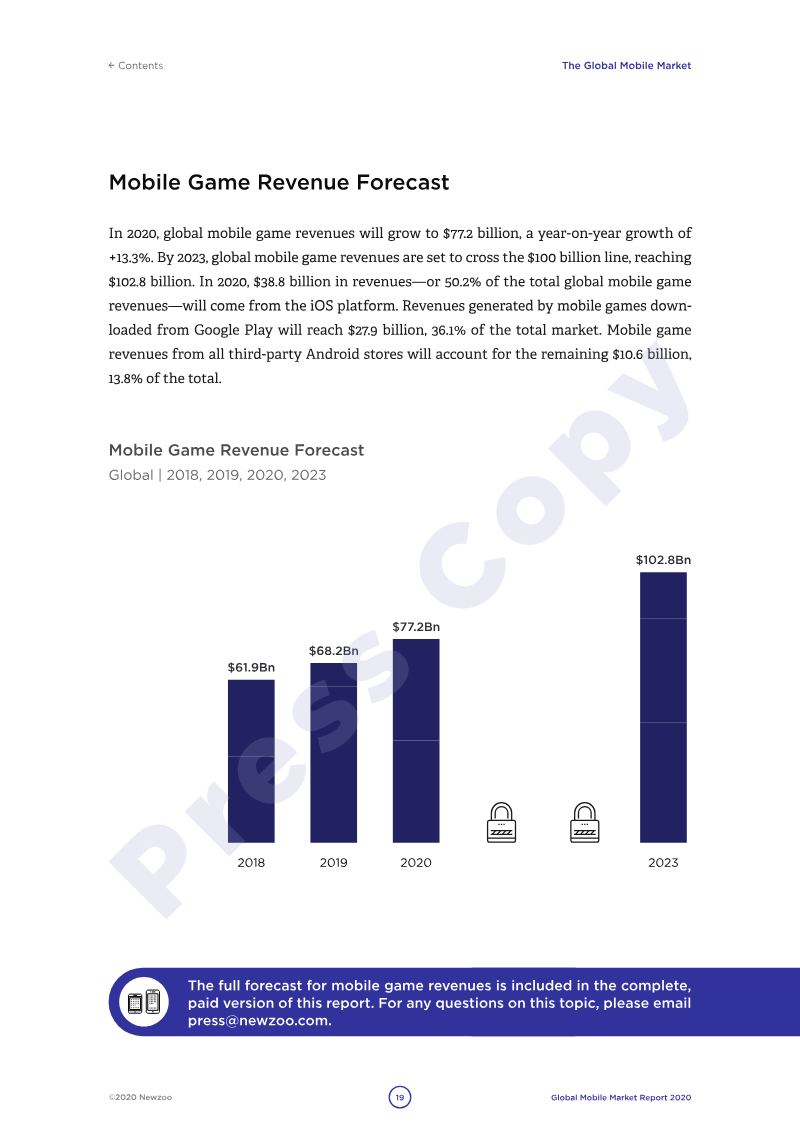
Financial and demographic data underscore the scale of this expansion, with global mobile gaming revenue projected to reach $77.2 billion. The smartphone user base grew to 3.5 billion, reflecting a robust demand for both standard mobile devices and specialized gaming hardware designed to support increasingly immersive, competitive gameplay. China maintained its position as the world’s largest market with 874.4 million active smartphone users, followed by India and the United States. These regions continue to serve as the primary engines of global growth, with China expected to retain its market leadership through 2023.
Looking forward, the convergence of high-speed 5G connectivity and cloud-based infrastructure is poised to reshape the relationship between software developers and hardware manufacturers. As the industry moves toward more sophisticated mobile experiences, the demand for mobile peripherals and high-performance devices is expected to rise. Despite the volatility introduced by evolving privacy standards and macroeconomic pressures, the mobile sector remains a central pillar of the global digital economy, driven by a massive, geographically diverse user base and continuous innovation in game design and delivery.