Europe
National and regional reports on the European games industry.
328 documents
Dataspelsbranschen · 2021
ReportSwedish Games Industry 2021
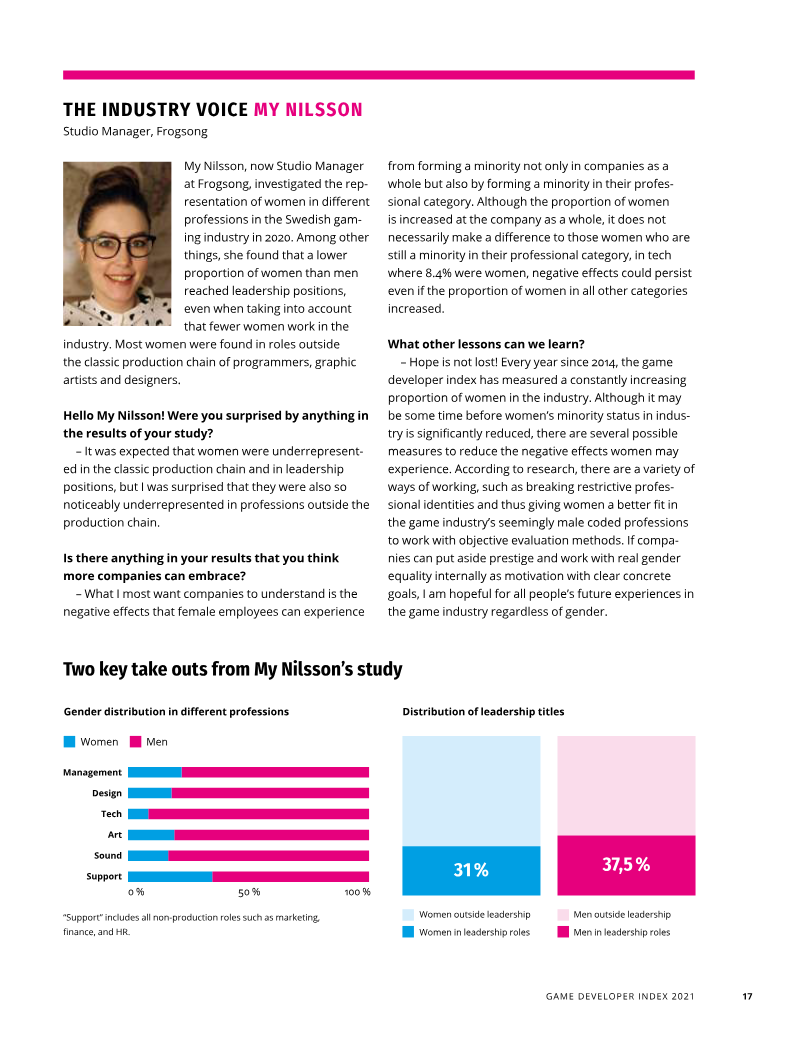
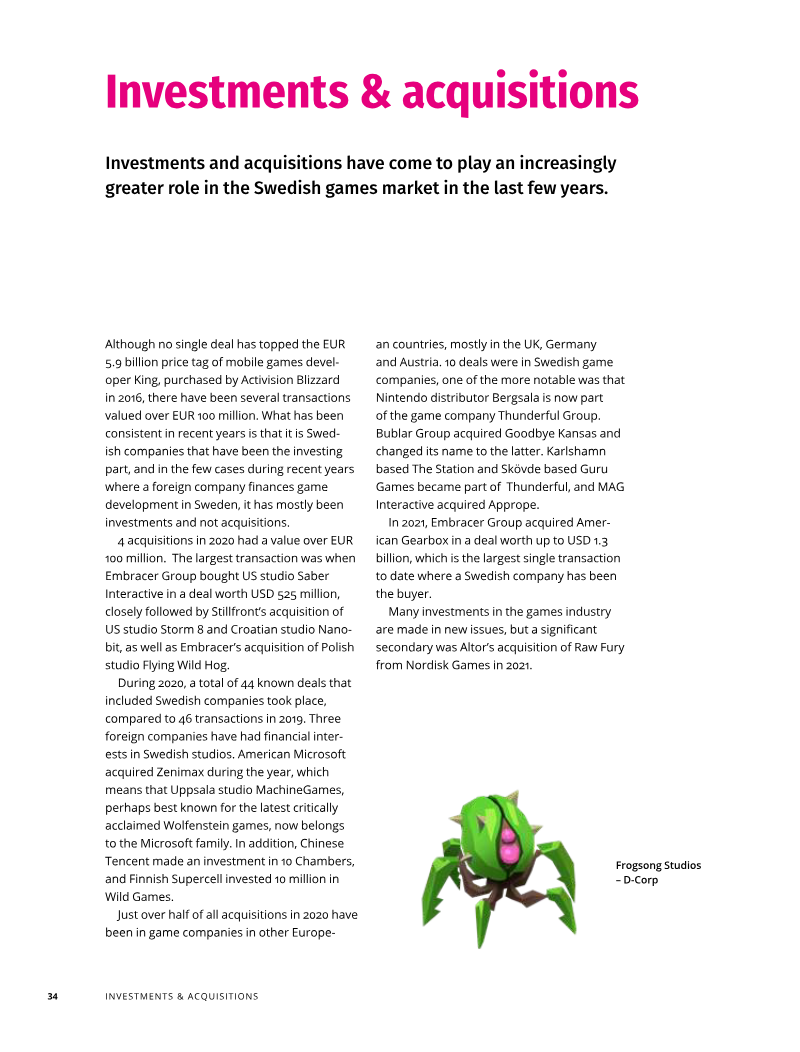
The Swedish games industry experienced a transformative period of growth in 2020, reaching a record revenue of EUR 3.3 billion. This 43% increase significantly outpaced global market trends, marking the sector's twelfth consecutive year of profitability. The landscape is increasingly defined by corporate consolidation and international expansion, with 667 active companies and 19 listed entities commanding a combined market capitalization of EUR 10.7 billion. Major players such as Embracer Group, King, and Mojang have transitioned Sweden from a target for foreign acquisition into a dominant global investor, with Swedish-owned firms now employing more personnel abroad than domestically across 126 international studios. Despite this commercial success, the industry faces a critical bottleneck regarding skilled labor. While domestic employment rose to over 6,500 positions, a severe talent shortage and a cumbersome work permit process hinder further expansion. These systemic issues are compounded by a lack of early-stage financing and tax incentives for smaller developers, who must also navigate digital regulations often tailored for larger tech platforms. Furthermore, while Swedish-developed titles like Minecraft and Candy Crush have achieved over six billion downloads, the sector continues to grapple with internal demographic challenges. Women currently represent only 21% of the workforce, and over 100 companies remain entirely male-operated, prompting a surge in diversity initiatives aimed at leveling the playing field. Geographically, while Stockholm remains the primary hub with over 4,000 employees, regional development clusters and educational programs are expanding throughout Sweden to support the growing ecosystem. The industry is also pivoting toward long-term sustainability, addressing workplace culture and the environmental implications of energy-intensive cloud gaming. As the sector matures, its primary challenges have shifted from achieving market viability to managing rapid globalization, securing specialized talent, and fostering a more inclusive and sustainable professional environment.
PCF Group · 2021
PresentationOmówienie wyników H1 2021
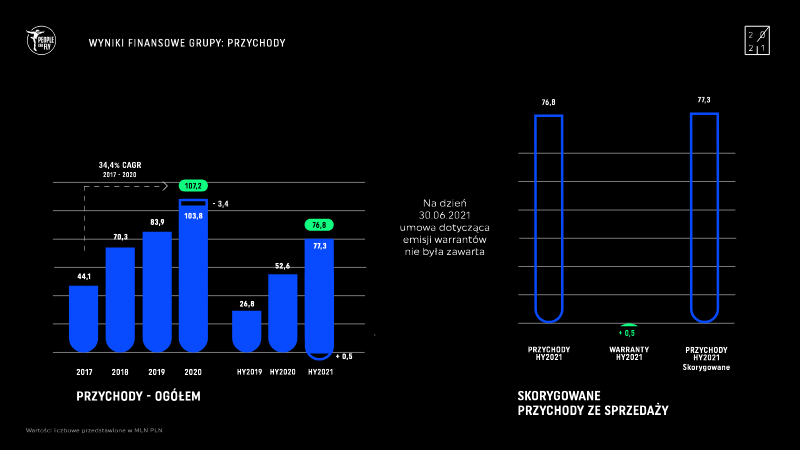
PCF Group S.A. presents a comprehensive financial and operational overview for the first half of 2021, highlighting a period of significant scaling and strategic evolution. The group reported a 47% year-over-year increase in revenue, reaching 77.3 million PLN, while EBITDA rose by 36.5% to 28.8 million PLN. Net profit for the period grew by 25.4% to 21.7 million PLN. This financial growth was accompanied by a substantial expansion of the workforce, which increased by nearly 42% to over 420 employees across global hubs including Warsaw, New York, and Montreal. The strategic focus centers on transitioning toward a dual-model production cycle involving both major publisher partnerships and self-publishing. Key projects include continued support for Outriders, despite publisher reports indicating no royalties were earned in the first quarter post-launch. Future growth is anchored by Project Gemini with Square Enix and Project Dagger with Take-Two Interactive, both slated for 2024 releases. Additionally, the group is developing a new proprietary IP funded internally and exploring two conceptual projects. Geographically, the group has strengthened its North American presence, with 120 employees now based in that region. This expansion is supported by a robust cash position of 150.3 million PLN, representing a 263.9% increase from the end of 2020. The long-term objective is to achieve a position as a leading independent global developer, targeting annual game releases starting in 2024 through the development of the PCF Framework and potential future acquisitions.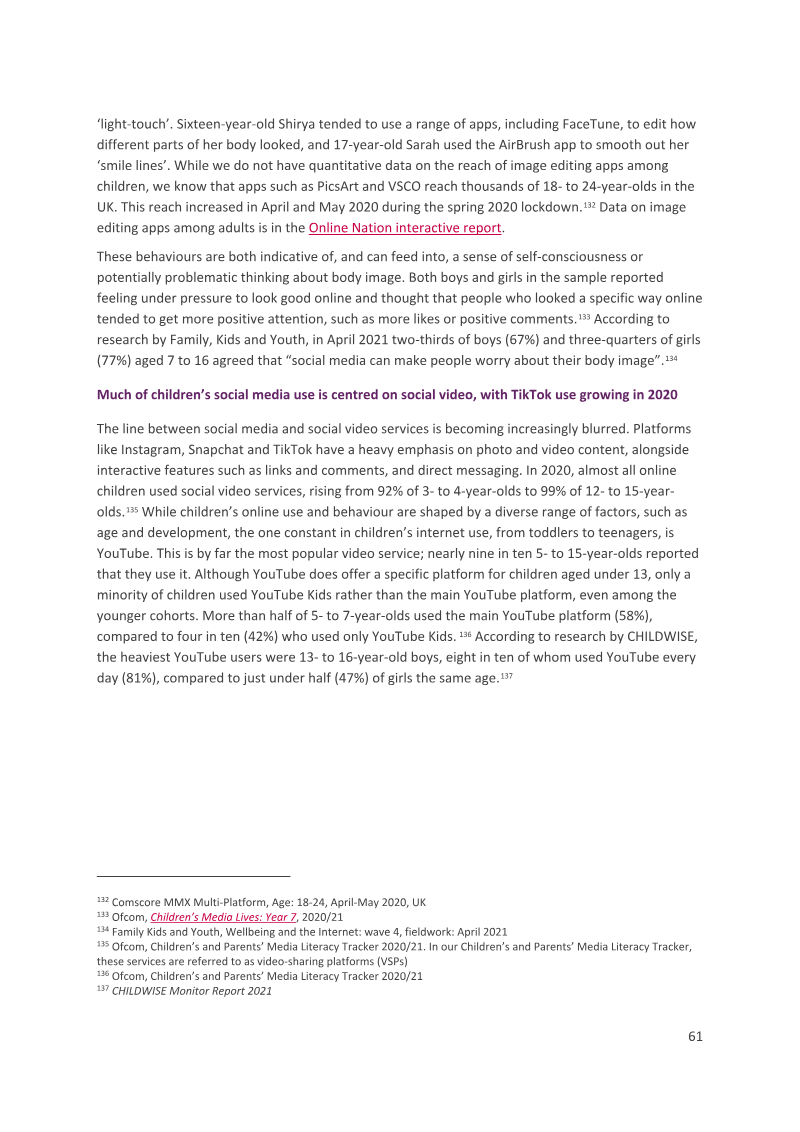

Ofcom · 2021
ReportOnline Nation 2021 Report
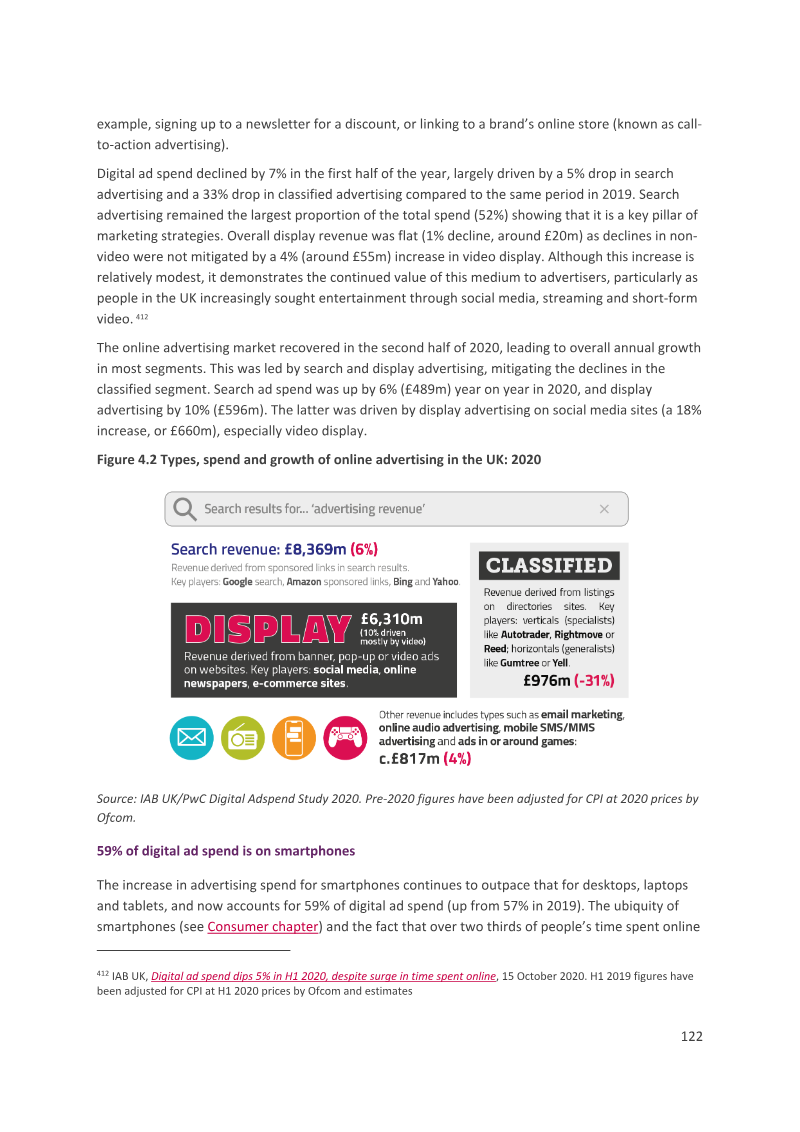
The Online Nation 2021 report provides a comprehensive analysis of the United Kingdom’s digital landscape during the 2020 pandemic, documenting a profound acceleration in internet dependency and digital transformation. The primary thesis posits that while the pandemic served as a catalyst for unprecedented growth in e-commerce, remote education, and digital entertainment, it simultaneously exacerbated existing digital divides and intensified concerns regarding online safety, misinformation, and the dominance of a few major technology firms. The data reveals that UK internet access reached 94% in 2020, with daily usage averaging 3 hours and 37 minutes. This surge was characterized by a 48% increase in online retail spending, reaching £113 billion, and significant growth in the gaming sector, which generated £4.64 billion. Mobile devices emerged as the primary gateway for this activity, accounting for 68% of time spent online. However, this increased connectivity highlighted persistent disparities, particularly among older demographics and lower socio-economic groups who often rely on limited, mobile-only access. Furthermore, the market remains heavily concentrated, with Google and Facebook-owned properties capturing 39% of total adult online time and the GAFAM group accounting for approximately three-quarters of the top 40 online companies' revenues. The report also identifies critical challenges regarding the digital ecosystem, specifically the prevalence of harmful content and misinformation. Approximately 70% of social video users reported encountering potentially harmful material, including fake news and offensive language. While platforms have responded by deploying AI-driven moderation and partnering with fact-checkers, user engagement with reporting tools remains low. For younger users, the digital shift has introduced complex social pressures and safety risks, including cyberbullying and exposure to inappropriate content. Ultimately, the findings underscore a tension between the benefits of increased digital integration and the ongoing need for robust regulatory frameworks to protect users and ensure equitable access in an increasingly digitized society.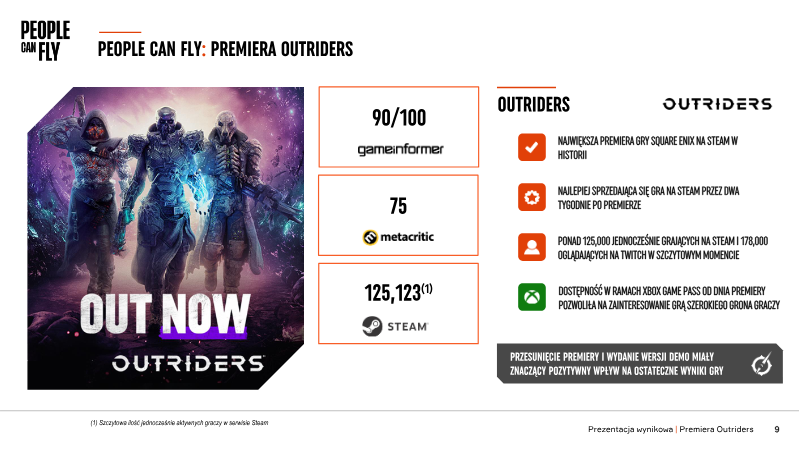
PCF Group · 2021
PresentationPeople Can Fly 2020 – Omówienie Wyników
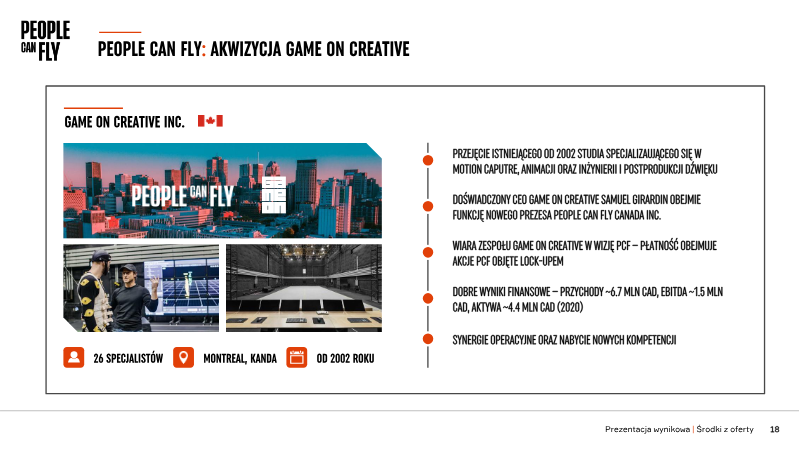
This financial and operational analysis details the performance of PCF Group (People Can Fly) for the 2020 fiscal year, a period marked by significant scaling and preparation for major releases. The group reported a 23.6% increase in revenue, reaching 103.8 million PLN, driven primarily by development work for Square Enix on Outriders and Project Gemini, as well as work for Take-Two Interactive on Project Dagger. Adjusted EBITDA saw a substantial rise of 76.7% to 32.6 million PLN, while net profit grew by over 400% to 24.6 million PLN. The group’s operational scope expanded globally during this period, with the workforce growing by 28.3% to 281 employees across studios in Poland, the United States, the United Kingdom, and Canada. This growth was supported by strategic acquisitions in early 2021, including Phosphor Games in Chicago and Game On Creative in Montreal, the latter specializing in motion capture and animation. These moves were intended to bolster internal production capabilities and secure new intellectual property rights, particularly under the agreement with Take-Two Interactive where PCF retains IP ownership. The production pipeline is centered on a multi-project strategy. Following the April 2021 launch of Outriders—which became Square Enix’s largest Steam debut—the group shifted focus to Project Gemini and Project Dagger. The latter is an action-RPG with a projected budget of 40-60 million EUR. To align interests with its primary publishing partner, Square Enix holds investment warrants that could represent up to 18.1% of the company, contingent on reaching specific revenue milestones. Financially, the group maintained a strong liquidity position, ending 2020 with 36.7 million PLN in net cash. This figure does not include the proceeds from a January 2021 share issuance. Capital expenditures increased to 6.6 million PLN in 2020, largely directed toward finishing a new headquarters in Warsaw and upgrading IT infrastructure to support concurrent AAA game development.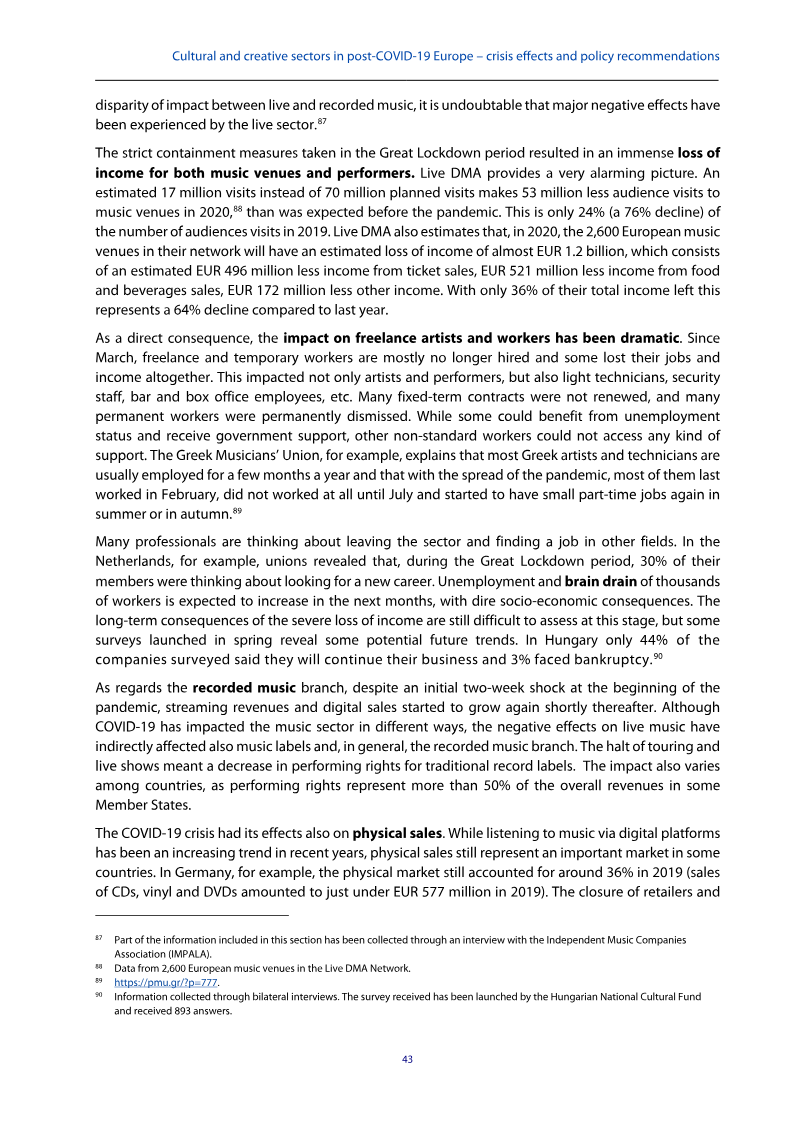

European Parliament · 2021
ReportCultural and Creative Sectors in Post-COVID-19 Europe: Crisis Effects and Policy Recommendations
The COVID-19 pandemic served as a profound stress test for Europe’s cultural and creative sectors (CCS), exposing deep-seated structural vulnerabilities that existed long before the crisis. While the sector contributes over 4% to the European Union’s GDP, it remains characterized by fragmented value chains, a reliance on precarious non-standard labor, and inadequate social protection for freelancers. The pandemic exacerbated these issues, causing unprecedented revenue losses in live performance, heritage, and physical arts, while simultaneously highlighting a digital divide where only select industries, such as gaming and streaming, experienced growth. The primary thesis of this analysis is that a return to pre-pandemic operational models is both undesirable and insufficient. Instead, the sector requires a systemic transition toward long-term resilience, guided by the United Nations’ 2030 Sustainable Development Goals. Although European member states implemented over 100 emergency support measures, these were largely reactive and financial in nature, with only 10% of interventions targeting innovation. The analysis concludes that future policy must shift from short-term relief to structural reform, focusing on three core flagships: establishing fair working conditions and social security for independent creators, creating a values-based digital framework to ensure equitable remuneration, and integrating the CCS into broader societal innovation and ecological sustainability efforts. Covering the entirety of the European Union, the research underscores that the CCS is a vital pillar of social cohesion and democratic health. To ensure future competitiveness and stability, policymakers must prioritize the harmonization of artists' rights, improve access to finance for SMEs, and foster cross-sectoral collaboration. By moving beyond fragmented, national-level responses toward a unified European strategy, the sector can leverage digital disruption to build a more inclusive, sustainable, and crisis-resistant creative ecosystem.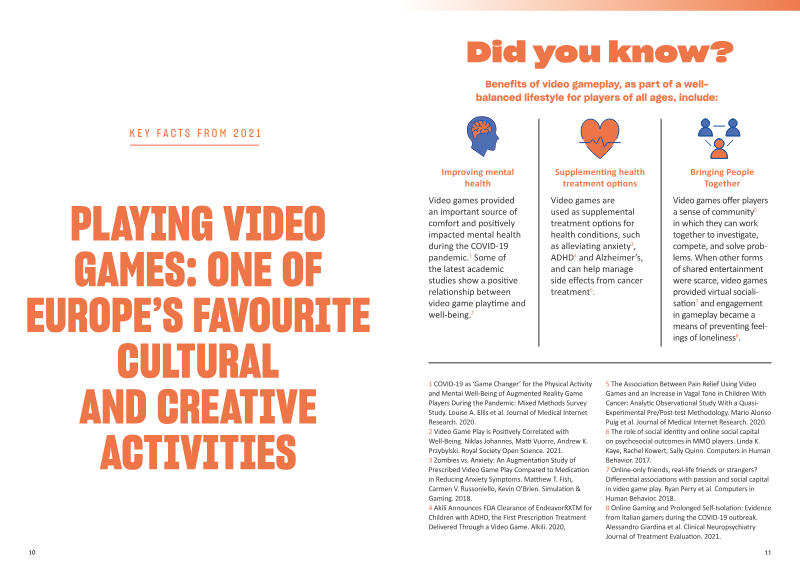
ISFE · 2021
ReportEurope's Video Game Industry: Key Facts 2021
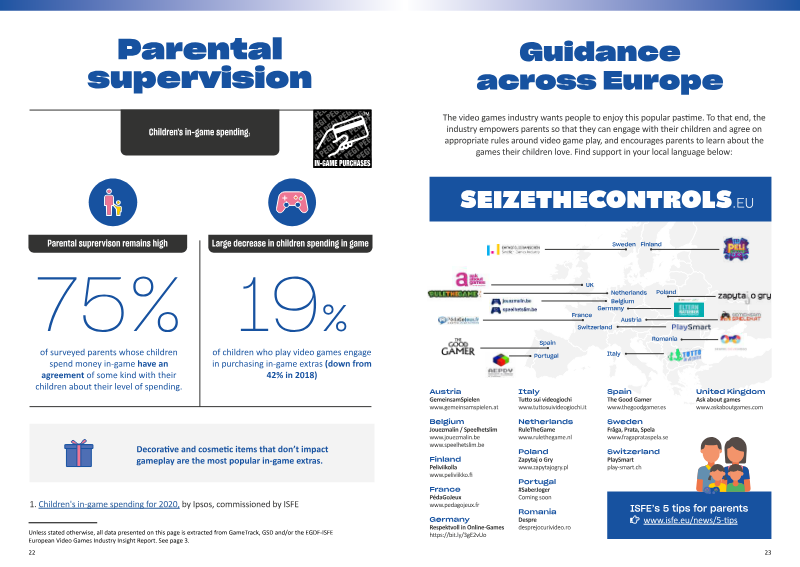
The European video game industry serves as a significant economic and social pillar, generating €23.3 billion in annual revenue while supporting a workforce of nearly 100,000 professionals across 4,600 studios. As of 2021, the sector reached a broad audience of 124.8 million players, representing 52 percent of the total European population. This demographic is increasingly diverse, with women accounting for nearly half of all gamers and the 45–64 age bracket emerging as the fastest-growing segment. Beyond its financial contributions, the industry functions as a vital social and mental health resource, fostering connectivity and engagement across age groups. Commitment to consumer safety and ethical standards remains a core operational priority. The industry maintains rigorous oversight through the PEGI rating system and comprehensive parental controls, ensuring that gameplay environments remain responsible and age-appropriate. These efforts are complemented by a broader push toward social responsibility, including the integration of gaming into educational frameworks and the promotion of diversity initiatives within the workforce. Environmental sustainability has also become a central strategic objective for the European market. Major industry bodies, including the ISFE and EGDF, are actively coordinating efforts to achieve climate neutrality. This transition is evidenced by the widespread adoption of carbon measurement and offsetting practices, with a substantial majority of companies in key markets like Germany already implementing formal sustainability programs. Supported by a robust network of national trade associations, the industry continues to leverage its collective influence to drive policy development and long-term growth within the European digital ecosystem.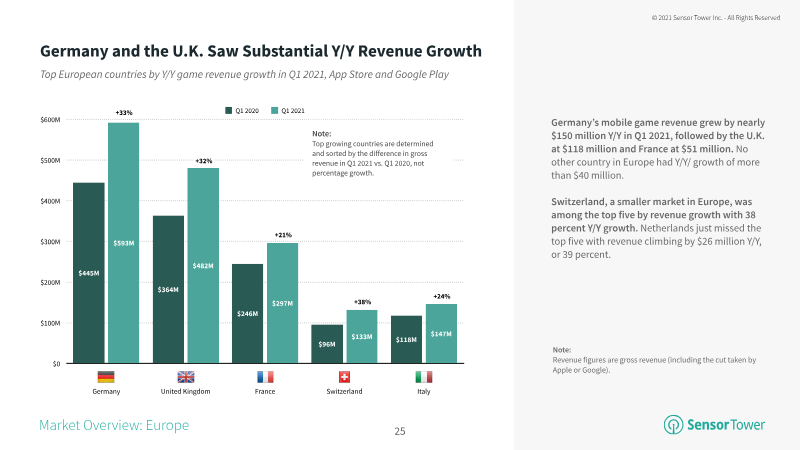
Sensor Tower · 2021
ReportThe State of Mobile Gaming 2021: U.S., Europe, and Asia
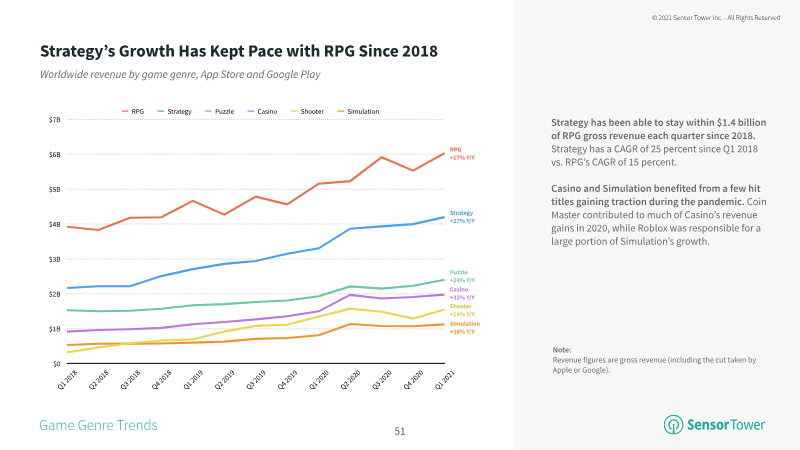
The global mobile gaming market experienced an unprecedented surge during the 2020–2021 period, fueled by pandemic-related shifts in consumer behavior that accelerated both spending and engagement. By early 2021, quarterly consumer spending reached $22 billion, representing a 25% year-over-year increase. While the United States maintains its position as the primary revenue generator, Asia remains the dominant force in total download volume, led by high adoption rates in India and Indonesia. Europe has also demonstrated significant growth, particularly in Germany, where social and multiplayer titles have sustained long-term engagement even as initial pandemic-era download spikes began to normalize. Monetization remains heavily concentrated, with the top five global markets accounting for 77% of total spending. The freemium model continues to define the industry, generating 99% of App Store revenue, while premium titles face a continued decline. Although one-time in-app purchases remain the standard, subscription models are gaining momentum, currently utilized by 29% of top-grossing titles. Advertising remains a critical revenue stream, particularly within the hypercasual and puzzle genres, which lead the market in ad publishing volume and network spend. Major industry players like Zynga and Playrix continue to dominate the share of voice, though developers are increasingly cautious as they navigate the evolving landscape of user privacy and advertising attribution. Looking toward 2023, the industry is projected to reach $117 billion in consumer spending and 67.2 billion annual downloads. While role-playing games maintain their status as the highest-grossing genre, hypercasual titles continue to drive the majority of download volume. Future growth is expected to be particularly robust in emerging markets across Southeast Asia and Europe, which are anticipated to outpace global revenue growth rates. As the market matures, the strategic shift toward diversified monetization—balancing freemium, subscription, and ad-based models—will be essential for developers to sustain growth in a post-pandemic environment.


Sensor Tower · 2021
ReportThe State of Mobile Gaming: An Analysis of Mobile Gaming Market Trends and Top Titles in the U.S., Europe, and Asia
The analysis demonstrates that the mobile-gaming market expanded dramatically during the COVID-19 pandemic, with global quarterly revenue reaching $33 billion in Q2 2020 and downloads climbing 39% to 16 billion. The United States remains the dominant spend market, contributing 28% of worldwide revenue in 2020 and generating $7 billion in Q1 2021, while emerging regions such as India (12% of global installs) and Brazil drive download growth but lag in monetization. Hyper-casual and shooter titles—PUBG Mobile, Garena Free Fire, Subway Surfers—consistently occupy top download positions worldwide. In 2020 and early 2021, revenue concentration persisted in mature markets (U.S., Japan, China), yet fast-growing regions like Europe and Southeast Asia presented expanding opportunities. European revenue was led by Playrix ($700 M) and Supercell ($600 M), with Israeli publishers also in the top-10, while installs remained near pandemic highs at roughly 4 billion in Q1 2021. In Asia, India’s explosive download growth (nearly 3 billion installs in Q3 2020) and Indonesia’s 26% YoY rise positioned the region as the dominant market, with PUBG Mobile and Honor of Kings topping download charts. Despite a 44% YoY decline in Chinese installs, mobile-game spend there continued to rise, contributing to Asian revenue of $12 billion in Q1 2021. Genre-level insights reveal hyper-casual games as the fastest-growing segment, expanding from 757 million installs in Q1 2018 to over 3.4 billion by Q1 2021 and accounting for more than 30% of all mobile downloads that quarter. Freemium models dominate monetization, with 99% of App Store revenue derived from free titles; subscription adoption remains a minority (≈29%) among top U.S. games. Advertising revenue is heavily concentrated in puzzle and hyper-casual titles, which captured over 30% of ad spend across major networks in 2020. Playrix led overall ad spending, especially for its puzzle franchises, while Zynga’s acquisition of Rollic Games spurred a sharp increase in hyper-casual ad spend on AdMob and Facebook. Overall, the data underscore a mobile-gaming ecosystem where mature markets generate the bulk of revenue, emerging regions drive download growth, hyper-casual and battle-royale titles dominate user acquisition, and freemium monetization models—supported by advertising—remain the primary revenue engine.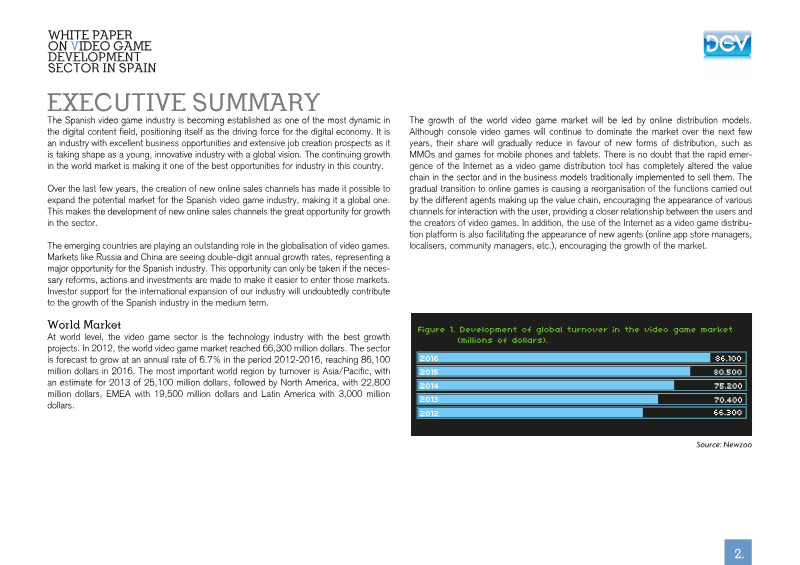
Spanish Association for the Game and Entertainment Software Development and Publishing Industry · 2021
WhitepaperWhite Paper on Video Game Development Sector in Spain
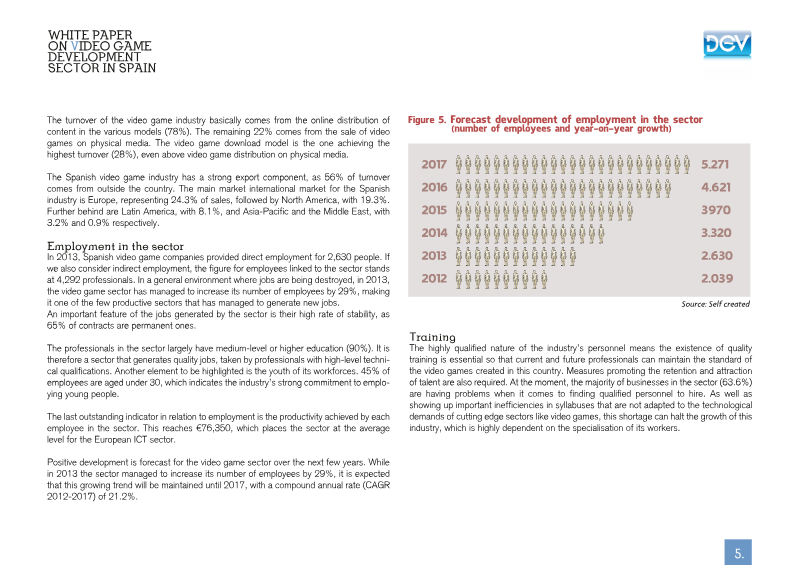
The Spanish video game development sector has emerged as a vital component of the national digital economy, characterized by rapid growth, high innovation, and a strong global orientation. As of 2013, the industry comprised 330 companies, largely concentrated in Madrid and Catalonia, with a workforce that is notably young and highly qualified. The sector generated 313.7 million euros in turnover in 2013, with projections suggesting a compound annual growth rate of 23.7% through 2017. This expansion is driven primarily by online distribution models, which account for 78% of industry revenue, and a robust export market that represents 56% of total sales. The industry is defined by its youth, with 68% of firms established within the last five years and 97% of capital originating domestically. Employment trends are equally positive; the sector supported 2,630 direct jobs in 2013, marking a 29% increase from the previous year, with a high proportion of permanent contracts. Despite this success, the industry faces significant challenges, particularly a talent gap, as 63.6% of businesses report difficulty finding qualified personnel. This highlights a misalignment between current educational curricula and the specialized technical demands of the video game market. To sustain this momentum, the sector advocates for an integrated support plan that includes fiscal incentives for research and development, public funding for prototypes, and streamlined internationalization efforts. Recommendations emphasize the need for specialized technology clusters, improved tax treatment for intangible assets, and stronger synergies with transversal industries such as health and education through the development of serious games. By addressing these structural needs and fostering closer collaboration between public administration, private investors, and academic institutions, the industry aims to solidify its position as a competitive, high-productivity leader within the European digital landscape.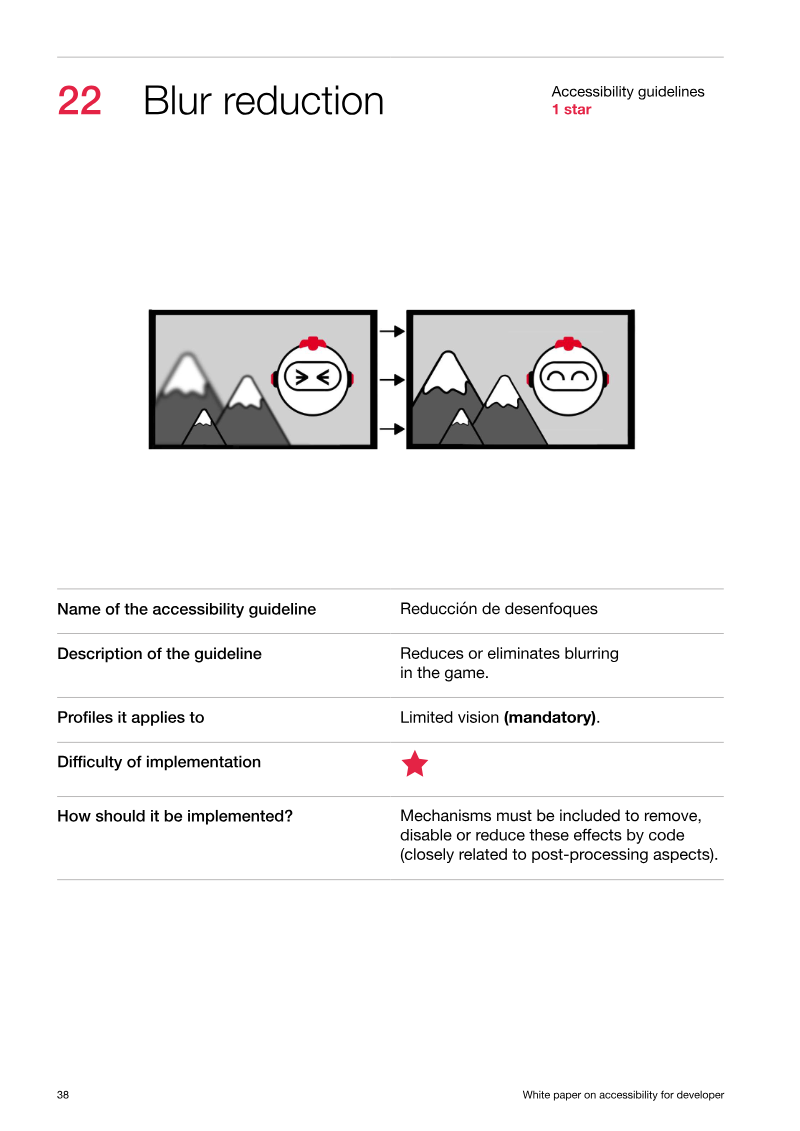


Fundación ONCE · 2021
WhitepaperAccessibility for Developers: Spain
The Spanish video game industry is undergoing a strategic shift toward universal design, prioritizing the integration of accessibility features from the earliest stages of development to ensure inclusivity for players with motor, sensory, and cognitive disabilities. By aligning with the European standard EN 301549, developers are encouraged to move beyond reactive updates and instead embed accessibility into the core production cycle. This proactive approach not only reduces long-term development costs but also ensures that games are inherently playable for a broader demographic, effectively removing social barriers to digital entertainment. The technical framework for this initiative includes a comprehensive suite of over 40 specific guidelines, ranging from low-complexity adjustments—such as customizable font sizes, remappable controls, and color-blind modes—to more advanced implementations like automated gameplay, speech-to-text integration, and sign language interpretation. These software-based solutions are designed to address diverse functional profiles, providing developers with clear, actionable strategies to improve user experience. The guidelines emphasize that many of these features are essential for specific user groups, necessitating a standardized approach to self-assessment and compliance. Beyond software, the industry is increasingly focused on the synergy between digital interfaces and adaptive hardware. Innovations such as the Xbox Adaptive Controller, the PlayStation Access Controller, and specialized haptic technology like the OWO jacket are transforming the gaming landscape. Furthermore, the rise of 3D printing has democratized access to customized peripherals, allowing for highly personalized input solutions. By centralizing these resources through platforms like ga11y and Accessibilitas, the Spanish gaming sector is fostering a collaborative ecosystem that empowers developers to create more equitable gaming experiences while providing players with the tools necessary for independent and inclusive play.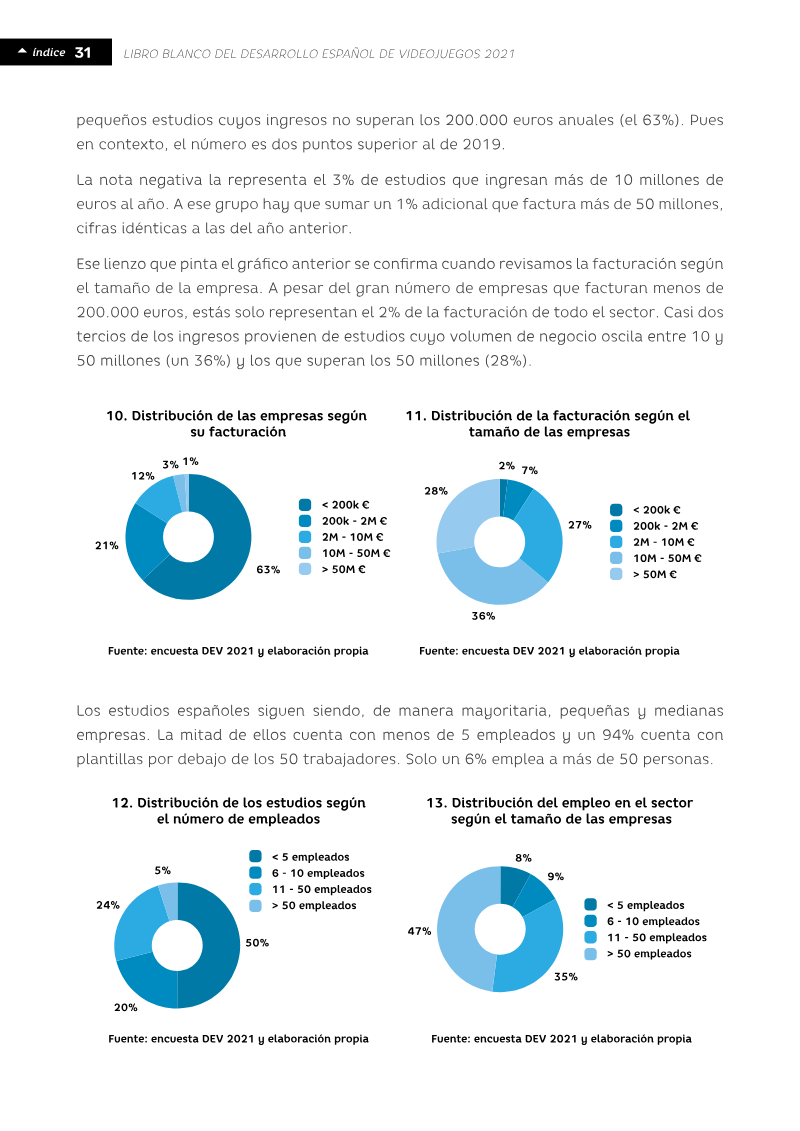
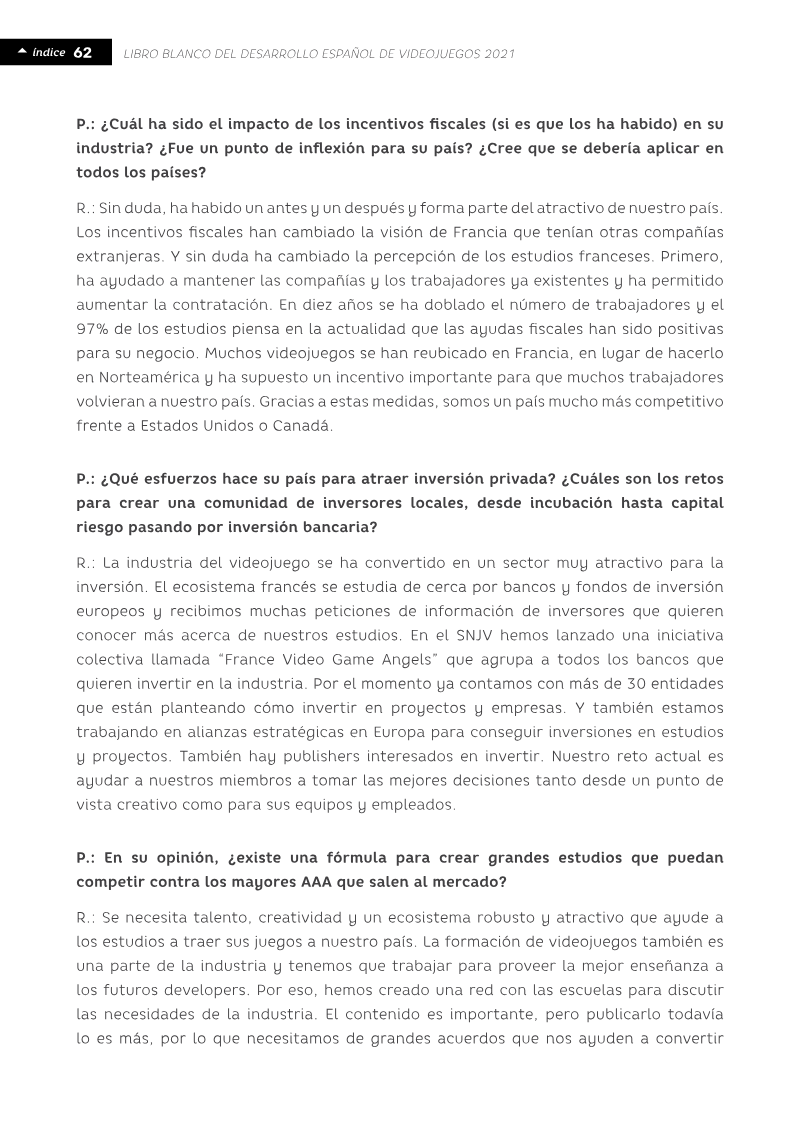

Fondo Europeo de Desarrollo Regional · 2021
WhitepaperLibro Blanco del Desarrollo Español de Videojuegos 2021
The Spanish video game industry demonstrated notable resilience and growth in 2021, reaching a total revenue of 1,105 million euros, a 20% increase over the previous year. With 435 active studios, the sector is increasingly consolidated, as 60% of companies possess over five years of experience. Despite this expansion, the industry remains characterized by a high density of small studios, with 63% earning under 200,000 euros annually, while a small minority of large firms generate the bulk of total revenue. Employment also trended upward, growing by 9.6% to reach over 8,000 professionals, though talent remains heavily concentrated in the hubs of Catalonia and Madrid. Strategic challenges persist, particularly regarding financing and workforce development. With 65% of studios actively seeking capital, the industry relies heavily on internal funds and publishers, highlighting a critical need for improved public policy, such as tax incentives and streamlined grant processes. Furthermore, the sector faces a significant gender gap, with women comprising only 23% of the workforce, and a recruitment bottleneck caused by a perceived mismatch between generalized academic training and the specific experience required by studios. While Spain ranks as a top-five European market, the absence of domestically produced titles in the national top 20 best-sellers underscores a need for greater product visibility and international competitiveness. To address these structural deficiencies, the industry advocates for a strategic roadmap that includes a mandatory 5% reinvestment scheme for international distributors and the adoption of successful international models from countries like France and Germany. By prioritizing tax incentives, formalizing diversity and anti-harassment policies, and fostering stronger educational networks, the sector aims to transition into a more sustainable, high-tech economic pillar. These efforts are supported by the ongoing advocacy of the Spanish Association of Video Game Development Companies, which continues to push for the formal recognition of video games as a vital cultural and technological industry.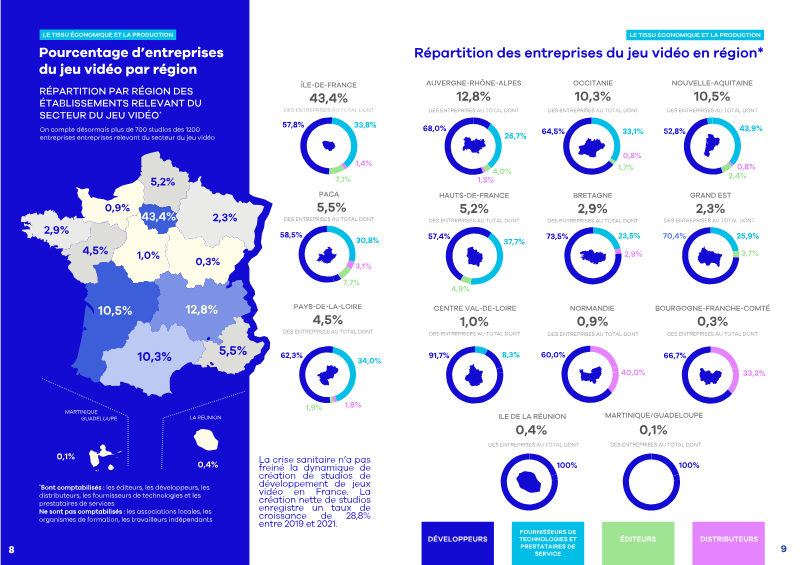
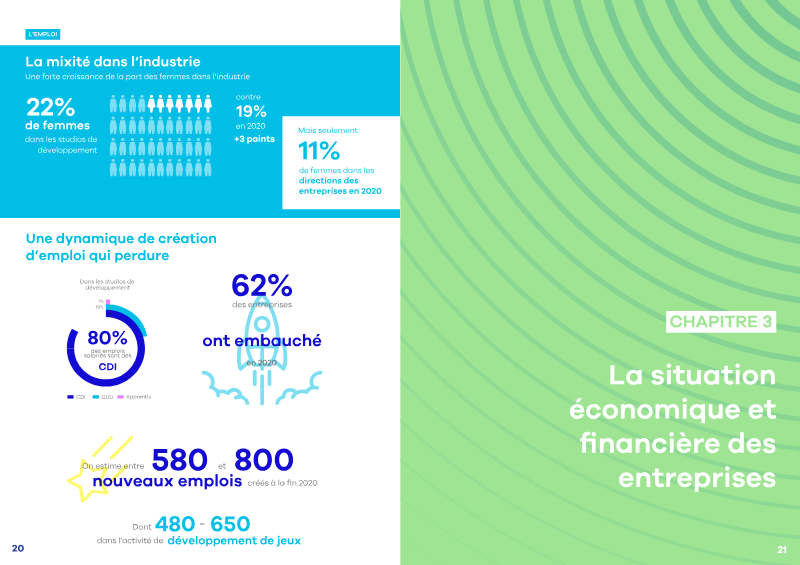
Syndicat National du Jeu Vidéo · 2021
Report