The video game industry is currently navigating a period of significant instability characterized by widespread layoffs, studio closures, and the failure of high-profile live-service projects. This analysis explores the systemic leadership challenges contributing to these conditions, arguing that the industry’s reliance on short-term, formulaic approaches to success is fundamentally unsustainable. By prioritizing immediate financial returns over long-term organizational health, many studios have failed to foster the necessary environment for sustainable growth and talent retention.
Key findings indicate that the industry suffers from a critical shortage of senior talent, with estimates suggesting that only half of the required experienced professionals remain active. This talent drain is exacerbated by the disbanding of teams during restructuring, which forces founders—often lacking deep commercial experience—to navigate complex market pressures without adequate support. Furthermore, the prevailing trend of chasing market fads is identified as a strategic error, as development cycles are too long to capitalize on fleeting trends effectively.
The analysis emphasizes that true industry sustainability requires a shift toward long-term planning and professional management training. Rather than focusing solely on individual game performance, leaders are encouraged to prioritize human capital and organizational resilience. While the current market reset is painful, it offers an opportunity to move away from the "auteur" model and toward more collaborative, stable business structures. Recent government interventions, such as the £30 million boost to the UK Games Fund, highlight a growing recognition of the need for structural support to help studios transition from one-hit-wonder cycles to sustainable, long-term operations.
The Esports World Cup, held annually in Riyadh, serves as both a legitimate structural investment in the global competitive gaming ecosystem and a strategic instrument of Saudi Arabian soft power. By offering a $70 million prize pool and a centralized "club championship" model, the event addresses long-standing industry fragmentation and provides essential financial stability to teams and publishers. However, this initiative is inextricably linked to the Saudi government’s Vision 2030, which seeks to diversify the national economy away from oil dependency while simultaneously rehabilitating the state’s international reputation through high-profile sports and technology investments.
The tournament’s scope is significant, spanning seven weeks and featuring 200 clubs competing across 24 games. The event’s organizers emphasize its role as a "tent pole" for the $3 billion esports sector, aiming to foster growth and sustainability for an industry that has historically struggled with strategic cohesion. The initiative aligns with the demographics of Saudi Arabia, where approximately 75% of the population is under the age of 35 and identifies as gamers. Last year’s inaugural event attracted 2.5 million attendees and generated half a billion online views, signaling strong engagement with the state's efforts to become a global hub for competitive gaming.
Analysts suggest that the tournament functions as a "face-hugging" exercise, where the state’s deep financial involvement makes it nearly impossible for the esports industry to operate independently of Saudi influence. While some organizations have attempted to navigate these ethical complexities by maintaining their own values during participation, the economic necessity of the funding often forces a compliance with the host's environment. Ultimately, the Esports World Cup highlights the increasing intersection of the video game industry with global geopolitics, illustrating how states can leverage digital entertainment to exert influence and shape public perception on a global scale.
The June 2025 edition of the Video Games Industry Memo serves as an analytical update on critical hardware and labor developments within the global gaming sector. The primary objective is to provide expert commentary on the Nintendo Switch 2, the evolution of development budgets in a maturing market, and the implications of recent labor agreements regarding artificial intelligence.
The analysis offers a positive, albeit cautious, assessment of the Nintendo Switch 2 following a week-long hands-on evaluation of the hardware. Beyond consumer hardware, the commentary addresses the structural shifts in game production, specifically focusing on how development budgets are being recalibrated as the industry faces a period of maturation. Furthermore, the discussion highlights the significance of the SAG-AFTRA generative AI agreement, positioning it as a potential watershed moment that should inform broader policy and labor negotiations across the technology and entertainment sectors.
This assessment reflects industry trends as of mid-2025, drawing on professional observation and expert insight. By synthesizing hardware performance, financial management, and labor policy, the analysis provides a high-level overview of the current challenges and opportunities facing major stakeholders in the video game industry.
The June 2025 industry landscape was defined by a stark contrast between the high-profile launch of the Nintendo Switch 2 and the concurrent Summer Game Fest (SGF) in Los Angeles, which took place against a backdrop of significant civil unrest. The Nintendo Switch 2 achieved a strong commercial debut, selling 3.5 million units within its opening week. Meanwhile, SGF shifted its focus toward AA-tier titles, moving away from the large-scale AAA spectacles that previously dominated the event.
Sony’s State of Play presentation preceded the main festivities, earning praise for its diverse, niche-focused lineup and a notable absence of live-service titles. Xbox also made a significant impact by unveiling its new Windows-based handheld device, the ROG Xbox Ally, and securing development partnerships with high-profile studios like Game Freak. Despite these announcements, the SGF showcase itself was described as somewhat bloated, with the event’s focus on mid-sized, single-player experiences serving as a primary trend for the 2025 season.
The atmosphere in Los Angeles was heavily impacted by widespread anti-ICE protests, which escalated to the point of National Guard deployment. This created a jarring environment for industry professionals, as the celebratory nature of the gaming showcases clashed with the reality of local demonstrations, police clashes, and property damage occurring just blocks away. While many attendees maintained a business-as-usual approach, the proximity of the unrest forced a difficult cognitive dissonance for those reporting on and participating in the event.
Beyond the immediate event coverage, broader industry concerns persist regarding the integration of generative AI. Recent reports indicate that AI-driven content poses a direct threat to entry-level roles within the screen and gaming sectors, with significant concerns regarding the unauthorized use of copyrighted materials. These developments, alongside ongoing labor negotiations, continue to shape the strategic priorities for major publishers and developers throughout the remainder of the year.
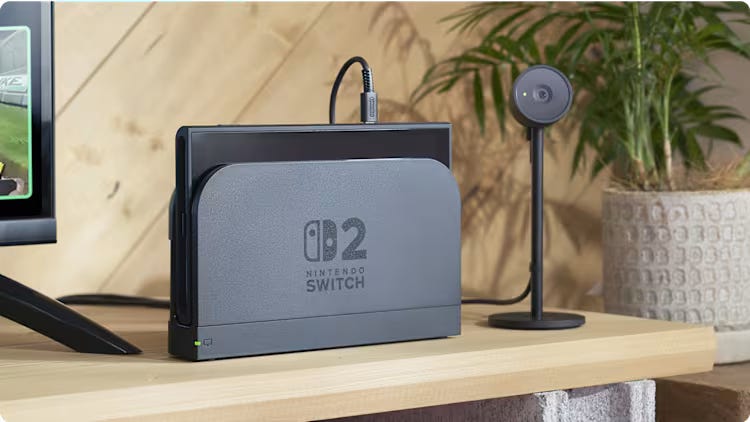
The launch of the Nintendo Switch 2 represents a strategic evolution rather than a revolutionary departure for the company. By prioritizing hardware continuity and iterative design, Nintendo aims to maintain its market position despite a maturing gaming landscape, economic headwinds, and increased competition. The primary thesis among industry experts is that while the console may struggle to match the record-breaking lifetime sales of its predecessor, its improved technical specifications and strong launch-day software support position it for a successful initial year.
Key findings indicate that the Switch 2 features hardware performance comparable to a portable PlayStation 4 Pro, including 4K docked resolution and enhanced Joy-Con functionality. While these technical upgrades are viewed as essential for consumer appeal, experts remain skeptical regarding the immediate impact of secondary features like integrated game chat and mouse-style controls. The launch is anchored by the release of Mario Kart World, which is identified as a critical system seller, though the broader first-party software lineup is currently perceived as thin.
The analysis draws on qualitative insights from a panel of nine industry journalists and analysts. Nintendo has set a conservative sales target of 15 million units for the 2025/2026 fiscal year, a figure that analysts believe is achievable and potentially beatable given the lack of supply chain constraints that hindered previous hardware cycles. Ultimately, the consensus suggests that Nintendo is successfully leveraging its brand strength to prioritize steady, long-term growth over radical innovation, betting that a refined, more powerful version of its existing hybrid model will satisfy its core audience.
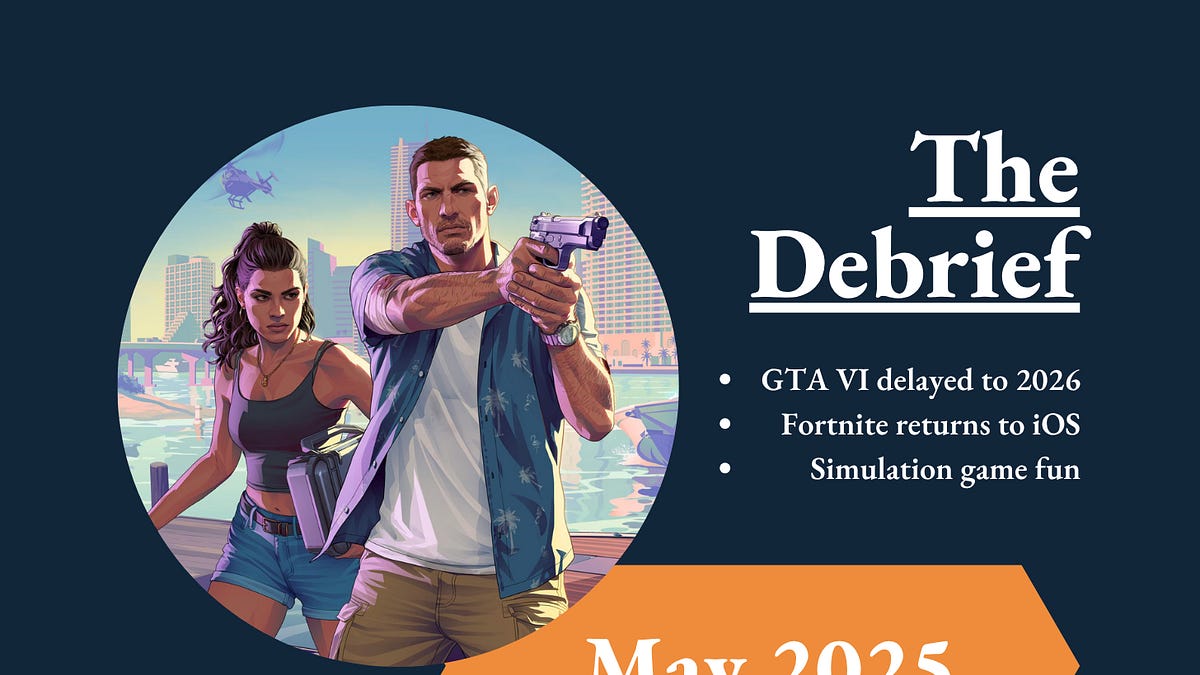
The May 2025 edition of The Debrief provides a high-level summary of significant developments within the global video game industry. The primary purpose of the publication is to synthesize major news, policy shifts, and emerging trends that shaped the sector during the month, serving as a pulse check for industry stakeholders and observers.
Key findings from the period highlight a major adjustment in the release calendar, specifically the delay of Grand Theft Auto VI, which is now rescheduled for May 2026. In the mobile gaming sector, a significant regulatory and platform milestone was reached as Fortnite officially returned to the App Store in both the United States and the European Union, concluding a five-year legal and commercial dispute. Additionally, the industry is seeing a notable technical evolution in simulation gaming, driven by the integration of live, real-world map data to enhance gameplay realism and immersion.
The scope of these updates is international, focusing on major platform-holder policies and high-profile software releases. The analysis reflects a period of transition for major publishers and a shifting landscape for mobile distribution, emphasizing the ongoing impact of legal challenges on digital storefront accessibility. By tracking these specific events, the summary underscores the intersection of technical innovation, corporate strategy, and regulatory oversight that continues to define the current state of the gaming market.
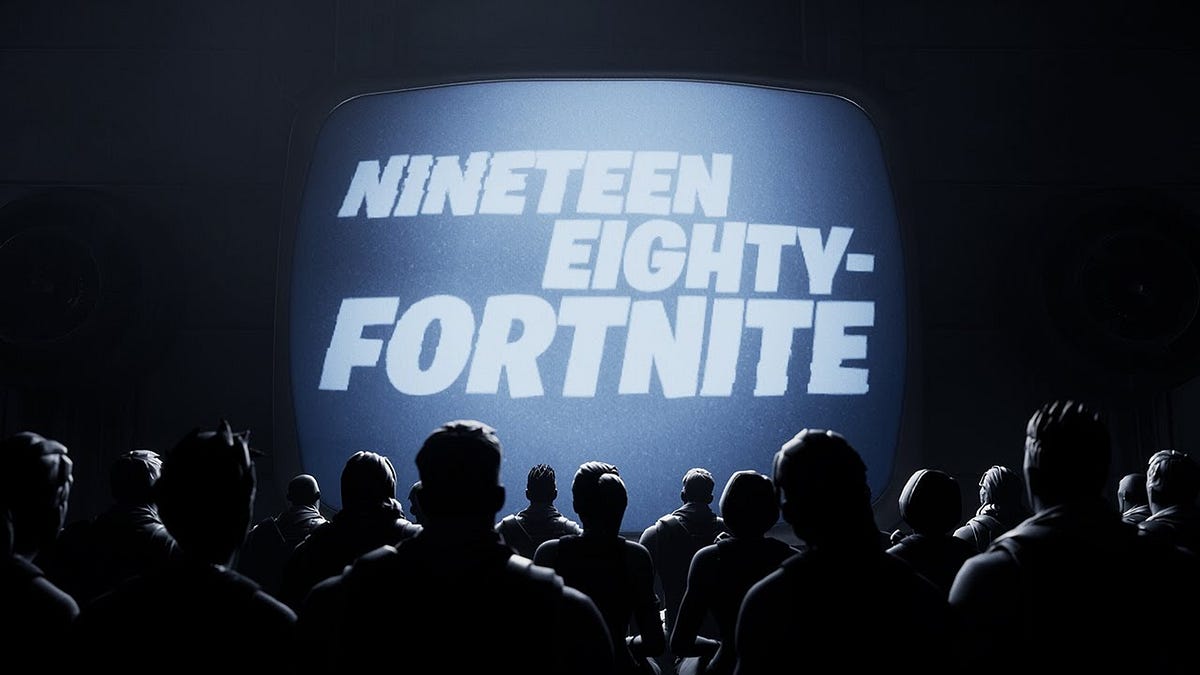
The return of Fortnite to Apple’s App Store in May 2025 marks the conclusion of a nearly five-year legal conflict, signaling a significant shift in the power dynamics between major technology platforms and game developers. The primary thesis posits that Epic Games successfully challenged Apple’s monopolistic control by combining strategic litigation, public advocacy, and the assembly of a broader coalition of industry allies. This victory, while primarily benefiting a multi-billion dollar entity, demonstrates that established digital ecosystems are increasingly vulnerable to regulatory and legal pressure when they fail to adapt to evolving market conditions.
Key findings highlight that the resolution allows Epic Games to bypass Apple’s standard 30% commission fee by utilizing third-party payment providers for in-game currency in the United States. The analysis suggests that Apple’s aggressive legal posture and perceived bad-faith compliance—such as threatening to ban Unreal Engine and imposing surcharges in Europe—ultimately backfired, causing institutional damage and inviting stricter regulatory scrutiny. Estimates indicate this conflict may cost Apple approximately $4.1 billion in potential revenue, though the more significant impact lies in the erosion of developer trust and the precedent set for future antitrust challenges.
The scope of this analysis covers the global mobile gaming industry, with a specific focus on the legal and economic landscape in the United States and the European Union. The methodology relies on an examination of court rulings, industry trends, and the broader implications of the Digital Markets Act. By framing the dispute as a catalyst for wider digital competition reform, the analysis concludes that the outcome serves as a blueprint for other companies and regulators to challenge the "winner-takes-all" dominance of Big Tech.
The Spring 2025 Games Industry Finance Cheat Sheet provides a concise synthesis of the most recent quarterly and annual financial performance reports from major global video game corporations. The primary purpose of the analysis is to distill complex financial filings into accessible, high-level summaries, allowing industry stakeholders to track market trends and corporate health without navigating extensive primary documentation. The scope covers a diverse range of industry leaders, including Nintendo, Microsoft, Sony, Electronic Arts, Ubisoft, Roblox, Take-Two, Capcom, Sega, and Warner Bros.
Key findings reveal a mixed landscape of performance across the sector. Nintendo reported a significant decline in revenue and operating income, attributed to the transition period between the original Switch and its successor, though it maintains strong consumer interest for the upcoming console. Microsoft’s gaming division saw growth in content and services, bolstered by Game Pass and the Call of Duty franchise, despite a 6% decline in hardware revenue. Sony experienced a strong fiscal year overall, though it anticipates future headwinds from potential trade tariffs and the delay of major titles. Meanwhile, Roblox demonstrated robust user growth with a 26% increase in daily active users, even as it continues to manage net losses.
The analysis highlights broader industry challenges, including the impact of geopolitical instability, such as trade tariffs, and the ongoing necessity for publishers to adjust business models to a maturing market. Companies like Ubisoft and Electronic Arts are navigating these pressures through cost-cutting measures, including layoffs and organizational restructuring. The findings underscore a period of strategic recalibration as major players balance platform-agnostic growth strategies with the realities of hardware market fluctuations and shifting consumer demand.
The provided text serves as an introductory overview for a periodic state-of-the-union update regarding the Video Games Industry Memo (VGIM), a niche publication focused on the business and professional landscape of the gaming sector. The primary purpose of the communication is to provide transparency to the readership regarding the newsletter’s operational performance, developmental trajectory, and future strategic direction. By offering an insider perspective on the publication's growth, the author aims to reinforce the value proposition for current and prospective subscribers.
The content functions as a meta-analysis of the publication itself rather than an industry-wide market report. It highlights the transition of the newsletter into a reader-supported model, emphasizing the benefits of paid membership, such as exclusive access to events, product discounts, and additional content. The scope of the publication is centered on the professional video game industry, targeting stakeholders interested in business insights, industry trends, and professional networking.
While the text outlines the author's intent to share performance metrics and strategic plans, the specific data points and analytical findings are restricted behind a paywall. Consequently, the document serves as a promotional gateway, inviting readers to engage with a deeper, proprietary assessment of the newsletter’s business health and its role within the broader gaming industry ecosystem. The methodology relies on the author’s direct experience and internal data as a publisher, positioning the newsletter as a specialized source for industry intelligence.
This publication serves as a curated resource for industry professionals and enthusiasts seeking to deepen their understanding of the video game business through literature. The primary thesis posits that a structured reading list—encompassing economic analysis, historical context, and cultural critique—is essential for navigating the complexities of the modern entertainment landscape. The selection highlights six specific titles: Joost van Dreunen’s One Up, Kim Nordström’s Up Down Up, Stephen Kent’s The Ultimate History of Video Games (Volume 1), Jason Schreier’s Press Reset, Jane McGonigal’s Reality is Broken, and Liu Cixin’s The Three-Body Problem.
The analysis provides qualitative assessments of these works, noting their utility in explaining industry economics, corporate culture, and the societal impact of gamification. While the scope is global, the recommendations focus on Western market dynamics and the evolution of game development from the 1980s to the present. The methodology relies on the author’s professional expertise and research conducted for their own forthcoming book, offering a blend of critical review and practical application for those managing or analyzing game businesses.
Beyond the book recommendations, the content addresses broader industry developments as of May 2025. Key updates include the dismissal of the head of the US Copyright Office following a report on generative AI, a temporary reduction in US-China trade tariffs affecting hardware, and ongoing debates regarding "dark patterns" in monetization models. The publication also announces a transition in editorial leadership, with freelance contributors assuming temporary oversight of the newsletter to facilitate the author’s research sabbatical.
The video games industry experienced a period of significant volatility in early May 2025, characterized by major shifts in release schedules, legal challenges to platform gatekeepers, and hardware pricing adjustments. The primary developments include the delay of Rockstar’s highly anticipated Grand Theft Auto 6 to May 2026, a landmark US court ruling against Apple’s App Store payment policies, and a global increase in Xbox console and first-party software pricing.
The delay of Grand Theft Auto 6, while negatively impacting the short-term growth projections for the $180 billion global software market, is viewed by industry analysts as a strategic move that alleviates competitive pressure on other publishers throughout 2025. Simultaneously, a US District Court judge ruled that Apple violated a 2021 order regarding App Store competition, leading to an injunction that forces the company to allow external payment methods. This ruling has prompted Epic Games to propose a global peace settlement, though the long-term impact on Apple’s ecosystem remains uncertain as the company pursues an appeal.
Furthermore, Microsoft has implemented significant price hikes, raising the cost of Xbox Series S and X consoles by 27% and 22% respectively in the US, alongside a 14% increase in the price of first-party games. These adjustments are attributed to rising development costs and the impact of new tariffs. Broader industry data from the UK indicates a 1.8% decline in the consumer games market to £7.63 billion, driven by a 5.1% drop in hardware sales and a 13% decrease in culture-related spending. These trends suggest a challenging environment for hardware manufacturers and publishers as they navigate shifting economic conditions and evolving regulatory landscapes.
The analysis explores how the populist right has successfully leveraged video game culture to build political influence, particularly among disaffected young men in the United States. The central thesis posits that mainstream society’s historical dismissal of gaming as a trivial or negative medium created a cultural vacuum. By treating gaming as a legitimate space for community and identity, the populist right has effectively courted a demographic that feels alienated by liberal institutions, ultimately channeling this energy into political activism and the dismantling of traditional liberal norms.
The research highlights how online forums like 4chan evolved from spaces for irreverent, game-centric humor into breeding grounds for radicalization and conspiracy theories, such as QAnon. This process was accelerated by the emergence of movements like Gamergate, which provided a blueprint for mobilizing digital activists. Political figures and movements, including those associated with Steve Bannon and Breitbart, recognized early on that these communities possessed significant social power. By engaging with gamers on their own terms—prioritizing authenticity and direct communication over institutional messaging—these political actors successfully integrated their agendas into the gaming information ecosystem.
The scope of this analysis focuses primarily on the intersection of Western gaming culture and American politics over the last two decades. The methodology relies on expert commentary from political analysts and historical observation of online community dynamics. The findings conclude that liberal democratic institutions have largely ceded this cultural territory by failing to engage with gaming as a serious medium. To counter this trend, the analysis suggests that mainstream culture must improve its coverage of games, recognize the importance of these digital spaces, and avoid heavy-handed, inauthentic attempts at political influence that alienate the gaming community.