ArticleVideo Games Industry Memo
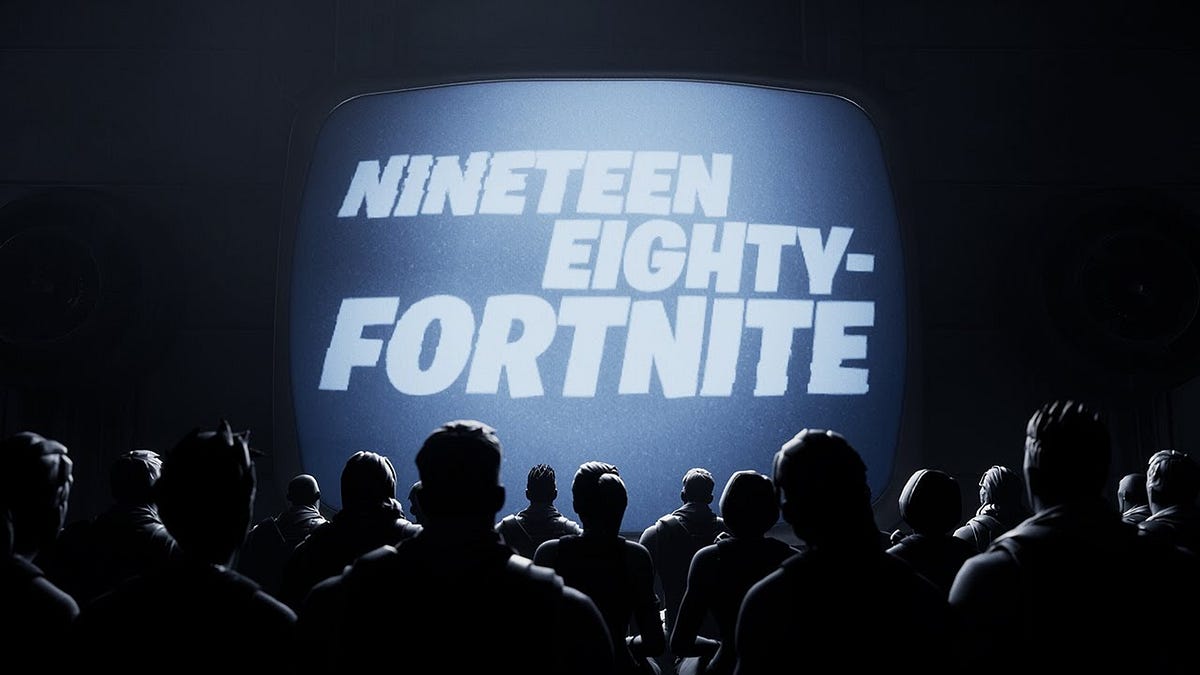
How Epic Games Served Apple Humble Pie
29 May 20251 page~15 min full read
Key insights
5 slides
The return
Fortnite returned to the Apple App Store in May 2025.
The return concluded a nearly five-year legal conflict. It marked a significant shift in power dynamics between major technology platforms and game developers.
Key number
Epic secured the right to bypass Apple's 30% commission fee.
Epic can utilize third-party payment providers for in-game currency in the United States. This resolution allows Epic to bypass Apple's standard commission.
The cost
The conflict is estimated to cost Apple approximately $4.1 billion.
Estimates indicate this conflict may cost Apple approximately $4.1 billion in potential revenue. The more significant impact lies in the erosion of developer trust.
The precedent
The dispute serves as a blueprint to challenge Big Tech dominance.
The resolution serves as a legal and strategic blueprint for other companies and regulators.
What changed
Apple's aggressive legal tactics resulted in significant institutional damage.
Apple threatened to ban the Unreal Engine and imposed surcharges in Europe. These tactics invited heightened regulatory scrutiny from authorities in the European Union and the United States.
1 / 5
Ask AI about this report















Comments