The Video Games Industry Memo (VGIM) provides clear guidelines for public relations professionals seeking to secure editorial coverage within its weekly publication. The primary objective of these guidelines is to align external pitches with the outlet’s specific focus on the policy, commercial, and cultural trends shaping the global video games sector. By outlining preferred content types and exclusionary criteria, the publication aims to streamline its editorial process while maintaining its reputation for providing high-level analysis to an audience of industry professionals, policymakers, and business leaders.
Successful pitches must offer substantive value, such as access to senior leadership, exclusive market data, or insights into the intersection of gaming with broader societal issues like healthtech, AI, and geopolitical developments. The publication prioritizes content that is analytical, conversational, and relevant to a diverse, professional readership. Furthermore, there is a strong emphasis on the necessity for interview subjects to engage in substantive, rigorous dialogue rather than participating in superficial or overly managed promotional interviews.
Conversely, the publication explicitly rejects consumer-focused content, such as standard game reviews, previews, or guides, unless they possess a significant business or policy angle. It also maintains a strict policy against accepting sponsored content as editorial, directing those interested in promotional placement toward its formal advertising channels. To ensure efficiency, PR professionals are instructed to provide concise summaries, clear justifications for the publication’s relevance, and explicit details regarding the exclusive access or data being offered. This structured approach ensures that all accepted content adheres to the publication’s established tone and thematic scope.
The February 2025 edition of the industry analysis column provides strategic guidance on three core challenges facing the global video games sector: geographic barriers to entry, European market competitiveness, and the industry’s failure to leverage political influence. The primary thesis posits that while the games industry has matured into a significant economic force, it remains hampered by a lack of strategic coordination, short-sighted leadership, and an inability to effectively navigate the political landscape compared to more established creative sectors like film and television.
Regarding career development, the analysis emphasizes that while remote work exists, physical proximity to established game clusters remains a critical advantage for professional growth. Aspiring entrants are advised to target secondary hubs—such as Guildford or Brighton in the UK—or to develop highly specialized, niche skill sets that provide leverage for independent work. On a macro level, the European games industry is identified as having a strong, cost-effective workforce and a unified market, yet it suffers from fragmented capital access and a cumbersome regulatory environment. To remain competitive, the region must define a clear, unified vision for its industry and foster healthy competition between member states through targeted tax incentives and strategic funding.
Finally, the analysis concludes that the games industry significantly underperforms in public affairs. Unlike the film and television sectors, which actively engage with policymakers to secure funding and protect interests, the games industry remains overly secretive and focused on short-term commercial returns. The author argues that for the industry to mature and secure long-term stability, companies must invest in professional public affairs teams to better communicate their economic value and influence policy outcomes.
The Civilization strategy game series maintains a significant, albeit informal, following among political professionals, policymakers, and government officials globally. The primary thesis suggests that the game’s mechanics—which emphasize long-term statecraft, resource management, and the implementation of specific policy theories—resonate deeply with individuals accustomed to the complexities of governance. By allowing players to simulate the evolution of society and test political strategies in a controlled environment, the series provides a sense of agency and order that contrasts sharply with the chaotic, short-term nature of real-world political work.
The analysis relies on anecdotal evidence and qualitative interviews with various political figures, including elected officials and public affairs experts in the United Kingdom, the European Union, and the United States. While formal industry data regarding the gaming habits of government officials is nonexistent, the findings indicate that interest in the series often stems from a long-standing personal history with the franchise, dating back to the 1990s. Many subjects identify the game as an educational tool that fostered an early interest in history and public policy, reinforcing its appeal to those in the liberal arts and governance sectors.
Beyond individual hobbyism, the findings highlight that the popularity of such titles among elites serves as a broader indicator of the video game industry’s increasing cultural influence. The prevalence of these games within the halls of power suggests that the medium has moved beyond traditional stereotypes, offering a potential avenue for the industry to engage more effectively with policymakers. Ultimately, the series acts as a strategic outlet for political professionals, providing a narrative space to explore their own governing philosophies while navigating the constraints of an imperfect, simulated world.
The 100th edition of the Video Games Industry Memo serves as a milestone reflection on the evolving landscape of gaming journalism. The primary purpose of the publication is to analyze the political, economic, and media forces shaping the global video games business. To mark this centennial issue, the author provides a curated list of recommended newsletters, highlighting the shift toward independent, creator-led media platforms as traditional trade press outlets decline.
The recommended resources are categorized by their specific industry utility. Game File is identified as the premier source for breaking news and industry scoops, while AI and Games is highlighted for its academic rigor and technical clarity regarding artificial intelligence. For sector-specific intelligence, the analysis points to mobilegamer.biz for mobile market data and developer trends, and GameDiscoverCo for its deep-dive data suites and benchmarks concerning the PC market. Finally, The Community Dev is noted for its practical, expert-led guidance on community management and marketing strategies.
Beyond these recommendations, the publication addresses broader industry developments, including the Entertainment Software Association’s concerns regarding potential U.S. tariffs on Taiwanese semiconductors and a House of Lords report warning that the United Kingdom risks becoming an "incubator economy" without increased support for creative tech startups. The author also notes significant corporate shifts, such as Sumo Group’s decision to pivot exclusively toward development services, effectively ending its internal intellectual property initiatives. These insights reflect a commitment to tracking the structural and regulatory challenges currently impacting the global gaming sector.
The return of Donald Trump to the U.S. presidency has prompted significant concern and strategic re-evaluation within the international video games industry. The primary thesis suggests that the administration’s shift toward isolationist, populist, and deregulatory policies will fundamentally alter the global landscape for digital businesses, forcing the industry to navigate a more fragmented and politically charged environment.
Key findings indicate that the new administration’s stance on online safety and competition policy marks a departure from the previous consensus. In the realm of online safety, the U.S. pivot toward prioritizing free speech over platform moderation creates a regulatory schism with democratic partners in the EU and UK. This shift risks leaving game developers—who often manage user-to-user communication and large youth audiences—more vulnerable to aggressive local regulation as international bodies struggle to police U.S.-based tech giants. Furthermore, the anticipated "defanging" of antitrust agendas, signaled by the resignation of key regulators like the FTC’s Lina Khan, may facilitate increased industry consolidation. While this could benefit large companies by easing the path for acquisitions, it threatens to stifle competition and slow growth across the broader digital ecosystem.
The analysis draws on observations from the Pocket Gamer Connects conference in London, held during the inauguration period. Industry leaders are debating whether to adopt the "MAGA" movement’s aggressive, high-energy approach to revitalize a sector currently suffering from layoffs and studio closures, or to maintain a commitment to values-based pragmatism. Ultimately, the industry faces an oxymoronic challenge: navigating a world defined by American isolationism that nonetheless exerts a profound, inescapable influence on global digital policy and market operations.
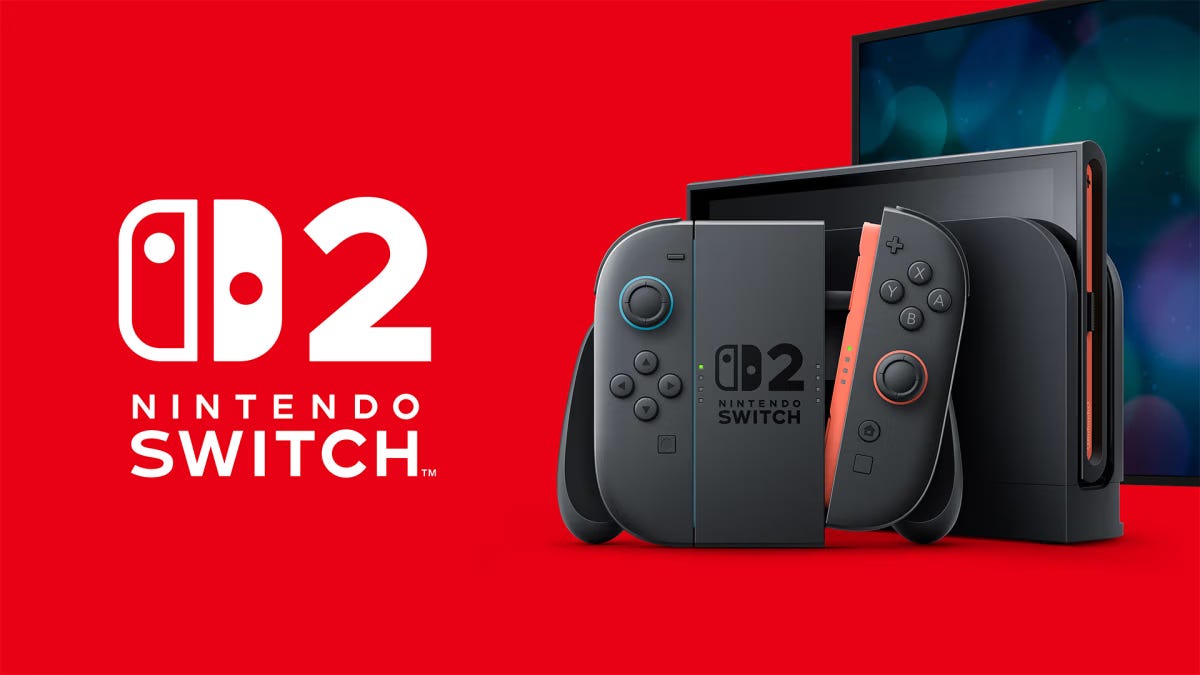
The provided text serves as a promotional introduction to a comprehensive industry guide regarding the announcement of Nintendo’s successor to the Switch console. Published in January 2025, the material functions as a gateway to a 900-word analysis intended to provide stakeholders and industry observers with essential commercial and market context surrounding the new hardware.
The core purpose of the guide is to synthesize the implications of Nintendo’s recent console reveal by addressing three primary strategic questions, offering expert critical commentary from across the gaming sector, and providing a curated collection of industry reactions. By framing the announcement within the broader landscape of the video game industry, the content aims to assist professionals in understanding the potential market impact and strategic positioning of the upcoming device.
While the full analytical content is restricted to paid subscribers, the overview establishes a framework for evaluating the transition between console generations. It emphasizes the importance of expert synthesis in navigating the high-stakes environment of hardware launches, positioning the guide as a resource for those seeking to interpret Nintendo’s latest move in the global gaming market. The scope of the work is focused on the immediate aftermath of the 2025 announcement, utilizing a combination of industry data, expert opinion, and market observation to provide a professional assessment of the console's future trajectory.
The video games industry can effectively influence national policy by reframing its objectives as low-cost, high-reward economic opportunities that align with broader government priorities. Rather than relying on the inherent cultural appeal of gaming, stakeholders must adopt a pragmatic approach that emphasizes job creation, foreign direct investment, and sustainable economic growth. By mirroring the successful lobbying strategies utilized by the film industry, the sector can secure critical fiscal support, such as digital games tax credits, even when the medium lacks a high profile among political leadership.
Success in the legislative arena requires a transition from general advocacy to the presentation of precise, evidence-based solutions. Policymakers are significantly more responsive when industry representatives identify specific regulatory bottlenecks—such as overly restrictive eligibility criteria—and offer concrete, actionable amendments that harmonize local frameworks with global standards. This methodology shifts the conversation from abstract industry needs to tangible policy improvements, making it easier for heads of state to justify support through measurable economic outcomes.
To maintain long-term political momentum, the industry must proactively address societal concerns, including monetization practices and player well-being, while setting realistic, incremental lobbying goals. By demonstrating a commitment to responsible growth and societal benefit, the sector can mitigate potential regulatory friction. This strategic engagement, focused on professionalizing the relationship between developers and government officials, ensures that gaming remains a viable candidate for state support within the broader context of national digital and economic policy.
The December 2024 edition of the Video Games Industry Memo serves as a year-end personal reflection, shifting away from standard industry analysis to curate a list of cultural highlights. The primary purpose of the communication is to provide a subjective review of media consumed by the author throughout the calendar year, offering a personal perspective on entertainment outside of professional industry reporting.
The content centers on a self-styled awards list covering six distinct categories: fiction, non-fiction, film, television, music, and video games. The selections include a mix of contemporary releases and legacy titles, specifically highlighting The Secret History (1992), Meet Me in the Bathroom (2017), Sing Sing (2023), Tigers Blood (2024), Industry (2020–2024), and Fallout: New Vegas (2010). The methodology relies entirely on the author’s personal consumption habits and subjective enjoyment during the 2024 calendar year, rather than industry-wide data or market performance metrics.
This summary of personal preferences acts as a concluding piece for the publication’s annual cycle. It explicitly distinguishes these personal recommendations from the broader, data-driven industry roundups typically featured in the newsletter, noting that a comprehensive analysis of the best games of 2024 is reserved for a subsequent, separate publication. The scope is limited to the author’s individual cultural experiences and does not attempt to provide a representative sample of industry trends or consumer behavior.
The first half of 2024 was defined by significant instability within the global video games industry, characterized primarily by widespread workforce reductions and corporate restructuring. Following the post-pandemic economic downturn, major entities including Activision Blizzard, Unity, Riot, and Twitch collectively laid off over 3,500 employees in January alone. This trend of contraction persisted throughout the first six months of the year, with further job losses reported at Sony Interactive Entertainment, Electronic Arts, and various other studios, ultimately pushing total industry layoffs beyond the 10,000-person threshold seen in 2023.
Beyond labor market volatility, the industry experienced notable shifts in corporate strategy and regulatory oversight. Embracer Group announced a major split into three separate business units due to financial pressures, while IGN’s acquisition of the Gamer Network portfolio signaled ongoing consolidation within games media. Regulatory developments also played a critical role, as European authorities utilized the Digital Markets Act to compel Apple to allow rival app stores, and Chinese regulators withdrew proposed spending caps that had previously unsettled domestic market giants like Tencent and NetEase.
Despite the prevailing atmosphere of austerity, specific segments of the industry demonstrated resilience and growth. The viral success of Palworld, which sold over 7 million copies in its first week, and the strong performance of Helldivers 2 highlighted the continued potential for breakout hits. Furthermore, strategic partnerships—such as the $1.5 billion investment between Disney and Epic Games—indicated a long-term focus on persistent digital environments. These developments, alongside the critical success of media adaptations like the Fallout television series, provided a counter-narrative to the broader theme of industry-wide retrenchment during the first half of the year.
This analysis identifies four notable video game podcasts as of November 2024, evaluating them based on their ability to balance industry insight with engaging, accessible content. The selection highlights a perceived gap in the audio market, where few gaming podcasts have successfully transitioned into mainstream popularity despite the medium's broad cultural reach.
The recommended podcasts include My Perfect Console, which utilizes a celebrity-interview format to explore the personal significance of games; Triple Click, praised for its balanced mix of industry analysis and consumer-focused discussion; The Back Page Podcast, noted for its conversational and lighthearted approach to game coverage; and Deconstructor of Fun, which serves as a specialized resource for those interested in the technical and business mechanics of the industry. These recommendations are supplemented by reader-submitted suggestions, including Making Games is Fun, Cane and Rinse, Hideo Kojima’s Brain Structure, and the GI Biz Microcast.
Beyond the podcast recommendations, the analysis provides a brief overview of current industry developments. Key updates include reports of Sony developing a new handheld console to compete with the Nintendo Switch, the Competition and Markets Authority’s decision to cease investigations into cloud gaming on iOS, and the emergence of disinformation campaigns targeting specific titles like Stalker 2. Additionally, the text notes shifting store policies regarding generative AI disclosures on platforms like Itch.io and the return of the FIFA brand to the gaming market through a partnership with Mythical Games. The content serves as a curated industry update for professionals and enthusiasts, reflecting the intersection of creative culture, business strategy, and current events.
The November 2024 edition of the Video Games Industry Memo serves as a monthly question-and-answer column addressing operational and industry-related inquiries from subscribers. The primary focus of this installment is the strategic decision-making process regarding platform hosting, specifically addressing why the publication remains on Substack despite previous controversies surrounding content moderation policies.
The analysis highlights that the decision to stay on the platform was driven by a combination of pragmatic business considerations and the platform's eventual policy reversal in early 2024. The author notes that while he explored alternatives like Ghost, Beehiiv, and ButtonDown during late 2023, the logistical burden of migrating a new business during a period of high professional stress made an immediate exit unfeasible. The author emphasizes that his continued presence is contingent upon the platform’s ongoing commitment to removing extremist content, noting that he remains prepared to migrate the publication if future moderation failures occur.
Beyond platform management, the document touches upon broader industry themes, including the quality of mainstream media coverage of video games and the industry's outlook for 2025. While the full discussion of these topics is restricted to paid subscribers, the text establishes a professional, analytical perspective on the intersection of digital infrastructure, corporate responsibility, and independent media sustainability. The content reflects a cautious, monitoring-based approach to platform governance, prioritizing the long-term viability of the newsletter while maintaining a critical stance toward the service provider's past handling of community standards.
The AI and Games Conference, held in London in late 2024, served as a platform for industry professionals to discuss the practical application of artificial intelligence in game development. The event aimed to reframe the public discourse around AI, shifting the focus from generative AI toward the diverse, deeply rooted technical implementations that define modern game design, such as character behavior, navigation, and environmental interaction.
A key highlight from the conference was the post-mortem of Space Marine 2, where Saber Interactive’s lead game designer detailed how the game’s AI is specifically engineered to penalize cautious play. To reinforce the power fantasy of a Space Marine, the system rewards aggressive, close-quarters combat with defensive benefits, while players who retreat to a distance are subjected to stealthy, off-screen attacks. This design choice forces players to engage in the frantic, high-intensity battles central to the game’s core identity.
Other technical insights included Epic Games’ use of the Learning Agents plugin for Fortnite, which utilizes reinforcement and imitation learning in a data gym environment to create more human-like, challenging bots. Additionally, legal guidance emphasized that while generative AI can support creative workflows, developers must mitigate commercial risk by ensuring that all AI-generated assets undergo significant human editing. The conference concluded that increased transparency regarding these development processes is essential for the industry to combat negative public perceptions and demonstrate the sophisticated expertise required to create modern interactive experiences.