The Video Games Industry Memo’s year-end review serves as a community-driven retrospective on the most significant titles of 2023. Rather than relying on a singular editorial perspective, the selection process utilized submissions from the publication's readership to identify standout blockbuster releases. The resulting list highlights a diverse range of experiences, including The Legend of Zelda: Tears of the Kingdom, Baldur’s Gate 3, Cyberpunk 2077: Phantom Liberty, Super Mario Wonder, Alan Wake 2, Marvel Snap, and the Mercenaries mode of Resident Evil 4.
The analysis emphasizes the enduring appeal of established franchises alongside the technical and narrative achievements of modern RPGs and action titles. Contributors noted that these games succeeded by offering deep, immersive mechanics, innovative storytelling, and high replayability. For instance, the success of Cyberpunk 2077: Phantom Liberty is attributed to a significant post-launch turnaround, while Marvel Snap is recognized for its mastery of behavioral design and accessibility in the mobile and competitive space.
Beyond the game selections, the industry overview identifies several critical developments from late 2023. Key events include Epic Games’ successful antitrust victory against Google, which carries significant implications for digital storefront competition, and the official dissolution of the E3 trade show. These findings reflect a broader industry transition toward decentralized promotion and evolving platform dynamics. The scope of the report is global, focusing on major industry trends and high-profile releases that defined the 2023 calendar year, providing a snapshot of both the creative successes and the structural shifts occurring within the video game business.
The release of the Grand Theft Auto 6 trailer marks a definitive transition for the franchise from a subversive, counter-cultural outsider to a mainstream, high-stakes commercial blockbuster. While the trailer achieved massive engagement, garnering over 100 million views within 48 hours, its notably safe and predictable tone reflects the immense pressure to secure a successful launch for what is effectively a multi-billion dollar succession plan.
Historically, the series built its reputation on controversy, leveraging moral panics and provocative content to establish its brand identity. However, the industry landscape has shifted significantly since the 2013 launch of Grand Theft Auto 5. Today, the franchise operates within a highly competitive market dominated by free-to-play platforms and entrenched multiplayer ecosystems. Consequently, the marketing strategy for the upcoming title prioritizes broad appeal and stability over the rebellious, boundary-pushing tactics that characterized earlier entries.
This shift acknowledges that the series is no longer an independent disruptor but a pillar of the global entertainment industry. The necessity of maintaining the commercial dominance established by its predecessor requires a more measured approach to public relations and content reveal. By moving away from its "bad boy" image, the franchise has solidified its position as a reliable, high-production-value product, effectively trading its historical anarchic spirit for the predictable, stadium-filling status of a modern cultural leviathan.
ReedPop has officially initiated a sale of Gamer Network, a prominent UK-based portfolio of video games media outlets. The divestment includes major digital properties such as Eurogamer, GamesIndustry.biz, and Rock, Paper, Shotgun, as well as stakes in Digital Foundry and Outside Xbox. While the media assets are being sold, associated UK events like EGX and MCM will remain under the ownership of ReedPop.
The decision to sell follows a strategic review of ReedPop’s UK business, which has faced significant headwinds since the company acquired Gamer Network in 2018. The primary drivers for this exit appear to be the lingering financial impact of the COVID-19 pandemic on the events sector, which hampered growth, and the ongoing commercial challenges of monetizing B2C games journalism in an era dominated by shifting search algorithms and the influencer economy. Furthermore, the move aligns with broader corporate mandates from ReedPop’s parent company, RELX Group, which has prioritized operational efficiency and portfolio optimization across its exhibition segments.
The sale is expected to be a comprehensive transaction, with a preference for finding a single buyer for the entire portfolio rather than piecemeal divestment. This development has generated considerable concern regarding the future stability of the UK games media landscape. Industry analysts anticipate that a change in ownership will likely lead to restructuring and consolidation, potentially threatening the plurality and reach of these established media outlets. As the industry awaits a buyer, the situation highlights a broader, urgent need for a sustainable model to support the future of games journalism.
The Autumn 2023 Games Industry Finance Cheat Sheet provides a consolidated overview of financial performance for major publicly traded video game companies. The primary objective is to simplify complex, disparate financial reporting by standardizing key metrics—specifically revenue and bookings—into US Dollars to offer a clearer comparative analysis of industry health. The scope covers international industry leaders, including Nintendo, Electronic Arts, Sony, Roblox, Tencent, and Ubisoft, during their respective 2023 fiscal quarters.
Key findings highlight diverse performance drivers across the sector. Nintendo achieved its strongest combined Q1-Q2 results since the Switch launch, bolstered by the success of The Legend of Zelda: Tears of the Kingdom and the cross-media impact of the Super Mario Bros. movie. Electronic Arts successfully transitioned its football franchise to the EA Sports FC brand, reporting 14.5 million accounts at launch. Sony’s games division maintained strong performance despite a broader corporate profit decline, though it faces challenges in meeting its 25 million console shipment target for the fiscal year. Meanwhile, Tencent saw a 10% revenue increase as Chinese regulatory conditions softened, and Ubisoft reported a 36.6% year-on-year growth in net bookings, aided by a strong release slate.
The analysis emphasizes the importance of specific industry metrics, noting that "bookings" serve as a vital indicator for service-based games, while "shipped" figures for consoles should not be conflated with consumer sales. Despite pockets of growth, the industry continues to navigate a challenging economic environment, evidenced by ongoing layoffs at companies like Unity and financial instability at Embracer Group. The summary concludes that while the sector is recovering, performance remains highly dependent on successful intellectual property management and regulatory stability.
Saudi Arabia is aggressively pursuing the rapid development of a domestic video games industry as a central pillar of its Vision 2030 initiative. The primary objective is to diversify the national economy away from oil dependency by establishing a robust games cluster capable of generating $10 billion in annual economic output, supporting 250 businesses, and creating 39,000 jobs by 2030. This strategy is driven by the Public Investment Fund (PIF) and its subsidiary, Savvy Games Group, which has been allocated $38 billion to execute this transformation.
The methodology for building this sector involves a multi-pronged approach: direct investment in domestic game development through entities like Steer Studios, the attraction of international talent via government-backed programs, and the acquisition of established global companies such as Scopely and SNK. Additionally, the state has secured minority stakes in major international publishers, including Nintendo, Electronic Arts, and Take-Two Interactive, to gain influence and facilitate knowledge transfer. Furthermore, the country is leveraging esports to enhance its global profile and soft power, exemplified by the acquisition of ESL and FaceIt.
While the strategy is well-funded and coherent, significant challenges remain. The timeline for achieving such substantial growth is exceptionally short, and the domestic industry currently lacks the necessary deep-rooted skills base. Success remains heavily dependent on the ability to attract international talent and navigate the inherent political and social complexities of the region. Ultimately, the initiative represents a high-stakes effort to utilize capital to force the creation of a modern, technologically enabled industry from the ground up.
The legal conflict between Epic Games and Google serves as a focal point for analyzing the shifting power dynamics within the global mobile gaming industry. The core of the dispute centers on Epic’s challenge to Google’s 30% revenue share and its restrictive policies regarding third-party payment systems and alternative app stores. While Google defends these measures as necessary for maintaining a secure, moderated ecosystem, developers increasingly view these policies as an outdated, non-negotiable tax that ignores the modern reality of free-to-play service models.
Historically, the introduction of centralized app stores in the late 2000s was welcomed by developers as a solution to the high-friction, costly distribution landscape of the era. However, as mobile gaming evolved into a service-based economy, the value proposition of these storefronts has diminished. Developers now bear the primary burden of technical maintenance, community management, and content updates, leading to widespread resentment toward the rigid 30% commission. This tension has empowered large-scale platforms to challenge the status quo, both through direct litigation and by exerting public pressure.
Although the outcome of the specific court battle remains uncertain, the broader industry trend points toward a more open ecosystem. Regulators in regions such as South Korea, India, and the Netherlands have already forced partial concessions, including lower fees and the integration of alternative payment methods. Furthermore, the European Union’s Digital Markets Act is expected to facilitate the sideloading of content, signaling a global shift toward reduced platform control. Ultimately, while the 30% fee may not disappear immediately, the industry is moving toward a future characterized by increased developer autonomy and a gradual erosion of the gatekeeper model.
The UK video games industry requires a formal, dedicated government strategy to maintain its global competitiveness and sustain its economic contributions. While the sector has historically thrived through private entrepreneurial drive, the absence of a cohesive national policy has left the industry vulnerable to fragmented regulation and inconsistent support. The current landscape is characterized by interdepartmental incoherence, where policy changes—such as adjustments to immigration rules for talent and modifications to tax relief structures—inadvertently undermine the sector's stability and growth.
The industry currently contributes £6 billion in gross value added to the UK economy and supports 76,000 jobs across major regional clusters. Despite these figures, government engagement has historically been reactive rather than proactive, often responding to external pressures or specific crises rather than fostering long-term development. This laissez-faire approach is increasingly unsustainable as international competitors, including Australia, Germany, and Saudi Arabia, implement robust, state-backed strategies to attract investment and talent. These nations view the games sector as a critical component of their economic and geopolitical future, a perspective that contrasts with the UK’s current lack of a unified, long-term vision.
To remain a global leader, the UK must move beyond ad-hoc policy interventions and address systemic challenges, such as the high costs of skilled worker visas and the need for educational reforms like a Digital Creativity GCSE. Without a strategic framework that aligns government departments and provides consistent support, the UK risks losing its position as a premier destination for both domestic and international game development. A coordinated plan is essential to ensure the industry can navigate current economic headwinds and continue to leverage its creative and technical strengths on the global stage.
Dr. Tommy Thompson, a prominent expert in artificial intelligence and video games, has issued a call for the games industry to establish a standardized risk-assessment framework to address the growing challenges posed by generative AI. The proposed initiative, described as a traffic-light system, aims to provide smaller independent developers with the necessary guidance to navigate the legal, commercial, and reputational risks associated with AI integration—resources that are currently largely confined to the internal R&D departments of major Triple-A studios.
The industry has historically utilized machine learning for tasks such as player analytics and texture upscaling, but these applications were developed conservatively and behind closed doors. In contrast, generative AI is perceived as an external, disruptive force. Major studios remain wary of the technology due to concerns regarding output quality, consistency, and, most significantly, the potential for copyright and intellectual property infringement. While large companies possess the legal infrastructure to manage these risks, smaller developers often lack such safeguards, leaving them vulnerable to potential platform bans or legal repercussions if they utilize AI tools that do not meet strict compliance standards.
The proposed framework seeks to bridge this knowledge gap by encouraging industry associations to facilitate the sharing of best practices. By creating a principles-led assessment tool, the industry could help developers evaluate the viability of AI tools without requiring major firms to disclose proprietary secrets. The initiative emphasizes that as AI becomes more pervasive, the industry must move beyond passive observation and toward proactive education to prevent the technology from becoming an existential risk to smaller, less-resourced game businesses.
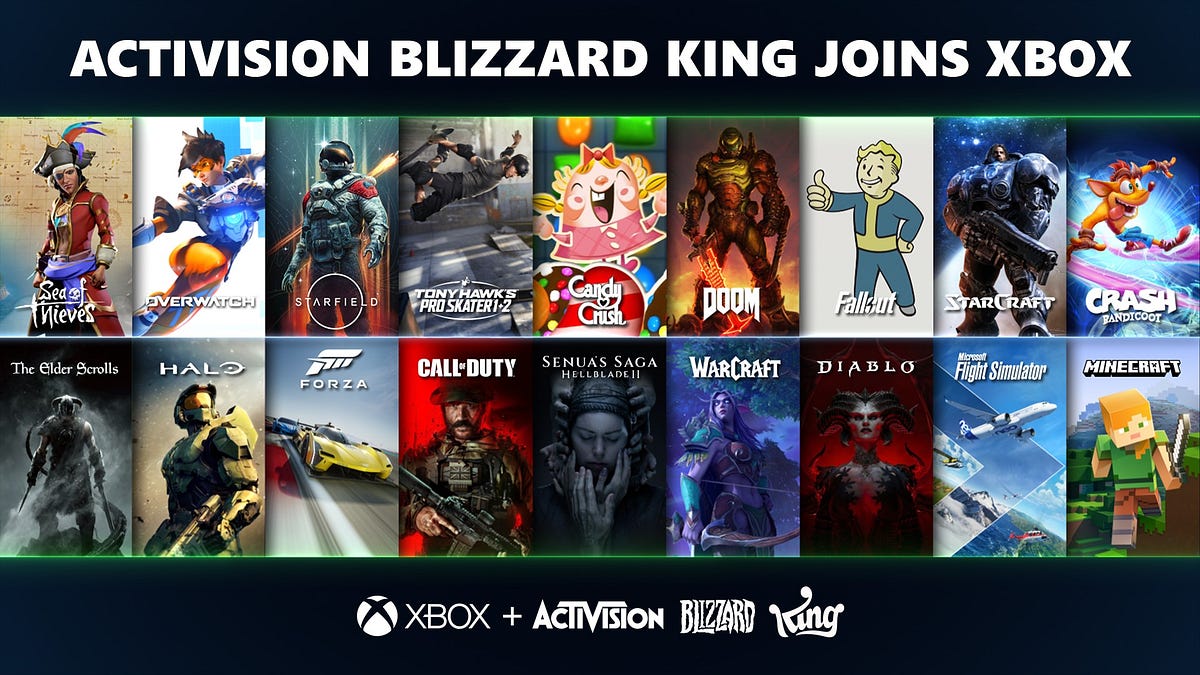
The $69 billion acquisition of Activision Blizzard King by Microsoft marks a significant shift in the global video games industry, solidifying Microsoft’s position as the third-largest entity in the sector by revenue, trailing only Tencent and Sony. This consolidation, finalized in October 2023 after nearly two years of regulatory scrutiny, grants Microsoft control over major intellectual properties across console, PC, and mobile platforms. To secure approval from international regulators, Microsoft agreed to decade-long concessions regarding the availability of the Call of Duty franchise on rival platforms and divested cloud gaming rights for Activision Blizzard content to Ubisoft for 15 years.
While the acquisition strengthens Microsoft’s cross-platform strategy and bolsters its Game Pass subscription service, the long-term internal impact remains uncertain. The integration of the acquired studios—Activision, Blizzard, and King—will likely involve rigorous cultural and financial assessments. King is viewed as a strong fit due to its mobile dominance, while Blizzard faces challenges related to past scandals and a fractured relationship with its Chinese partner, NetEase.
The deal’s broader industry implications suggest a potential cooling of future large-scale mergers among traditional gaming companies due to increased regulatory resistance and high transaction costs. Instead, the market may see an influx of external "superpowers," including entertainment conglomerates, games-adjacent technology firms, and sovereign wealth-backed entities, seeking to enter or expand their footprint in the sector. This shift indicates that the industry is moving toward a new era where major publishers may increasingly look outside the traditional gaming ecosystem for future investment and acquisition opportunities.
The recent failure of Shell’s Fortnite creative map, Ultimate Road Trips, serves as a focal point for broader industry concerns regarding the use of video games as a platform for corporate and political influence. While the campaign was intended to reach younger demographics through interactive experiences, it was widely criticized for its lack of engagement and perceived attempt to normalize fossil fuel consumption. The backlash from environmental advocacy groups and the gaming community highlights the reputational risks brands face when attempting to leverage gaming environments for marketing, particularly when the content is viewed as manipulative or disconnected from the medium's culture.
Beyond the specific case of Shell, the analysis identifies a growing strategic trend where organizations increasingly view video games as a viable, albeit complex, sphere for influence. Unlike traditional advertising, gaming ecosystems are characterized by fragmented, highly protective communities that are resistant to overt external messaging. Despite these barriers, the industry is witnessing a shift where games are being treated as a credible frontline for both benign public health messaging and more concerning, malign foreign policy interference.
The broader implications for the industry are significant, as the perception of games as a tool for psychological or political manipulation gains traction. Recent research from the University of Lund’s Psychological Defence Research Institute underscores that nation-states are actively exploring the use of gaming platforms for information warfare. As these digital spaces become increasingly central to global discourse, stakeholders must navigate the tension between the medium's potential for engagement and the rising scrutiny regarding its role in shaping public opinion and social behavior.
The global video games industry experienced a significant wave of layoffs in October 2023, impacting major organizations including Epic Games, Creative Assembly, and Team 17. This period of contraction represents a correction following a period of unsustainable growth and strategic missteps. The primary thesis suggests that the industry is suffering from a "perfect storm" created by a combination of challenging macroeconomic conditions and the delayed, negative consequences of pandemic-era business decisions.
Macroeconomic pressures, specifically high inflation and rising interest rates, have squeezed the sector by increasing headcount costs and stifling investment. Venture capital funding for the games industry plummeted from $28 billion in the first half of 2022 to $0.9 billion in the first half of 2023. Simultaneously, the industry is grappling with the microeconomic fallout of the pandemic. While the sector initially thrived during lockdowns, the shift to remote work slowed development cycles, leading to a "traffic jam" of delayed releases that intensified market competition and forced price reductions. Furthermore, excessive capital was poured into speculative areas like the metaverse and Web3, which failed to deliver expected returns.
The industry is now facing a period of consolidation and forced restructuring. While structural factors such as the easing of release backlogs and potential hardware cycles in 2024 offer some hope for recovery, the current crisis highlights the risks of poor leadership decisions and over-extension. The situation serves as a critical inflection point, emphasizing the need for more disciplined financial management and realistic market expectations as the industry navigates the post-pandemic landscape.
The transition of Electronic Arts’ flagship football franchise from the FIFA brand to EA Sports FC marks a significant shift in the power dynamics between video game publishers and external intellectual property holders. After three decades of partnership, Electronic Arts opted to discontinue the FIFA license rather than accept a reported $300 million fee increase. This decision highlights the publisher's confidence in its own brand equity, development expertise, and control over the game’s ecosystem, particularly its lucrative Ultimate Team mode.
Historically, the FIFA license provided essential credibility that helped the series dominate the market throughout the 1990s and 2000s. However, the relationship became increasingly one-sided as Electronic Arts expanded its own licensing portfolio and marketing capabilities. Conversely, the governing body’s brand value suffered due to high-profile corruption scandals and mismanagement. By the early 2020s, the demand for a doubled licensing fee was viewed as an unsustainable financial demand from a weakened partner, prompting the publisher to sever ties and maintain full control over its product.
This development serves as a broader indicator of the current video game industry landscape, where major publishers now possess the leverage to dictate terms to external organizations. As the global games economy continues to mature, brands and governing bodies seeking to partner with gaming companies must recognize that the balance of power has shifted. Success in this sector now requires external entities to engage constructively and realistically, as games businesses are no longer reliant on external branding to achieve commercial success.