
The UNBOXING Podcast
The UNBOXING Podcast is a podcast and Substack newsletter hosted by two NYU professors, including Joost van Dreunen, that analyzes the games business. It publishes episode write-ups on topics like Roblox, regulation, layoffs and industry consolidation.
Documents
Free-to-Play, Game Design & the AI Shakeup
The current landscape of free-to-play game development is undergoing a significant transformation, driven by evolving monetization strategies and the rapid integration of artificial intelligence.
- AI will significantly lower the cost and time required for game development, shifting the industry's primary bottleneck from production capacity to discoverability and distribution.
- Over-reliance on universal KPIs like conversion and retention is flawed, as these metrics vary drastically by genre and lack consistent industry-wide definitions.
- Successful free-to-play design requires a balanced approach that integrates data with player feedback and developer expertise, rather than relying on purely data-driven decision-making.
The Kids Act, Consolidation & the Future of the Games Industry
The games industry is currently navigating two significant structural shifts: the emergence of stringent regulatory frameworks regarding child safety and the accelerating consolidation of market power among a small group of dominant corporations.
- The top 10 game companies generated approximately $100 billion in publishing revenue in 2025, representing 56% of the total market.
- The EU’s proposed Kids Act may force developers to restrict engagement mechanics such as daily login rewards and implement stricter age verification and AI oversight.
- Industry consolidation is driven by rising development costs, economies of scale, marketing requirements, and platform power, leading to the disappearance of mid-tier game companies.
Roblox Everywhere, the Slopocalypse, and Who Actually Owns Your Games
The games industry is currently navigating a significant shift regarding platform autonomy, digital ownership, and the governance of user-generated content.
- Roblox's 'Roblox Everywhere' initiative aims to allow creators to distribute games as standalone apps across mobile, PC, and console, potentially shifting the platform's identity from a social destination to a middleware engine.
- The expansion of Roblox-built games into external app stores raises significant concerns regarding the 'slopocalypse' of content quality and the potential for the company to externalize trust and safety risks for its large underage user base.
- In a legal dispute regarding NBA 2K, Take-Two Interactive argued that players do not actually own the virtual currency they purchase, justifying the loss of assets when older game servers are shut down.
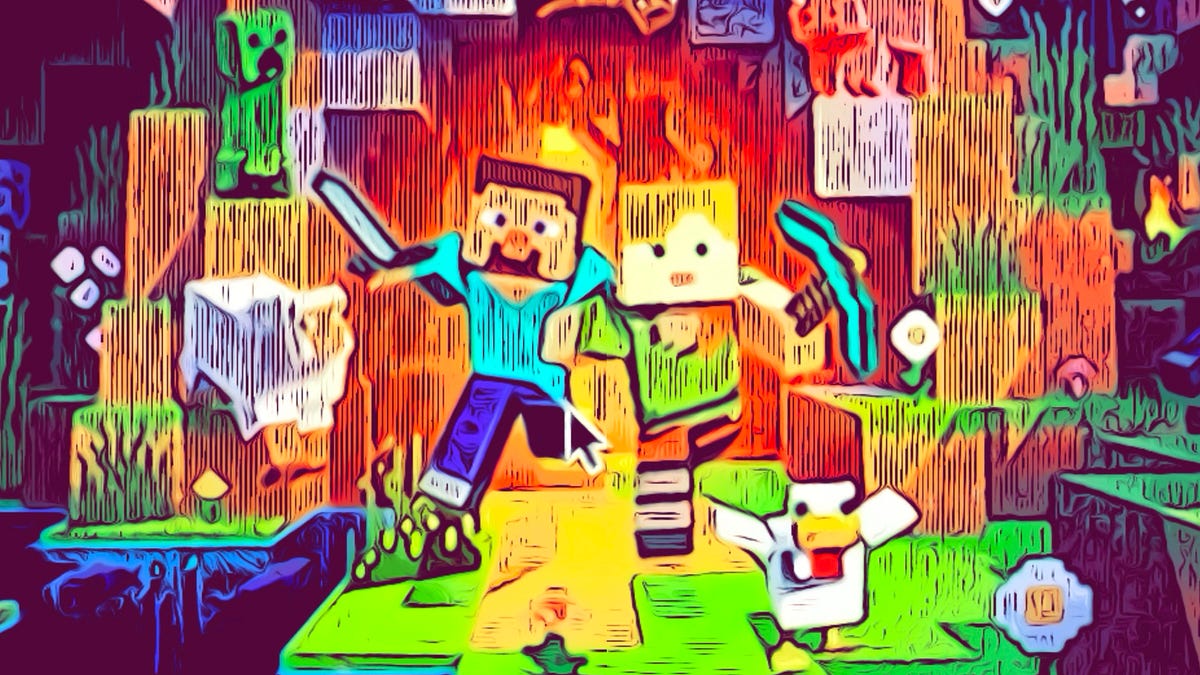
Building the Creator Economy Part 2: Minecraft
The primary focus of this analysis is the evolving landscape of user-generated content (UGC) within the video game industry, specifically through the lens of Minecraft’s creator platform.
- Kayla Kinnunen, Executive Producer of the Minecraft Creator Platform, emphasizes that Mojang’s strategy prioritizes the joy of content creation over incentivizing young users with promises of million-dollar earnings.
- Mojang is actively defining distinct creator cohorts to manage and scale user-generated content within the Minecraft ecosystem.
- The Minecraft Creator Platform is implementing specific strategies to maintain healthy monetization models within the increasingly competitive user-generated content market.

Epic Layoffs, EA's FIFA Fallout, and the Future of Gaming Haptics
This analysis examines significant shifts within the gaming industry as of October 2023, focusing on corporate restructuring, licensing transitions, and emerging hardware trends.
- Epic Games laid off 16% of its workforce, totaling over 800 employees, as it shifts toward a creator-backed revenue share business model for Fortnite.
- Electronic Arts has successfully transitioned away from the FIFA brand with the launch of EA Sports FC 24, suggesting the licensing split has increased the value of EA's internal sports portfolio.
- The gaming industry is increasingly experimenting with wearable haptics, exemplified by the OWO haptic shirt tie-in for Ubisoft's Assassin’s Creed Mirage.

Investors Drop Roblox. Take-Two Revs the GTA6 Money Motor. Kai Cenat Owes New York a Check
The gaming industry currently faces a divergence in investor sentiment and public accountability, as highlighted by the contrasting performances of major platforms and the societal impact of influencer-led events.
- Roblox shares fell despite a 15% increase in earnings, as investors remain skeptical of the platform's profitability and its 80% revenue share model with creators.
- Take-Two Interactive outperformed its own fiscal projections through stable recurrent digital net bookings, though the results fell short of broader Wall Street expectations.
- Twitch streamer Kai Cenat was arrested following a PlayStation 5 giveaway event in New York City's Union Square that escalated into a riot, causing significant damage to local infrastructure.

Blizzard's Billion Dollar Quarter: Industry Essential Facts
The gaming industry experienced a period of significant financial contrast during the mid-2023 earnings season.
- Activision Blizzard reported $2.5 billion in quarterly revenue, driven by a 160% year-over-year growth for the Blizzard segment and 10 million players for Diablo 4 in June 2023.
- King Digital, Activision’s mobile division, saw a 10% year-over-year revenue increase for its Candy Crush franchise.
- Ubisoft reported $298 million in quarterly revenue, which represented a decline from the previous year but still exceeded the company's internal guidance despite an 8% drop in digital sales.
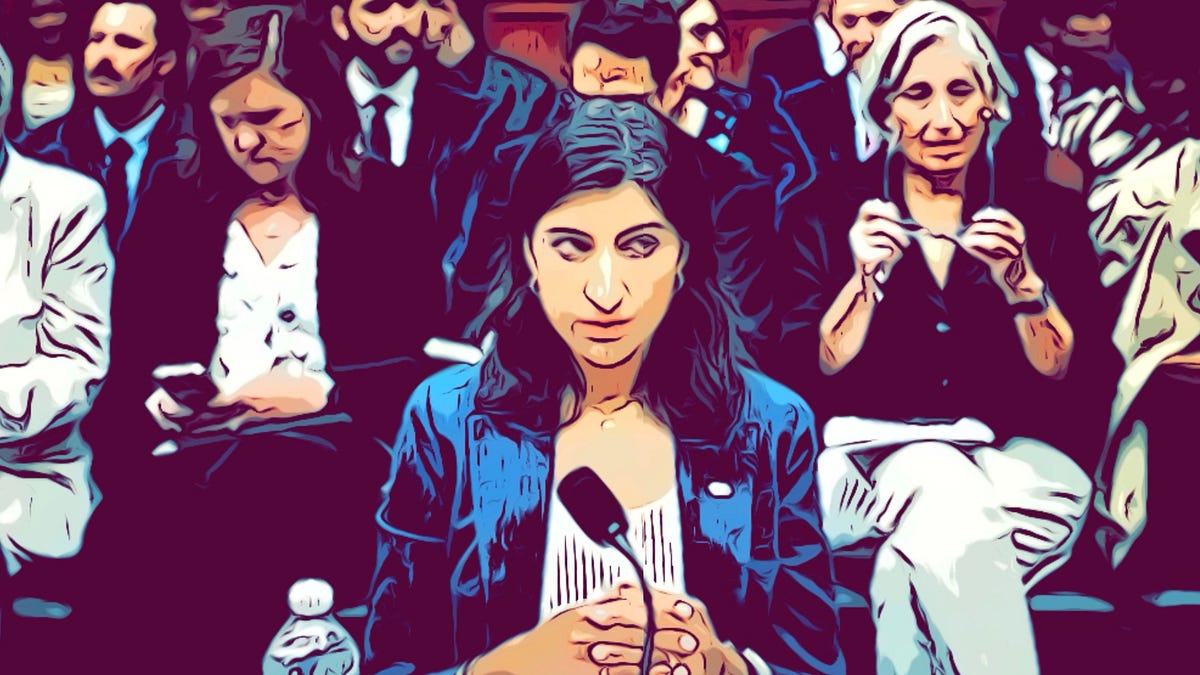
FTC Licks Its Wounds: Google Embraces Blockchain Gaming
This analysis examines the shifting landscape of the gaming industry in mid-2023, specifically focusing on the implications of the Federal Trade Commission’s failed attempt to block Microsoft’s acquisition of Activision Blizzard and the subsequent pivot of major platforms toward blockchain integration.
- District Judge Corley denied the FTC’s request for a preliminary injunction against Microsoft, allowing the company to proceed with its acquisition plans.
- Google Play has updated its policy to permit apps with blockchain capabilities, signaling a strategic move to capture market share in crypto gaming.
- Companies like Mythical Games are actively working to simplify blockchain integration to facilitate the trade of in-game assets via cryptocurrency.