1 free read left. Create a free account for unlimited reading + AI research.
Create free accountArticle The UNBOXING Podcast
1 free read left. Create a free account for unlimited reading + AI research.
Create free accountArticleThe UNBOXING Podcast
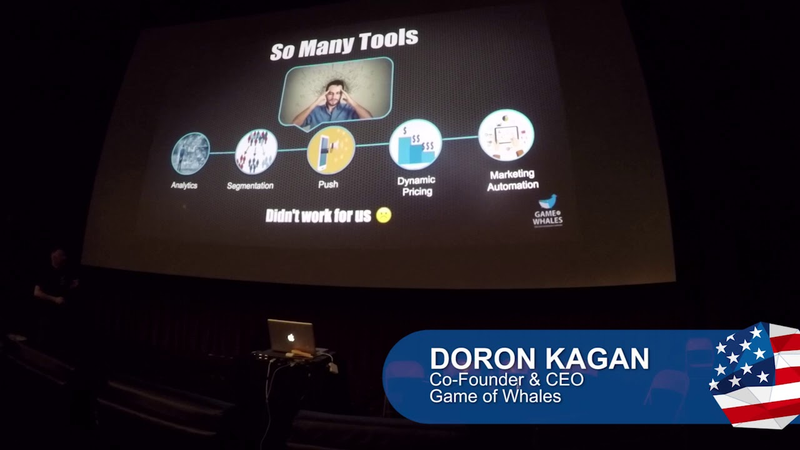
The current landscape of free-to-play game development is undergoing a significant transformation, driven by evolving monetization strategies and the rapid integration of artificial intelligence. Industry analysis suggests that studios must move beyond a narrow reliance on universal key performance indicators, such as conversion rates and retention, which often lack consistent definitions and vary wildly across genres. Over-indexing on these metrics can lead to poor decision-making, particularly when teams prioritize short-term monetization over meaningful content expansions.
Successful product strategy requires a balanced approach that integrates data with player feedback and creative expertise. Developers are encouraged to avoid direct competition with established market leaders by targeting underserved niches or pursuing unconventional, highly original concepts. Furthermore, a clear distinction is drawn between ethical game design, where randomized rewards are integrated into the core experience, and predatory monetization systems designed solely for revenue extraction.
Artificial intelligence is identified as a primary catalyst for future industry shifts. By significantly reducing the time and capital required for game production, AI enables smaller teams to pursue ambitious, experimental projects. However, this increased ease of production will fundamentally alter the industry’s primary bottleneck. As the market becomes saturated with new titles, the challenge for developers will transition from the difficulty of creation to the difficulty of discovery and distribution. Ultimately, the industry is moving toward a future where creative differentiation and effective audience acquisition are more critical to success than traditional, data-obsessed operational models.

The UNBOXING Podcast · 2026

The UNBOXING Podcast · 2026
The UNBOXING Podcast · 2023

The UNBOXING Podcast · 2023

The UNBOXING Podcast · 2023

The UNBOXING Podcast · 2023
The UNBOXING Podcast · 2023
Deconstructor of Fun · 2025