Idle RPG
Documents
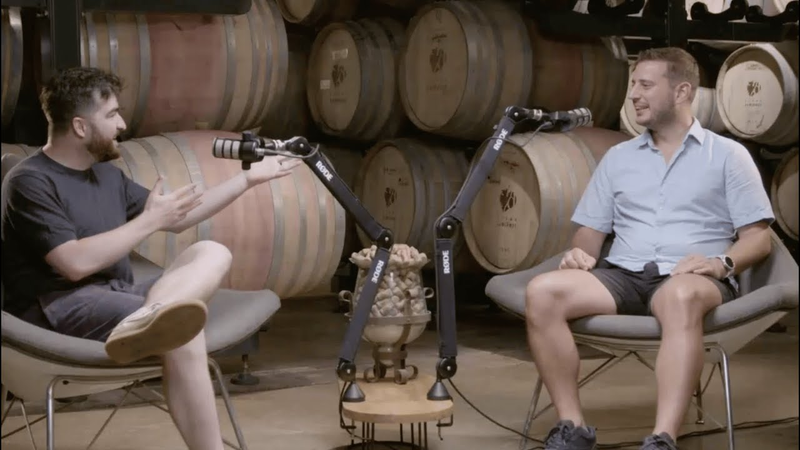
Cyprus LIVE #5 Where Are All The Greek Gaming Studios on Cyprus?
The gaming industry in Cyprus has experienced significant growth over the last decade, transitioning from a smaller society into a burgeoning hub for international tech and gaming companies. Despite this expansion, a notable gap remains in the participation of local Cypriot and Greek talent. The primary barrier to entry for the local population is a cultural and educational bias that favors traditional professional paths, such as law and accounting, over creative and technical careers in game development. This societal pressure often discourages students from pursuing game programming, a challenge compounded by a lack of specialized university curricula.
Holyday Studios, a 21-person team specializing in idle RPGs, serves as a case study for the current landscape. The studio, founded by Greek entrepreneurs, operates with a hybrid workforce comprising local talent, Greek nationals, and a significant number of Russian-speaking developers. This cross-cultural environment highlights the importance of integrating diverse work ethics—specifically the high productivity associated with the Russian gaming community and the emphasis on work-life balance and creative clarity favored by the Greek founders.
To sustain long-term growth, the industry requires a multi-faceted approach. Maintaining a favorable tax environment remains essential for attracting foreign investment, but future development depends heavily on improving local infrastructure, particularly in housing, and fostering a stronger connection between universities and the private sector. By promoting the gaming industry as a viable, lucrative career path, Cyprus can better integrate its local population into the ecosystem. Ultimately, the success of the sector relies on balancing the influx of international talent with the cultivation of domestic expertise, ensuring that the island remains a competitive and sustainable environment for global game development.
- Cyprus has evolved into a major international hub for tech and gaming, though local Cypriot and Greek talent remain significantly underrepresented in the sector.
- Cultural and educational biases favoring traditional fields like law and accounting, combined with a lack of specialized university curricula, act as the primary barriers to local participation.
- Holyday Studios, a 21-person team specializing in idle RPGs, serves as a model for a hybrid workforce that integrates Greek creative leadership with high-productivity Russian-speaking development talent.
- Long-term industry sustainability depends on improving local infrastructure, specifically housing, to support the influx of international professionals.
- Strengthening the pipeline between universities and private gaming companies is essential to rebranding the industry as a lucrative, viable career path for the local population.

Legend of Mushroom Deconstructed - How it became a fungal phenomenon
Legend of Mushroom represents a significant case study in the idle RPG genre, demonstrating how a complex, interconnected progression system can drive rapid global monetization. By utilizing a central lamp-pull RNG mechanic, the game creates a persistent dopamine loop that encourages continuous engagement and frequent micro-transactions. This design is bolstered by a multi-layered structure of battle passes, tiered starter packs, and social competition features that incentivize high-value spending. The title has achieved notable commercial success, particularly within the Japanese and South Korean markets, where it has consistently ranked among the top-grossing applications.
Despite this financial performance, the game faces substantial long-term sustainability challenges. The core experience is defined by an overwhelming array of daily housekeeping tasks and a cluttered user interface that creates significant cognitive load. Progression systems often lack intuitive design, and the reliance on shard-based gacha mechanics frequently fails to provide players with meaningful power gains, leading to frustration. Furthermore, the absence of effective catch-up mechanics for returning players, combined with a competitive environment that heavily favors established spenders, has contributed to a recent decline in daily active users and average revenue per user in key territories.
The game’s growth strategy has relied heavily on aggressive and ethically questionable user acquisition tactics, including the deployment of misleading advertisements and intellectual property infringement. While the lamp-loot system remains a highly effective engagement tool, the overall product suffers from poor onboarding and a lack of clear guidance for new players. To maintain its market position and expand its audience, the development team must address these structural inefficiencies, reduce the burden of repetitive manual tasks, and refine the progression balance to ensure that spending translates into a more satisfying and transparent gameplay experience.
- The core monetization engine relies on a central lamp-pull RNG mechanic that creates a persistent dopamine loop, driving high-value spending through tiered starter packs and battle passes.
- Legend of Mushroom achieved top-grossing status in Japanese and South Korean markets by leveraging an interconnected progression system designed for rapid monetization.
- The game is currently experiencing a decline in daily active users and average revenue per user due to a lack of catch-up mechanics and a competitive environment that favors established spenders.
- Long-term retention is hindered by a high cognitive load caused by a cluttered user interface and an overwhelming volume of daily manual housekeeping tasks.
- Growth has been driven by aggressive and ethically questionable user acquisition strategies, including the use of misleading advertisements and intellectual property infringement.