Quake 4
Game
2 documents in the library are about Quake 4, from writers such as DiGRA and Extra Credits. Each has a summary and key insights with the page they come from.
Connections
Each row is a game or company named alongside Quake 4, each column a document, oldest first. A mark means that document names it. Select a row to see those documents.
Documents about Quake 4
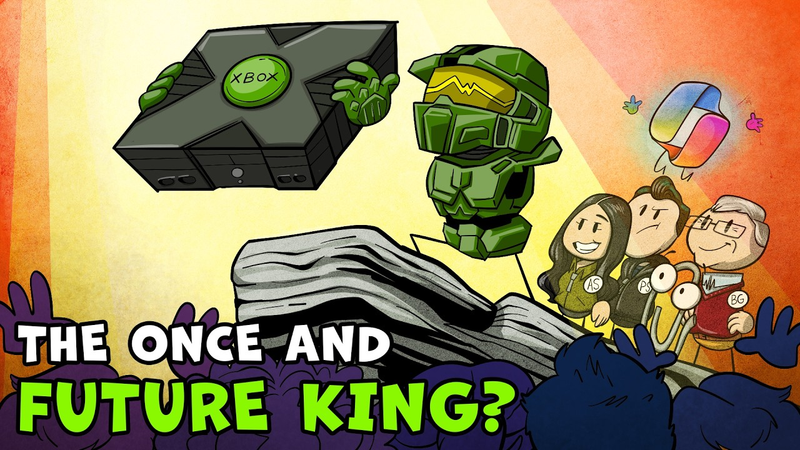
The Rise and Fall of the House of Xbox | Extra Credits Gaming
The history of the Xbox brand reflects a trajectory from a disruptive, innovative newcomer to a struggling platform currently searching for a coherent identity.
- Microsoft entered the console market in 2001 with a vision to place a PC-like multimedia system in every living room, leveraging the DirectX development environment to make the platform more accessible to developers than Sony or Nintendo consoles.
- The original Xbox achieved early success with over 1 million units sold in North America within three weeks of its 2001 launch, bolstered by the acquisition of Bungie and the introduction of the Xbox Live service, which reached 150,000 subscribers in its first week.
- The Xbox 360, released in 2005, became a market leader by selling over 39 million units by 2009, though its early lifecycle was severely damaged by hardware failures known as the 'Red Ring of Death.'
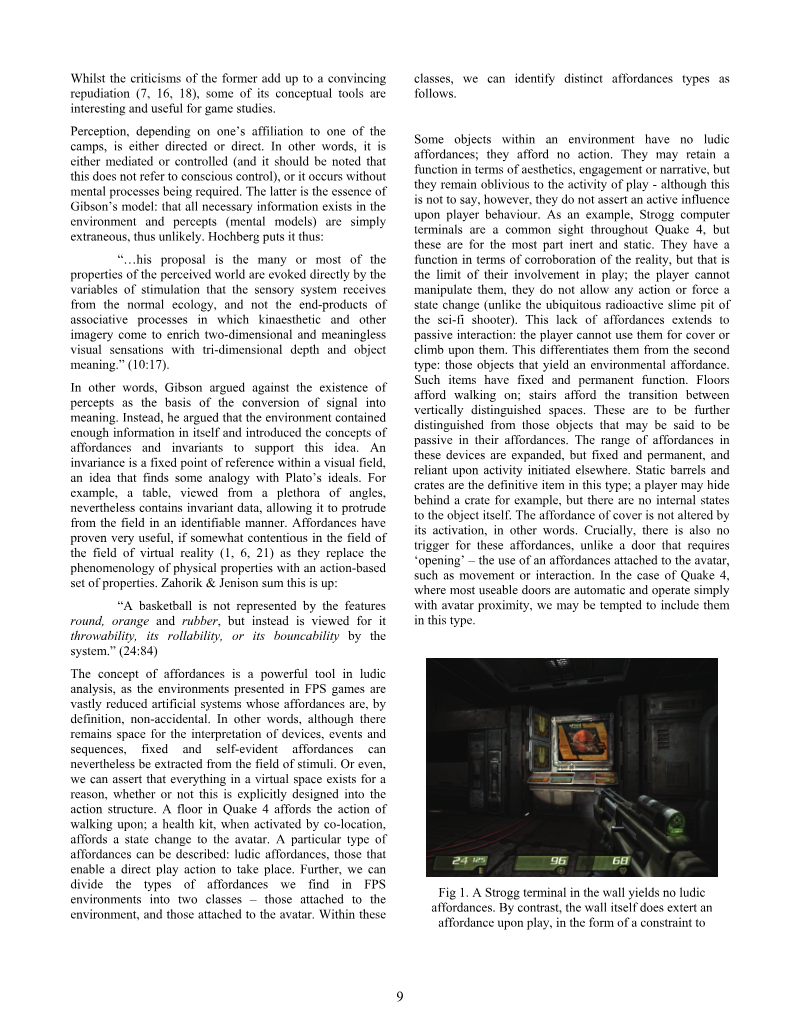
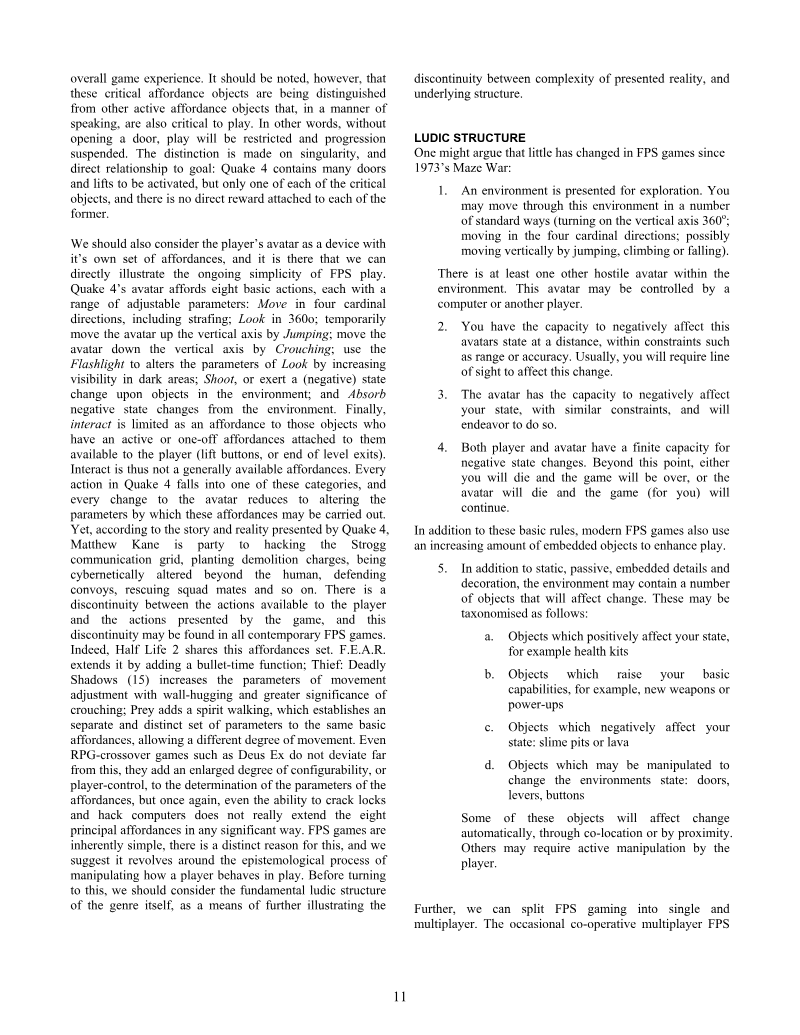
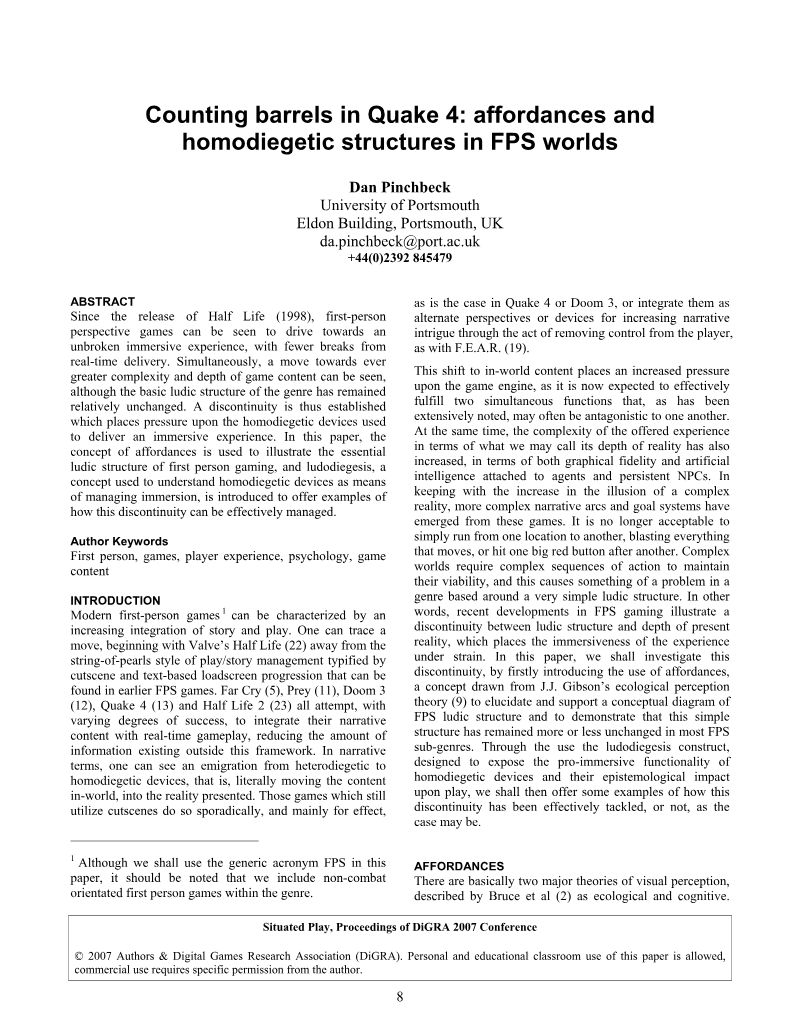
Counting Barrels in Quake 4: Affordances and Homodiegetic Structures in FPS Worlds
Pinchbeck's analysis argues that first-person shooters have grown markedly more sophisticated in their presented worlds, through improved graphics, artificial intelligence, and narrative integration, while their underlying ludic structure has barely changed since the earliest days of the genre.
- First-person shooters have grown far more sophisticated in graphics, AI, and narrative integration, yet their underlying ludic structure has barely changed since the genre's earliest days.
- Drawing on Gibson's concept of affordances, the analysis classifies in-game objects into static, environmental, state-changing, and singular or critical types, separating those that matter to play from decorative ones.
- A player's core actions in games like Quake 4, moving through space and acting on objects, reduce to a small, fixed set of parameterized affordances, which the author identifies as the root of tension between the depth of the game's reality and the simplicity of its play.