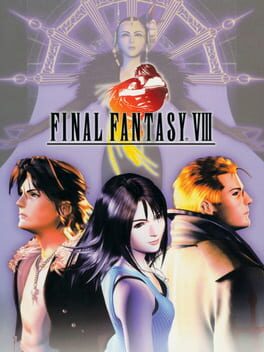
Final Fantasy VIII
GameBy Square Product Development Division 1 · Released Feb 1999
Final Fantasy VIII is the eighth main installment in the Final Fantasy series. The gameplay makes a departure from many series standards.
Connections
Each row is a game or company named alongside Final Fantasy VIII, each column a document, oldest first. A mark means that document names it. Select a row to see those documents.
About the game
- Released
- Feb 1999
- Developer
- Square Product Development Division 1
- Publishers
- Square Electronic Arts, Square Enix, Squaresoft
- Genres
- Role-playing (RPG), Adventure, Card & Board Game
- Platforms
- PlayStation 3, PlayStation, PlayStation Portable
Game data from IGDB.com
Documents about Final Fantasy VIII
Ubisoft & Square Enix E3 Press Conference | Games ReCAP Episode 004
Ubisoft maintains a robust and stable development model by leveraging established engines and iterative design across major franchises such as Assassin’s Creed, Watch Dogs, Far Cry, and the Tom Clancy series.
- Ubisoft’s strategy of leveraging established engines and iterative design for franchises like Assassin’s Creed and Far Cry provides a stable production model that minimizes the volatility and mass layoffs seen elsewhere in the industry.
- A two-year development cadence is proposed as the optimal standard for major titles, allowing players sufficient time to master complex gameplay systems before the next iteration is released.
- Square Enix’s modernization efforts show inconsistent results, with the Final Fantasy VII Remake succeeding through real-time combat and high fidelity, while projects like the Avengers title and the Final Fantasy VIII remaster suffer from a lack of comprehensive overhauls.
How Musical Leitmotifs Enhance Narration and Evoke Emotion
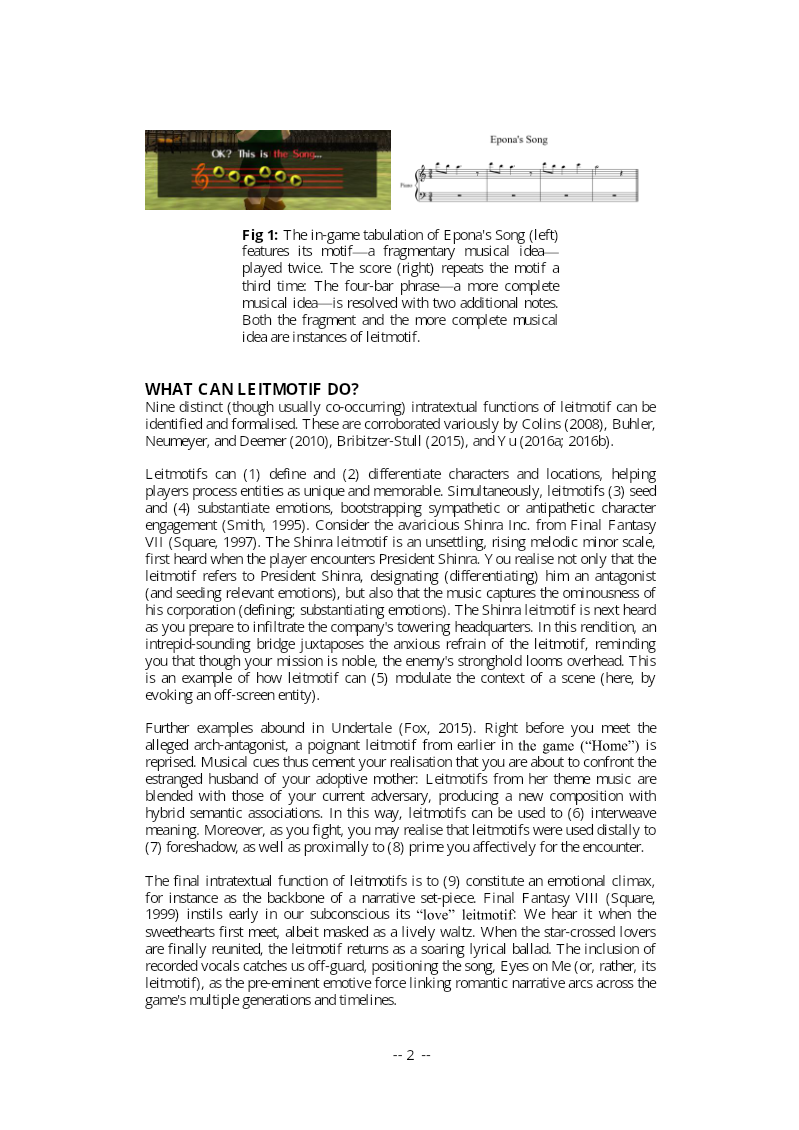
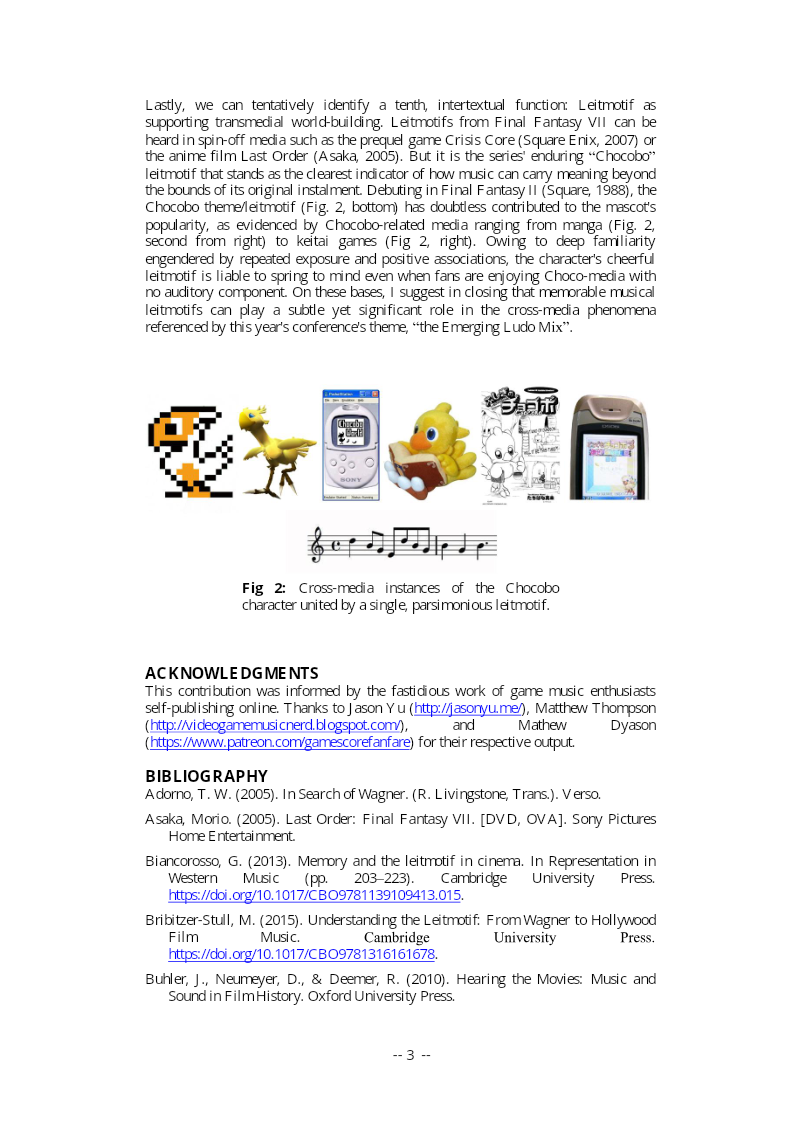
This paper argues that musical leitmotifs, which have received little sustained attention in English-language game studies, deserve a contemporary definition suited to digital games and accessible to non-musicians.
- Leitmotifs are musical ideas tied to a specific character, location, sentiment, or story element, and the paper argues they deserve a contemporary definition suited to digital games and accessible to non-musicians.
- The paper distinguishes leitmotifs from broader thematic material (which evokes a work as a whole) and from motifs (which lack specific representational reference).
- The paper identifies nine intratextual functions of leitmotifs, including defining characters and locations, seeding and substantiating emotion, foreshadowing, and constituting an emotional climax.