Day of the Tentacle
2 documents in the library are about Day of the Tentacle, from writers such as Game Developers Conference and PocketGamer.biz, the newest from 2023. Each has a summary and key insights with the page they come from.
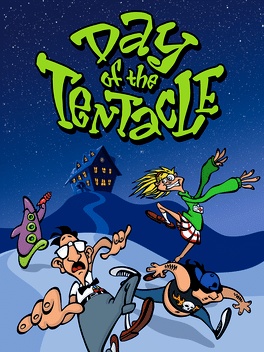
Day of the Tentacle, also known as Maniac Mansion II: Day of the Tentacle, is a 1993 graphic adventure game developed and published by LucasArts. It is the sequel to the 1987 game Maniac Mansion. The game's plot follows Bernard Bernoulli and his friends Hoagie and Laverne as they attempt to stop the evil Purple Tentacle — a sentient, disembodied tentacle — from taking over the world. The player takes control of the three and solves puzzles while using time travel to explore different periods of history. Dave Grossman and Tim Schafer co-led the game's development, their first time in such a role. The pair carried over a limited amount of elements from Maniac Mansion and forwent the character selection aspect to simplify development. Inspirations included Chuck Jones cartoons and the history of the United States. Day of the Tentacle is the eighth LucasArts title to use the SCUMM engine, and the company's first title to feature voice acting. The game was released simultaneously on floppy disk and CD-ROM to critical acclaim and commercial success. Critics focused on its cartoon-style visuals and comedic elements. Day of the Tentacle has featured regularly in lists of "top" games published more than two decades after its release, and aspects have been referenced in popular culture.
- Released
- Jun 25, 1993
- Developer
- LucasArts
- Genres
- Point-and-click, Adventure
- Platforms
- Mac, DOS, Amiga
- Links
- Wikipedia
Game data from IGDB.com
Documents about Day of the Tentacle
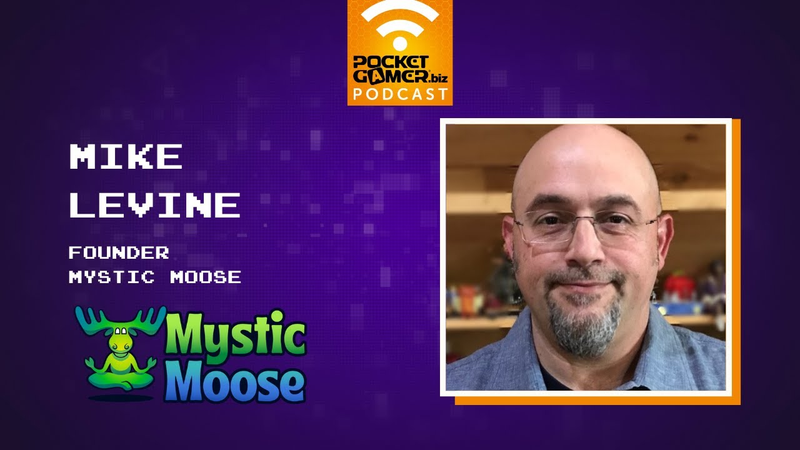
Mystic Moose’s Mike Levine On Cross-Platform Games And Custom Collectibles
Mojo Melee represents a strategic evolution in the auto-chess genre by blending traditional deck-building mechanics with tactical spell stones to enhance player agency.
- Mojo Melee prioritizes a game-first development model where high-quality mechanics and user experience take precedence over aggressive monetization.
- Web3 features are treated as optional, secondary tools to lower the barrier to entry for mainstream audiences and encourage engagement only after long-term commitment.
- The studio is leveraging WebGL technology to drive browser-based gaming, aiming to bypass app store friction and facilitate seamless cross-platform play between desktop and mobile.
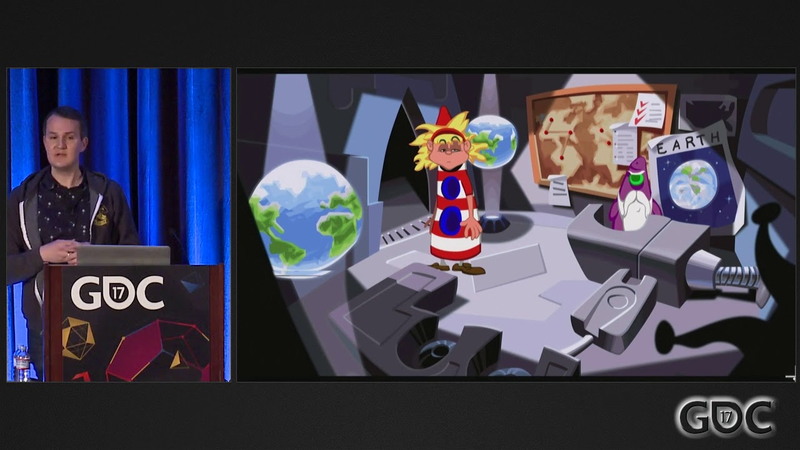
Remastering Day of the Tentacle and Grim Fandango
The remastering of classic titles like Day of the Tentacle and Grim Fandango demonstrates a successful strategy for revitalizing legacy software by balancing technical modernization with strict adherence to original artistic intent.
- The remastering strategy of balancing technical modernization with original artistic intent for Day of the Tentacle and Grim Fandango generated over five million units in collective sales.
- Developers maintained core gameplay logic by utilizing original source code and scripts within a sandbox environment, allowing players to toggle between classic and updated assets in real-time.
- Technical modernization for Day of the Tentacle involved using Flash to manage thousands of animation sprites and bytecode patching to adapt hardcoded logic for widescreen aspect ratios.